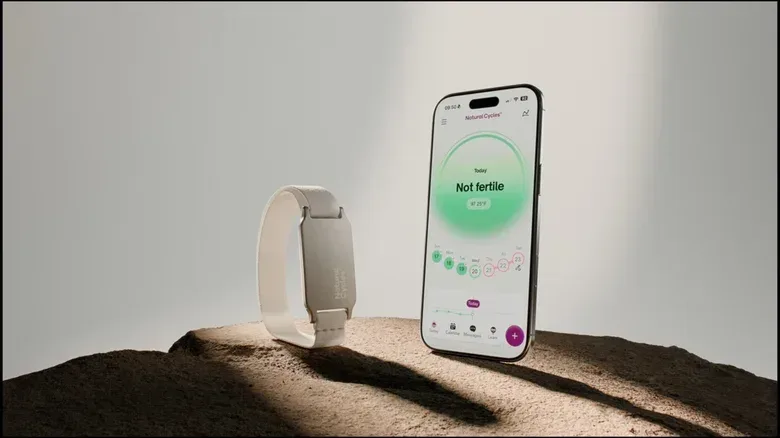
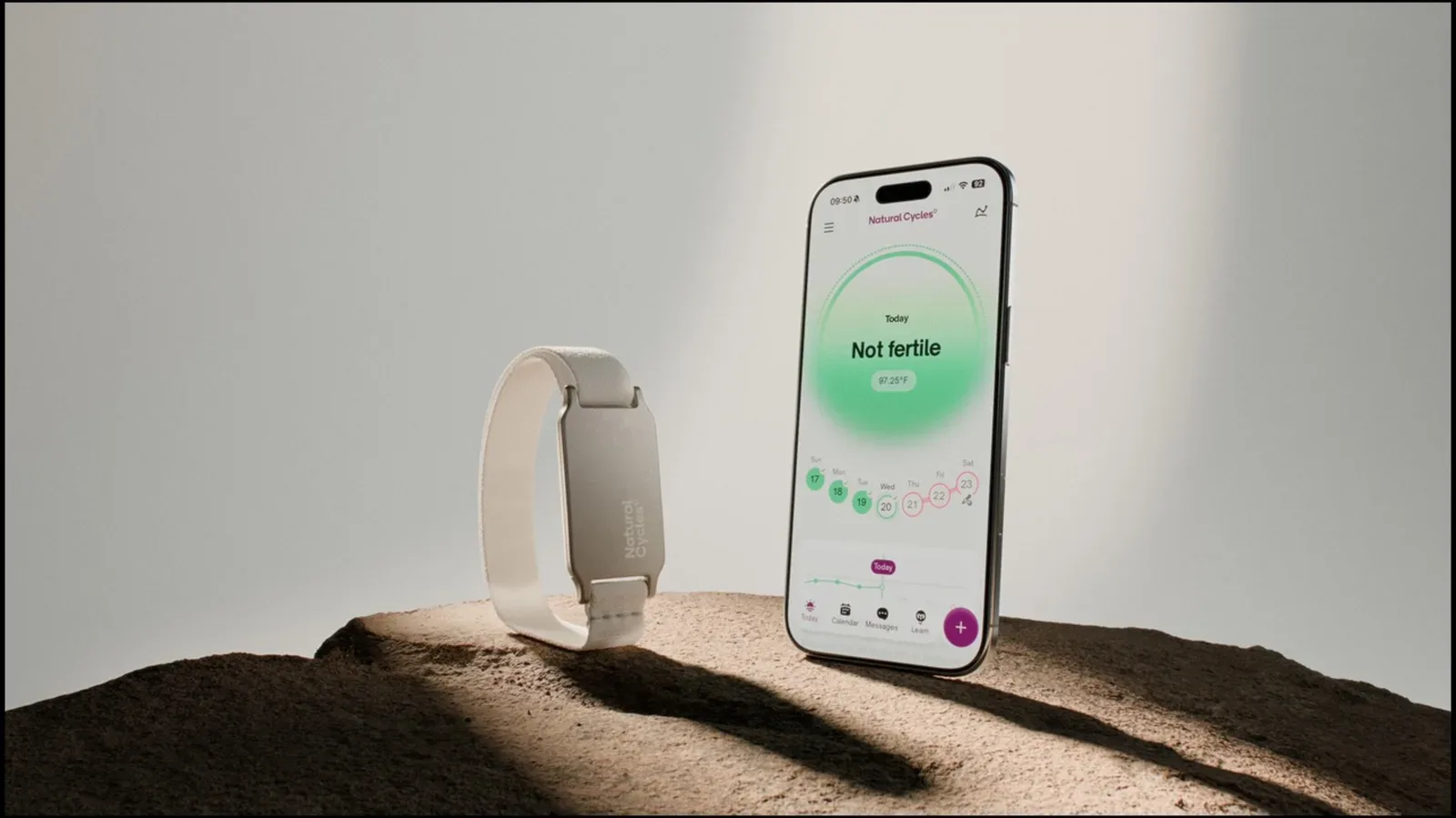
Natural Cycles is expanding its fertility and cycle-tracking hardware with two devices built around different wearing preferences: the second-generation NC Band 2 and the company’s first smart ring, the NC Ring. The Band 2 is headed for pre-order customers in the US, while the ring is launching in Canada, Europe and Australia rather than the American market.
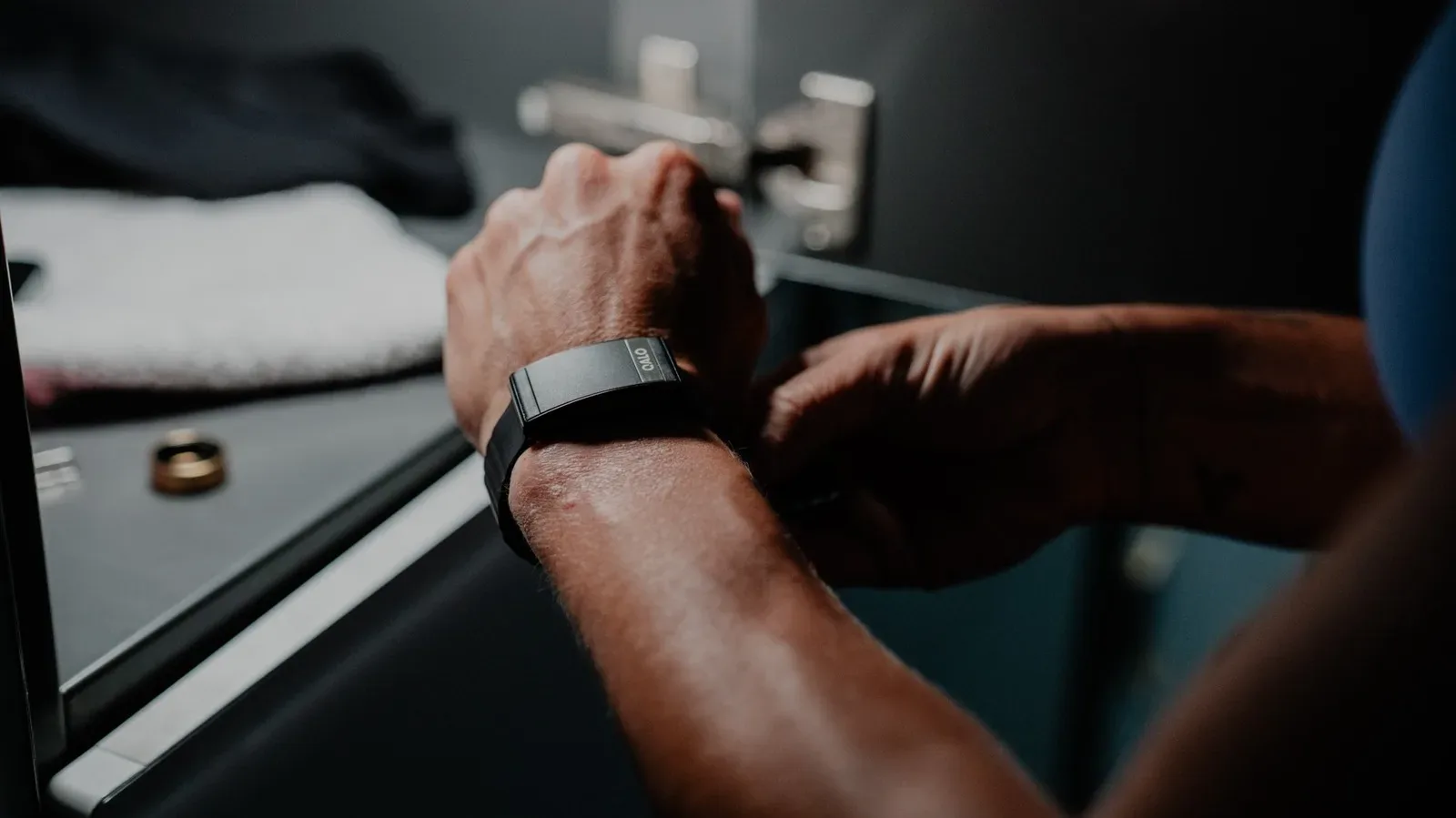
The most substantial change is not a newly announced sensor, but a shift in how the wrist device is intended to fit into a routine. The original NC Band was made for sleep. NC Band 2 remains screen-free but becomes an all-day activity tracker, designed to be worn through both daytime and nighttime rather than put on solely before bed.
That matters because Natural Cycles’ product is centered on interpreting ongoing body data inside its app. The company’s app, which has FDA clearance as a form of “digital birth control,” supports five modes: Birth Control, Plan Pregnancy, Follow Pregnancy, Postpartum and Perimenopause. The hardware is meant to feed the app with measurements that can contribute to personalized cycle and fertility insights.
NC Band 2: smaller hardware, longer claimed battery life
NC Band 2 is described as substantially smaller and lighter than the first model, a practical revision for a device expected to remain on the wrist throughout the day and while sleeping. It tracks heart rate, movement and temperature, retaining the categories monitored by the earlier sleep-focused band while moving to a broader activity-tracking role.
Natural Cycles says battery life rises from 14 days on the prior band to up to 21 days on NC Band 2. That is a notable stated increase even as the band becomes suitable for all-day use. Less frequent charging can be especially significant for a tracker whose value depends on building a consistent record: a device sitting on a charger cannot collect the data the app uses.
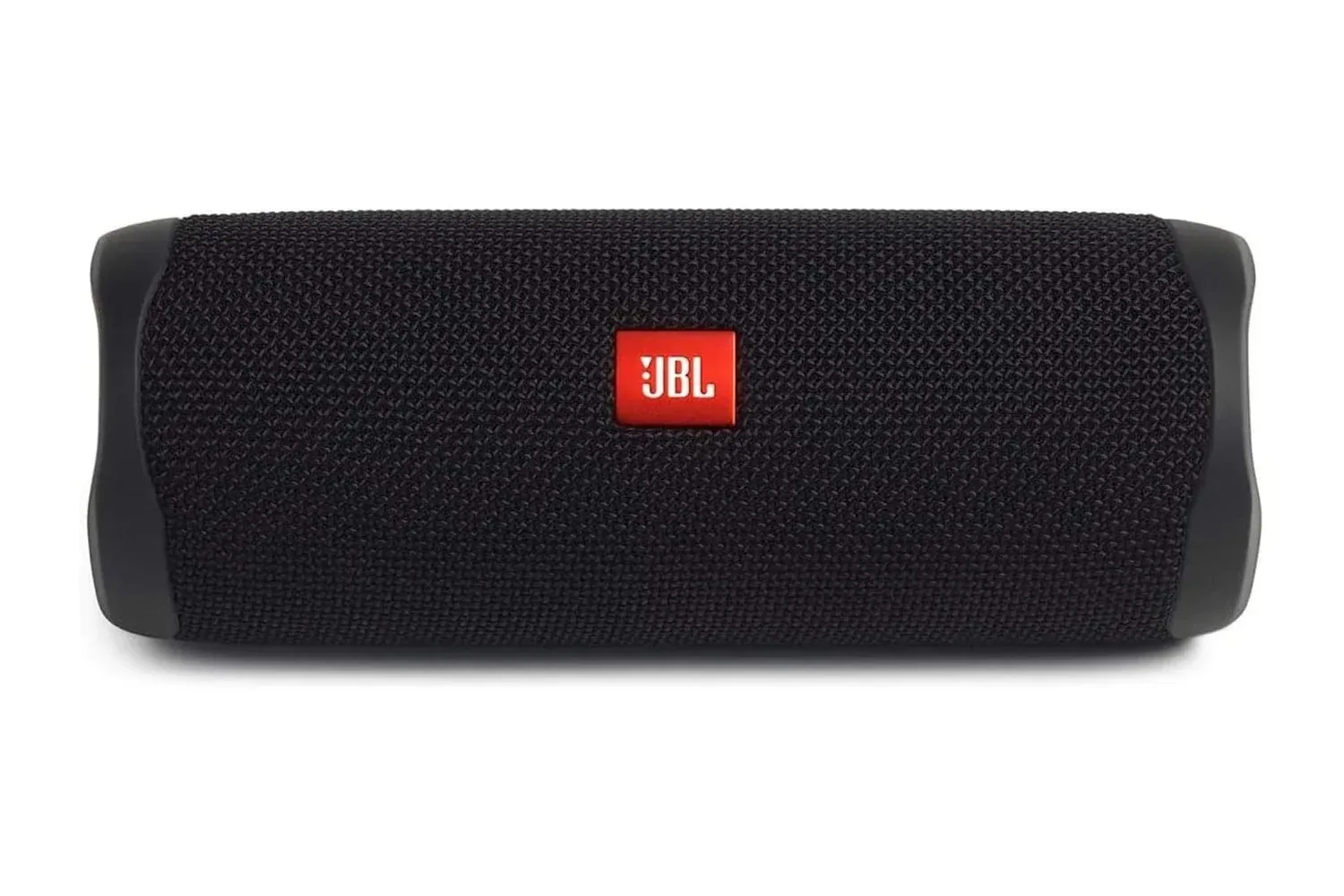
The new band is also rated to withstand immersion to depths of up to 50 meters. A water-resistance figure describes the conditions a product is stated to tolerate; it does not, by itself, tell buyers everything about every real-world use case. People comparing durability language across wearables may find it helpful to read how specifications can be framed in other device categories in this breakdown of what waterproof Bluetooth-speaker specs actually mean.
Screen-free design is also central to the Band 2’s approach. In plain terms, the device does not attempt to act as a miniature smartwatch with notifications and a watchface. Its job is data collection, while the Natural Cycles app is where users view the results and cycle-related guidance. For people who want a tracker that stays visually quiet, that division may be a feature rather than a compromise.
What the measurements are for
Three terms recur in the Band 2 description: heart rate, movement and temperature. Heart rate is the number of heartbeats over a period of time; movement refers to physical motion detected by the wearable; and temperature is a body-related temperature measure gathered while the device is worn. Natural Cycles positions the combination as input for its app’s fertility and health insights.
Related coverage includes Natural Cycles Introduces NC Band 2 and NC Ring.
The key distinction is between measurement and interpretation. A wearable can record signals, but the app is the part that organizes those readings around the selected user mode. Someone using Birth Control is not seeking the same type of support as someone in Plan Pregnancy, Follow Pregnancy, Postpartum or Perimenopause. Providing separate modes gives the app an explicit context for the insights it returns.
That mode list is also a reminder that NC Band 2 is not being presented merely as a generic step and workout tracker. The new all-day activity role broadens its purpose, but fertility and cycle tracking remain the stated focus. Buyers considering the device should therefore look at the combined proposition: the wearable and the app plan are designed to work together, not as unrelated products.
Pricing, app plan and shipment timing
NC Band 2 is available to pre-order for $149 with a year of the app plan. Existing Natural Cycles users can buy it for $99. The company says the product is HSA/FSA eligible and expects to begin shipping it sometime in December.
HSA and FSA eligibility concerns health-related spending accounts in the US, so it can be relevant to how some customers budget for the hardware. It does not change the listed price, but it can affect which funds an eligible buyer may use. As with any benefits-account purchase, buyers should verify the details that apply to their own account.
The inclusion of a year’s app plan in the new-user offer reinforces the software-dependent nature of the Band 2. The band records data, while the Natural Cycles app supplies the personalized cycle and fertility layer. Existing subscribers, meanwhile, have a distinct hardware price rather than the bundled first-year arrangement.
NC Ring takes a more minimal route
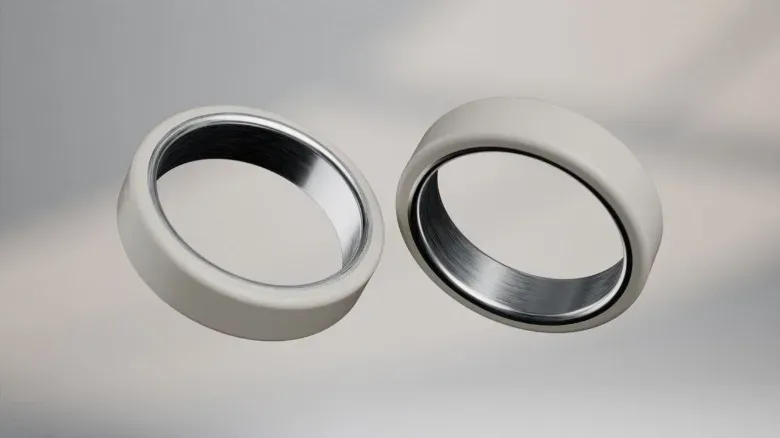
Natural Cycles’ other new device moves the same general tracking concept to a ring. The NC Ring begins shipping immediately in Canada, Europe and Australia, but it is not being sold in the US. No reason for the US omission has been provided in the information available, so the practical takeaway is simply a regional availability difference rather than an explanation for it.
The ring measures 2.43mm thick and 5.8mm wide. Its stated tracking focus is temperature and movement, and it connects to the Natural Cycles app over Bluetooth for fertility and cycle-tracking data.
Bluetooth is the short-range wireless connection used here to move information between the ring and the app. The ring itself gathers its measurements; the app is the destination where that information can be used for Natural Cycles’ tracking experience. That arrangement resembles the Band 2’s broader hardware-and-app model, even though the physical form factor and sensor set differ.
Most notably, NC Ring does not include an optical heart-rate sensor. An optical heart-rate sensor is the wearable component that uses light-based readings to estimate heart rate. Natural Cycles says leaving it out is intended to reduce possible night-time distractions and help the ring reach up to 14 days of battery life per charge.
That makes the two announcements complementary rather than identical. NC Band 2 is the all-day wrist option with heart-rate, movement and temperature monitoring, plus a claimed 21-day battery figure. NC Ring is a slimmer ring-based option focused on temperature and movement, without optical heart-rate sensing, with a stated battery life of up to 14 days.
Choosing between the two form factors
For eligible buyers in regions where both may be relevant, the decision starts with availability and then comes down to the intended wearing experience. The Band 2 is the option sold in the US and is built for continuous day-and-night wear. It adds heart-rate monitoring, carries the 50-meter water-resistance claim and has the longer stated 21-day battery life.
The NC Ring is currently for customers in Canada, Europe and Australia. Its appeal is its more compact ring format and a deliberately reduced sensor design. The lack of optical heart-rate hardware is not an accidental omission in the product description; it is a stated choice tied to minimizing night-time disruption and preserving battery endurance.
Neither device changes the central proposition: Natural Cycles is pairing wearable-derived temperature and movement information, plus heart-rate data on the Band 2, with an app designed around five reproductive-health and life-stage modes. The refinements to size, everyday wear and charging intervals may be the most important changes for users who need a tracker to become an unobtrusive part of a daily routine.