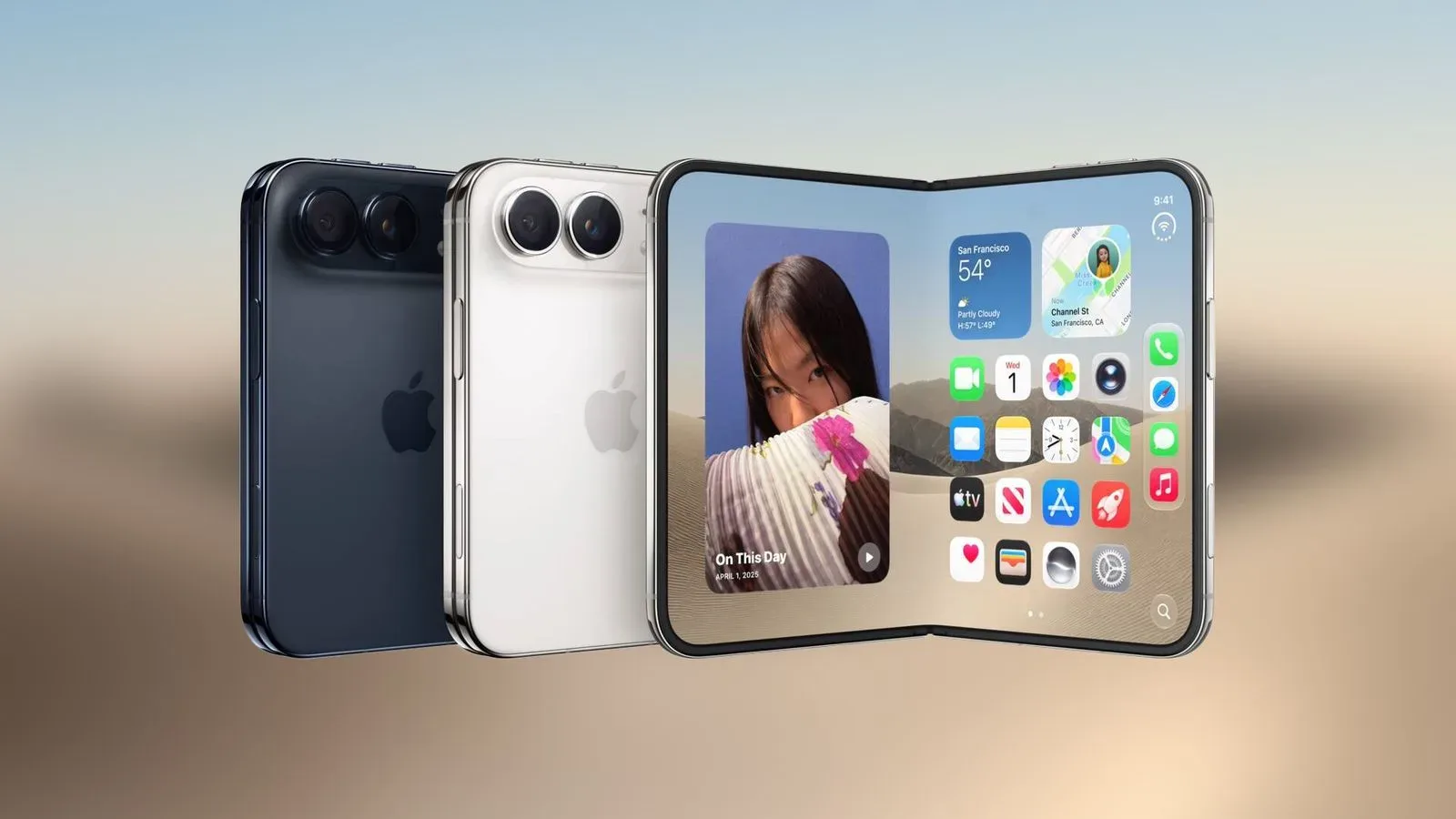
The iPhone Duo’s early thermal reports do not land on a clean verdict. Several reviewers found that the foldable can become notably warm, and some encountered heat severe enough to coincide with lag, reduced brightness, or an interrupted video call. Others reported that it ran somewhat warmer than the iPhone 18 Pro without a meaningful performance penalty.
The important distinction is workload. The reports do not suggest one identical result under every condition. Instead, they point to a device that can behave reasonably under ordinary use but faces more pressure during the kind of sustained jobs that matter to people who game on a phone, record with the camera for long stretches, edit photos, or keep both displays active.
That makes the iPhone Duo a more interesting case than a simple “does it run hot?” headline allows. Its design is built to move heat across a folding body, while its biggest advantages—a large, high-resolution screen and two active panels—can also create more power demand. For prospective buyers, especially those expecting a pocketable gaming display, the useful question is not whether warmth exists. It is how often heat changes the experience.
What the early reports actually found
One reviewer said the rear of the iPhone Duo became warm while using FaceTime and taking pictures, eventually ending a video call after the phone became too hot to comfortably continue. Apple characterized that warmth as the thermal system transferring heat away from the chip to help sustain performance. That explanation describes the intended behavior of a cooling design, but it does not erase the comfort issue: heat moved into the enclosure is still heat a person can feel while holding it.
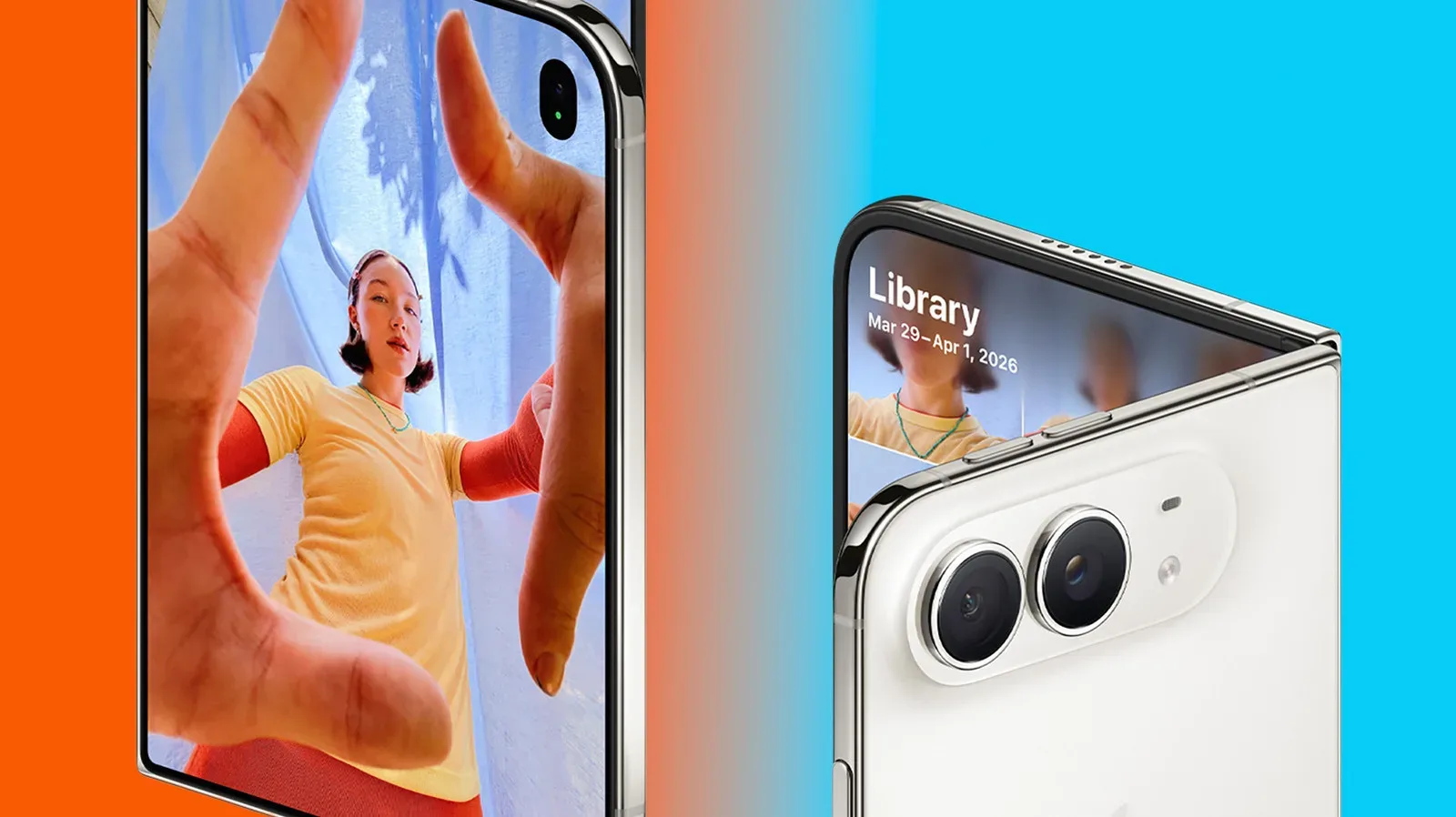
Another assessment found the device warming substantially during extended camera use, particularly when both screens were enabled for Duo Preview. In that scenario, the phone reportedly became hot enough to show noticeable lag after a period of use. The same report also observed heat in third-party software, with video apps and apps from Google singled out.
Gaming, photo editing, and other processor-heavy activity also brought warmth in another review unit. The heat was felt toward the right side when the phone was unfolded. That detail fits the broader picture: a folding device may spread heat across a larger physical area, but it can still have warmer zones depending on where components are situated and what is being stressed.
At the more demanding end, a 30-minute gaming comparison produced the sharpest numerical warning. The iPhone Duo reached 46.5°C, while the iPhone 18 Pro and iPhone 18 Pro Max recorded 43.8°C and 43.2°C. In that test, the Duo also delivered a frame rate 20 percent below the iPhone 18 Pro models. Its display brightness fell from a target of 300 nits to 185 nits rather than sustaining the higher level.
Those results should not be treated as a guarantee of what every game, environment, or session will do. They are, however, evidence that prolonged gaming can force a meaningful trade-off between performance, screen brightness, and temperature. That is particularly relevant for games with sustained graphics loads rather than brief puzzle sessions or intermittent menu-based play.
Heat is not automatically a defect—but it can become a usability problem
Smartphones turn electrical power into work and heat. A demanding game asks the processor and graphics hardware to render frames continuously; video processing and camera functions can do the same. The cooling system’s job is not to make heat vanish. It is to carry heat away from the chip and distribute it through the device quickly enough that performance remains stable and the phone stays manageable.
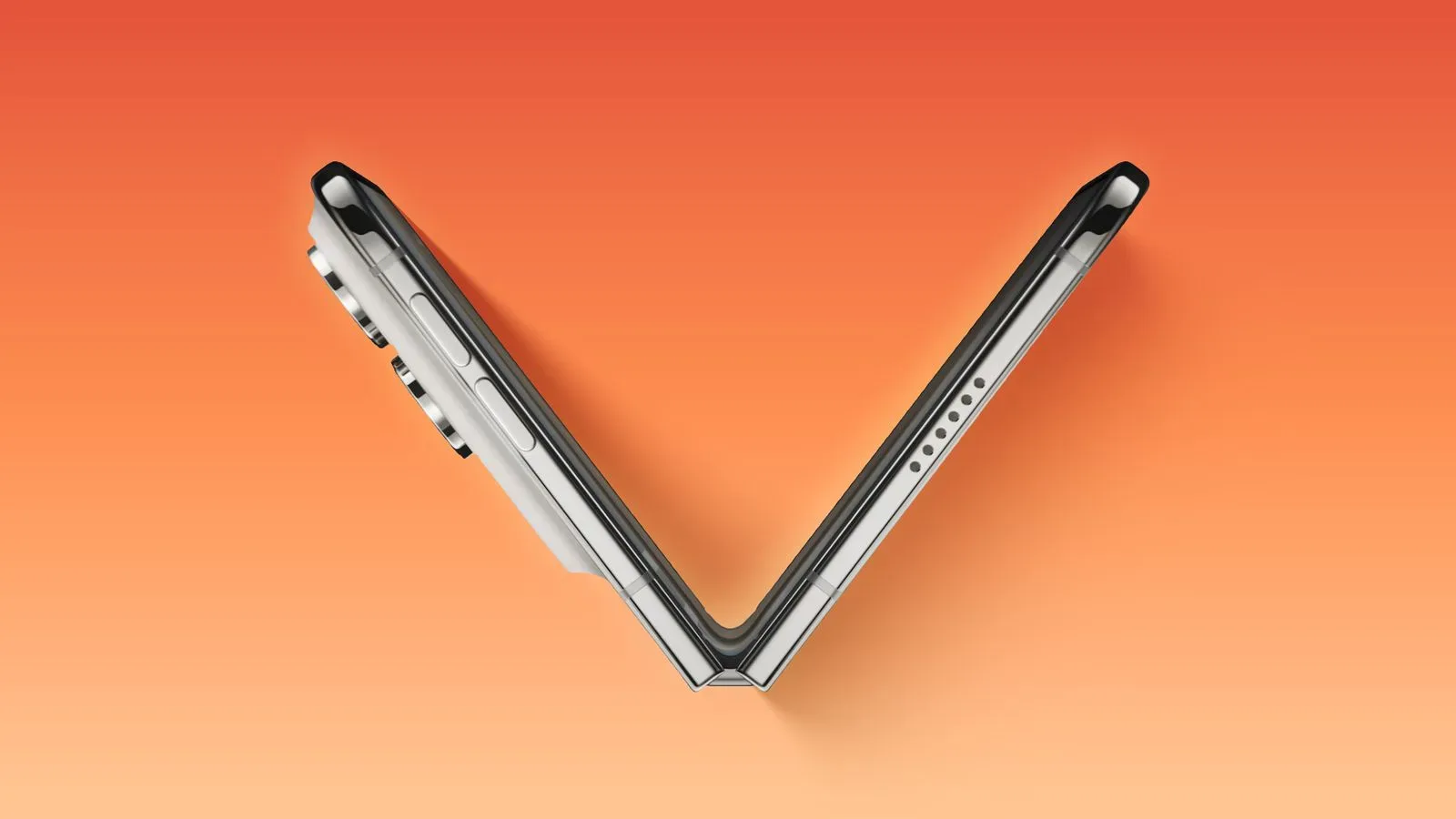
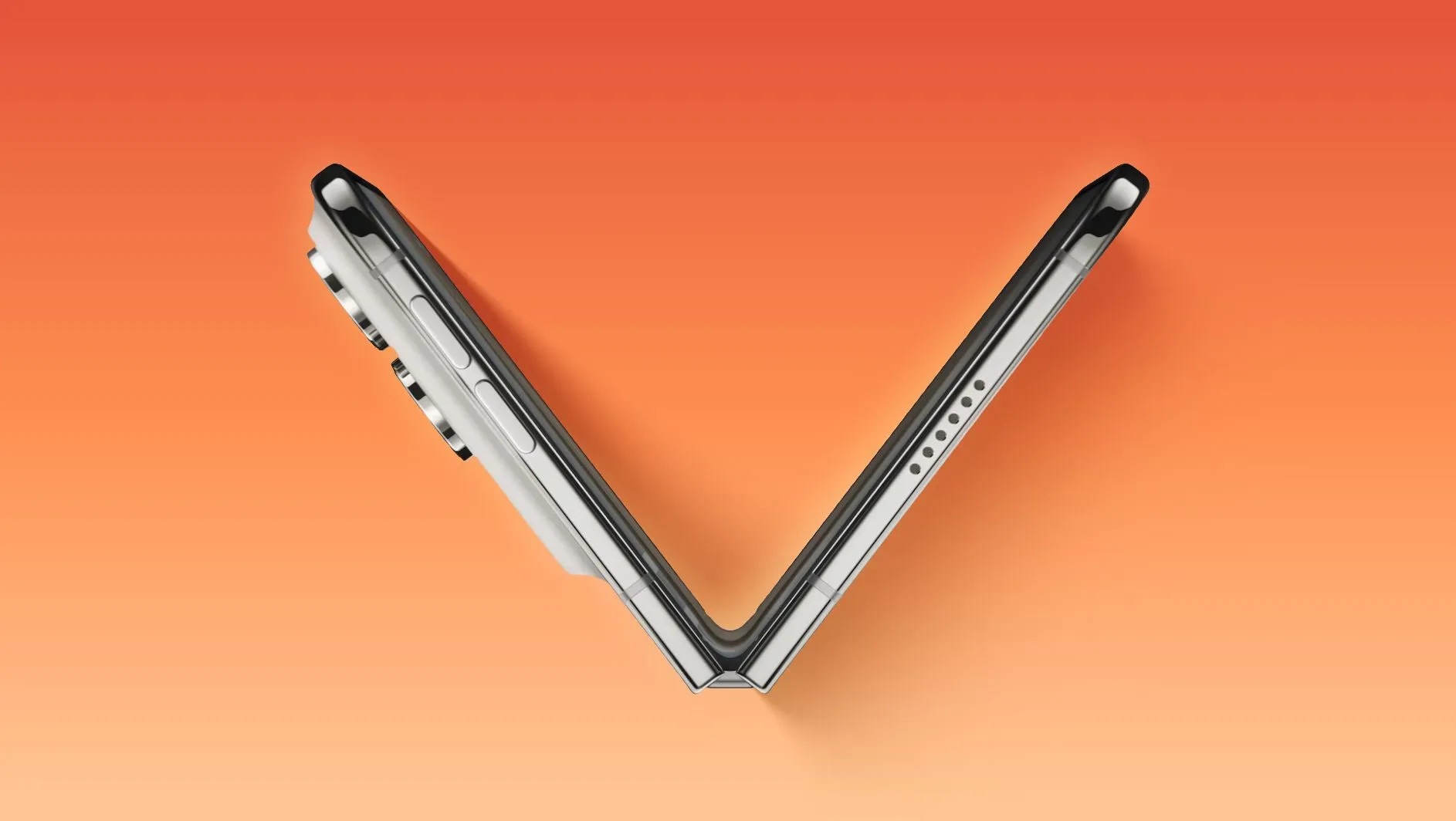
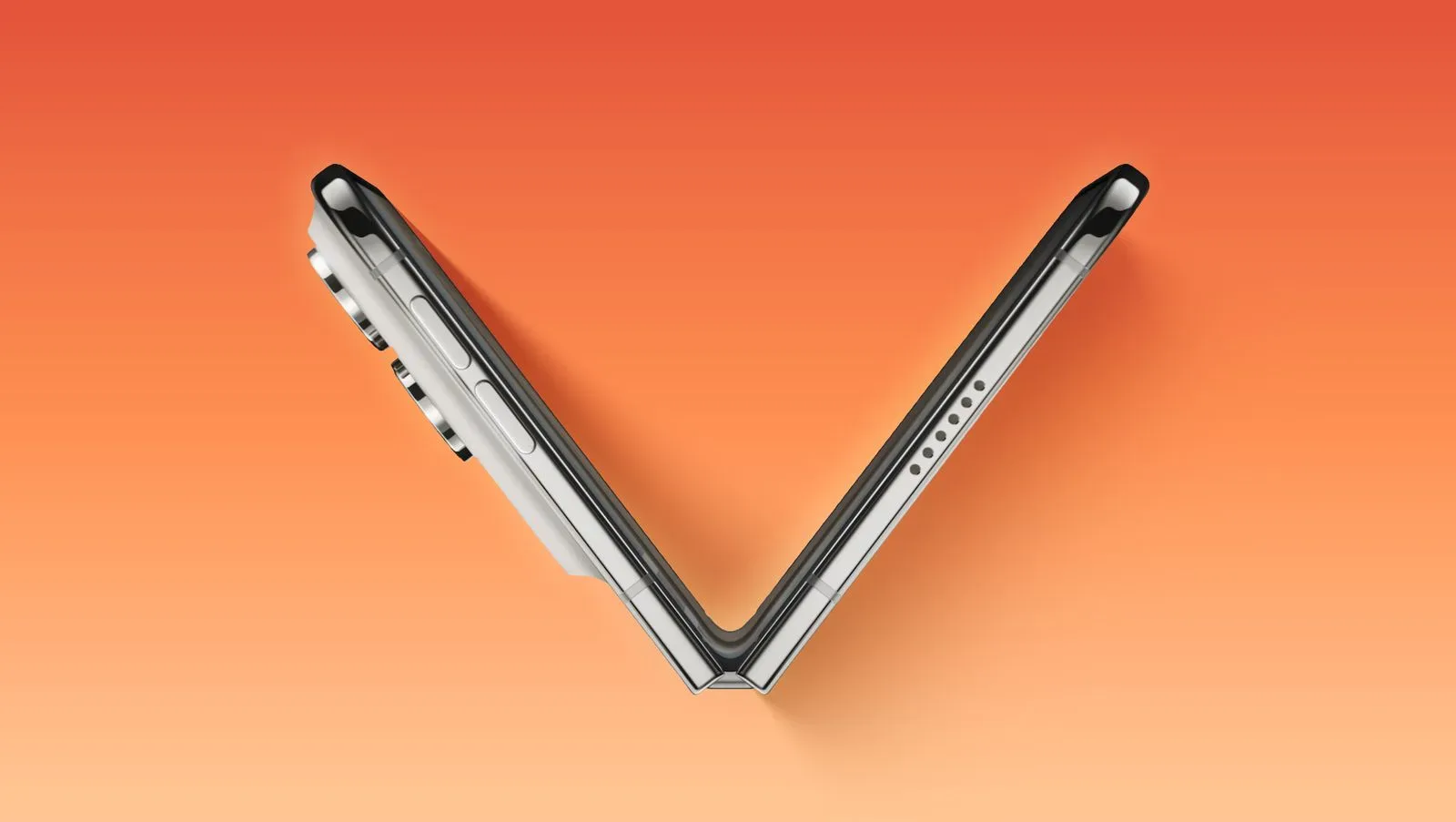
The iPhone Duo uses the same A20 Pro chip and custom vapor-chamber approach as the iPhone 18 Pro, but its vapor chamber is thinner. It also has a flexible graphite pipe in the hinge to transfer heat between the two halves, increasing the available area for dissipation.
A vapor chamber is a component designed to redistribute heat. In practical terms, it helps take a concentrated hot spot near a processor and spread that energy across more of the chassis. A graphite pipe serves a related purpose here, helping heat travel across the hinge between the Duo’s two sections. Neither component prevents the device surface from feeling warm; in fact, spreading heat can make warmth more noticeable across a wider area while protecting the chip from an even hotter localized condition.
That is why Apple’s explanation and the reports of uncomfortable warmth are not mutually exclusive. The thermal system may be doing what it was designed to do—moving energy away from the A20 Pro—while a user still finds the resulting surface temperature distracting or unpleasant.
For a device intended to be held in different orientations, comfort carries unusual weight. A traditional slab phone may be set down during an intensive task. A foldable’s expanded display invites longer handheld sessions: gaming, watching video, capturing photos, editing, or using two screens at once. If the warmest region coincides with where a hand naturally rests, even a technically effective heat-spreading design can affect the experience.
Why the open-and-closed state could matter
One 20-minute stress comparison found that the iPhone Duo retained heat inside when closed and performed below the iPhone 18 Pro Max. When open, meanwhile, the larger high-resolution display itself represents an additional performance demand. The reviewer’s overall position was that the day-to-day gap was not massively noticeable, but the test underlines a real design tension.
Closed, the two halves may offer less favorable conditions for shedding heat outward. Open, the device has more surface area but can also be asked to light and drive a much larger display. The reports do not establish a universal rule that one state is always hotter than the other. They do show why foldables require more context than ordinary phones: physical configuration can alter both cooling behavior and the work the phone is doing.
Duo Preview is a clear example. When camera use activates both displays, the phone is not merely taking photos; it is also operating a second panel. Add extended camera processing and the device has multiple simultaneous demands. That helps explain why long capture sessions appeared repeatedly among the activities associated with heat.
Gaming is the clearest stress case so far
The gaming data is the most consequential part of the early picture for Joking Joystick readers. Sustained play is where thermal limits are most likely to become visible, because graphics hardware must keep rendering without much downtime. If temperature rises too far, phones can reduce speed to control heat. This protective response is commonly called thermal throttling.
Thermal throttling does not necessarily mean a game becomes unplayable. It can appear as a lower or less stable frame rate, a dip in brightness, or a less responsive feel during a long session. In the reported 30-minute comparison, the Duo’s lower frame rate and brightness reduction are the practical signs to watch. The benchmark does not identify a specific game or prove every title will react in the same way, but it shows the phone may have less sustained headroom than the iPhone 18 Pro models under at least one extended load.
The brightness result matters as much as it may sound like a minor specification detail. Nits measure display luminance. A decline from 300 nits to 185 nits can make the screen less comfortable to view, especially in a bright room or outdoors. On a large foldable panel, where visual immersion is a central appeal, that is a tangible compromise rather than a purely technical number.
Another benchmark-based evaluation reached a more mixed conclusion. It found heat distribution across the phone’s body to be even, although the iPhone Duo was a few degrees hotter than the Galaxy Z Fold8 used for comparison. The Duo achieved 75.9 percent stability in a 3DMark stress test, against 79 percent for the iPhone 18 Pro Max and 72 percent for the Z Fold8.
A stability score in a graphics stress test is a measure of how consistently a device performs through repeated demanding runs. It is not a direct temperature reading, and it does not declare one handset universally better. In this case, the number suggests the iPhone Duo held performance somewhat less consistently than the iPhone 18 Pro Max, while exceeding the compared Z Fold8. That context is important: the Duo’s thermal behavior may be a concern in particular long-duration scenarios without amounting to a categorical collapse in sustained performance.
Other reviewers reported no heat problem that led to lag or slowdown, crediting the vapor chamber when applications used all processor and graphics cores. Another said the Duo ran a little hotter than the iPhone 18 Pro but without performance being affected. Together with the tougher results, those findings suggest conditions—app behavior, display state, workload duration, surrounding environment, and whether the device is open—may matter greatly.
For players considering a foldable as an all-in-one gaming machine, that makes careful real-world scrutiny more valuable than a single benchmark. The current reports support a cautious expectation: short and moderate sessions may differ substantially from half-hour sustained loads, and games that tax graphics hardware continuously deserve special attention. The broader mobile-gaming hardware conversation also runs alongside developments in gaming-adjacent audio, such as Bose’s acquisition of Skullcandy, but the phone’s own thermal ceiling remains fundamental to the experience.
How to read the conflicting verdicts
The disagreement between early impressions should not be dismissed as reviewers simply seeing different phones. “Warm” is subjective, while test methods are not identical. A person taking a few pictures, another running a long camera session with both displays on, and another conducting a 30-minute gaming test are evaluating distinct conditions. Their conclusions can differ honestly because the workloads differ.
There is also a separation between surface feel and performance outcome. A phone can feel hot but still maintain speed, which seems to be the more favorable account from some of the reports. Conversely, a device may initially feel merely warm but eventually dim its display or slow down after continued stress. Buyers should care about both: comfort determines whether it is pleasant to hold, while sustained output determines whether its large display delivers what gamers and creators expect.
It is too early to turn these results into a blanket statement about everyday ownership. The iPhone Duo launches Friday, and broader use will reveal how commonly its demanding thermal scenarios arise outside controlled review sessions. What is established so far is narrower but useful: the Duo’s folding thermal system is capable of spreading heat, yet it is not immune to the pressures of extended dual-screen camera work, heavy third-party apps, and sustained gaming.
What prospective owners should watch after launch
- Long gaming sessions: Look for frame-rate consistency after 20 to 30 minutes, rather than judging performance from a quick launch or tutorial.
- Brightness under load: A display that dims during demanding games may affect usability even if the game continues running.
- Camera use with both panels active: Duo Preview appears to be one of the workloads most likely to intensify heat.
- Closed versus unfolded use: The early stress report raises the possibility that configuration affects how heat is retained or dissipated.
- Third-party app behavior: Video and Google apps were specifically associated with heat in one account, so software choice may be part of the equation.
- Comfort at the right side of the open device: One review located the warmth there during processor-heavy work, which may matter depending on grip and orientation.
The iPhone Duo does not emerge from these reports as a device with one simple thermal identity. It appears to be a powerful foldable whose cooling hardware can distribute heat effectively in some tests, but whose expanded display and folding design create difficult sustained-load scenarios. For casual users, the difference may remain modest. For heavy mobile players, frequent camera users, and anyone planning to lean on the device’s dual-screen features, early evidence makes heat, brightness behavior, and long-session performance key factors to monitor.