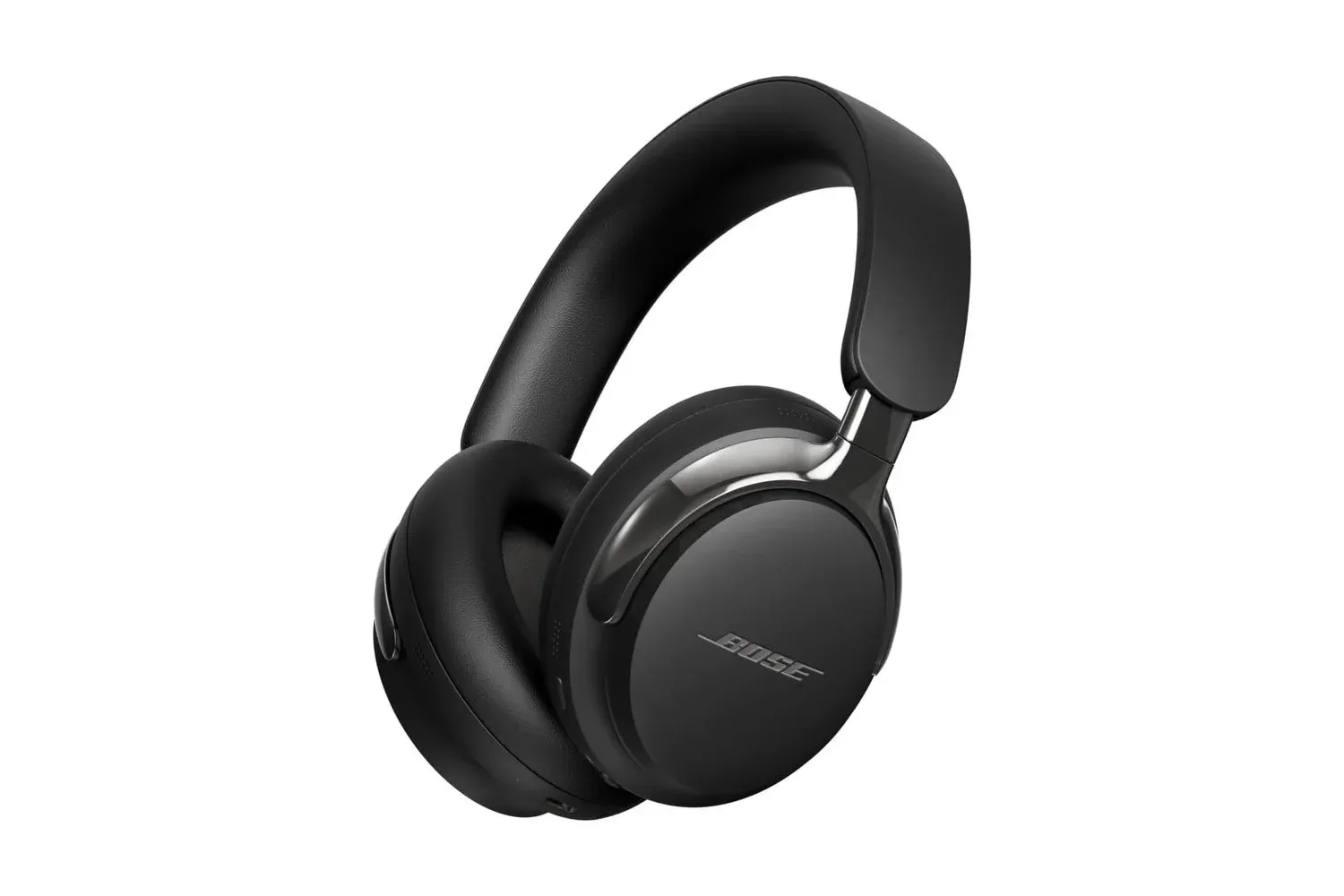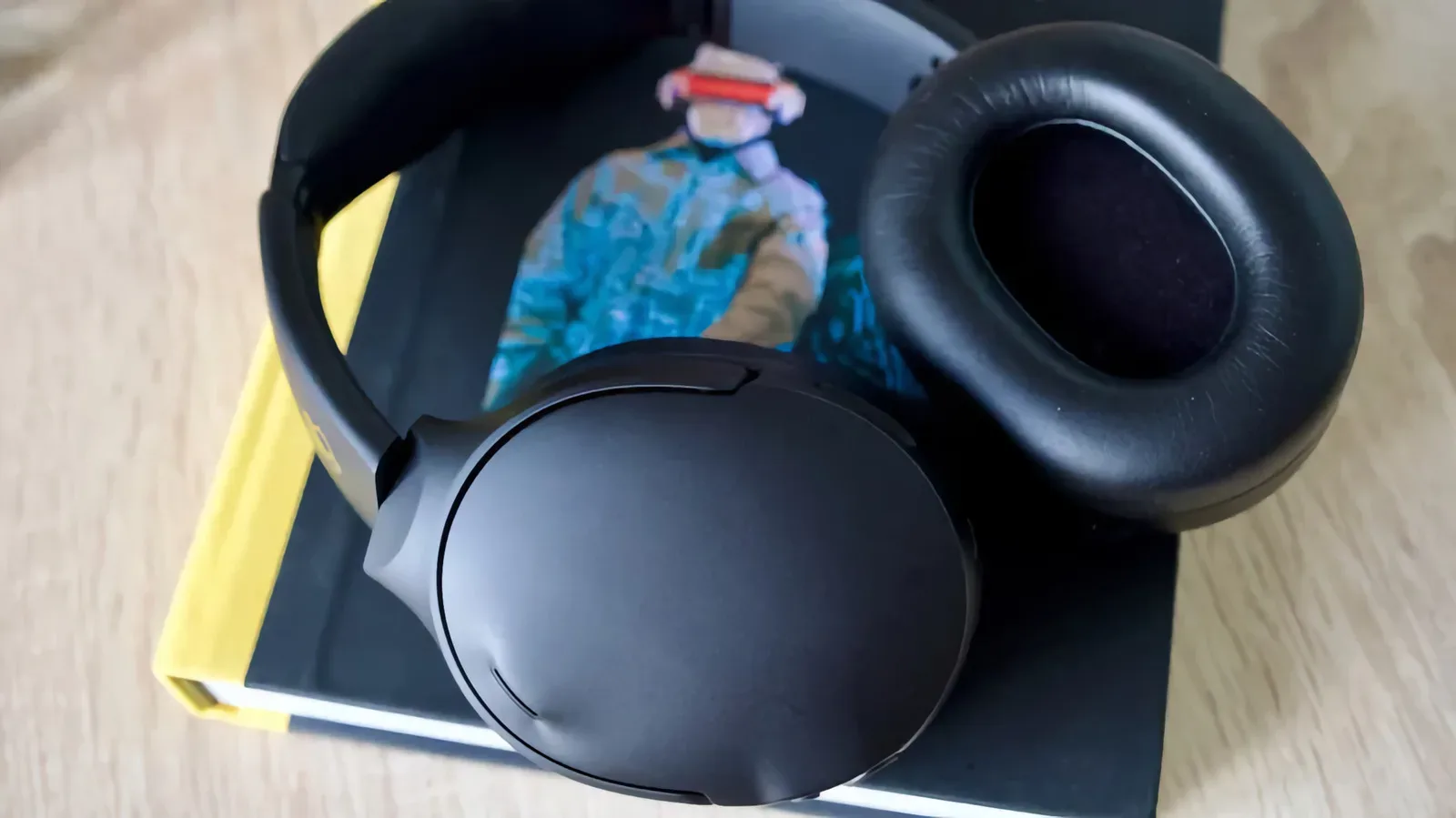
Bose has acquired Skullcandy, bringing the headphone and speaker maker into Bose’s consumer audio business while keeping Skullcandy operating as a separate brand. The purchase price was not disclosed.
The arrangement is notable for gaming audiences not because Bose has announced a new headset, platform partnership or product roadmap, but because Skullcandy is one of the brands Bose identifies as having meaningful reach across gaming, sports, music and fitness. Bose’s stated goal is to connect with consumers in areas where it has had less of a presence. Skullcandy offers an established way into those communities without requiring Bose to fold the brand into its own identity.
Skullcandy will continue to operate from Park City, Utah, where it was founded. Bose says the brand will gain greater access to its technology and resources, intended to support Skullcandy’s continuing growth and product development.
A separate brand, rather than a Bose rebrand
The most concrete detail for existing Skullcandy customers is structural: Skullcandy is joining Bose’s consumer audio business, but it is not being presented as a discontinued label or a line of products that will simply be renamed Bose. Continuing as a separate brand matters because an audio purchase is rarely just about a specification sheet. Brand identity, styling, marketing, community connections and the kinds of products a company chooses to make all shape who feels a product is meant for them.
Bose has framed the acquisition as an expansion of how it reaches listeners, through its own products, technology partnerships and a broader portfolio of brands. In practical terms, that suggests Bose sees value in retaining Skullcandy’s distinct position rather than attempting to make every buyer fit the same premium-audio image.
“For more than 60 years, Bose has been committed to delivering incredible audio experiences however and wherever people choose to listen,” Bose CEO Lila Snyder said, describing the company’s plan to reach more people through Bose products, technology partnerships and a growing portfolio of brands.
That is a strategy statement, not a promise of particular hardware features. No new Skullcandy products, release dates, prices or changes to current support were detailed alongside the acquisition. Buyers should therefore avoid reading the deal itself as confirmation that a future Skullcandy headset will inherit a specific Bose feature, or that current models will change.
The relationship did not begin with the acquisition
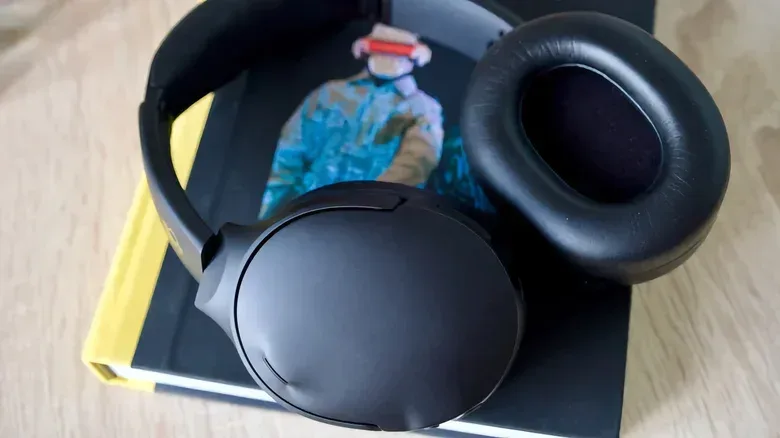
The companies already had a collaborative history. Skullcandy has released multiple products carrying the “Sound by Bose” designation, including the Skullcandy Crusher 1080 headphones. That history gives the acquisition more context than a deal between two companies with no prior product connection.
Related coverage includes Bose Acquires Skullcandy, Keeping the Brand Based in Park City.
“Sound by Bose” is a branding and technology-partnership marker in this context. It indicates that Bose technology has been part of the product proposition; it does not mean every Skullcandy product is a Bose product, nor does it establish a universal feature list for all future Skullcandy gear. The important point is that Bose and Skullcandy had already found a way to combine one company’s audio credentials with the other’s consumer-facing identity.
For Bose, the purchase converts a partnership into ownership while maintaining two recognizable names in consumer audio. For Skullcandy, it creates access to a larger company’s technical resources while preserving operations in Park City. Whether that results in more collaborations, broader use of Bose technology or entirely new product categories has not been specified.
Why gaming is part of the equation
Gaming is explicitly among the audience areas Bose says Skullcandy can help it reach. That does not automatically make Skullcandy a dedicated gaming-headset brand, and the acquisition announcement does not describe console compatibility, PC connectivity, microphones, spatial-audio support or esports plans. Still, audio is a major part of how players experience games, whether they are using headphones for competitive awareness, speakers for a living-room setup, or portable listening gear away from a console or PC.
The deal is better understood as audience expansion than a confirmed gaming-hardware pivot. Bose is acquiring a lifestyle-oriented brand with inroads into communities where music, fitness, sports and gaming can overlap. A player may care about game audio, but may also use the same headphones for commuting, training or music. Skullcandy’s appeal to that wider mix of use cases is central to Bose’s reasoning.
That distinction is useful because acquisition news can invite overconfident predictions. There is no basis here to claim Bose will launch a Skullcandy gaming line, bundle headphones with a game, sponsor a specific esports scene or alter support for existing customers. The stated facts point to a broader commercial strategy: reach new groups of consumers through a brand that already has a different kind of cultural and lifestyle positioning.
What Bose brings: technology and resources
Bose is particularly associated with premium audio and active noise cancellation. Active noise cancellation, often shortened to ANC, is a headphone technology designed to reduce outside sound by using microphones and audio processing to counter unwanted noise. It is distinct from passive isolation, which is the physical reduction of sound achieved by the fit and materials of earcups or ear tips.
The acquisition announcement says Skullcandy will have increased access to Bose technology and resources, but it does not say ANC will appear in a particular Skullcandy product or explain which technical components may be shared. That uncertainty is important. “Access” can cover many aspects of a business, from engineering knowledge to product-development capacity, and the announcement does not break down how it will be applied.
Even so, the prior “Sound by Bose” releases show there is already a framework for joint product work. For consumers, the meaningful future question is not whether the companies can collaborate—they already have—but how clearly they explain what a particular product actually offers. Brand ownership is less useful than clear information about fit, controls, sound features, platform compatibility, battery expectations and the specific technologies included in a model.
What current and prospective buyers should take from the news
For now, the acquisition changes ownership, not the published specifications of every Skullcandy product. Anyone shopping for headphones or speakers should judge the specific model in front of them rather than buying on the assumption that an ownership change guarantees future upgrades or feature support.
- Existing Skullcandy owners: The brand is set to continue operating from Park City as a separate brand. No changes to existing products, software support, warranties or customer service terms were announced.
- Prospective buyers: A “Sound by Bose” label is relevant to the individual product carrying it, not proof that the whole Skullcandy range uses the same Bose technology.
- Gaming-focused shoppers: Bose’s interest in Skullcandy’s gaming reach is a business rationale, not confirmation of gaming-specific features. Check the exact device’s compatibility and functions before treating it as a gaming solution.
- People watching future releases: The clearest development to monitor is whether Bose and Skullcandy turn their existing collaboration into more products while keeping Skullcandy’s separate identity intact.
The wider industry context is one of companies seeking both technology and a way to speak to different audiences. That same tension—between expanding a portfolio and preserving the identity of the products inside it—also appears in other business moves, including EA’s refocusing of its Sims teams around Project Evergreen. In each case, corporate structure can set direction, but product details remain what customers ultimately use to judge the outcome.
For Bose and Skullcandy, the immediate message is straightforward: Bose gains a brand with established lifestyle and gaming-adjacent connections, while Skullcandy retains its name, Park City operations and access to additional resources. The next substantive test will be product-specific. Until Bose or Skullcandy details what comes next, the deal signals an intent to broaden reach rather than a defined new audio feature set.