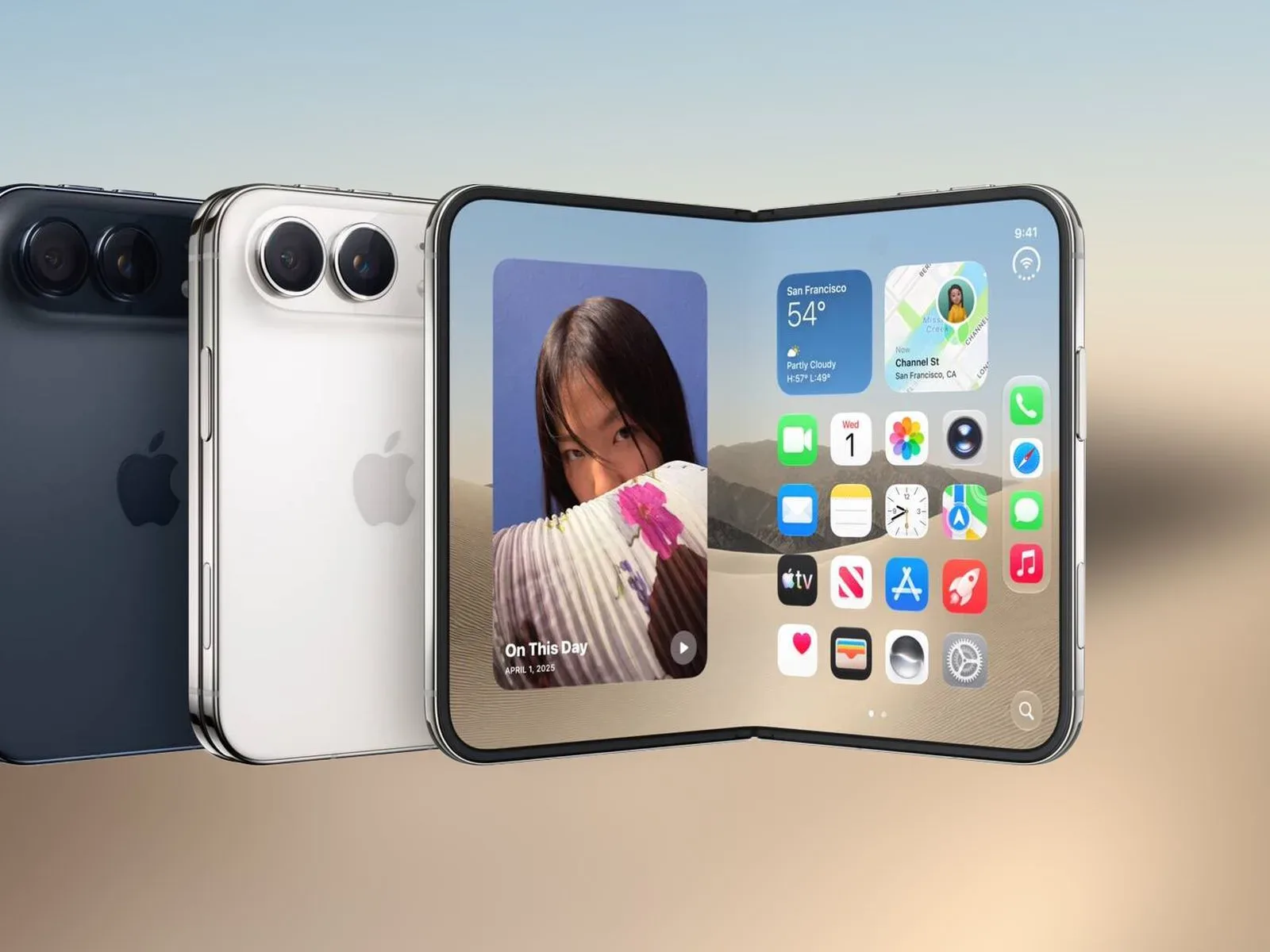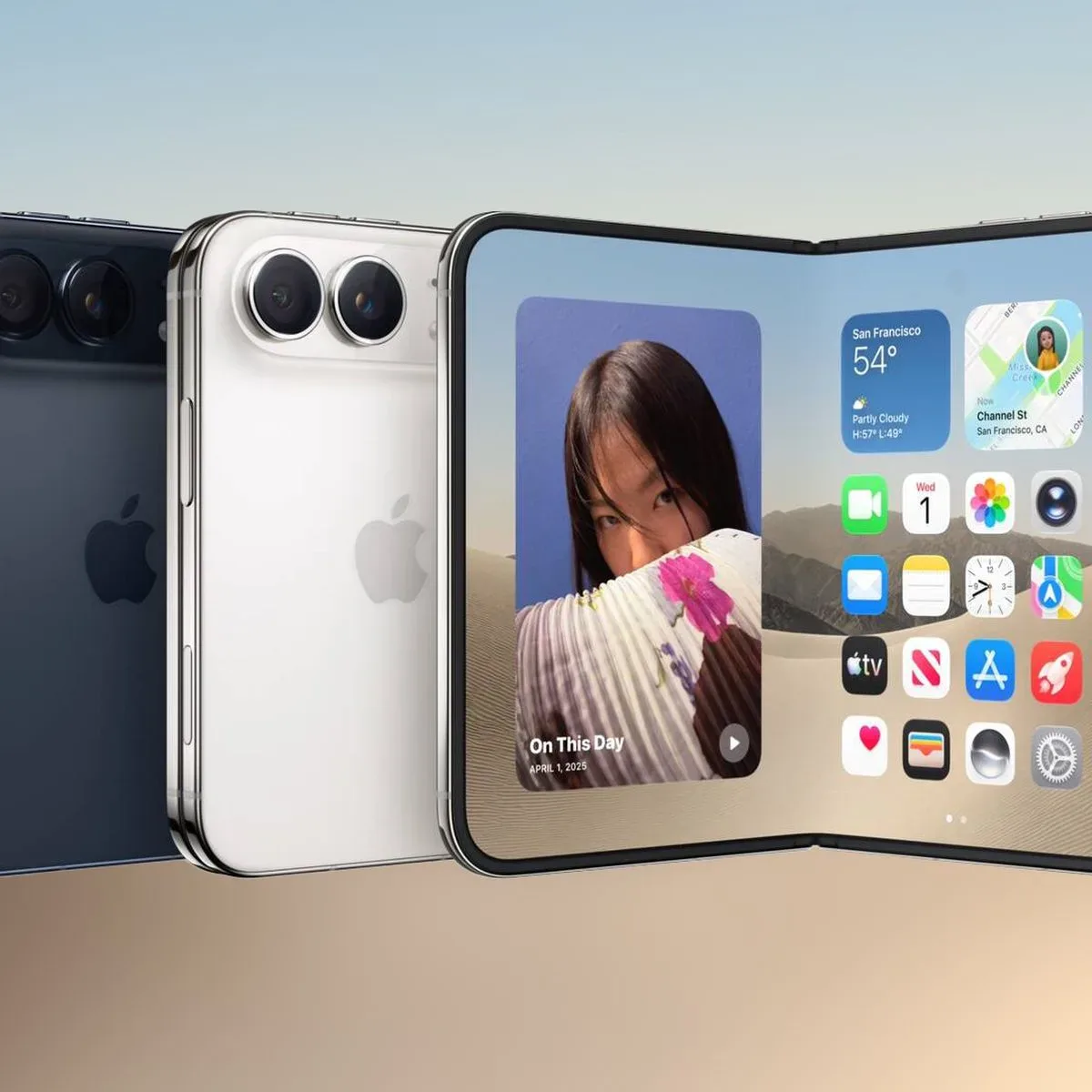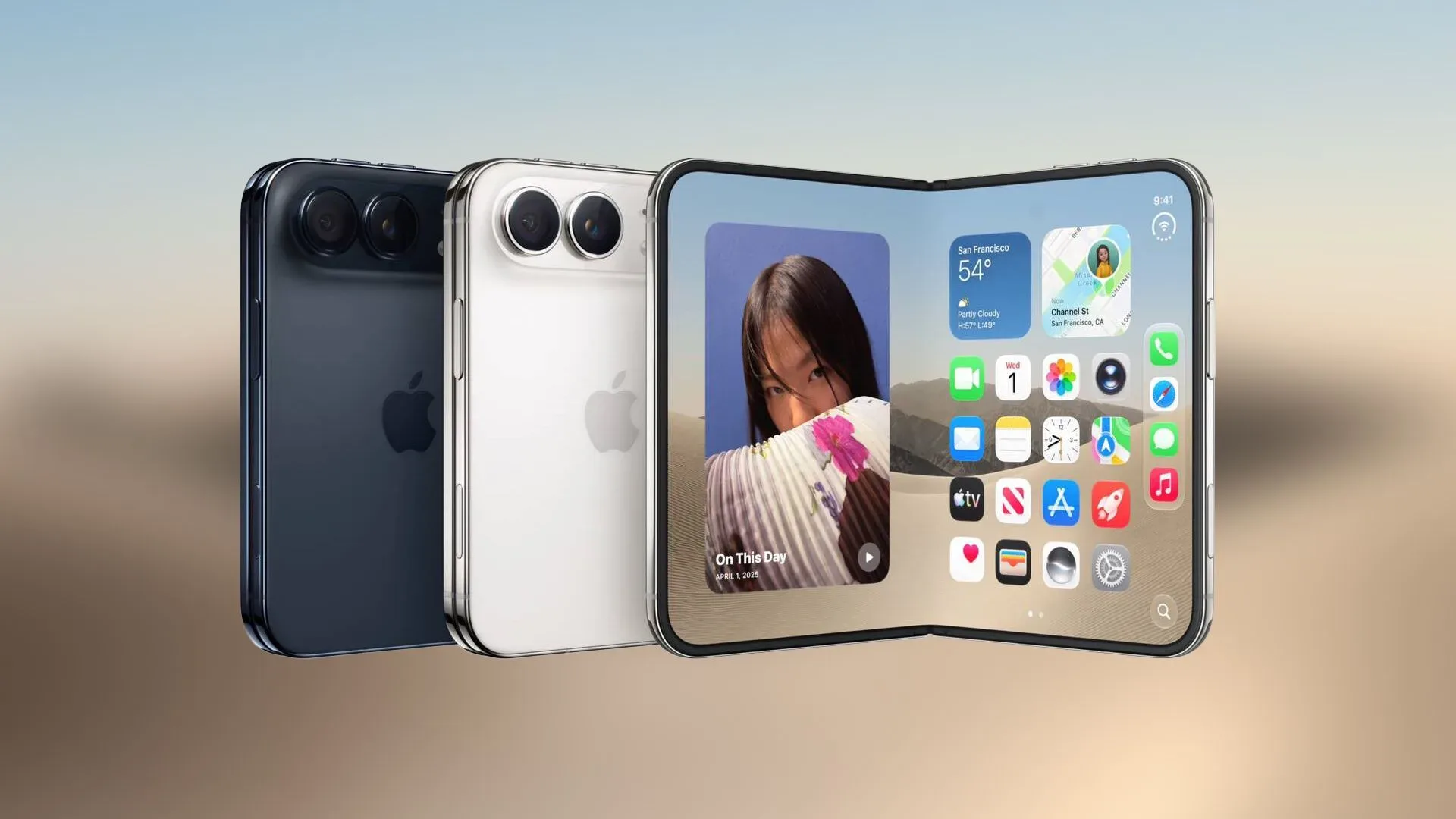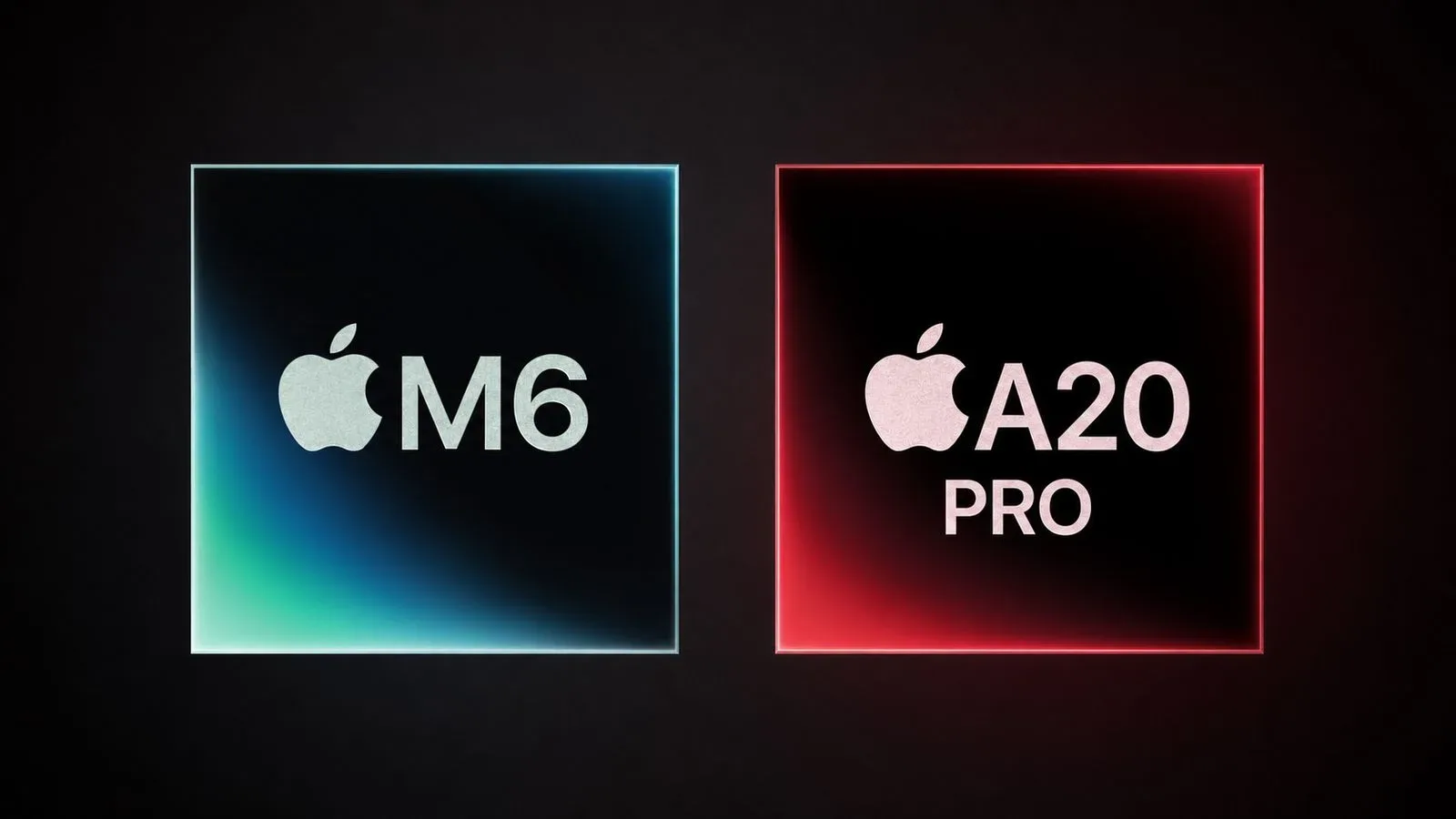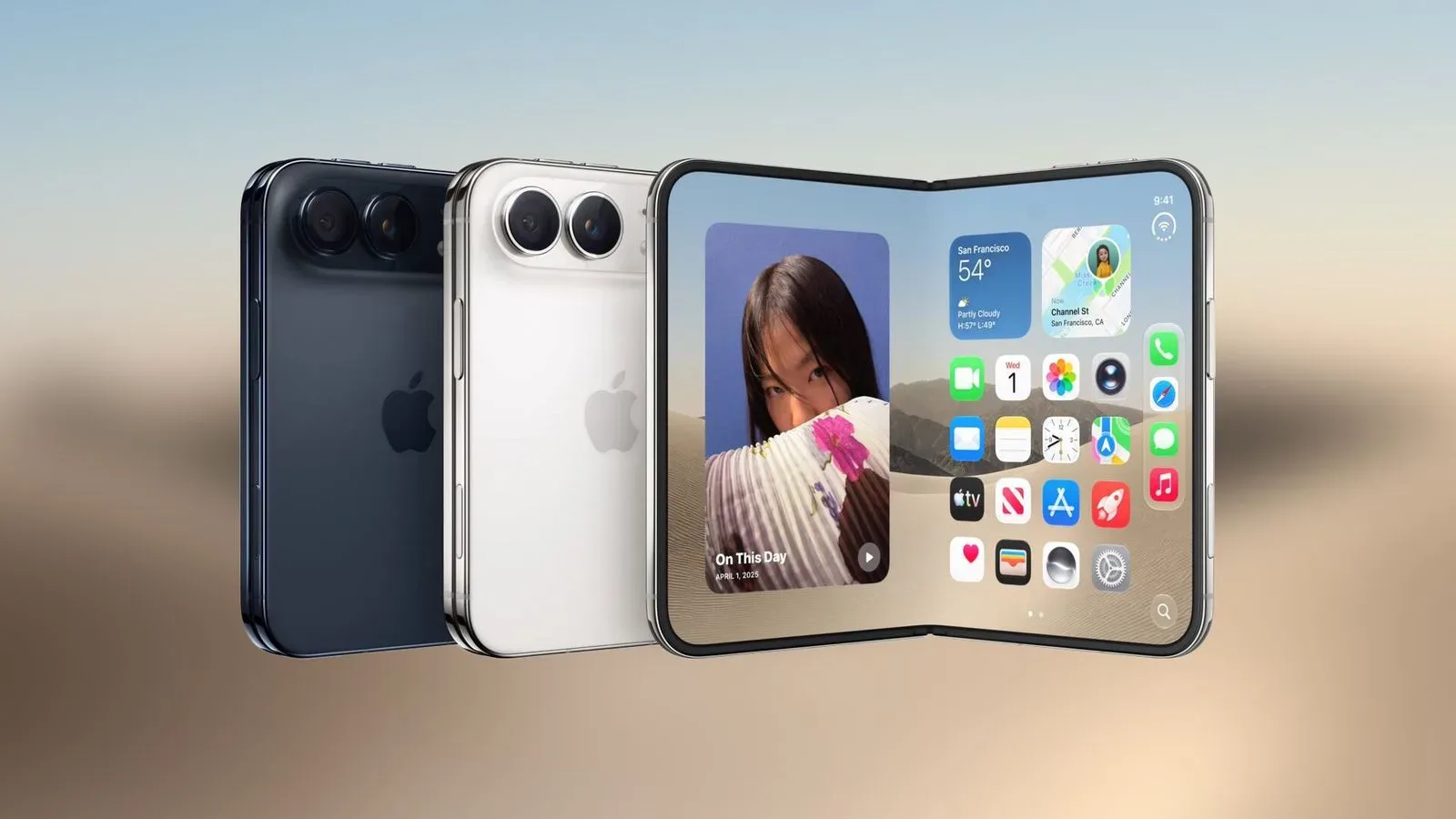
An early benchmark entry for Apple’s iPhone Duo points to performance in the same neighborhood as the iPhone 18 Pro family—a result that makes sense given the reported shared A20 Pro chip, but one that should not be mistaken for a complete verdict on the phone’s speed.
The entry identifies the device as iPhone19,4, running iOS 27.1. It records a single-core score of 3,986 and a multi-core score of 11,067. Those figures sit in line with multiple results associated with the iPhone 18 Pro and iPhone 18 Pro Max, which are also said to use Apple’s 2nm A20 Pro.
There is a suitably unglamorous explanation for the apparent parity: the iPhone Duo and iPhone 18 Pro models reportedly share the same fundamental silicon configuration. The A20 Pro is listed with a six-core CPU and a seven-core GPU. The benchmark also identifies a 4.93GHz CPU base frequency and 11.30GB of available memory, the latter corresponding to 12GB of RAM.
That is encouraging early evidence for anyone concerned that a two-screen iPhone might need to compromise on its top-end processor. It is not, however, evidence that the Duo will match the iPhone 18 Pro in every game, workload, or long session. The benchmark measures CPU results rather than GPU speed, and a single database result cannot reveal the whole hardware story.
What the numbers do—and do not—say
A benchmark score is best understood as a controlled snapshot. It runs a prescribed workload, records a result, and makes comparison easier between devices tested under the same framework. It is useful for identifying the processor class inside a new phone and establishing a rough performance tier. It is much less useful as a promise of how every app will feel day to day.
Single-core performance concerns work handled by one CPU core. Many ordinary phone tasks can benefit from strong single-core performance because they are not perfectly divisible across every core at once. Multi-core performance reflects workloads that can spread across several CPU cores. Neither figure, by itself, establishes graphics performance, display behavior, battery life, heat output, or whether a demanding game can maintain its best settings over time.
The reported 3,986 single-core and 11,067 multi-core results are particularly notable because they broadly resemble the results already seen from the iPhone 18 Pro line. Still, the Duo’s result falls short of the very highest iPhone 18 Pro entries. That gap should be treated cautiously. Results naturally vary between runs, and this is only one iPhone Duo score rather than a broad sample across retail hardware, operating-system versions, temperatures, and battery states.
The early entry is a promising indication of shared A20 Pro-class CPU performance, not a final league table for a new form factor.
Why the same chip may not mean identical behavior
Two products can carry the same processor and still deliver different real-world results. The important term here is thermal management: the way a device moves or dissipates heat generated during demanding work. Modern mobile chips can operate at high speeds for short bursts, but prolonged CPU or GPU pressure creates heat. If temperatures rise beyond a device’s intended operating range, the system may reduce performance to manage that heat. This is commonly called thermal throttling.
The iPhone Duo’s design introduces practical variables that a conventional single-screen phone does not necessarily share. Its two displays may change power demands and the conditions in which software runs. Physical layout, internal space, display usage, and other design choices could all affect sustained behavior. None of that means the iPhone Duo will perform worse than an iPhone 18 Pro; it simply means a CPU comparison cannot answer the question alone.
For games, this distinction matters. A short CPU benchmark can tell us that a phone has a fast processor, but it cannot show whether a graphically intensive title holds its frame rate after an extended play session. It cannot identify which graphical settings are available, how the second display is used, or whether game developers choose to optimize interfaces for the device’s format.
Those questions require GPU testing and real software analysis, neither of which is provided by this initial result. The benchmark specifically does not include a GPU score, so there is no independent result here for validating Apple’s graphics-performance claims on the iPhone Duo itself.
Apple’s A20 Pro claims remain broader than this test
Apple says the A20 Pro can provide up to 20% faster CPU performance than the A19 Pro, alongside up to 40% faster GPU performance. The early iPhone Duo result helps establish that the device is using the expected A20 Pro configuration, but it does not independently verify either percentage.
That difference is more than a technicality. “Up to” claims describe a maximum result under particular conditions rather than a guaranteed improvement in every task. Meanwhile, this benchmark offers CPU scores only. It cannot substantiate the stated GPU gain, which is the portion most directly relevant to rendering complex game scenes, visual effects, and high-resolution graphics.
It is also worth separating the roles of the listed components:
- CPU: Handles broad system logic and general computation, including many app and game processes.
- GPU: Focuses on drawing graphics and accelerating visually demanding workloads.
- RAM: Temporary working memory used by active apps and system processes. The entry’s 11.30GB reading indicates a device with 12GB of installed RAM, rather than a phone literally limited to 11.30GB.
- 2nm process: A manufacturing-process label associated here with the A20 Pro. The benchmark confirms the chip is reported as that model; it does not, by itself, explain every speed or efficiency outcome.
The 12GB RAM figure is relevant context, although it should not be read as a standalone performance score. Memory capacity can help a device keep more active data readily available, but actual app behavior depends on the operating system and software demands. It does not automatically mean every app or game runs faster than it would with less memory.
What prospective buyers can reasonably take away
The most defensible reading is straightforward: the iPhone Duo is not showing an obvious CPU downgrade relative to Apple’s iPhone 18 Pro-class hardware. Its reported score and component details align with the expectation that Apple has put an A20 Pro with a six-core CPU, seven-core GPU, and 12GB of RAM into the device.
That does not settle the purchase decision for people drawn to the Duo’s dual-screen premise. The remaining unknowns are exactly the ones that will define the experience for demanding users: sustained performance under heat, graphics results, software behavior across both screens, and the practical effect of its design during longer sessions.
For a buyer whose priority is a simple processor comparison, the early data offers reassurance. For someone wondering whether the Duo is the better gaming device, it supplies only the beginning of the answer. CPU strength is important, but gaming performance is a combination of graphics hardware, thermal limits, display demands, operating-system behavior, and the individual game.
Apple has set October 16 for iPhone Duo pre-orders, with launch following on October 23. Until broader testing produces repeatable CPU, GPU, and sustained-load results, the sensible position is to regard this benchmark as an early confirmation of the device’s hardware tier—not a full performance review.
Apple’s wider device strategy also extends beyond the phone line; for related platform context, see which Apple home devices are expected to receive Siri AI support.