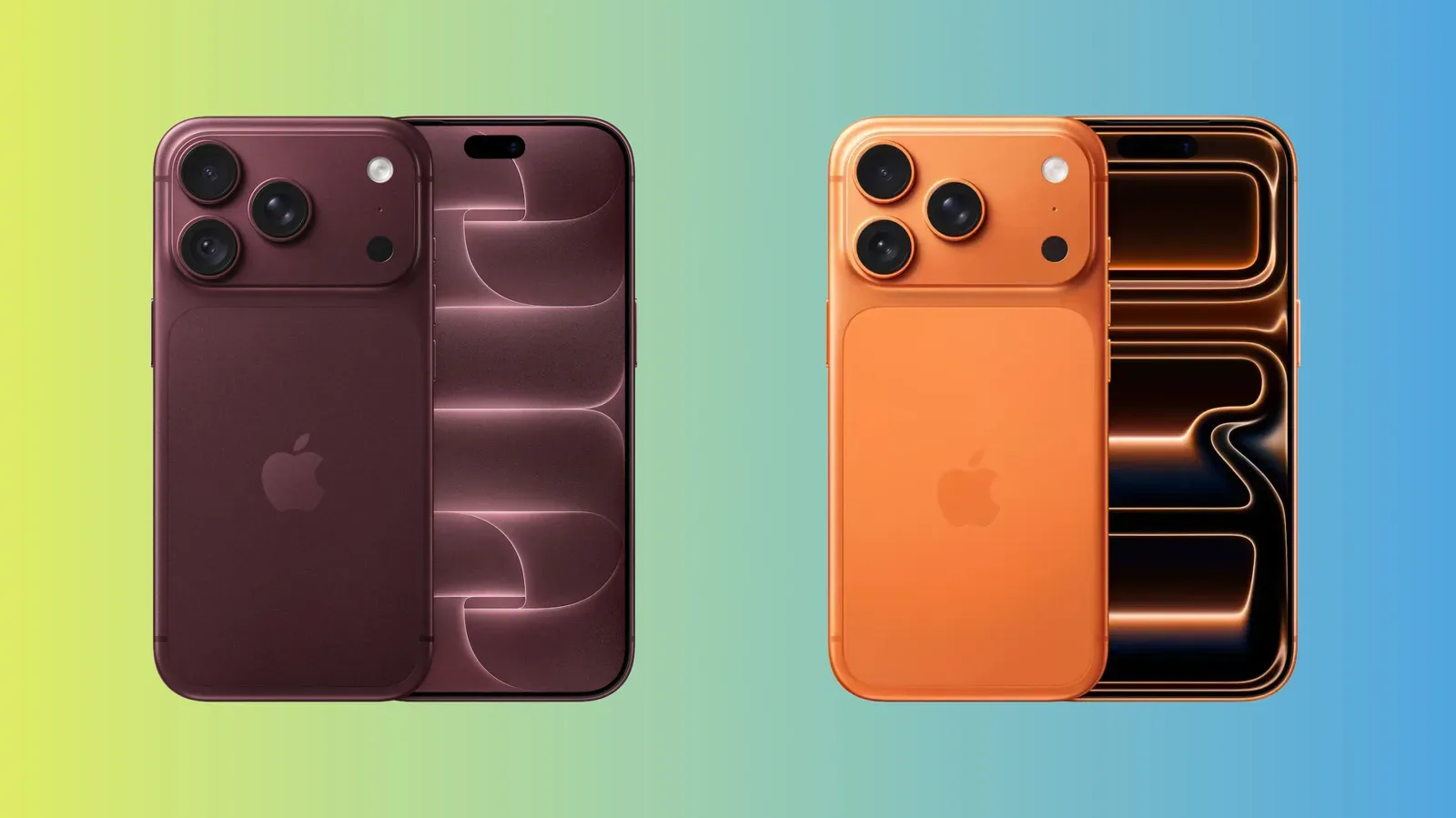
Apple has detailed a redesigned thermal system for the iPhone 18 Pro and iPhone 18 Pro Max, and the headline is unusually direct: the new vapor chamber has three times the surface area of the component used in the iPhone 17 Pro. That may sound like the sort of specification destined for a teardown chart, but it speaks to a very familiar problem for anyone who asks a phone to work hard for an extended stretch. Fast chips can sprint. Keeping them from slowing down once heat builds is the much tougher part.
The company says the new setup combines a larger next-generation vapor chamber, new thermal materials, and redesigned chip packaging to deliver up to a 40% increase in sustained performance compared with the previous generation. Apple calls it the highest sustained performance it has achieved in an iPhone. The important qualifier is sustained: this is a claim about performance maintained over demanding workloads, not merely a short, peak-speed burst.
For mobile gamers, creators, and people who routinely put a compact device through its paces, cooling is the unglamorous co-op partner of processing power. A flagship chip can have all the horsepower in the world, but heat can force performance management after enough time under load. Apple’s stated approach with the iPhone 18 Pro family is to give the A20 Pro chip a clearer, more capable route for shedding that heat.
A vapor chamber that is three times larger
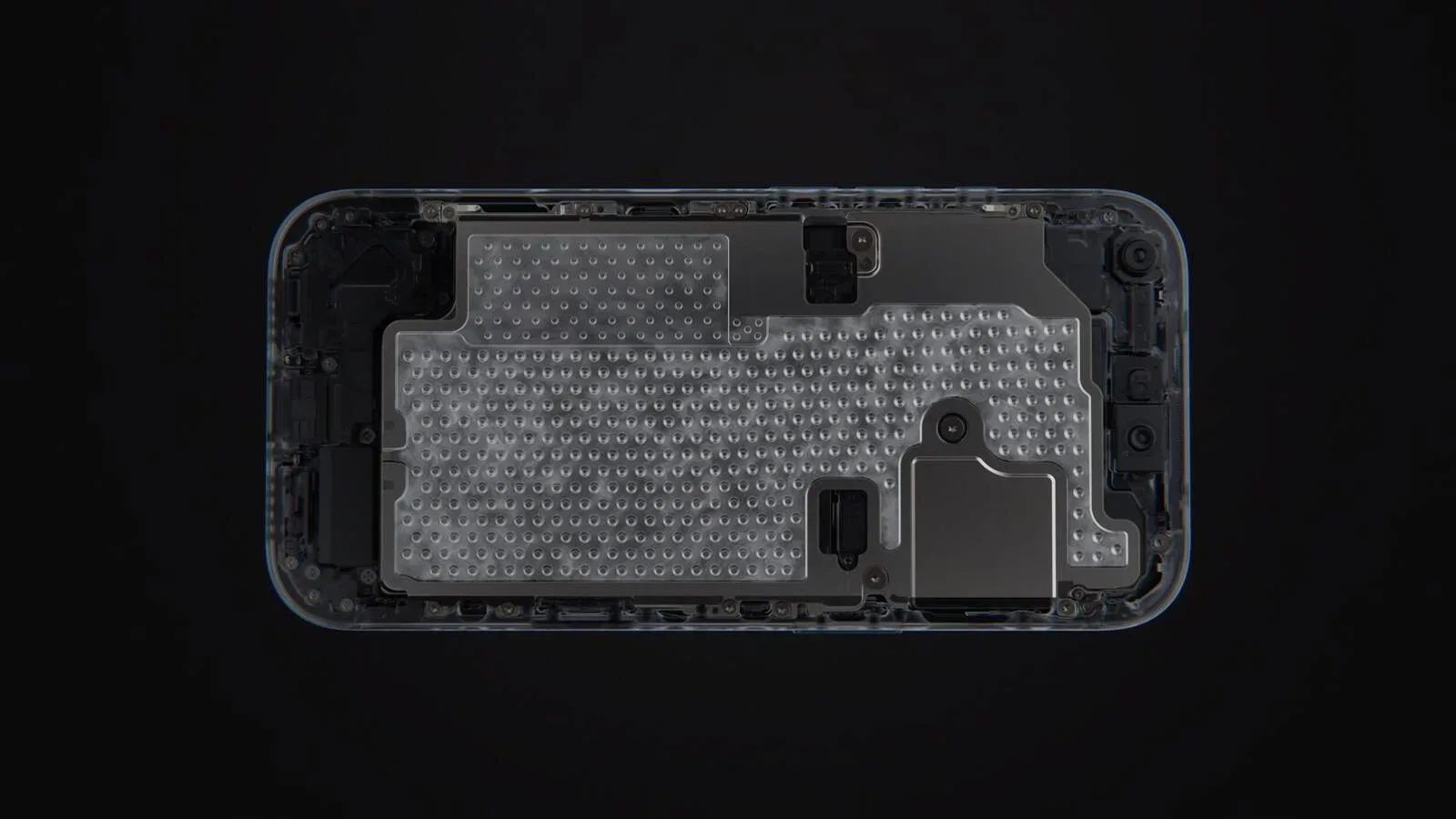
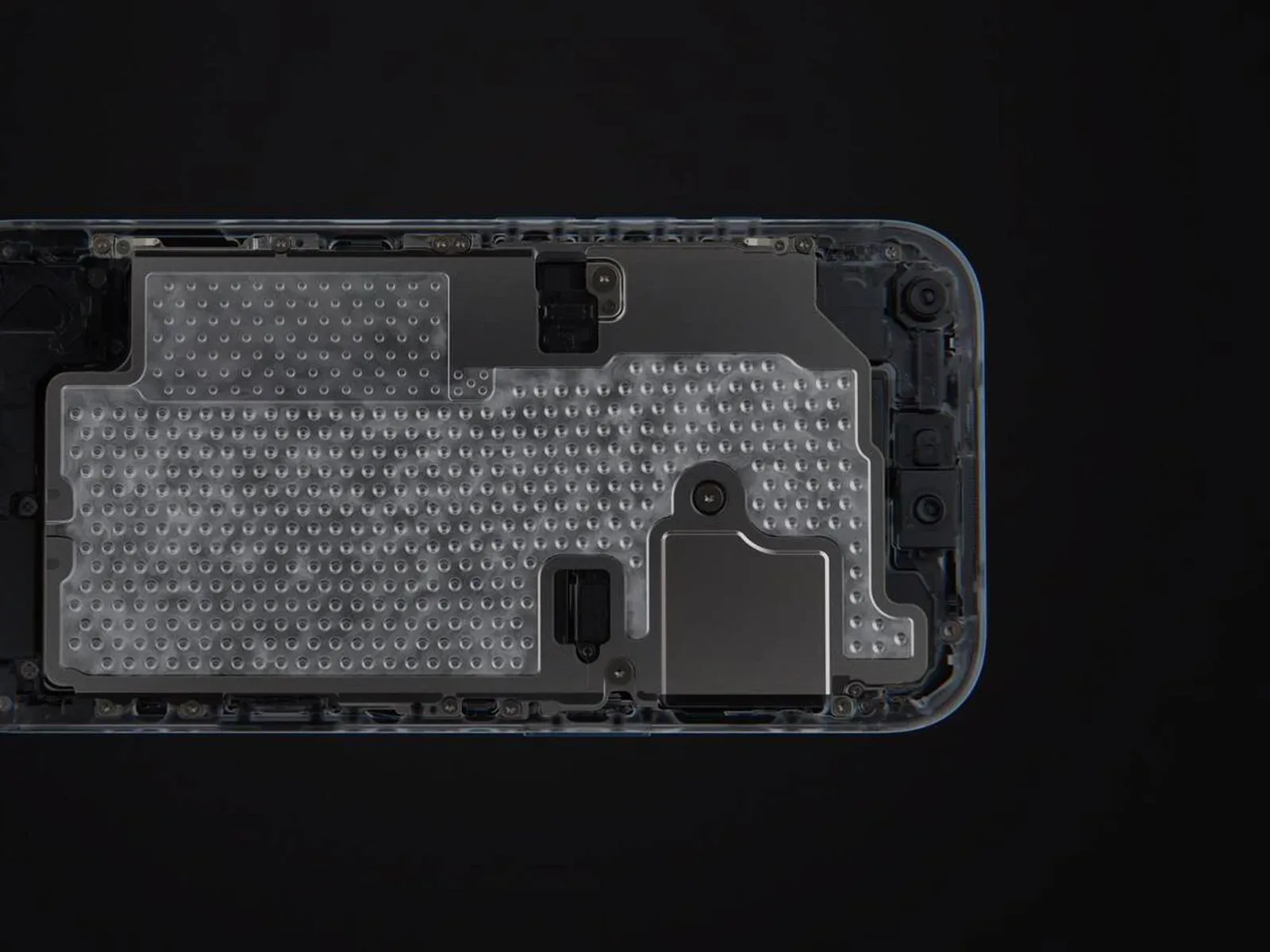
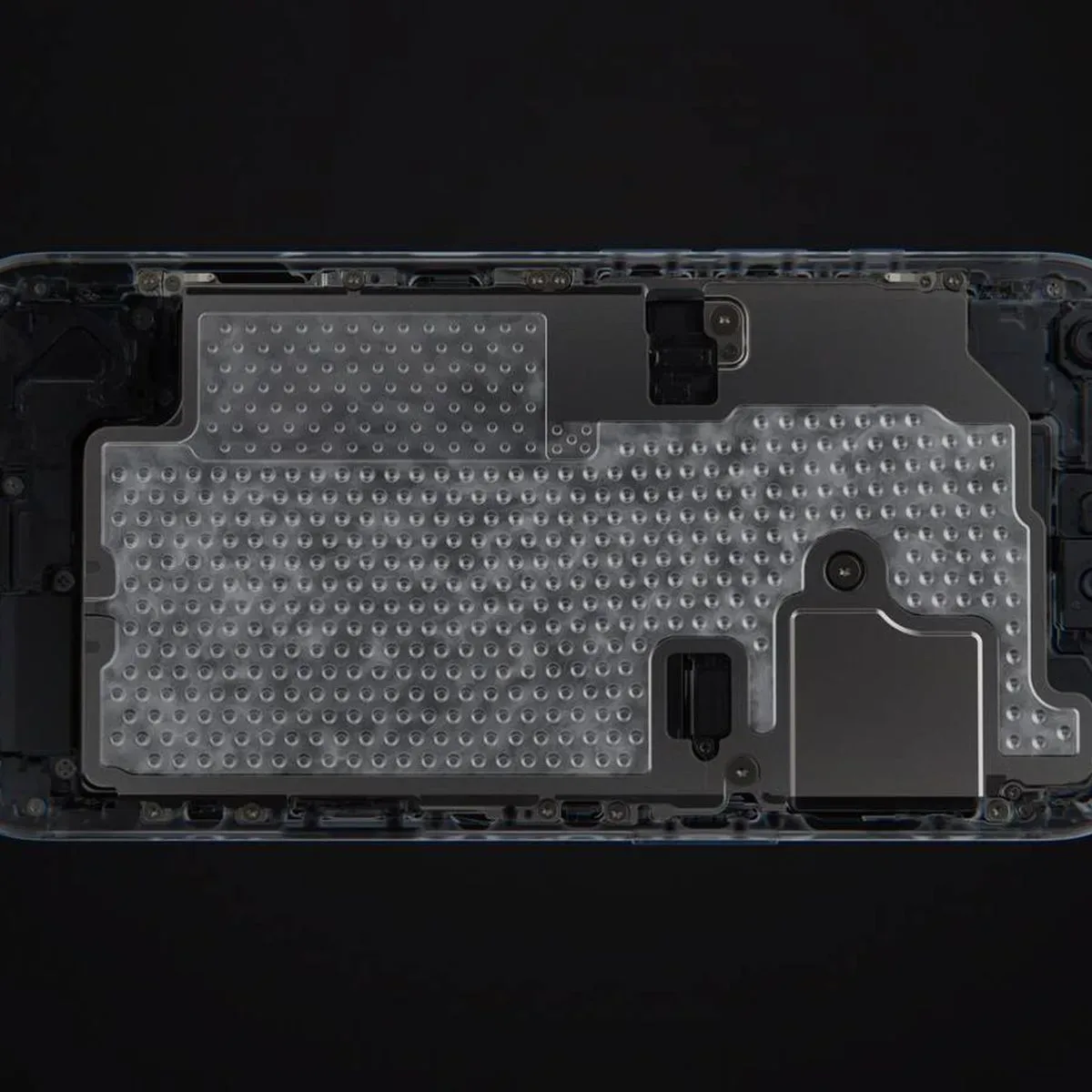
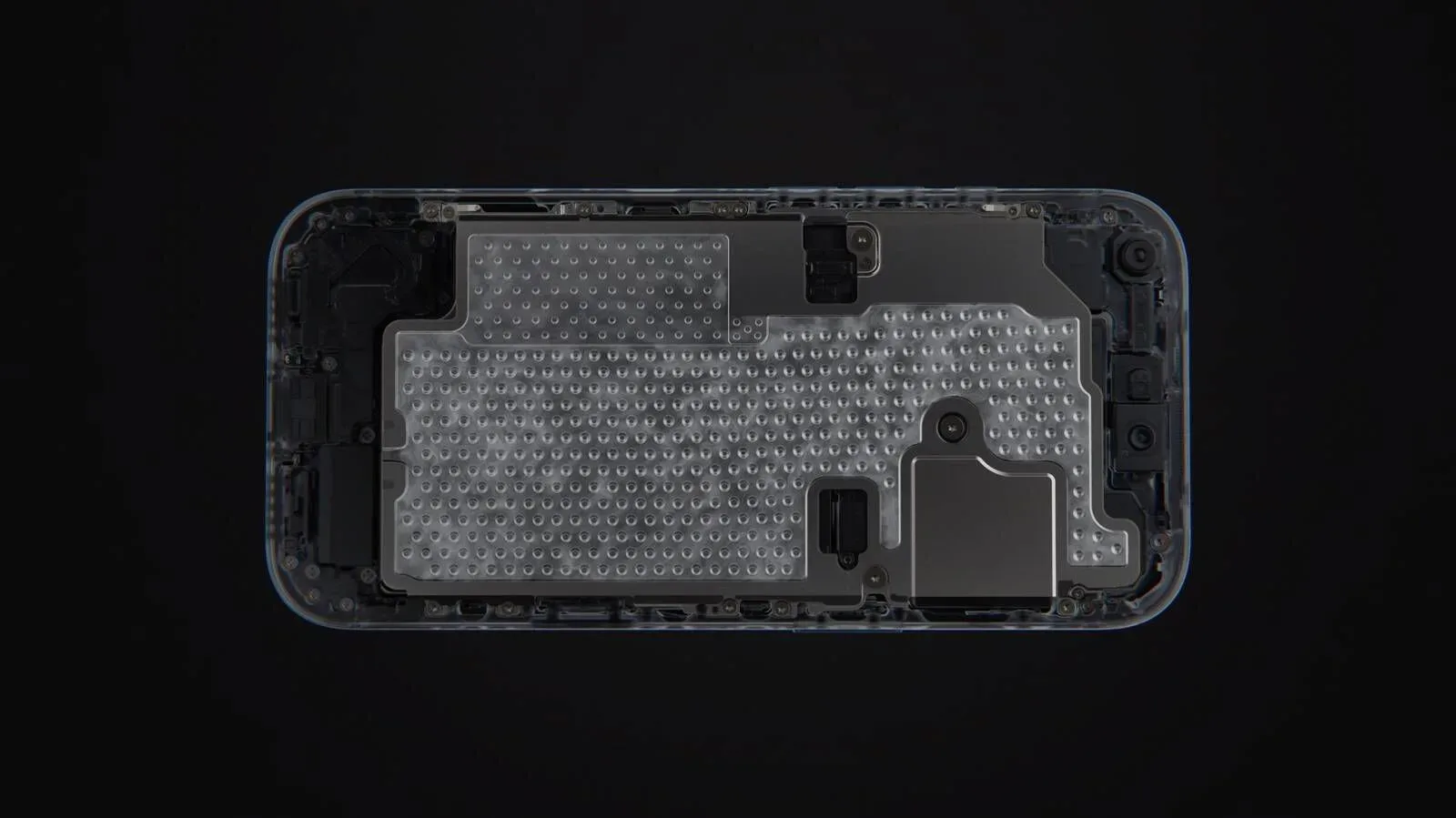
At the center of the revision is the vapor chamber. Apple says its iPhone 18 Pro design has three times the surface area of the vapor chamber in iPhone 17 Pro. The chamber continuously circulates deionized water through the thermal system, moving heat away from the chip and distributing it over a wider area so it can be dissipated more effectively.
It is useful to think of this as heat management rather than a conventional fan-based cooling system. There is no suggestion here that the iPhone 18 Pro models have become tiny wind tunnels. Instead, the chamber uses a contained liquid-and-vapor cycle to transport heat within the phone. More surface area potentially means more room to do that work, particularly when a workload lasts long enough that the device’s internal temperature becomes the limiting factor.
That matters because heavy use tends to arrive in long sessions rather than isolated seconds. Graphically elaborate games, extended camera activity, high-resolution media work, and computational tasks can each place ongoing demands on silicon. In those situations, a phone’s ability to maintain its performance target can matter as much as the initial benchmark result. Apple’s claimed up-to-40% sustained-performance gain is therefore the figure to watch, though it remains the company’s own comparison with the prior generation and will depend on workload and conditions.
The A20 Pro gets a different thermal path
Apple is not presenting the larger chamber as a standalone fix. The iPhone 18 Pro and iPhone 18 Pro Max also change how the A20 Pro’s silicon and memory are arranged. The company describes the design as custom packaging inspired by its M-series chips. Instead of stacking the silicon die and memory, Apple says it places them side by side.
That layout has a straightforward goal. By moving memory out of the chip’s thermal path, the A20 Pro silicon can connect directly to the vapor chamber. Put less politely: Apple is trying to ensure that heat has fewer awkward roommates to navigate before it gets to the part of the phone built to deal with it.
Packaging is one of those technology stories that can appear deeply obscure until its practical consequences are explained. A powerful processor is not operating in a vacuum. Its location, its connection to memory, the materials surrounding it, and the route heat follows into the rest of the device all influence how long it can operate at high levels. Apple’s redesign targets that entire chain rather than treating cooling as a last-minute patch placed on top of the chip.
There is also an interesting continuity in the M-series comparison. Apple’s larger computing platforms have long had more physical room in which to balance performance, energy use, and heat. An iPhone has far stricter size limits, which makes every internal routing decision more consequential. The claim is not that an iPhone suddenly has the cooling space of a laptop; it is that Apple has adopted packaging ideas from that family to improve the thermal connection inside its Pro phones.
Why sustained performance is the relevant gaming number
For games, a sustained-performance emphasis is much more meaningful than a brief peak. A phone can look terrific at the beginning of a match or level, then become constrained once the chassis warms up. That is when a strong thermal design can have an effect on how consistently a device handles a demanding game over time.
Apple has not attached game-specific frame-rate figures, title lists, temperature measurements, or session lengths to this thermal announcement. It has also not said that every game will see an identical improvement. Those details matter, and none should be assumed from the broad 40% figure. Still, the stated target is clear: enable the A20 Pro to maintain higher performance for longer during intensive work.
The potential relevance extends beyond gaming. A prolonged video capture session, computational photo or video processing, and other processor-heavy jobs can all create the kind of continuous load where thermal limits become noticeable. The iPhone 18 Pro’s cooling changes are therefore positioned as a platform-level revision, not a game mode with a flashy name and a mysterious mascot holding an ice pack.
There is a practical reason this kind of update can be more consequential than it initially appears. Mobile-device performance has increasingly become a question of consistency. A chip’s theoretical ceiling helps define what is possible, but stable performance under load defines what users can actually rely on when the phone has been busy for a while. Apple’s claim puts its emphasis squarely on that second question.
What Apple has actually claimed—and what remains to be seen
The confirmed elements are specific. iPhone 18 Pro and iPhone 18 Pro Max have a next-generation vapor chamber. Its surface area is three times that of the iPhone 17 Pro chamber. Deionized water is continuously cycled through the system. The A20 Pro uses a new side-by-side silicon-die-and-memory packaging arrangement, rather than a stacked one, allowing the chip to connect directly to the vapor chamber. Apple also cites new thermal materials as part of the overall design.
Apple’s performance figure is equally specific but should be read carefully: up to 40% more sustained performance over the previous generation. “Up to” indicates a maximum claimed result rather than a promise that every task will improve by exactly 40%. Variables such as the software in use, length of the workload, ambient temperature, charging state, and device configuration can all be relevant to sustained behavior. None of that invalidates the claim; it simply defines the sensible boundaries around it.
What has not been provided here are independent measurements, detailed thermal benchmarks, or comparisons between individual apps and games. Those will be necessary to establish how the hardware behaves across repeatable real-world scenarios. Until then, the notable news is the architectural direction: Apple is increasing the physical cooling surface while also changing the A20 Pro’s packaging so the processor is less insulated from the vapor chamber it relies upon.
A Pro-phone upgrade built around endurance
Smartphone launches often put camera systems, displays, and headline chip generations at center stage. The iPhone 18 Pro thermal system is a reminder that the less visible infrastructure can decide how much of that advertised speed is available after the first few minutes. A chamber three times larger than the iPhone 17 Pro equivalent is a substantial physical change, while the side-by-side packaging approach suggests that Apple is treating heat flow as a core part of the A20 Pro design rather than an afterthought.
That makes the iPhone 18 Pro and iPhone 18 Pro Max story one of endurance. Apple is asserting that their combination of chamber size, thermal materials, water-based heat transfer, and revised package structure can keep demanding work moving at higher levels for longer than before. It is an engineering-heavy promise, but it is one that could matter wherever phone performance has to last longer than the opening cutscene.
For readers considering how the phones fit into Apple’s broader device ecosystem, coverage options are a separate discussion from hardware performance; the company has also introduced AppleCare One Family in the U.S.. The new cooling hardware, meanwhile, stands on its own as a focused effort to give the A20 Pro more thermal headroom when workloads refuse to let up.