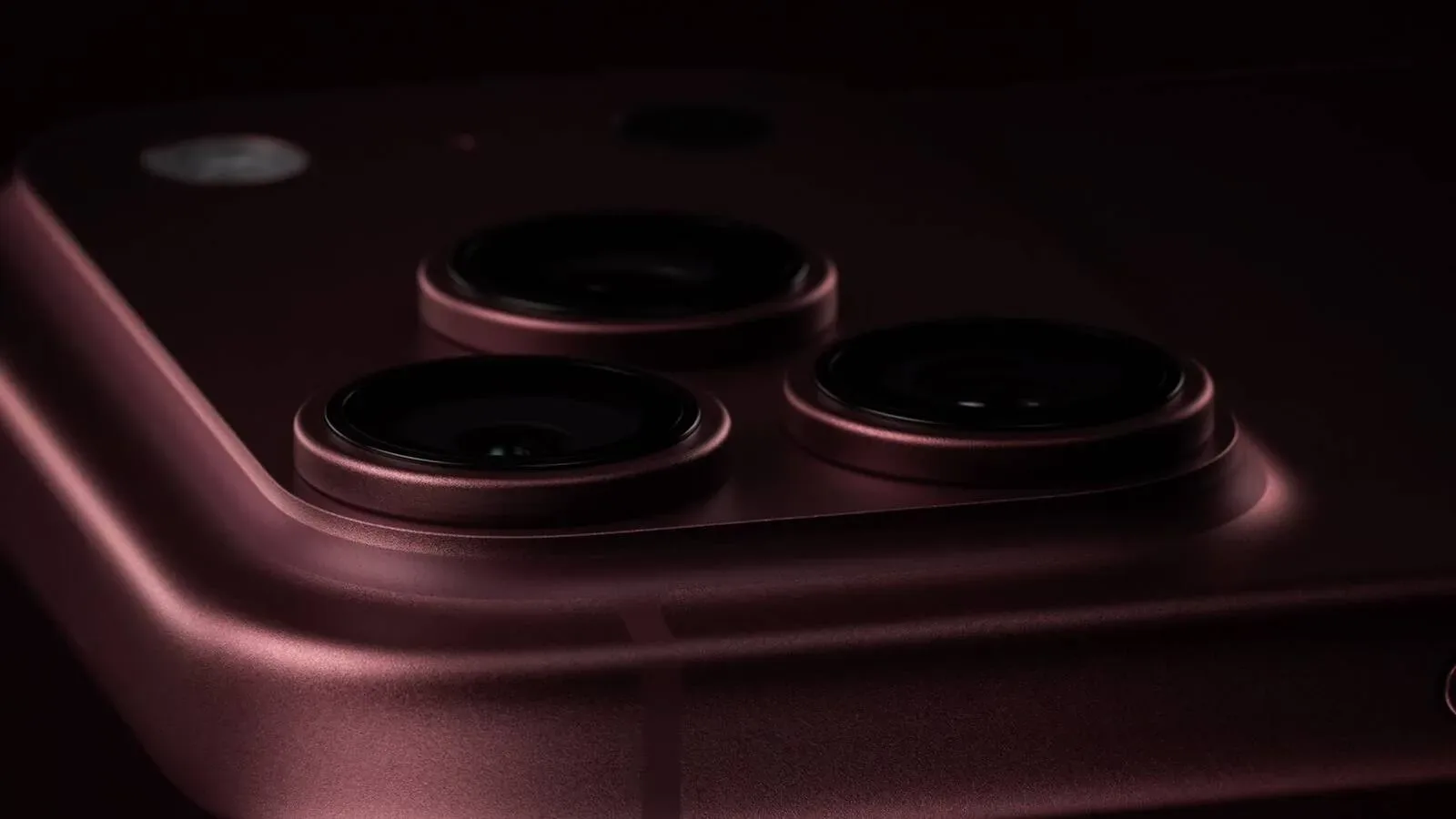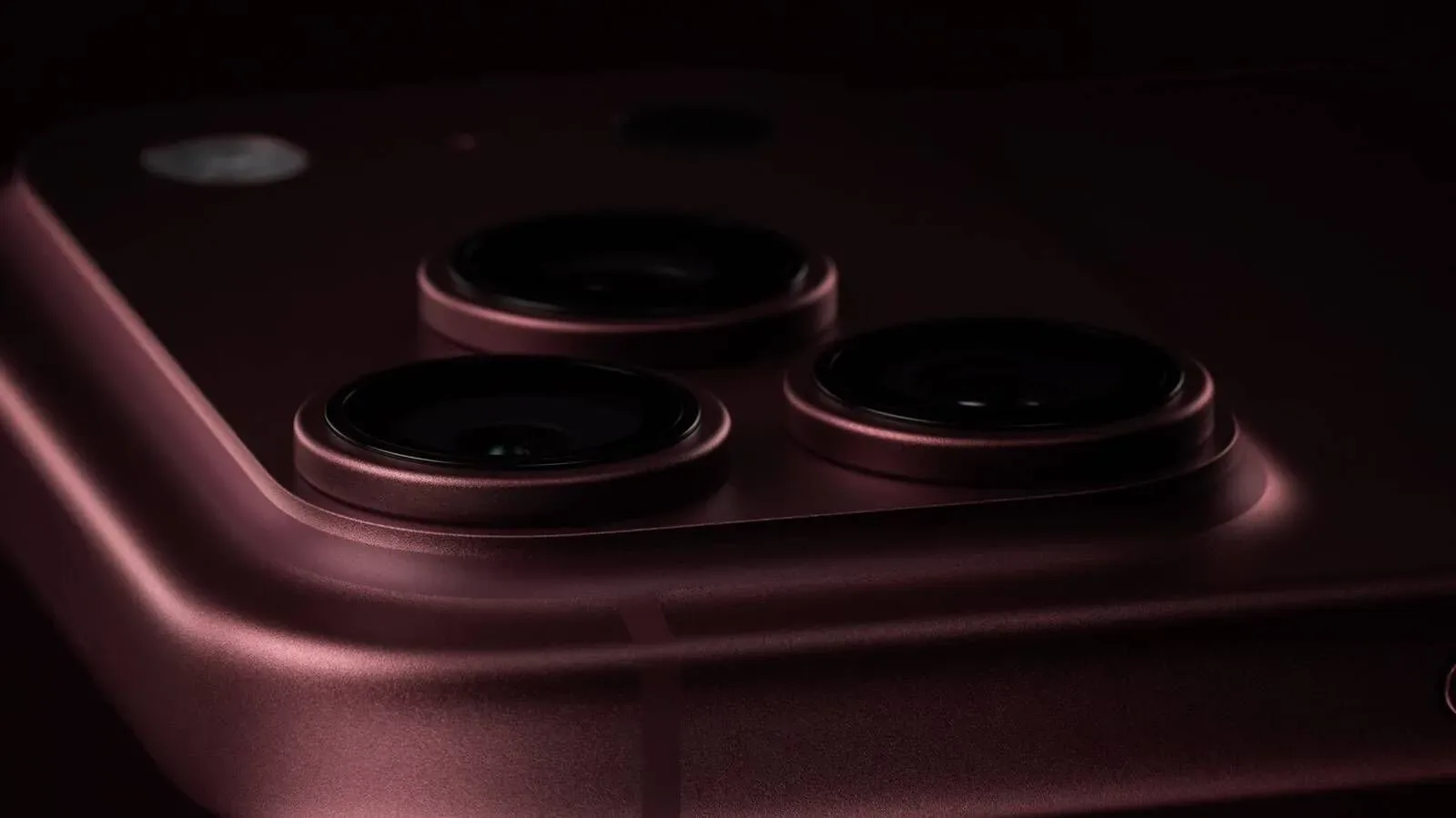
Apple TV’s September 18 broadcast of the Los Angeles Dodgers versus San Francisco Giants will use more than a dozen iPhone 18 Pro devices positioned around Dodger Stadium. The phones are intended to contribute footage from locations and perspectives that are harder to reach with conventional broadcast camera rigs, including batting practice, player introductions, dugout views, live gameplay and the broader atmosphere inside the ballpark.
The game is scheduled for 7 p.m. Pacific Time and forms part of the weekly Friday Night Baseball doubleheader available through an Apple TV subscription, with no separate charge for the games. For viewers, the important caveat is that the phones are being incorporated into the production rather than replacing the standard television setup. The supplied details describe a set of additional camera positions, not a phone-only broadcast.
A small camera for places a large rig cannot easily go
Apple’s central argument is physical: a phone has a much smaller footprint than a traditional broadcast camera. Footprint, in this context, means the amount of physical space and support equipment a camera position requires. A standard sports camera can involve a substantial body, lens, mount, operator position and room to work safely. A phone can fit into a more compact placement, potentially allowing the production to collect an angle without meaningfully crowding a working area.
That matters at a baseball stadium because a telecast is not only about the pitch-to-bat sequence. It also tries to establish where the game is happening and what it feels like around the field. Batting practice, entrances, dugouts and crowd-facing moments each have their own space constraints. A compact device can be placed close enough to convey that setting while avoiding a more intrusive full-size camera installation.
The announced deployment is also notably larger than Apple’s earlier baseball experiment. Four iPhone 17 Pro devices were used at Fenway Park for a Boston Red Sox versus Detroit Tigers broadcast last year. The Dodgers-Giants game will use more than a dozen iPhone 18 Pro units, suggesting a broader spread of positions across a new venue and a more substantial role for the phone footage within the night’s visual coverage.
What the iPhone angles are likely to add
The supplied plan names several distinct types of coverage, and each points to a different purpose within a live production.
- Batting practice: Pre-game footage can show players, preparation and ballpark activity before the competitive action begins.
- Player introductions: Close, mobile-looking perspectives can give a transition sequence more personality than a distant fixed shot.
- Dugout perspectives: These positions focus attention on the team environment, where available space and access are more restricted than in the stands or on a standard camera platform.
- Gameplay: The phones may provide an occasional alternate look at the action, complementing rather than displacing the cameras responsible for the primary live view.
- Ballpark atmosphere: Stadium-wide imagery helps a broadcast communicate place, scale and the rhythm between plays.
It is worth separating the confirmed plan from assumptions about presentation. Apple has said the devices will capture these scenes and perspectives, but has not detailed a shot-by-shot rundown, identified every placement, or promised that every phone feed will appear on the final broadcast. Live sports direction is the process of selecting among camera feeds in real time. Having more feeds available gives a production team options; it does not guarantee equal on-air time for every camera.
Why this is more than a novelty camera placement
Phones have been capable cameras for some time, but putting them into a live major-league baseball broadcast raises a practical production question: can a compact camera deliver an angle that is useful enough to justify its place in a complex live operation? The value is not simply that the image originated on a phone. The useful part is that the phone can occupy a position a larger system would struggle to claim.
That distinction is important for fans evaluating the experiment. Traditional broadcast cameras remain essential for the core job of following a fast-moving game from proven viewpoints. They are built around the requirements of a live telecast. The iPhone 18 Pro deployment appears aimed at expanding the visual vocabulary around that established coverage: closer environmental details, more unusual vantage points and connective material between major moments.
In other words, the phones are best understood as supplementary production tools. Their compact form can make a dugout or other constrained location more accessible, while the main broadcast infrastructure continues to carry the responsibility of keeping viewers oriented during live baseball.
The idea also fits a wider interest in how smaller, more flexible devices can change the language of screen coverage. In interactive entertainment, different hardware can similarly shape how an audience experiences movement and presence; for example, VMX’s gesture-driven approach to virtual riding is built around the relationship between physical input and presentation. The Dodgers broadcast is a different medium and use case, but it shares the broader principle that compact technology can enable perspectives unavailable to more conventional setups.
From Fenway trial to Dodger Stadium expansion
The Fenway Park broadcast provides the clearest precedent for Friday’s plan. Apple used four iPhone 17 Pro devices during the Red Sox-Tigers game last year. One of those units ultimately entered the National Baseball Hall of Fame and Museum, a sign that the earlier production had historical significance beyond its immediate use as a broadcast component.
That prior use matters because it establishes continuity rather than presenting the iPhone 18 Pro appearance as an isolated stunt. The new game brings the concept to a different stadium, a different matchup and a larger number of devices. More than a dozen placements should give the production a wider menu of viewpoints, although the specific visual results will depend on the eventual camera locations and live editorial decisions.
There is also a straightforward product dimension. Using a newly introduced iPhone 18 Pro inside a prominent sports event naturally demonstrates the device in a demanding public setting. But the announcement’s practical claim remains tied to size: the phones can get visual access where a traditional broadcast camera may be too large or cumbersome. That is a more concrete proposition than treating every phone angle as a replacement for dedicated television equipment.
What viewers should watch for on September 18
For anyone watching the Dodgers-Giants broadcast, the most revealing moments may not be the expected wide game shots. Look instead for places where the image feels unusually close to the activity or comes from a position that would be awkward for a large camera setup. Dugout material and player-introduction sequences are especially likely candidates, since they directly align with the locations Apple has identified.
Pre-game batting practice could also show the technology’s purpose clearly. These segments can use more visual texture than the central live-game coverage, and an unobtrusive compact camera has room to emphasize routine preparation, player movement and the visual character of the stadium.
During gameplay, an alternate angle has to serve the broadcast without making it harder to understand the play. The standard game camera remains the reference point viewers use to track a pitch, a hit and fielding movement. A phone-derived view may be most effective as a replay-like insert, a brief reaction angle or an occasional supplementary perspective. That is analysis rather than a confirmed broadcast plan, but it follows from the difference between core coverage and the additional perspectives Apple has outlined.
Friday Night Baseball details
Apple TV presents Friday Night Baseball as a weekly MLB doubleheader. The Dodgers and Giants game takes place Friday, September 18, beginning at 7 p.m. Pacific Time. The games are included with the relevant Apple TV subscription without an extra fee.
The broadcast will provide the first documented opportunity to see how Apple uses the iPhone 18 Pro across more than a dozen locations in a live baseball environment. The key story is not an attempt to turn a phone into the entire television production. It is an effort to use a small, adaptable camera in the spaces between—and occasionally alongside—the familiar cameras that anchor a major sports telecast.