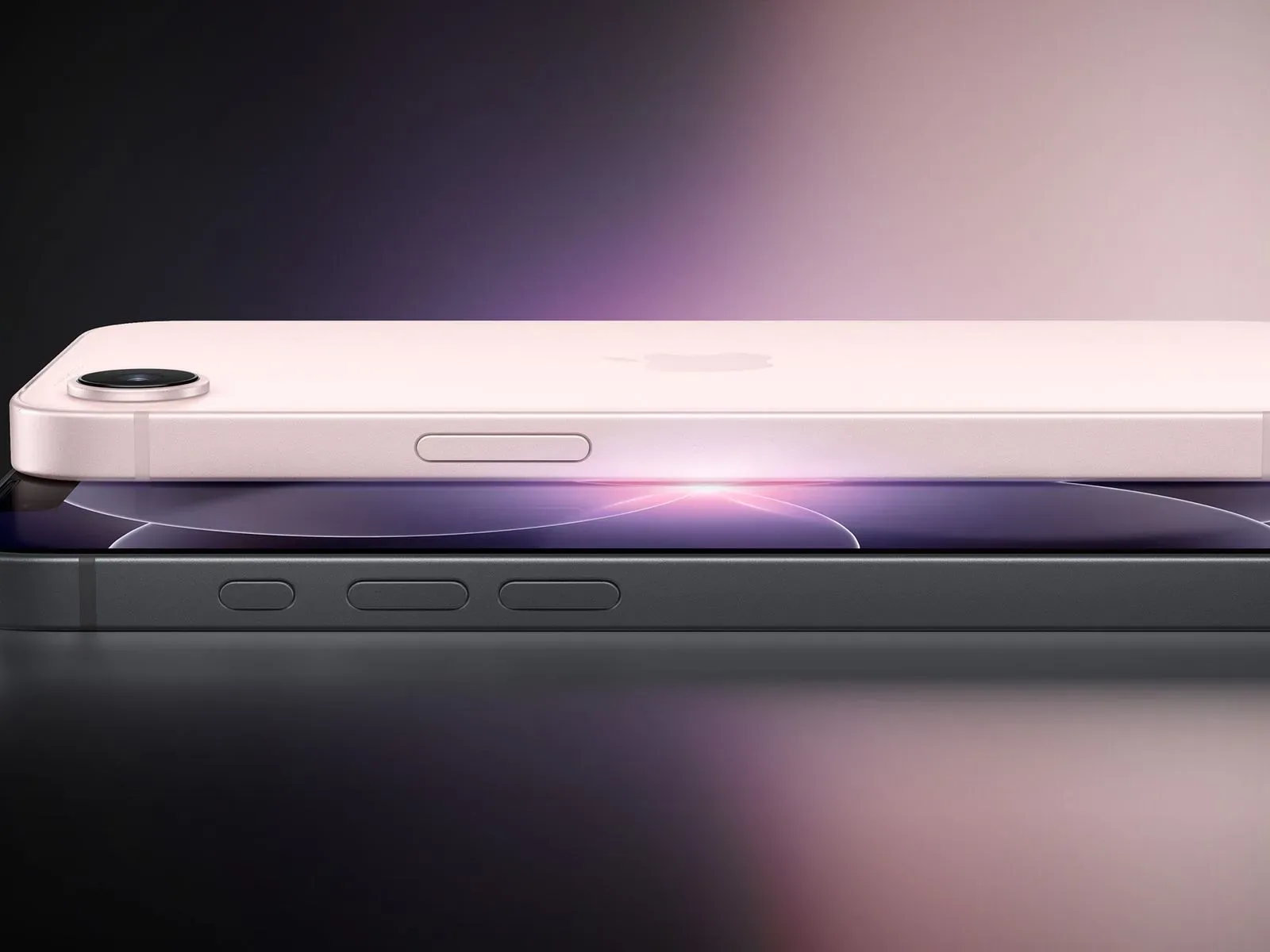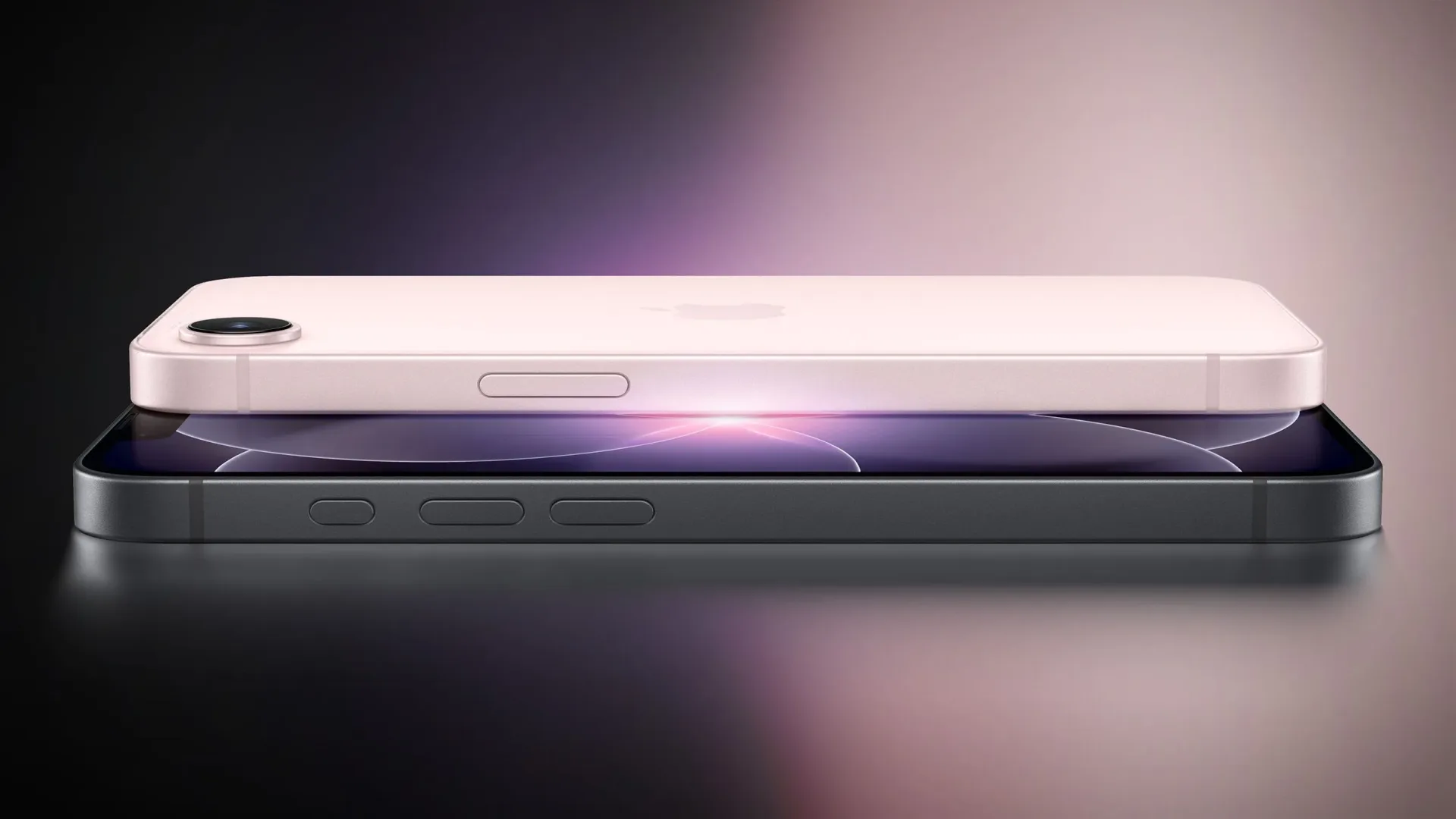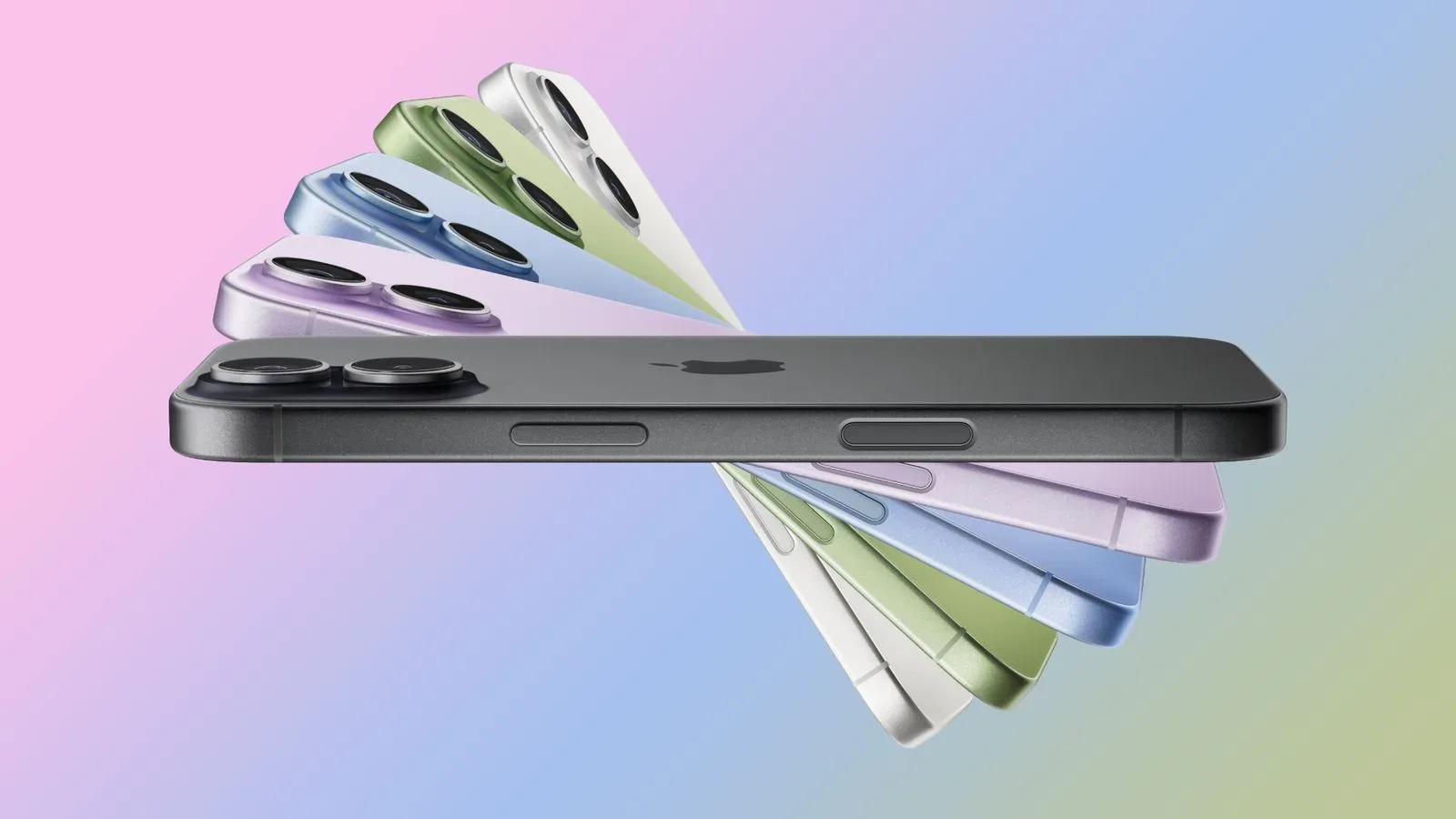
Apple’s expected iPhone 18 and iPhone 18e could have a much tighter-than-expected path to store shelves. A fresh claim from leaker Fixed Focus Digital says neither handset has entered mass production yet, and that the start of large-scale manufacturing has slipped to around New Year’s Day 2027.
That timing matters because the two phones are also rumored to be introduced in February or March. If both reports prove accurate, Apple would have relatively little time to make, test, distribute and build retail inventory for a major hardware launch. The key caveat is that none of this has been confirmed by Apple, and the alleged timetable has already shifted in public reporting.
The report, which can be read in more detail here, does not establish why production may have moved. As a result, it would be premature to treat a January manufacturing start as final, or to assume that an eventual launch date has changed. It does, however, put the focus on the practical difference between a product reveal and the number of phones available when sales begin.
What “mass production” means in this report
Mass production is the phase in which a product moves from limited build runs to making units at meaningful volume. It is distinct from the earlier work required to settle a device’s design, qualify parts and validate assembly. For a phone launch, reaching mass production is important because it is when the inventory pipeline begins to fill in earnest.
For more context, explore Shokz OpenRun Pro 2 Drops to $124 for Black Friday, Bringing Open-Ear Listening to a Lower Price.
A delayed start does not automatically mean a delayed introduction. A company can announce a phone before every market has ample supply, and initial availability can be managed in a number of ways. But fewer weeks of high-volume manufacturing before launch can leave less margin for unexpected component, assembly or logistics issues. That is the central implication of the claimed shift: not a confirmed cancellation or even a confirmed release change, but a compressed period to accumulate stock.
Fixed Focus Digital had previously pointed to a late-November target for standard iPhone 18 production and indicated that Apple was preparing a substantial inventory. Before that, the same account had referenced late October as the anticipated start. The newest claim therefore places the projected beginning of production later than either of those earlier targets.
That history is important context for interpreting the report. The source’s dates are not a settled sequence of official milestones; they are evolving leak-based claims. The newer estimate could be right, the earlier ones could have reflected an older plan, or the exact timing could remain uncertain. Until Apple speaks publicly, prospective buyers should regard every date in this story as provisional.
A shared platform could be part of the plan
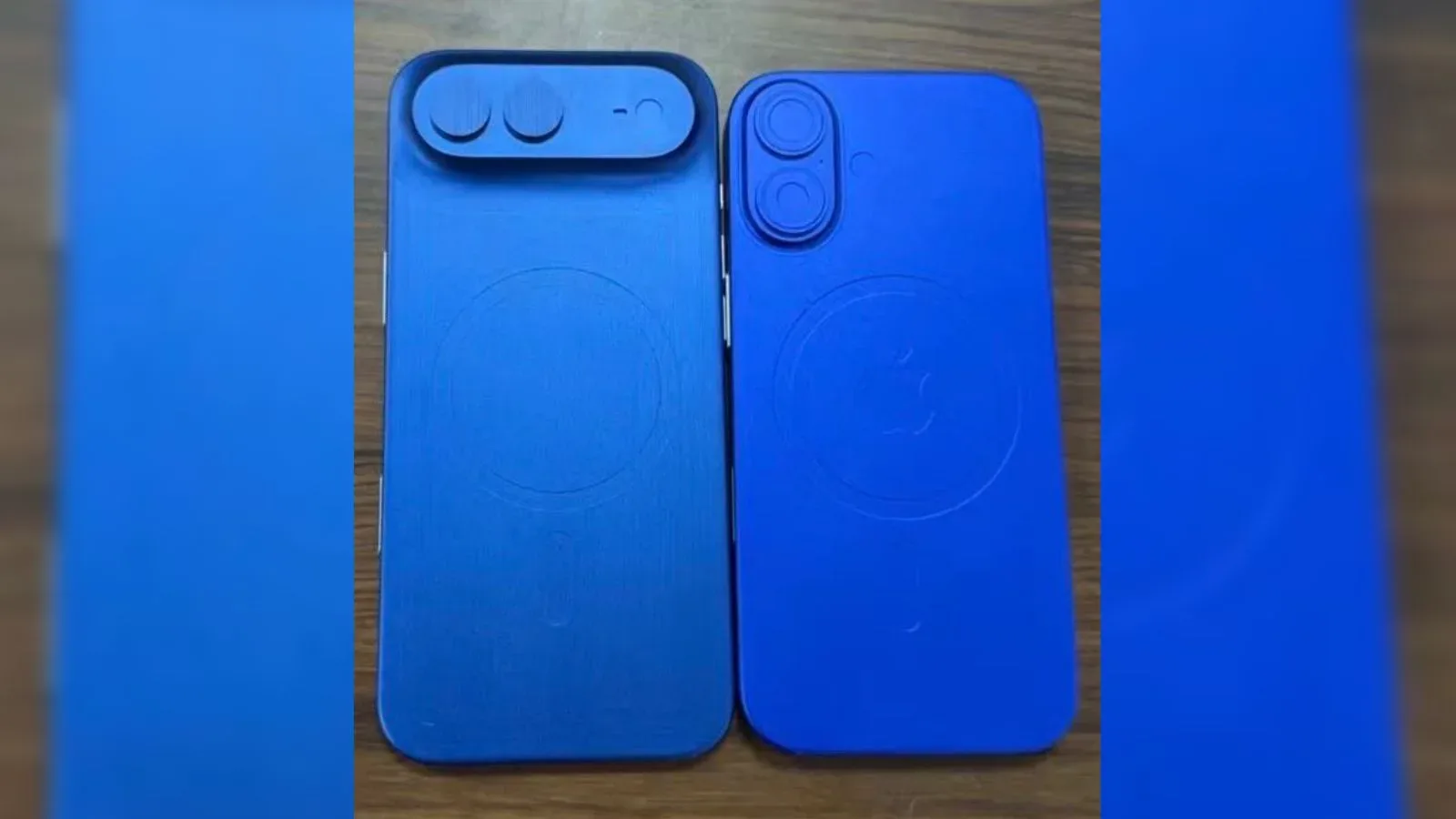
One recurring claim is that the iPhone 18 and iPhone 18e will share some manufacturing processes and components. A diagram previously circulated by Fixed Focus Digital purported to show the two models using identical batteries and 6.3-inch displays.
If accurate, such commonality would mean the two devices have overlapping hardware foundations. Shared components can simplify parts planning and manufacturing, although the available information does not say how extensive that overlap would be or whether it relates to the reported schedule change. It also does not mean the phones would necessarily offer identical feature sets.
There is even disagreement around the display detail. Reports have not aligned on whether the iPhone 18e’s screen will grow to 6.3 inches. That dispute is a useful reminder that a diagram attributed to a leaker is not the same as a final specification sheet. For now, the display size, the claimed battery match and the amount of shared hardware remain rumor-level information.
The upgrades currently being discussed
Several potential changes have been attached to both phones. The most prominent is an A20 chip, expected in the iPhone 18 and iPhone 18e. A system-on-chip, often shortened to SoC, combines core processing functions into a central piece of silicon. In everyday terms, it is a principal driver of a phone’s performance and efficiency. The report does not provide performance figures, power expectations or feature details for the A20, so those questions remain open.
Other rumors point to 9GB of RAM, compared with 8GB. RAM is the phone’s short-term working memory: it is used by active apps and system tasks while the device is operating. An increase could potentially provide more headroom for multitasking or demanding software, but the available claims do not identify the specific user-facing benefits Apple might pursue, nor do they confirm that the capacity would apply to both models.
An Apple C2 modem has also been rumored. A modem is the component that handles cellular connectivity. The information at hand does not spell out what capabilities, network behavior or regional support the C2 could bring, so it is best understood as a possible component change rather than a finished feature promise.
Larger batteries are likewise rumored, while the iPhone 18e could receive an upgraded front-facing camera. Neither claim comes with capacity numbers, camera resolution, imaging features or battery-life estimates. Those omissions matter: battery size alone does not establish endurance, and a camera upgrade can involve hardware, processing or both. It is too early to draw conclusions about real-world results.
Why the iPhone 18e matters as much as the standard model
The production claim covers both the standard iPhone 18 and iPhone 18e rather than isolating a problem to one handset. That makes the suggested shared processes and components especially noteworthy. If the phones are indeed built around related display, battery or assembly arrangements, their schedules may be linked more closely than two wholly separate designs would be.
At the same time, the model names indicate that they are not simply the same product. The current rumor set itself leaves room for distinctions, particularly around the iPhone 18e’s front camera. Without official specifications, it is not possible to say how Apple would position one against the other, which features might be exclusive, or whether every reported upgrade would be included across the pair.
For people planning a purchase, the most useful takeaway is not to make a decision based on a single leaked component list. The most consequential unknown is availability. A February or March introduction remains the reported window, while a January start to mass production is the newly claimed manufacturing deadline. Whether those dates coexist comfortably depends on execution details that have not been made public.
What to watch next
There are three claims worth separating as the iPhone 18 cycle develops: the beginning of mass production, the announcement window and actual device availability. They are connected, but they are not interchangeable. A phone can be announced without immediate broad availability; a device can also enter production before a launch date is publicly known.
- Mass-production confirmation: Any corroboration that iPhone 18 and iPhone 18e assembly has begun at scale would test the January claim directly.
- Launch timing: The currently reported February-or-March introduction window has not been confirmed by Apple.
- Inventory signals: Information about launch quantities or staggered availability would be more meaningful than speculation about a delay alone.
- Final specifications: The alleged A20 chip, 9GB of RAM, C2 modem, battery changes, 6.3-inch display and iPhone 18e front-camera update all need official confirmation.
For now, the strongest reading is cautious rather than dramatic. The iPhone 18 and iPhone 18e are rumored to be running behind previously reported production targets, and that could shorten the runway before an early-2027 debut. But the evidence available is based on claims from leakers and conflicting reports—not an Apple statement—and it does not yet prove a launch delay or define how supply would look at release.