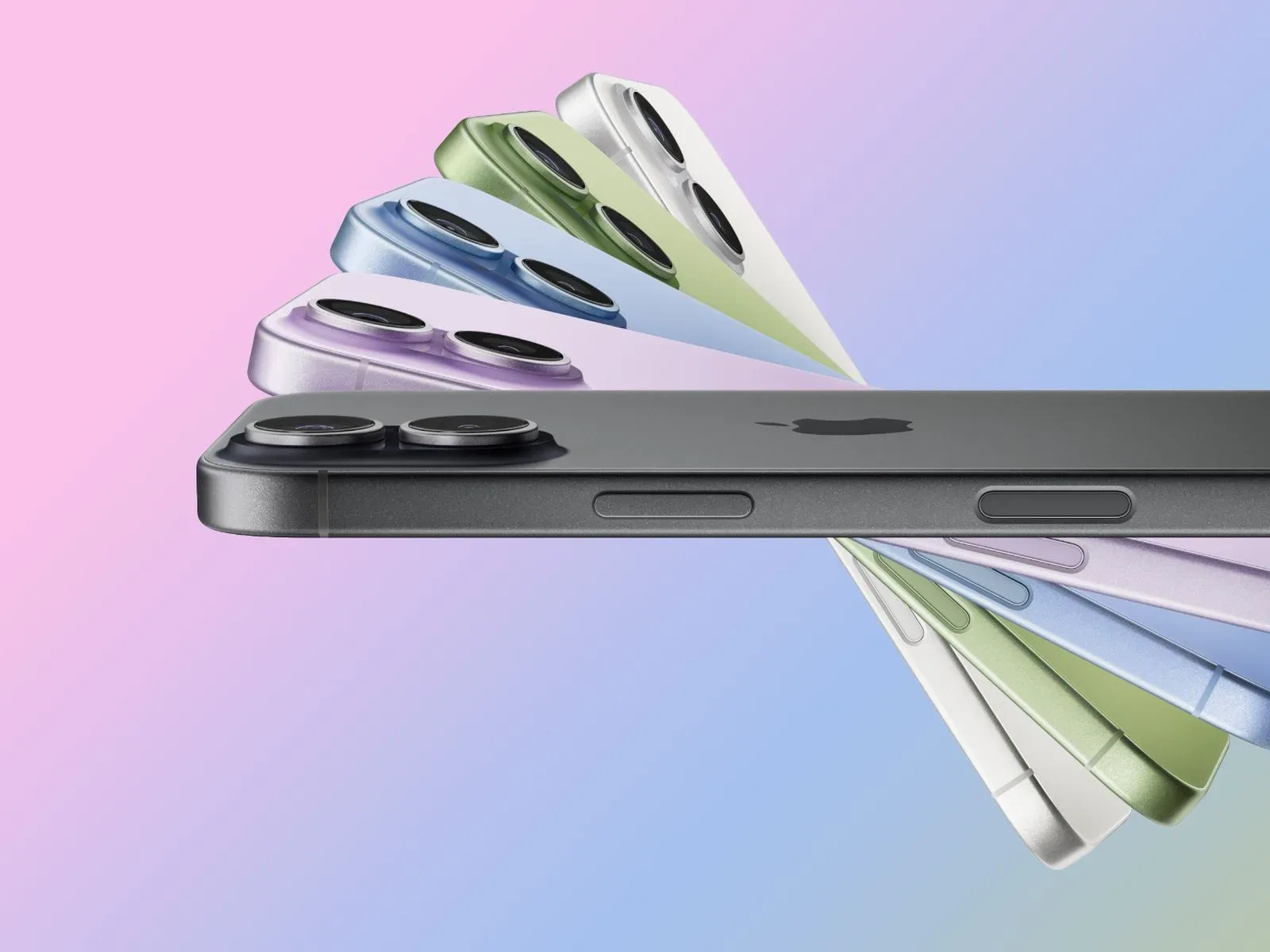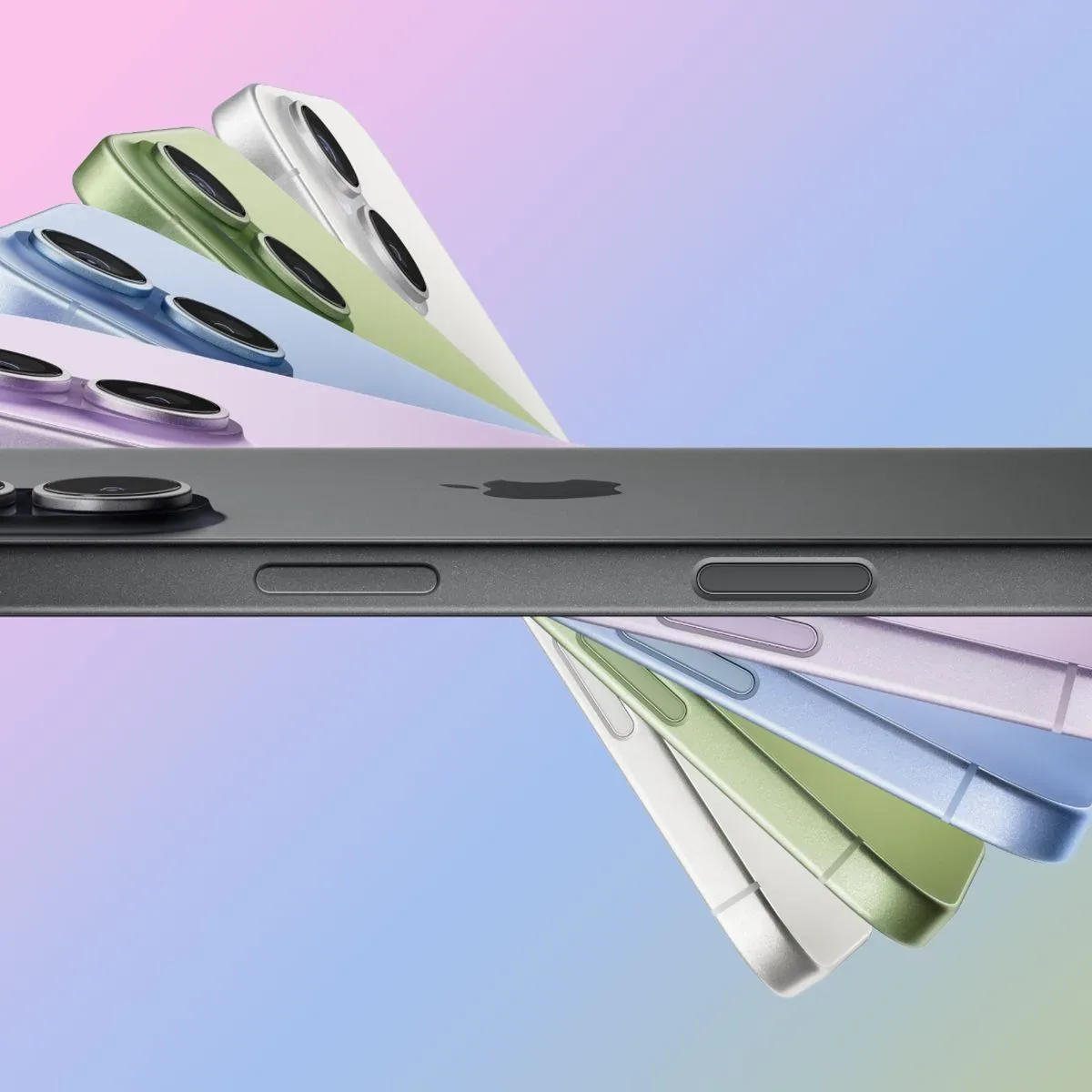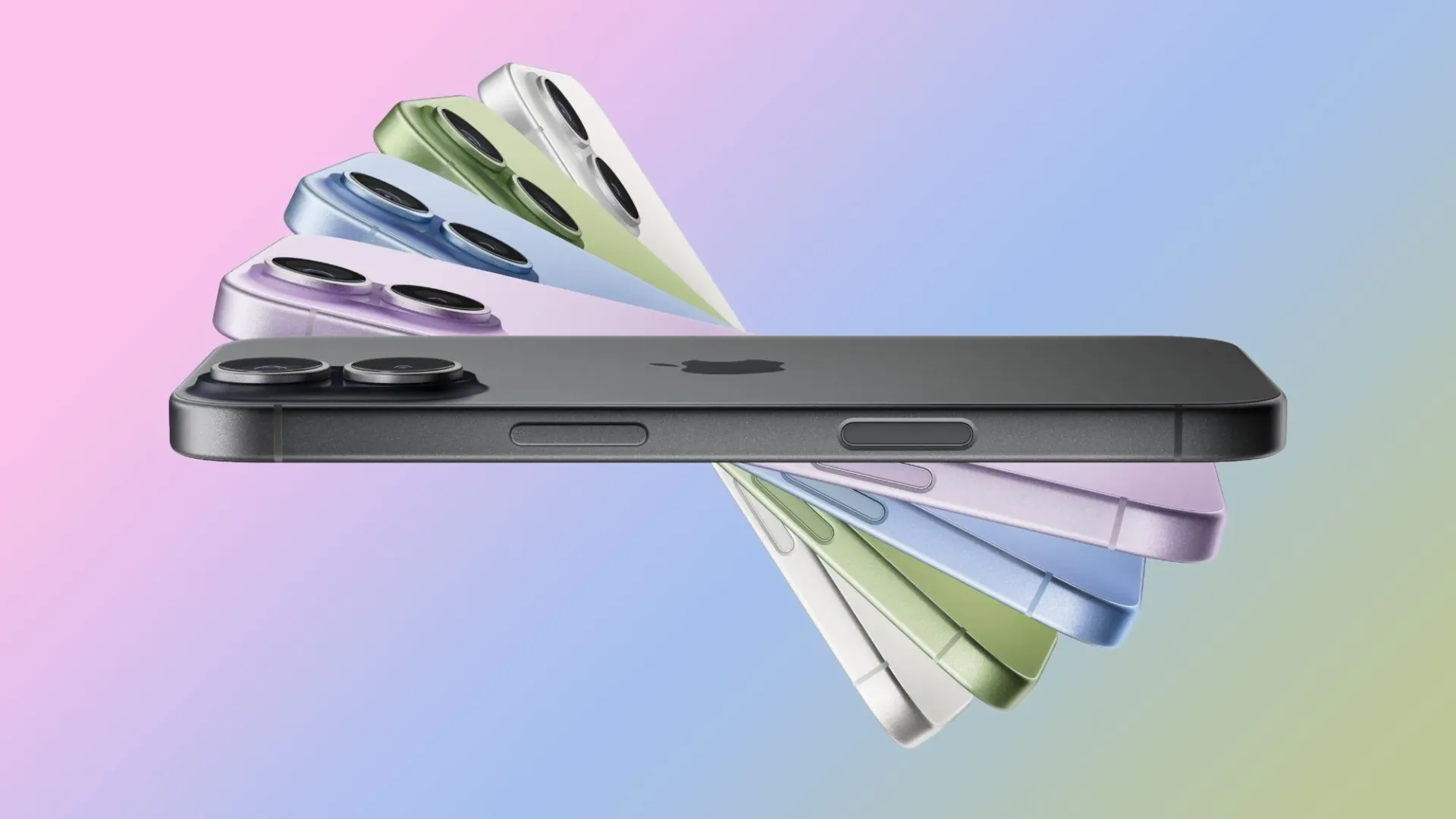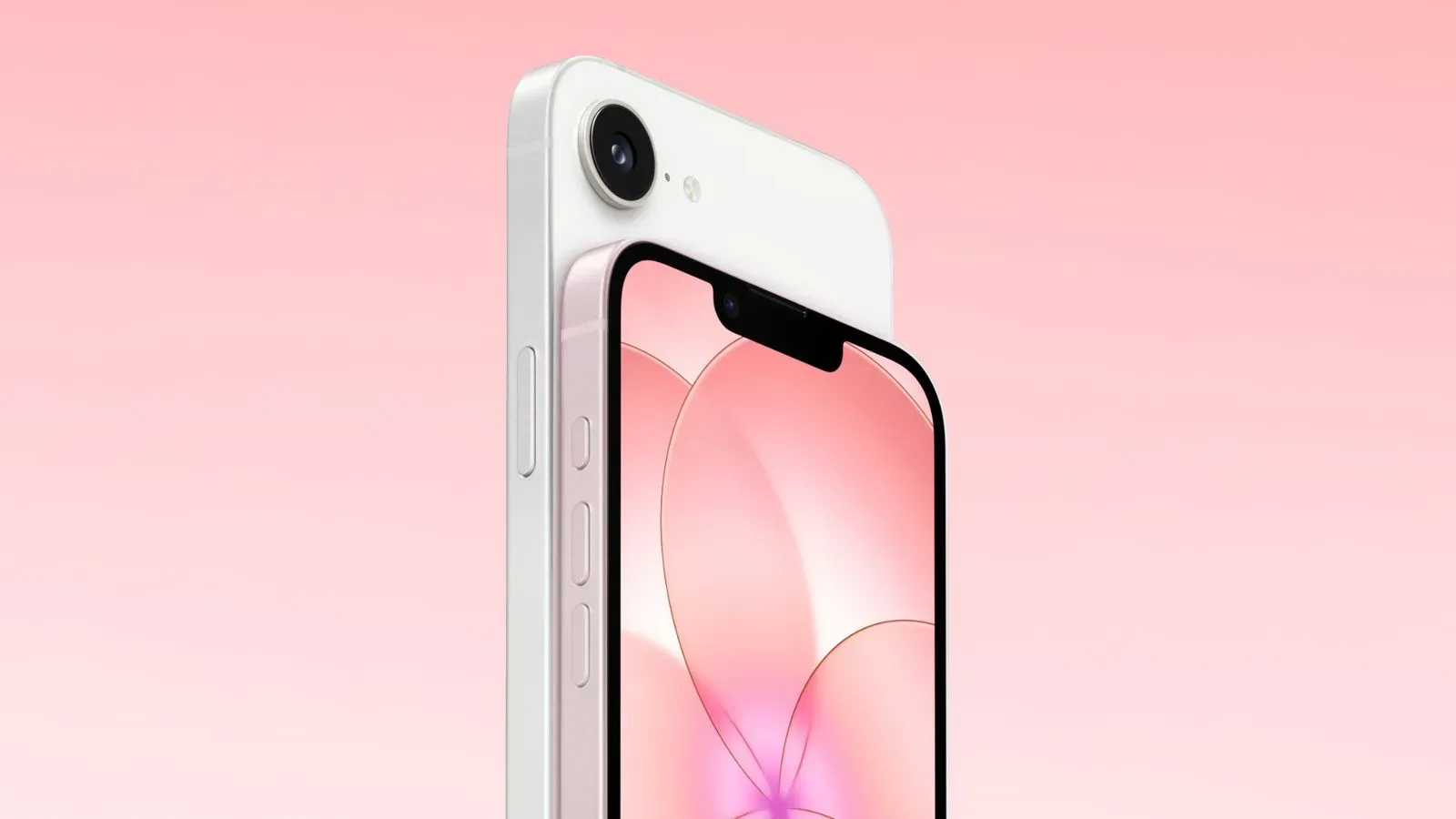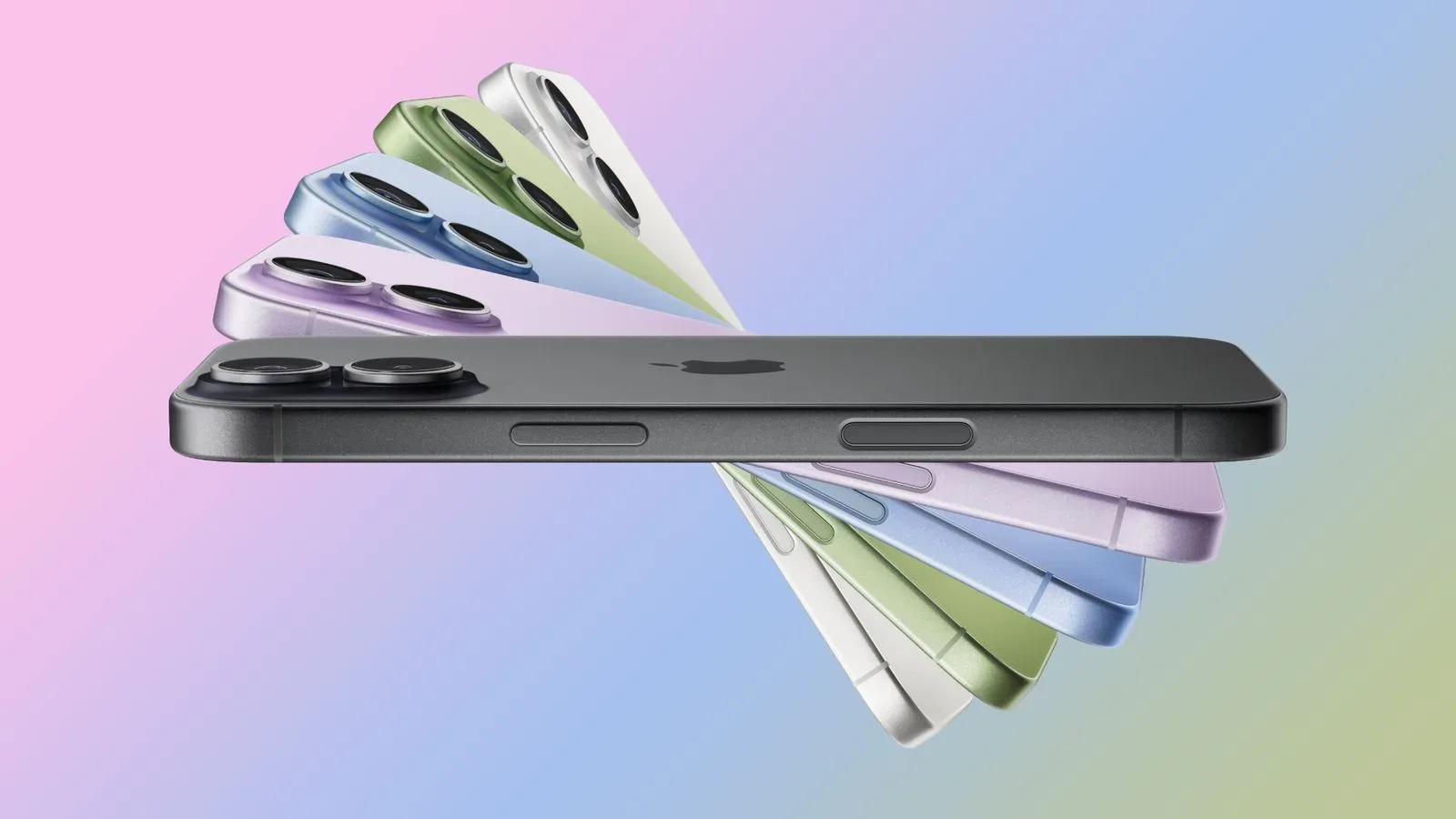
The standard iPhone 18 may arrive with a larger battery, but the extra endurance could be accompanied by another increase in price. That is the central claim in a new rumor concerning Apple’s expected 2027 handset lineup, which also reiterates several previously reported specifications for the non-Pro model.
None of the details are confirmed by Apple, and the price portion in particular is notably vague. Still, the report sketches out a fairly clear proposition: retain a familiar flagship-class display and camera configuration, move to an A20 processor made on a 2nm manufacturing process, and make room for a battery larger than the 3,692 mAh unit cited for the iPhone 17.
For buyers, that combination matters less as a pure specifications contest and more as a question of balance. A phone with a brighter, fast-refresh OLED screen, modern authentication hardware and a powerful new chip has many competing demands on its battery. Increasing capacity would give Apple more flexibility to improve real-world longevity, sustain performance, or simply offset the energy requirements of its new components. But until capacity, dimensions and software behavior are known, a “larger battery” should not be read as a promised number of additional hours.
What the iPhone 18 rumor says
The reported standard iPhone 18 specification list includes a 6.3-inch OLED display with a refresh rate of up to 120Hz, Dynamic Island, Face ID, an A20 chip, and a dual 48-megapixel rear-camera system. The claim is that the A20 would be made using a 2nm process, matching the reported process for the A20 Pro.
Those details suggest continuity rather than a dramatic redesign. Dynamic Island and Face ID are expected to remain, while the rear-camera arrangement would continue as a two-camera setup rather than adopting a third lens. The rumored 6.3-inch screen also indicates that the standard model could remain a comparatively compact option within Apple’s larger phone range.
The potentially meaningful alteration is the battery. The iPhone 17 is said to have a 3,692 mAh battery, while the iPhone 18 would exceed that figure. The rumor does not provide a precise capacity, so there is no responsible way to calculate the increase or estimate battery life from it.
mAh is capacity, not an endurance score
Battery capacity is commonly expressed in milliamp-hours, abbreviated as mAh. In simple terms, it indicates how much electrical charge a battery can store. It is useful as a hardware reference point, but it cannot independently tell a buyer how long a phone will last between charges.
Screen brightness, display refresh behavior, signal strength, camera use, app activity and processor efficiency all affect day-to-day battery drain. A larger battery can provide more headroom, but a new chip or display setting may use that headroom in different ways. The practical takeaway is straightforward: the iPhone 18 battery claim is encouraging for people who value endurance, but it is not yet evidence of a particular battery-life improvement.
Why the reported 2nm A20 matters
The A20 is said to use a 2nm manufacturing process, as is the A20 Pro. A process node is a label associated with a generation of chip fabrication technology. It is often discussed as a smaller number meaning a more advanced process, but it should not be treated as a literal measurement of every component on the chip.
What matters to consumers is the potential outcome. A newer process can help designers pursue improved performance, better power efficiency, or a mix of both. In a phone, efficiency can be just as important as raw speed because it can affect heat and battery use during demanding tasks. The report does not state how Apple would divide any gains between performance and efficiency, nor does it offer benchmark results. Those conclusions will have to wait for official specifications and independent testing.
That distinction is especially relevant to players and creators who use phones for sustained workloads. Mobile games, video capture and intensive apps can stress a processor for longer than messaging or web browsing. A more efficient chip paired with a bigger battery could be meaningful in theory, but the available information does not establish how the iPhone 18 will perform in those scenarios. Readers following broader technology debates around game development may also be interested in the continuing discussion over AI voice work in Arc Raiders, another example of how technical choices can shape user-facing entertainment.
A 120Hz OLED display is still a significant feature
The reported screen would be OLED, or organic light-emitting diode. Unlike a conventional display that relies on a separate backlight, OLED pixels can emit their own light. This is generally associated with strong contrast because dark pixels can be turned off.
The other important phrase is “up to 120Hz.” Refresh rate describes how often a display can update the image each second. A 120Hz screen can refresh up to 120 times per second, which can make scrolling, animations and supported games look more fluid than they do at lower refresh rates. The word “up to” matters, however. It indicates a maximum rate, not necessarily a rate held constantly in every app or situation.
Using a variable refresh rate can be a sensible way to balance smoothness with power consumption. The report does not detail exactly how the iPhone 18’s display would manage refresh behavior, so it remains unclear when it would operate at 120Hz and how that would affect battery use. What the rumor does establish is that Apple is expected to keep the feature set at a high level on the standard model.
Camera and design expectations are conservative so far
The iPhone 18 is expected to have a dual 48-megapixel rear-camera system. That wording confirms resolution for the two rear cameras in the rumor, but it does not reveal focal lengths, sensor sizes, optical hardware, video modes or image-processing changes. Megapixel counts alone do not settle camera quality, particularly when phone photography relies heavily on hardware and computational processing working together.
Likewise, the expected retention of Dynamic Island and Face ID points toward continuity in the front of the device. Dynamic Island is Apple’s display-area interface for status information and ongoing activities around the front camera and sensor region. Face ID is Apple’s facial-recognition authentication system. Neither claim says much about whether their implementation would change, only that both are currently expected to remain part of the iPhone 18.
For shoppers considering whether to wait, the current picture is not one of a wholesale visual reinvention. It is a rumor of incremental hardware advancement: potentially more battery capacity, a newer chip process, and a familiar display, security and camera foundation.
The price report needs the most caution
The possible price increase is the least settled part of the report. Apple reportedly raised the iPhone 17’s U.S. starting price from $799 at launch to $899 in September 2026. The new claim only suggests that the iPhone 18 could cost more; it does not specify an amount, market or baseline.
That ambiguity is important. A rise relative to the iPhone 17’s original $799 launch price would mean something different from an increase over its stated $899 current price. It also remains unknown whether any change would affect the United States at all, or whether regional pricing could differ. Currency, taxes, storage configurations and local sales arrangements can all complicate direct comparisons, and none of those details are addressed here.
As a result, prospective buyers should treat “price increase” as a possibility rather than a figure to budget around. There is no reported MSRP for the iPhone 18, no confirmed timing for preorders, and no official regional pricing information. A larger battery and a newer manufacturing process may sound like a straightforward case for higher costs, but the report does not establish a reason for the potential increase.
A first-half 2027 lineup is rumored
The expected launch window is the first half of 2027, with the standard iPhone 18 reportedly arriving alongside the iPhone 18e and iPhone Air 2. That prediction is said to align with other rumors. The standard iPhone 18 is also forecast to be the best-selling model among those three devices.
That last point is a prediction, not a sales result or an Apple forecast. It does, however, reflect the likely importance of the standard handset: it may be intended to deliver a high-end core experience without the added positioning implied by a Pro model. If the screen, A20 chip, camera system and battery claims prove accurate, that would be consistent with a mainstream flagship pitch.
There is a potentially confusing wrinkle in the available timeline. The report also says Apple had already increased capacities in this year’s iPhone 18 Pro models, citing physical-SIM-tray versions with 4,056 mAh and 5,391 mAh batteries. Those amounts are described as roughly 1.7% and 11.8% increases over the comparable iPhone 17 Pro and iPhone 17 Pro Max models. The same report places the standard iPhone 18, iPhone 18e and iPhone Air 2 in the first half of 2027. Without additional clarification, these claims should be read exactly as reported rather than used to infer a fully settled release schedule.
What is known, what is claimed and what remains unanswered
At this stage, the useful way to read the rumor is to separate its layers. The reported feature list is specific enough to outline the type of phone Apple may be building. The larger battery is the standout change, while the 120Hz OLED display, Dynamic Island, Face ID and dual 48-megapixel cameras indicate familiar core hardware. The A20’s reported 2nm process could be significant for both speed and efficiency, but there are no measurements yet.
The unresolved questions are equally consequential:
- How much larger is the iPhone 18 battery than 3,692 mAh?
- Will the larger cell translate into a measurable battery-life gain?
- What price, if any, will Apple set above the iPhone 17’s stated U.S. pricing?
- Which countries would see a price change?
- How will the reported 120Hz display manage refresh rates in normal use?
- What camera hardware and software changes will sit behind the two 48-megapixel sensors?
Until Apple addresses those questions, the iPhone 18 should remain firmly in the rumor category. The prospect of a bigger battery is easy to understand and potentially valuable, especially if it arrives alongside a more efficient A20 chip. But capacity, performance, price and launch structure are all details where the difference between an early claim and a finished product can be substantial.