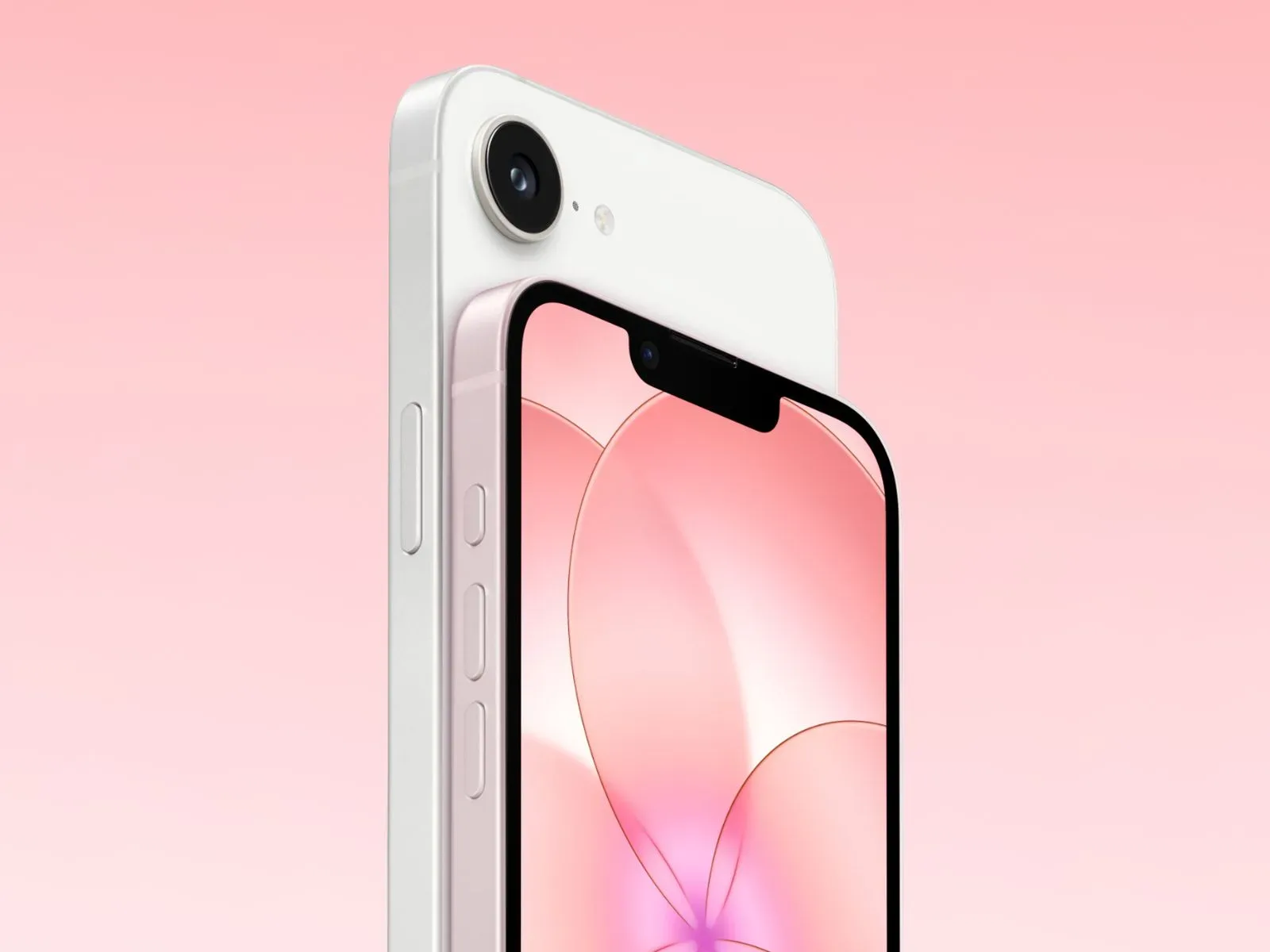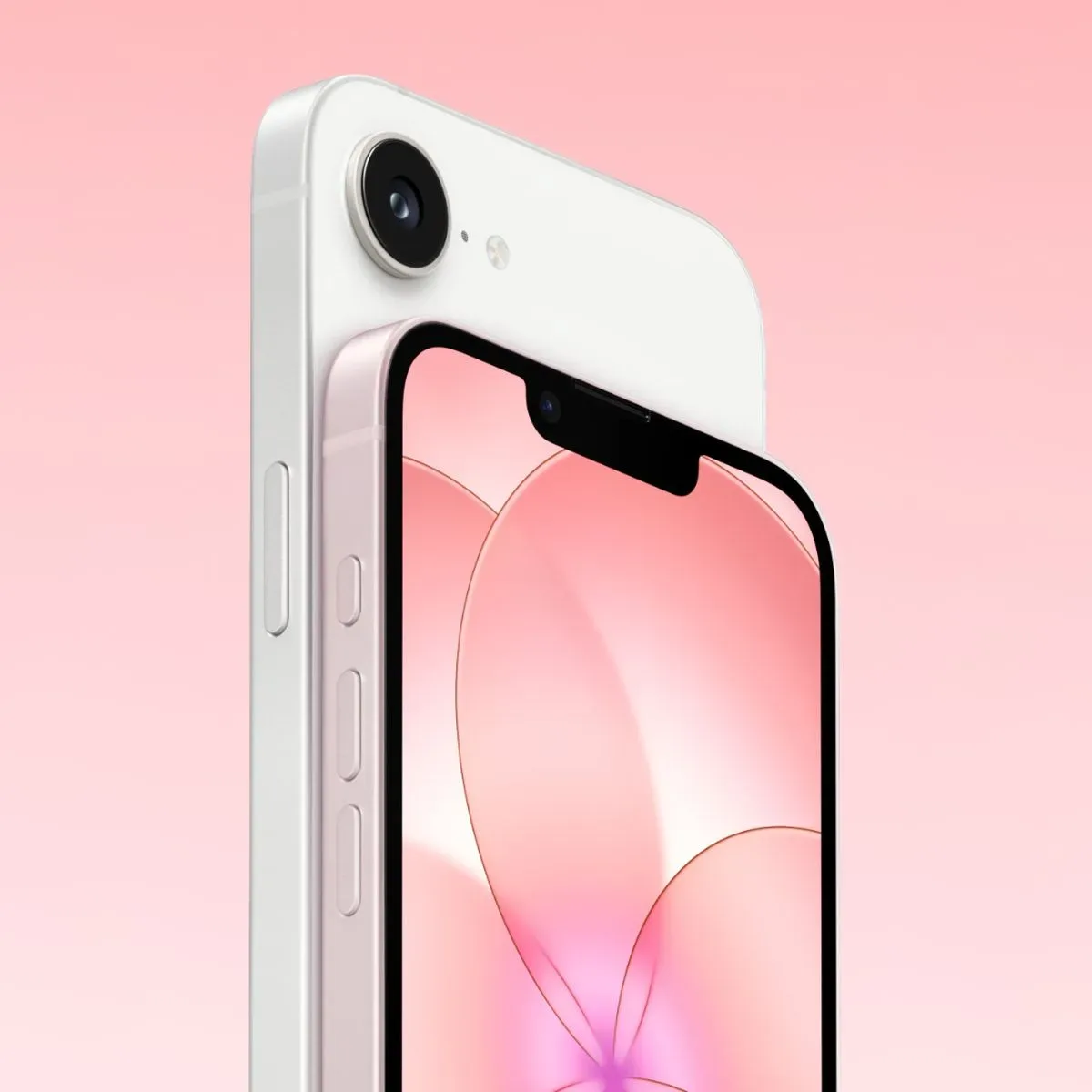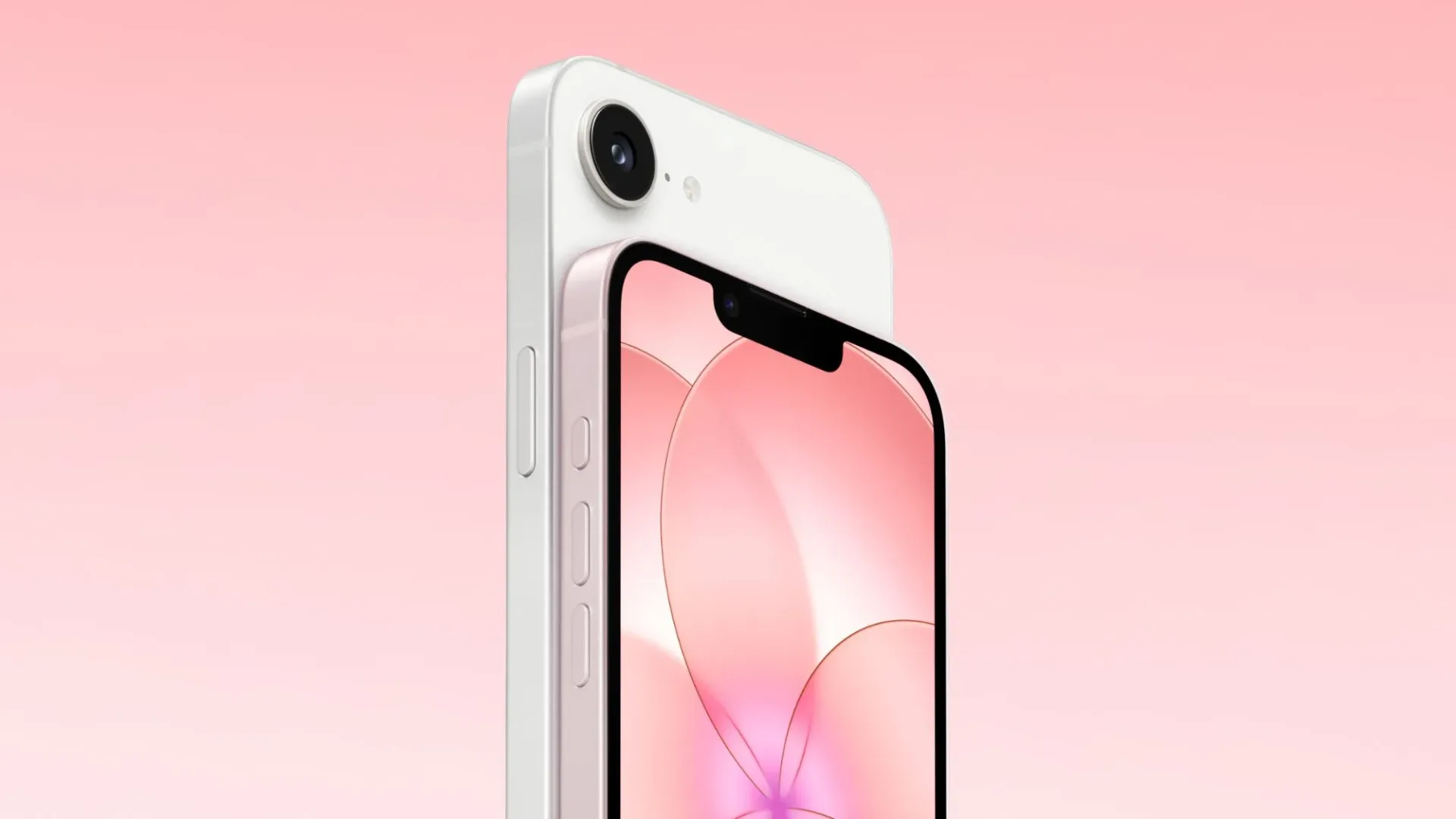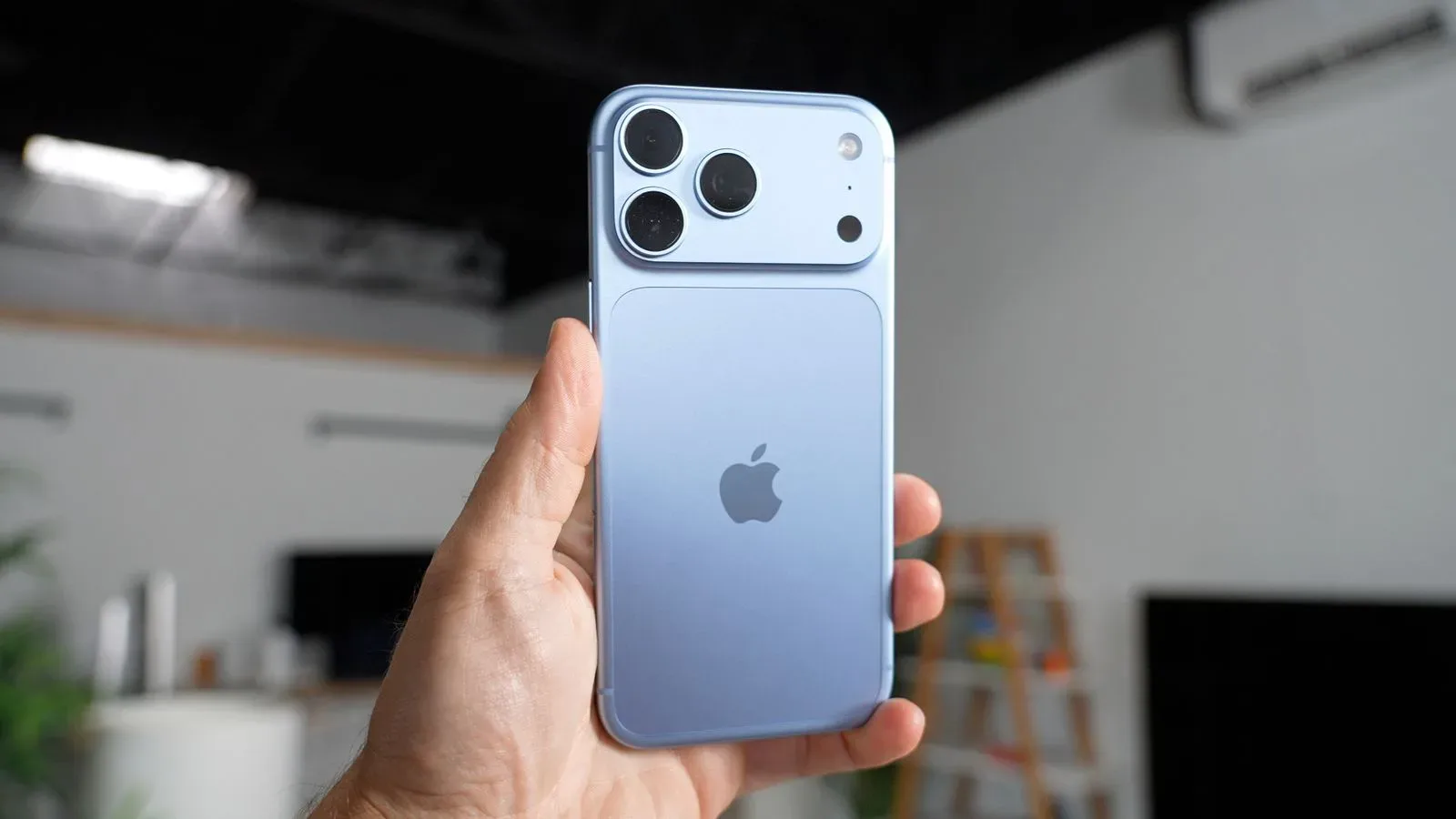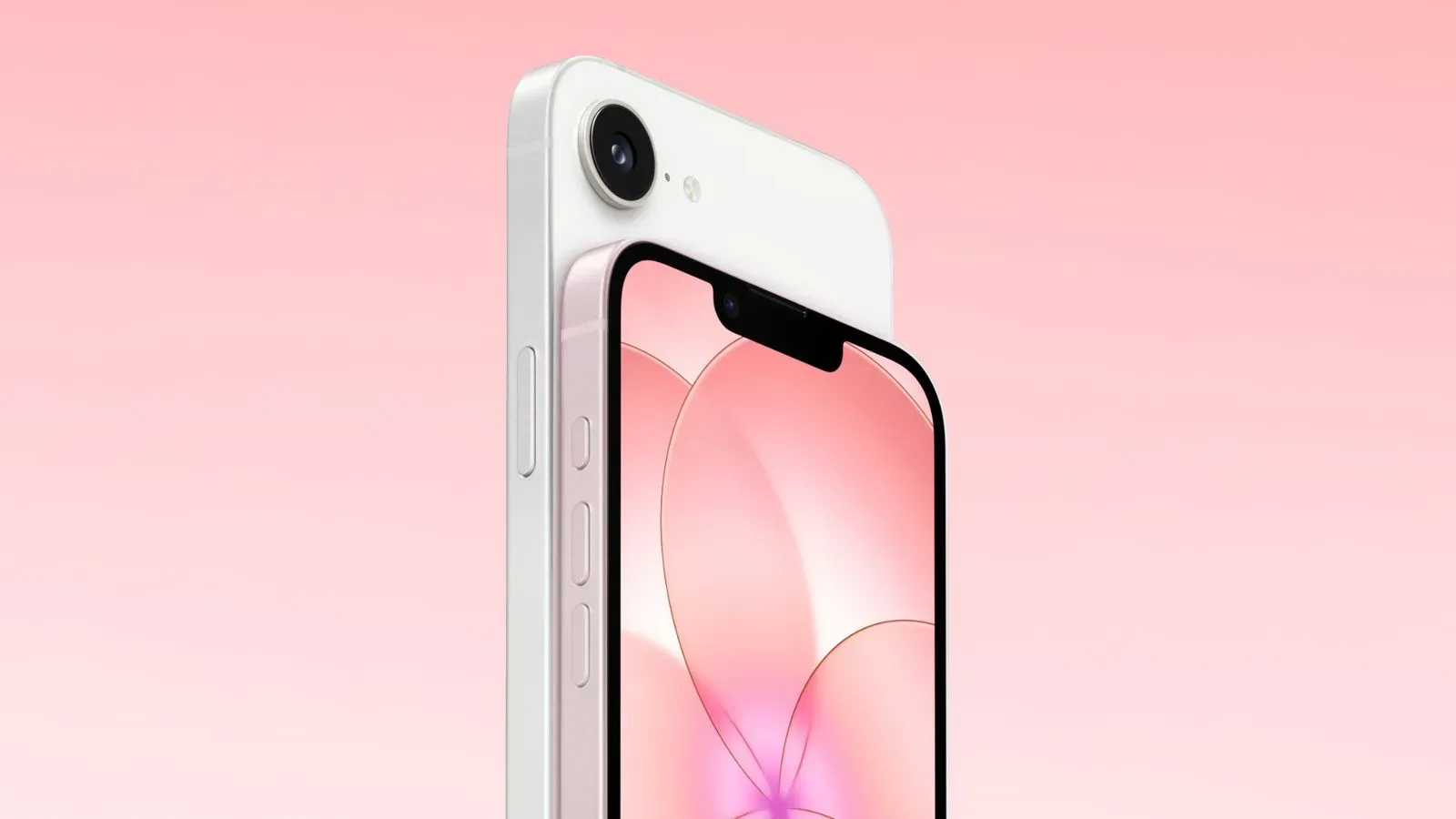
The iPhone 18e may keep one of the clearest dividing lines between an entry-level phone and its more expensive siblings: a 60Hz screen. A fresh leak points to a 6.12-inch OLED panel based on LTPS technology, plus a single 48-megapixel rear camera—specifications broadly in keeping with the two preceding e-series models. The potentially bigger story is inside the phone: it is said to use Apple’s A20 chip, while its front camera could move beyond the 12-megapixel unit used on the iPhone 16e and iPhone 17e.
Those details should be treated as rumor rather than settled product specifications. The front-camera information in particular comes with substantial ambiguity. Still, the reported combination sketches out a familiar approach: preserve the basic screen and rear-camera formula, then concentrate the more tangible generational progress in processing hardware and possibly the camera used for calls, streaming and selfies.
What the report says about the iPhone 18e
The claimed hardware list is compact:
- A 6.12-inch OLED display using LTPS technology.
- A 60Hz refresh rate.
- An A20 processor.
- One 48-megapixel rear camera.
- A possible 24-megapixel front-facing camera.
On its face, that would make the iPhone 18e a restrained revision. The iPhone 16e and iPhone 17e already use roughly 6.1-inch OLED displays at 60Hz and have a single 48-megapixel rear camera. No rear-camera sensor or lens information has been provided, however, so the rumor does not rule out smaller changes behind that headline pixel count. A 48-megapixel label alone cannot establish that two cameras deliver identical results; sensor and lens details matter, and they are not part of this report.
The expected launch window is spring 2027, alongside the standard iPhone 18 and iPhone Air 2. That timing remains an expectation, not a confirmed release plan.
Why 60Hz will remain the headline compromise
Refresh rate describes how many times a display can update its image each second. A 60Hz panel can refresh up to 60 times per second. A 120Hz panel can do so up to 120 times per second, potentially making scrolling, interface animations and supported games appear smoother. For players, the distinction is especially easy to understand: a higher-refresh display can present more frames when a game and the rest of the hardware support them.
That does not mean a 60Hz OLED screen is automatically poor. OLED is the display type being reported here, while 60Hz is the refresh-rate limit; they describe different aspects of the panel. But retaining 60Hz would mean the iPhone 18e is not expected to match the 120Hz ProMotion experience associated with higher-end hardware. It also suggests the device would not make a dramatic visual leap over the iPhone 16e or iPhone 17e in routine navigation or mobile games.
LTPS, short for low-temperature polycrystalline silicon, is the reported display technology. The key practical takeaway from this rumor is not a promise of a new visual mode, but the opposite: the device is expected to remain at 60Hz. A separate earlier claim suggested that an LTPO display capable of 120Hz ProMotion may not reach the entry-level line until a possible iPhone 19e in 2028. LTPO is a different display technology, and in this context it is tied to the prospect of ProMotion support.
For someone choosing a phone mainly for competitive or fast-moving games, the screen ceiling is therefore an important caveat. A faster chip can improve how quickly a game runs or how efficiently it operates, but it cannot turn a 60Hz panel into a 120Hz panel. Processing performance and refresh rate work together, yet they are not interchangeable upgrades.
The A20 could be the consequential upgrade
The A20 is the most significant element of the report if it arrives as described. It is expected to use a 2nm manufacturing process, compared with the 3nm A19 in the iPhone 17e. In simple terms, the process figure refers to the manufacturing generation associated with the chip. The expected benefits cited for the move to 2nm are performance and power efficiency improvements.
That matters beyond a benchmark number. Better performance can help demanding apps and games, while improved power efficiency can matter when a phone is under sustained load. The report does not provide battery-life figures, graphics details or game-specific results, so none should be assumed. Nor does it establish how much faster the A20 will be in real use. The meaningful point is that the rumored chip change is positioned as a larger generation-to-generation move than the display or the rear camera.
It would also reportedly put the iPhone 18e on the same A20 chip family expected for the standard iPhone 18. The iPhone 18 Pro is expected to use an A20 Pro chip. That would create a more nuanced split than simply “new chip versus old chip”: the entry model may receive the same baseline generation as the standard phone while the Pro model retains a differentiated version.
For buyers holding an iPhone 16e or 17e, this framing is useful. The rumored value of an 18e upgrade is less about a new display experience and more about newer silicon. Players who prioritize smooth 120Hz presentation may see little reason to move on screen specifications alone. People whose priority is a newer processor, potentially stronger efficiency, or a better front camera may view the balance differently.
The front-camera claim needs the most caution
The leak gives a 24-megapixel figure for the front camera, but the report itself leaves open two possibilities. It could indicate a genuinely new 24-megapixel camera. Alternatively, it may be an incorrect reference to the 18-megapixel Center Stage camera introduced with the iPhone 17 lineup. A 24-megapixel front camera had been widely rumored before that lineup arrived.
Either outcome would be a step up in resolution from the 12-megapixel front cameras in the iPhone 16e and iPhone 17e. Yet resolution is only one part of a camera system, and the present information does not settle which camera is involved. It also does not describe image processing, lens specifications or behavior in video calls. The safest reading is modest: a front-camera improvement is possible, but its exact specification is unresolved.
That uncertainty is worth keeping in mind because front cameras have become relevant to more than occasional selfies. They are used for calls, livestreams and player-facing social features. Resolution may be part of the upgrade, but a megapixel number by itself should not be treated as a complete verdict on quality.
A familiar hardware hierarchy, if the rumor is right
The reported specification sheet points toward deliberate segmentation. The iPhone 18e could get a current chip generation while retaining a 60Hz LTPS panel and one rear camera. That arrangement would make it a device focused on core performance rather than every premium hardware attribute at once.
It is also a reminder to separate what is claimed from what is merely hoped for. Nothing in the report establishes a jump to 120Hz, an extra rear camera, a revised rear sensor, or confirmed front-camera hardware. The firmest repeated claim is the continuation of 60Hz. The A20 expectation is the part with the clearest potential for broader day-to-day consequences, assuming the 2nm expectation proves accurate.
Technology decisions increasingly touch game communities as much as phone buyers. While a handset’s screen and chip shape the personal experience, platforms and communities carry their own questions; for example, Discord’s planned web-search visibility for some public server messages illustrates how device upgrades are only one piece of the wider connected-gaming picture.
Until Apple provides official details, the iPhone 18e should be viewed as a prospective 2027 model with a conservative display and camera setup, counterbalanced by a possibly substantial processor update. The unresolved front-camera report is the variable most likely to change how compelling that package looks for users who create or communicate from their phones.