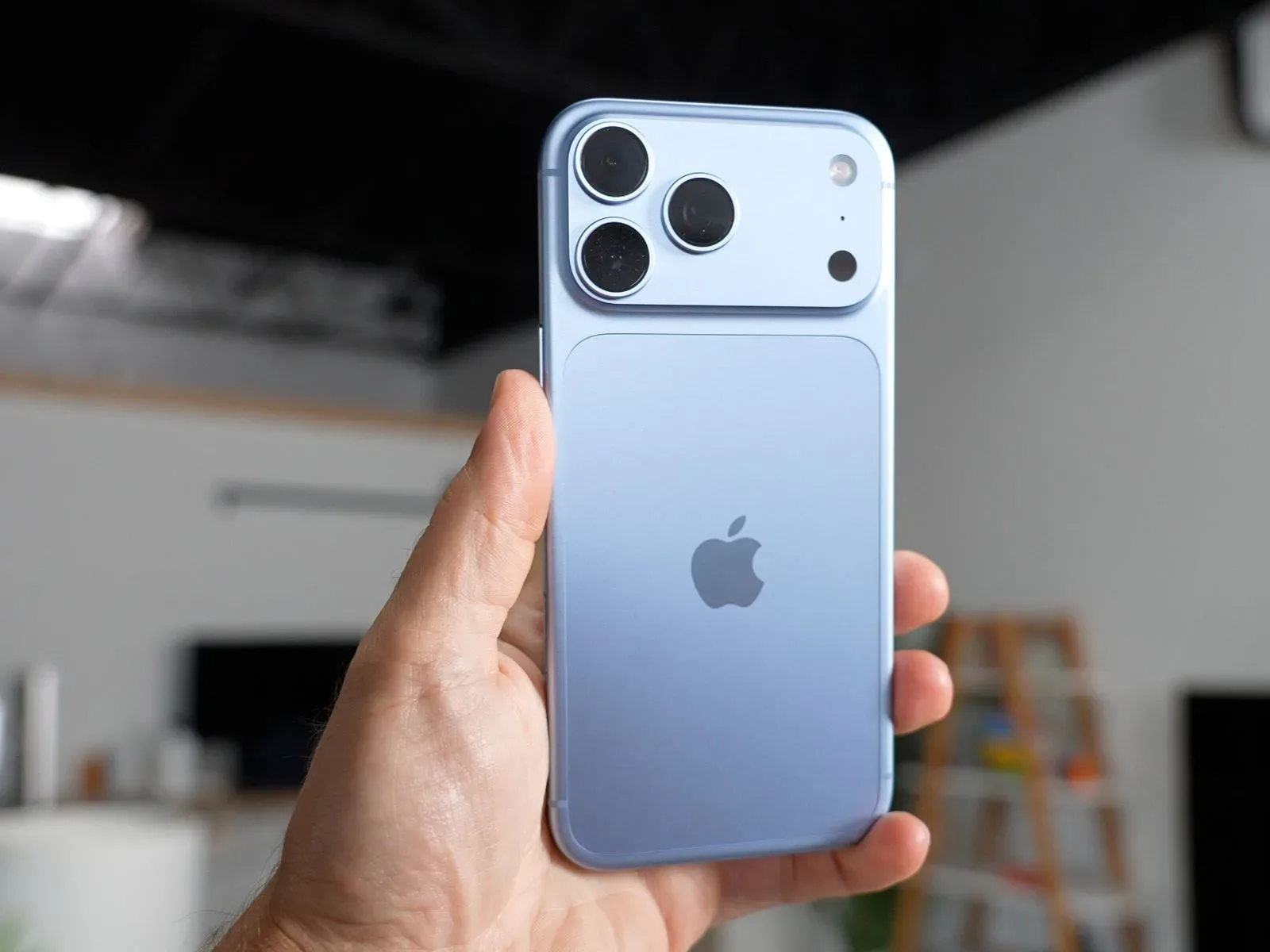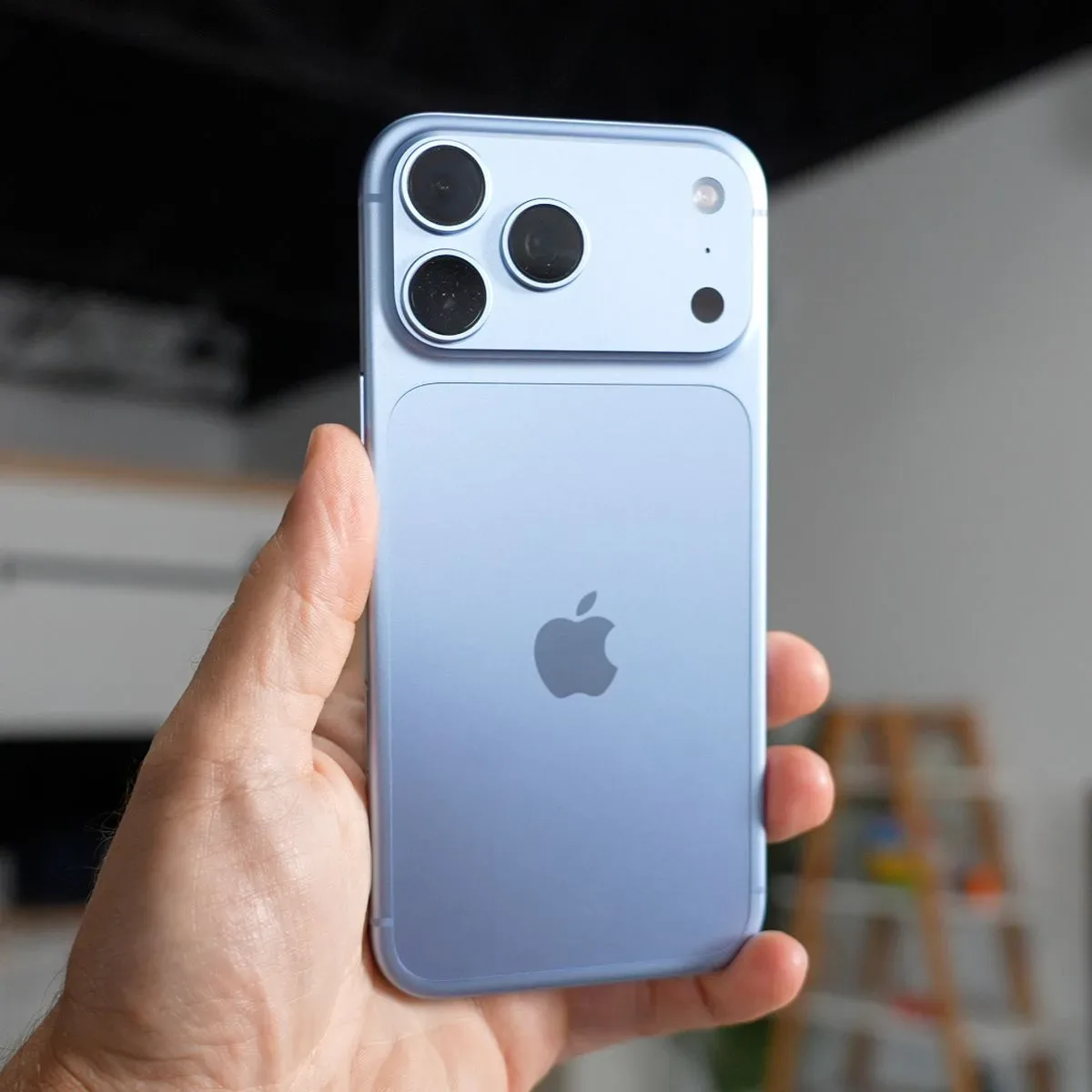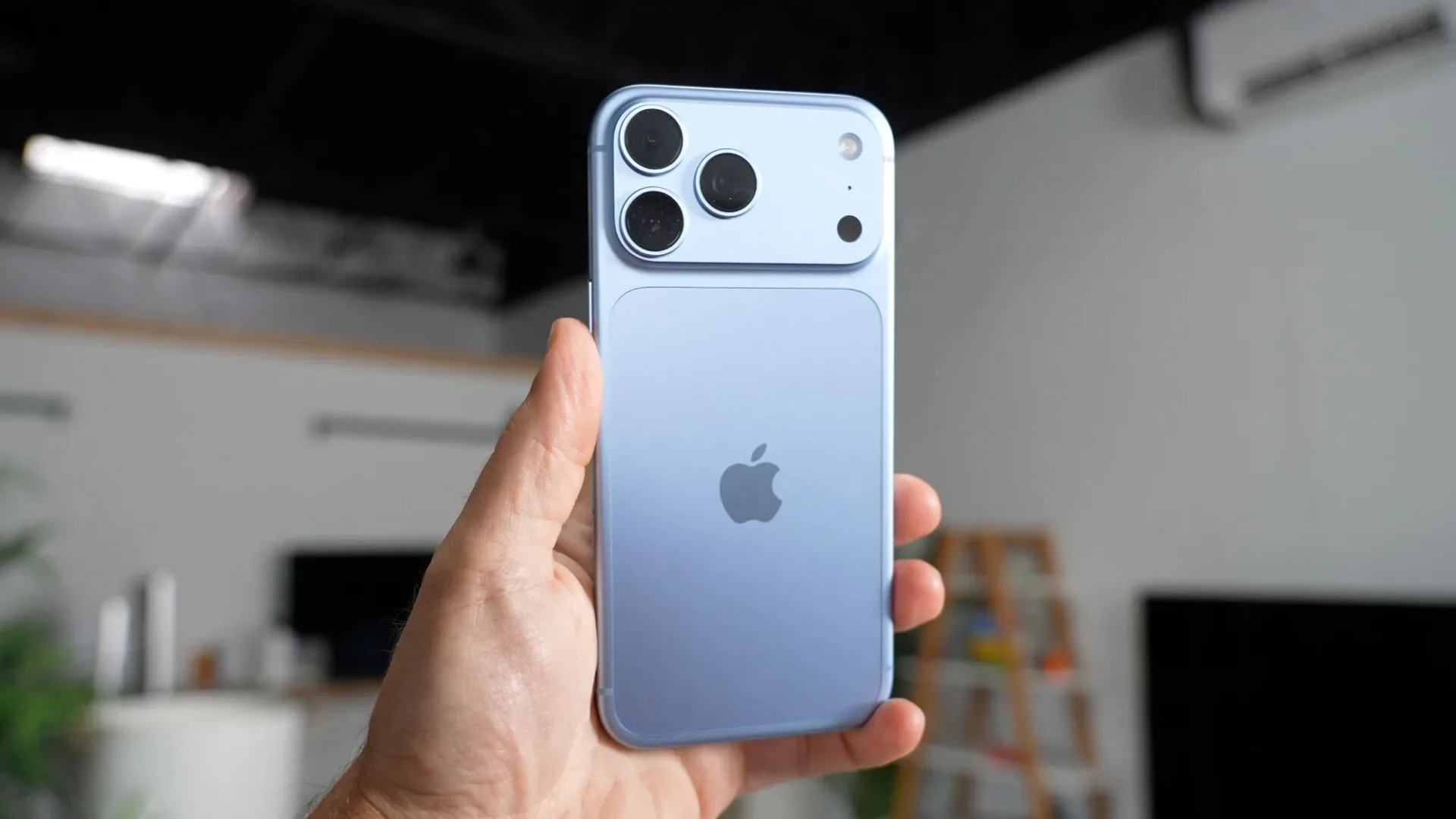
Apple’s iPhone 18 Pro and iPhone 18 Pro Max are scheduled to launch on September 18, with starting prices of $1,199 and $1,299 respectively. The headline changes are not limited to a faster processor: the new phones pair the A20 Pro chip with a larger vapor-chamber cooling setup, reduce the space taken by the Dynamic Island, and introduce a variable-aperture main camera alongside more manual photo controls.
For players, the most consequential promise may be sustained performance rather than a dramatic improvement in everyday speed. Modern flagship phones already handle messaging, web browsing and social feeds easily. Games, however, can place a longer and more demanding load on the processor and graphics hardware. That is where heat management can matter: a phone that remains cooler has a better chance of maintaining its performance instead of reducing it to manage temperature.
There are important unknowns. Battery life claims have not yet been independently evaluated, and the differing modem configurations mean the U.S. iPhone 18 Pro and iPhone 18 Pro Max will not have identical cellular hardware. Those details make the model choice more complicated than simply picking a screen size.
A cleaner exterior, with glacier joining the color lineup
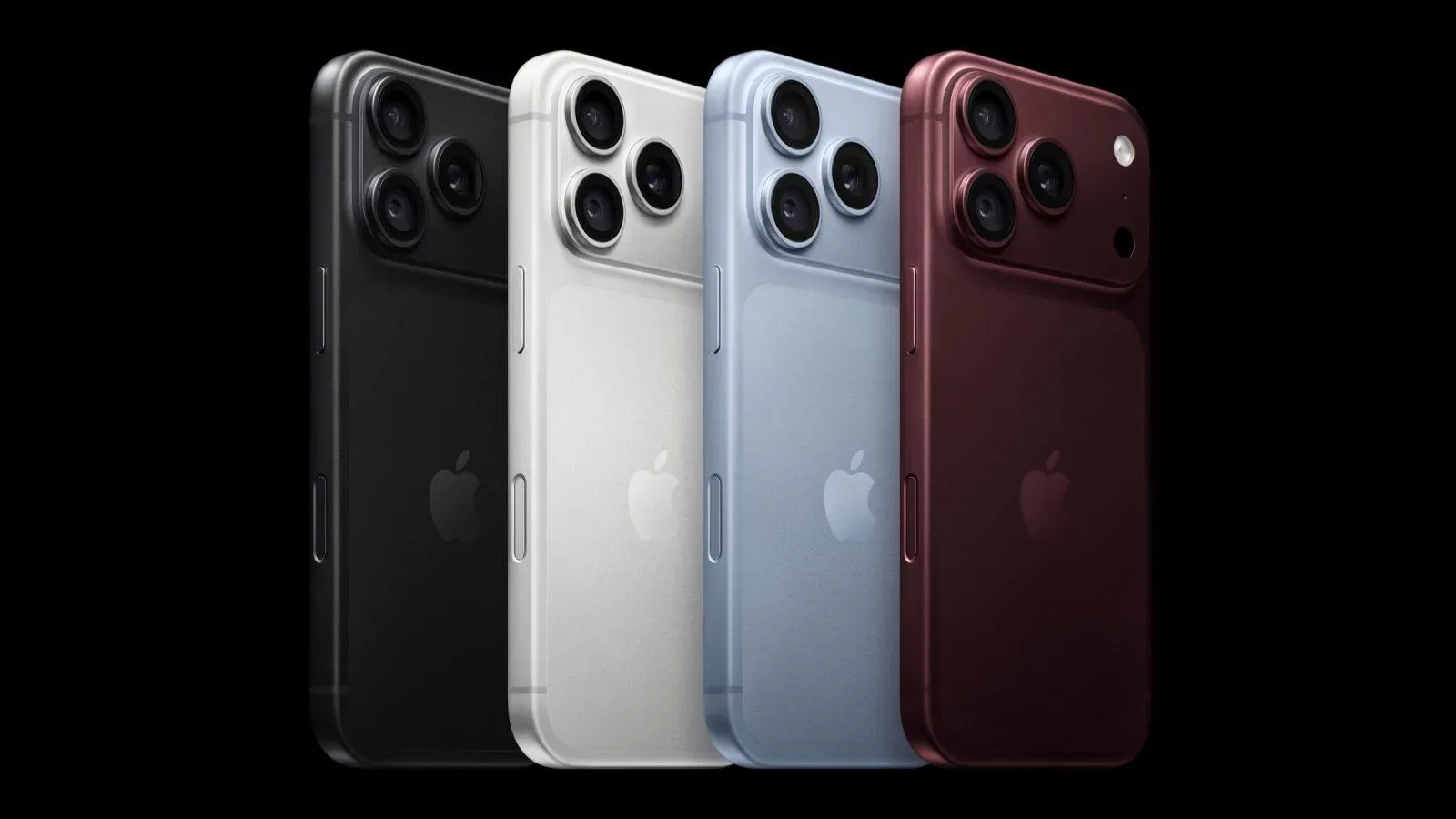
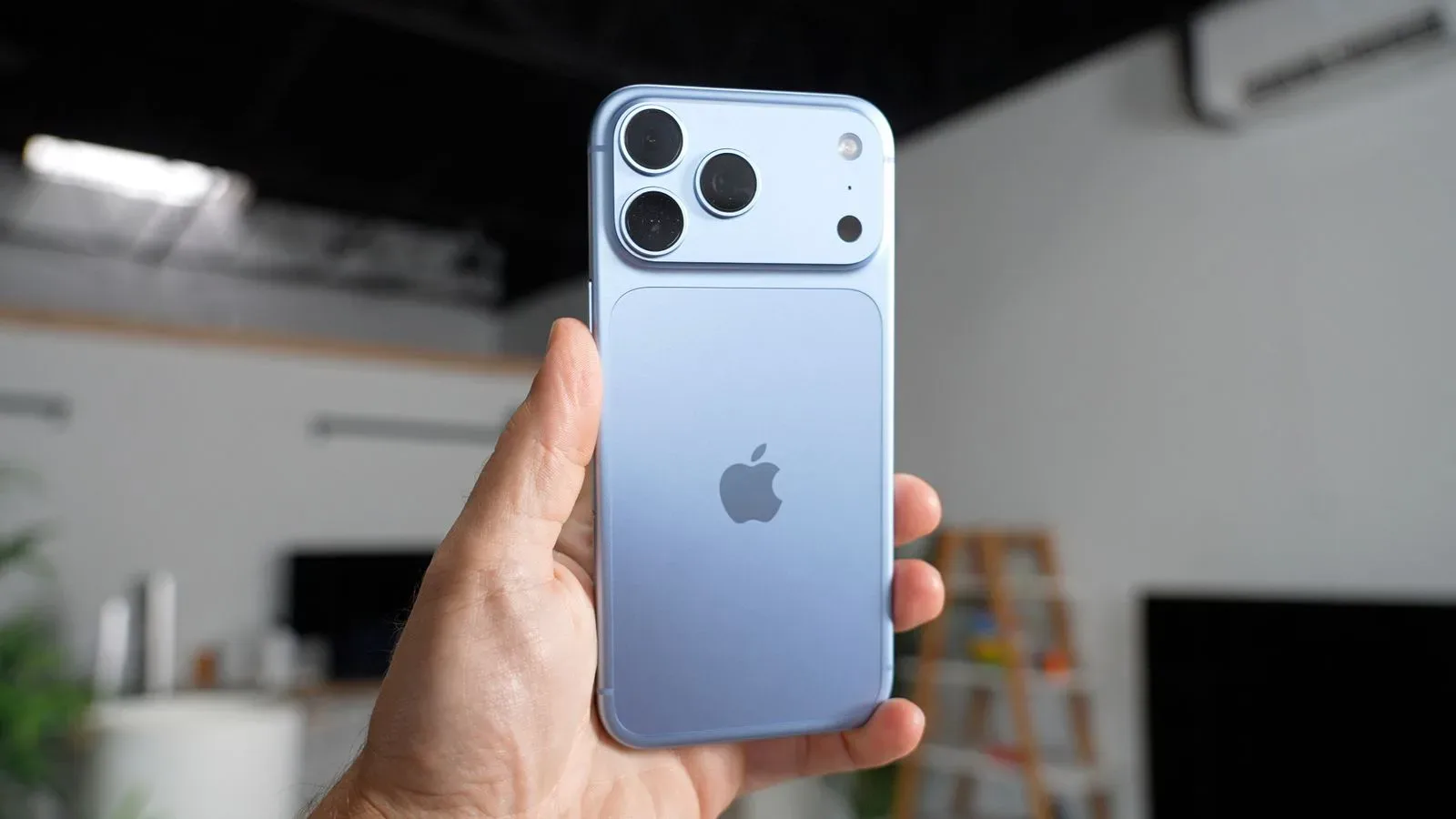
Apple has moved away from the previous two-tone look, matching the rear glass to the aluminum frame for a more uniform finish. The iPhone 18 Pro range comes in glacier, burgundy, silver and black.
Glacier is a light blue intended to read as blue rather than the almost-silver result associated with some earlier pale-blue finishes. It is an aesthetic change rather than a functional one, but the unified frame-and-glass treatment could be meaningful for buyers who found the contrast of the prior design distracting.
The A20 Pro’s gaming story is cooling, not just chip size
Both Pro models use Apple’s 2nm A20 Pro chip. “2nm” refers to the manufacturing-node label used for a chip process; it is not a straightforward measurement of every component on the processor. In practical terms, a newer process can contribute to performance and power-efficiency gains, but a chip’s real-world behavior also depends on software, workload, power limits and thermal design.
Apple’s revised thermal hardware may therefore be the more tangible gaming-focused upgrade. The vapor chamber is said to cover three times more surface area than before. A vapor chamber is a thin sealed component that moves heat away from a concentrated hot area and spreads it across a wider section of the device. Spreading heat does not make demanding work free; it helps the phone dissipate that heat more effectively.
That distinction matters in a game session. A phone may feel quick when a game first opens, but sustained graphics loads can produce heat over time. When temperatures rise, devices can reduce performance to protect components and remain within their operating limits. More effective cooling is designed to delay or lessen that problem. It is a sensible focus for games, where longer sessions and graphically intensive scenes are more likely to expose thermal limits than routine scrolling.
It should not be read as a guarantee that every game will run identically, or that every upgrade will feel immediately transformative. The benefit will depend on the title, its settings, the surrounding temperature and how long it is played. Still, the larger cooling area is a hardware change directly relevant to the sustained workloads mobile games can create. Readers following platform hardware and its effect on play may also be interested in how Xbox’s disc-to-digital feature reframes an old platform problem.
Battery estimates need real-world context
Apple says the iPhone 18 Pro can reach up to 36 hours of video playback, while the iPhone 18 Pro Max is rated for up to 45 hours. Those are video-playback figures, not gaming measurements. A game that continually stresses graphics and processing hardware, uses a cellular connection, or runs at high brightness can have a very different power profile from video playback.
For that reason, the supplied figures are useful as a manufacturer benchmark but not a direct prediction of game time. The Pro Max’s larger claimed figure may appeal to buyers who prioritize longevity, but independent battery testing is still needed, especially under demanding applications. Cooling and battery life are also related without being interchangeable: a cooler, more efficient system can help a device operate comfortably, yet game-specific endurance is ultimately a result of the full workload.
Smaller Dynamic Island, more simultaneous Live Activities
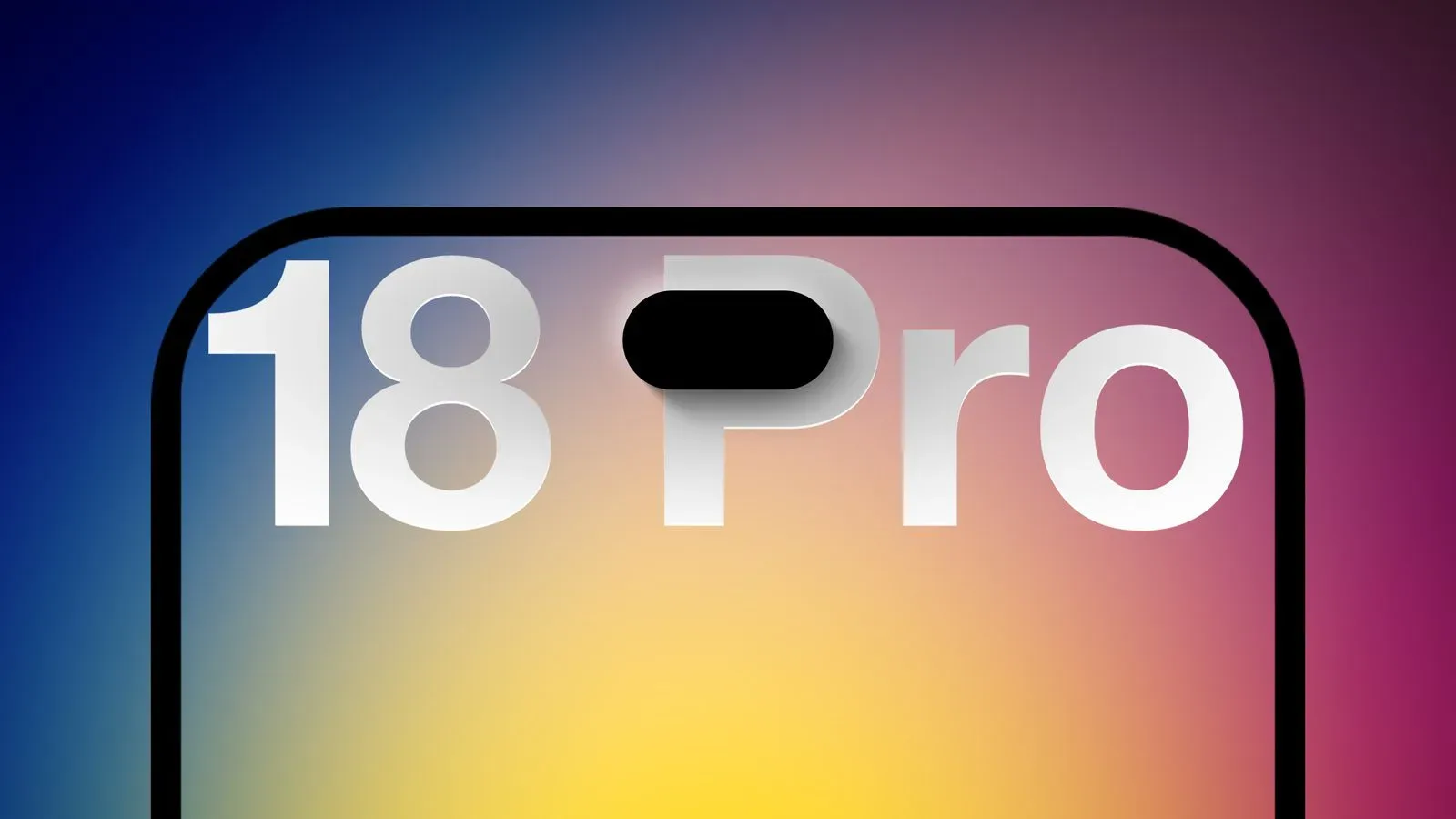
The front-facing change is easy to spot. Apple has reduced the Dynamic Island by moving the infrared camera under the display. The Dynamic Island remains, but occupies less visual space.
Apple has also expanded what it can display. It can show three Live Activities at once, or present two in more detail. Live Activities are persistent, timely status updates that can surface information without requiring a person to open the relevant app. In a gaming-adjacent use case, that could mean keeping an eye on more than one ongoing task or status item while moving among apps, though the usefulness will depend on whether individual apps support the feature and how clearly they present information.
The practical upside of a smaller cutout is straightforward: less of the display is occupied at the top of the screen. It does not change the game itself, but it is one of the few updates visible every time the device is unlocked, watched or played on.
A main camera that changes its aperture
The iPhone 18 Pro main camera receives a new sensor, changes to Apple’s computational imaging pipeline and a variable-aperture lens. Aperture is the adjustable opening through which a lens admits light. A wider opening lets in more light; a narrower opening lets in less. Aperture also affects depth of field, the range of distances that appears acceptably sharp in a photo.
Apple says the system has four aperture settings and can make its own choice in the background. In bright conditions, it can adjust to admit less light. In darker scenes, it can use a wider aperture to gather more light. The aim is to offer more control over lighting and depth without forcing a casual photographer to manage those decisions before every shot.
This is particularly relevant to creators recording conventions, display shelves, tournaments or other mixed-light environments. Better light gathering can be useful indoors or after dark, while aperture control offers another way to shape how much of a subject and its surroundings appear in focus. Results will still depend on the scene and the phone’s image processing, so the feature is best understood as an added photographic tool rather than an automatic cure for every difficult shot.
Pro Controls add shutter speed, white balance and a histogram
Those who want to set the camera themselves can use the new Pro Controls. In addition to aperture, they provide adjustments for shutter speed and white balance, plus a histogram.
- Shutter speed is how long the camera gathers light. A longer exposure can brighten a dark scene but may show movement as blur; a shorter exposure can better freeze action but collects less light.
- White balance adjusts the camera’s interpretation of the color of light. It is used to keep whites looking neutral under lighting that may be warm, cool or mixed.
- A histogram is a visual distribution of image brightness values. It can help a photographer judge exposure levels instead of relying solely on how an image looks on a display.
These controls do not replace automatic photography; they give experienced users a route to make intentional trade-offs. A collector photographing reflective packaging, for example, may want to consider exposure and color cast more closely. A person taking a quick picture can leave the variable-aperture system to work automatically.
Modem differences make region and model matter
Cellular hardware varies by region and, in the U.S., by iPhone 18 Pro model. The U.S. iPhone 18 Pro uses Apple’s C2 modem, while the U.S. iPhone 18 Pro Max uses a Qualcomm modem. Outside the U.S., both models use the C2.
The C2 adds mmWave 5G support for the first time and is described as more efficient than Qualcomm modems. mmWave is a high-frequency form of 5G that can provide high capacity and speed where it is available, though the practical experience depends on local network deployment and coverage. A modem is the part of a phone responsible for communicating with cellular networks, so its efficiency can affect power use during mobile data activity.
The split means U.S. buyers comparing the two Pro sizes are also comparing different modem hardware, not just display dimensions and price. It would be premature to declare a winner until comparative speed and efficiency testing is available. Buyers who mostly use Wi-Fi may weigh that difference differently from those who regularly download games, stream, play online or use their phones on cellular data.
What is confirmed, and what still needs testing
The September 18 launch, prices, colors, A20 Pro chip, expanded vapor chamber, Dynamic Island changes, camera features and stated modem arrangements are all part of the announced picture. Apple’s video-playback estimates establish a manufacturer claim, but they are not a substitute for independent battery analysis. Likewise, the promised efficiency of the C2 and any performance difference between it and the Qualcomm modem remain questions for future comparisons.
The iPhone 18 Pro generation’s most interesting pattern is that its upgrades are aimed at the conditions where a premium phone can be challenged: sustained heat, busy display space, difficult lighting and fine-grained creative control. The hardware may look more cohesive on the outside, but its larger practical case will rest on whether those changes translate into cooler extended play, dependable endurance and more flexible images in everyday use.