Some of the Xbox One era’s most unpopular ideas may have left behind a surprisingly useful piece of technology. Xbox can now let players insert an eligible Xbox disc and receive a digital copy that can be played without keeping the disc in the drive. The reported mechanism is not magic, nor is it a simple matter of treating any disc as proof of purchase: it depends on identifying the individual disc.
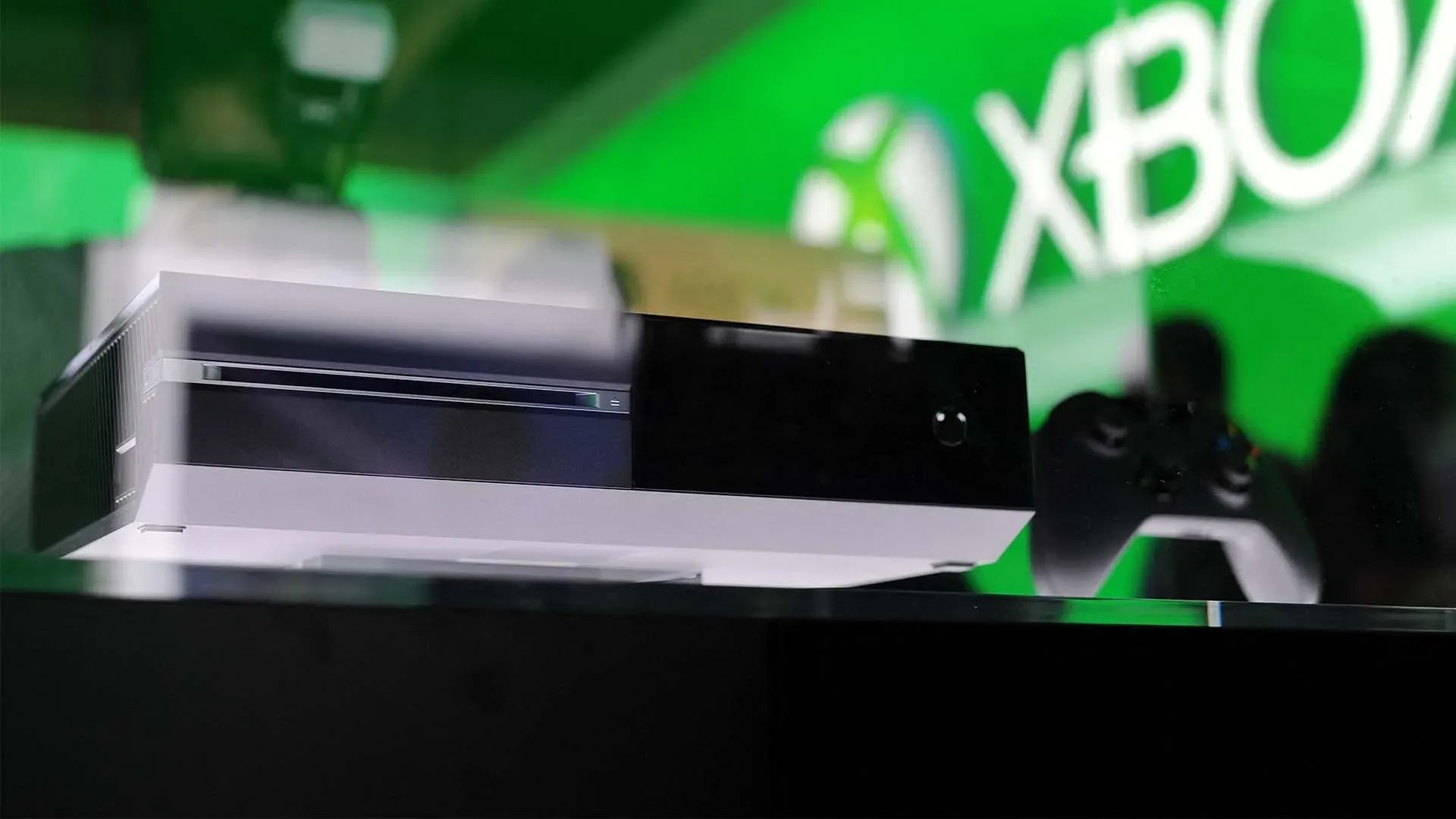
That distinction reaches back to Xbox’s controversial early vision for the Xbox One. Plans explored from as early as 2011 included broader digital ownership options, such as digital gifting and a store-based way to exchange a used game for a digital version. To enable ideas like those, Xbox began putting unique tracking information—effectively a serial number—into discs produced for the Xbox One generation.
The wider always-online and used-disc approach met a fierce response in 2013, and the plans were abandoned. Yet the disc-tracking practice reportedly continued. More than a decade later, it has become the technical foundation for the disc-to-digital feature. A feature once associated with control over physical media has, in this narrower form, become a convenience for people who own eligible discs.
What makes disc-to-digital possible
Physical game discs usually have identifying information about a release: the title, platform, edition, and manufacturing details. The important claim here is more specific. Xbox One-generation discs were made with unique information capable of distinguishing one physical copy from another. That means the system can potentially record both that a particular disc was scanned and which account redeemed the associated digital entitlement.
DRM, short for digital rights management, is the umbrella term for technical systems that control access to software or media. DRM is not automatically one thing. It can be used to verify a purchase, limit copying, require an online check, connect an item to an account, or impose other restrictions. The backlash around the Xbox One concerned a broad future in which online checks and restrictions on used discs would reshape the familiar ownership model for boxed games.
The current use described here is more limited: insert a trackable disc, have it identified, and receive a digital copy connected to an account. After that, the game can be played without the disc. In practical terms, this removes the need to swap discs when choosing a game and reduces the chance that a player’s everyday access depends on locating one specific piece of plastic.
It does not, on the information available, establish that every Xbox disc qualifies, that every release is supported, or that physical and digital ownership have become identical. It also does not tell us the program’s full rules for redemption, resale, lending, account access, or offline play. Those details matter because the value of a disc has traditionally been tied to possession: whoever has the disc can generally use it on compatible hardware. An account-linked digital copy works under a different model.
Why some early Xbox One games may be excluded
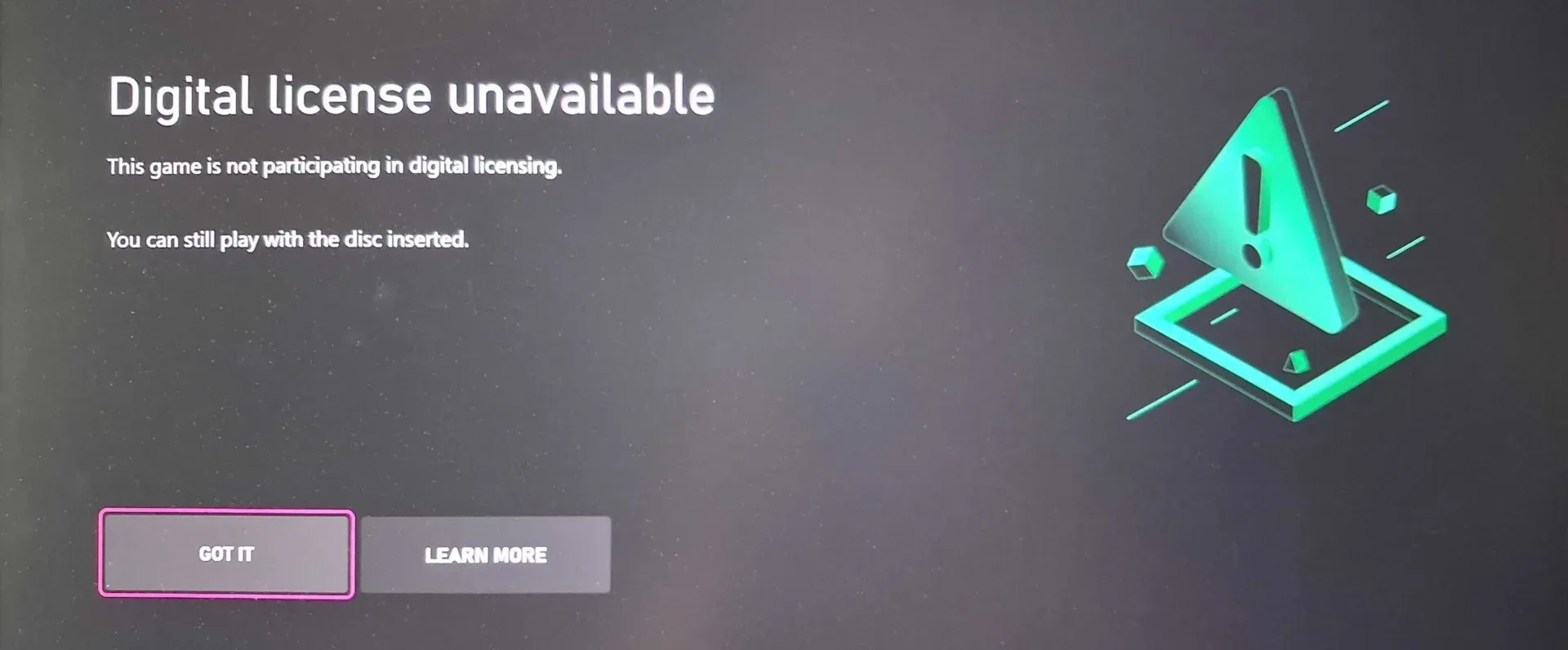
The serial-number explanation also offers a plausible reason that some discs reportedly do not work. Very early Xbox One discs may have been printed before the tracking data was included. If a disc does not contain the required unique identifier, the system has no reliable way to determine whether that individual copy has already been used for a digital conversion.
That is an important limitation to keep in mind before treating the feature as a universal upgrade path for a shelf full of games. Eligibility may depend on when a disc was manufactured, not simply on whether its label says Xbox One. A disc can be perfectly functional as a physical game while lacking the specific data necessary for this separate account-entitlement process.
There is also a useful technical reason for insisting on a unique identifier rather than merely reading the game title. If every copy of the same release were interchangeable to the system, one disc could theoretically be shown repeatedly to produce multiple digital claims. Individual tracking is what gives the platform a way to treat a particular disc as a distinct object rather than as a generic installation medium.
That capability explains both sides of the story. It was potentially useful for old proposals involving used-game exchanges and digital transfers. It is also useful now for a conversion feature. The same infrastructure can support player-friendly convenience or tighter platform control; what changes is the policy built around it.
A convenience feature, not a settled answer to ownership
Calling the result “digital ownership” is understandable shorthand, but it leaves a major legal and practical question unresolved. A player with a physical disc possesses an object. A player with a digitally redeemed game has access tied to an account and to the terms governing that service. Those arrangements can feel similar on a console dashboard, especially when both launch the same game, but they are not necessarily the same kind of right.
The unanswered questions are the ones that become more urgent as new physical releases decline:
- Can the game be played offline, and under what circumstances?
- What happens if an account cannot be accessed?
- Can an entitlement be transferred, inherited, resold, or loaned?
- How long is the platform required or able to keep downloads and authentication available?
- What becomes of the physical disc after its associated digital copy is claimed?
The supplied information does not answer these questions, so players should not assume the feature solves them. It does, however, put them in sharper focus. A frictionless conversion from disc to digital can be genuinely useful while also moving the practical center of a library away from an item a player holds and toward an account managed by a platform holder.
Offline access is especially significant. A download stored on a console is not always the same thing as a permanently independent copy. Some forms of access may depend on periodic verification or services remaining operational. The central issue is not whether digital games are convenient—they plainly can be—but what protections exist when convenience and long-term control point in different directions.
Why a PlayStation equivalent may be difficult
The same reporting suggests PlayStation may not be able to replicate this exact system easily. For a comparable disc-to-digital program to work in the same way, PlayStation would need to have embedded similarly unique, readable tracking information across its PS4 and PS5 disc production. There is no indication that it did.
That does not prove PlayStation could never create any kind of physical-to-digital offer. It means the Xbox approach appears to depend on a long-running manufacturing decision, rather than a console update that can be copied after the fact. A platform cannot add an individual identifier to millions of discs already circulating simply through software.
The contrast is timely because Sony has announced an end to physical PlayStation games in 2028. As the industry moves further toward digital distribution, the mechanics behind a player’s library matter more than ever. Xbox’s longstanding disc data offers one path from a physical purchase to an account-based copy; it does not automatically create a common industry standard.
PlayStation’s broader console strategy continues to evolve in other areas as well, including its move to make free, ad-supported television channels available on PS5. Sony’s PS5 Live TV push is a separate feature, but it illustrates how the console is increasingly a connected media platform as well as a machine for playing games.
The odd legacy of the Xbox One plan
There is a real irony in the timing. The Xbox One’s rejected vision was associated with an all-digital future and unprecedented constraints around used games. That vision was a major liability at the time. Now, as the market moves closer to a future with fewer new discs, one element of the underlying technology is being repurposed as an advantage: eligible physical owners can remove the everyday requirement to insert their disc.
Still, it is worth separating the technology from the original policy. The ability to identify a disc can enable a convenient conversion. It can also enable restrictions. Players should judge the new feature by its actual rules—its eligible discs, redemption terms, account requirements, and ongoing access guarantees—rather than assuming that a digital copy is automatically equivalent to unrestricted ownership.
For Xbox owners with compatible discs, disc-to-digital may be a welcome bridge between a physical library and a digital-first routine. For the industry, it is a reminder that the least visible part of a game—the data baked into the disc at manufacture—can shape what ownership options are possible years later. The larger challenge is no longer simply making games easy to download. It is ensuring that players retain understandable, durable rights to play the games they paid for.