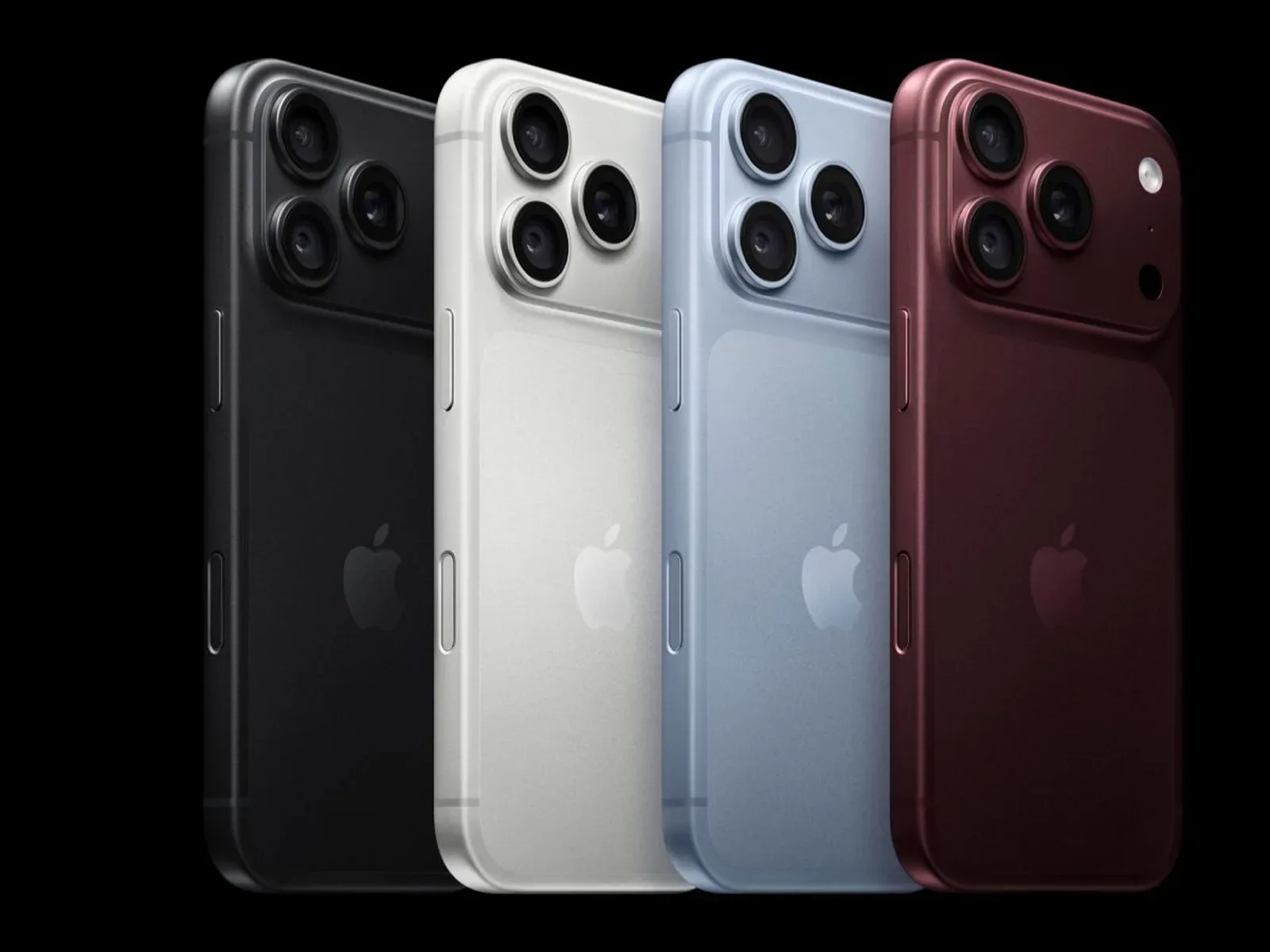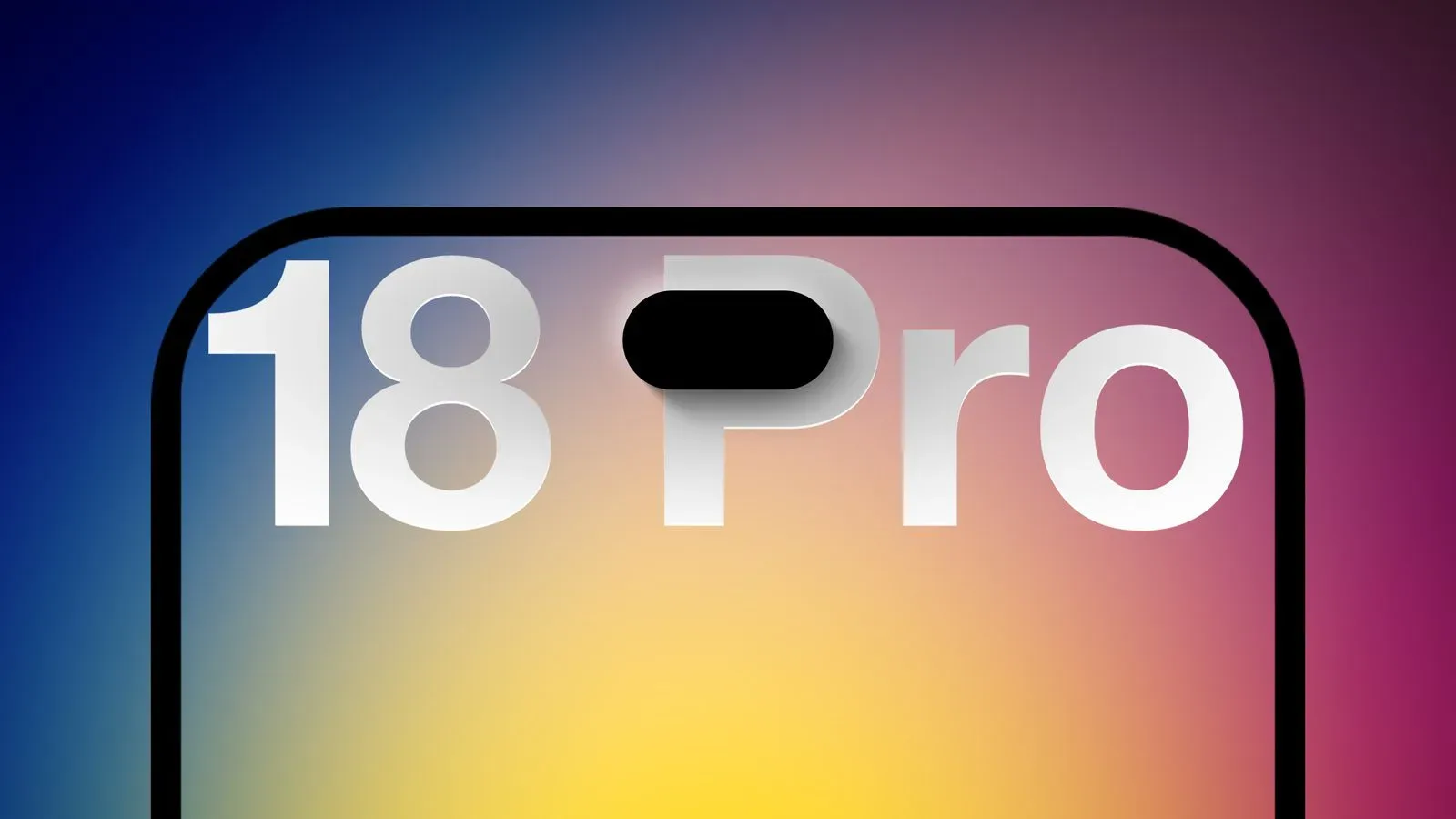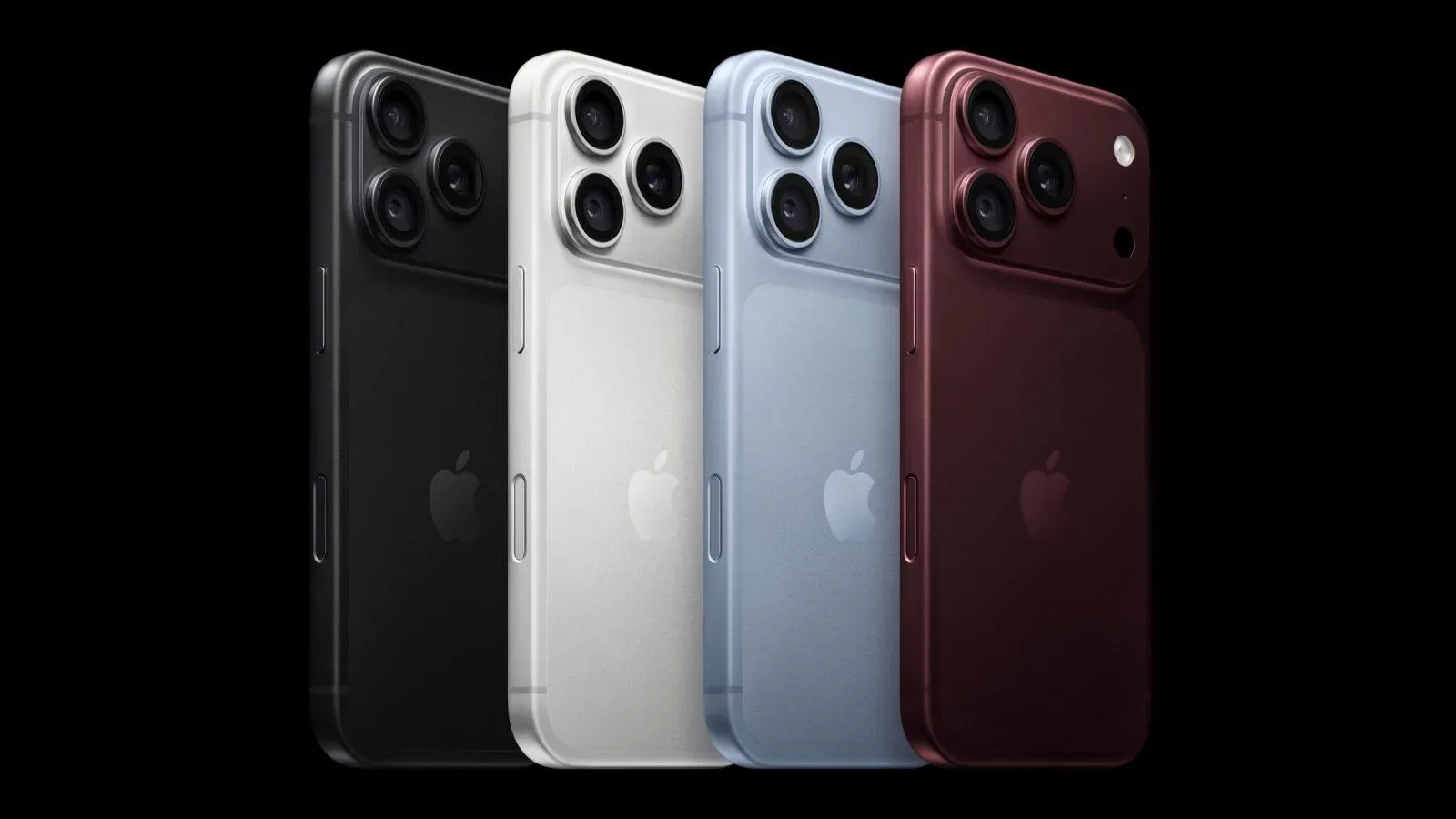
Apple has only just introduced the iPhone 18 Pro lineup, yet the next major waiting-game debate is already taking shape. A report points to a special iPhone planned for 2027, the 20th anniversary of the original 2007 iPhone, with an unusually ambitious visual overhaul. The device is widely being referred to as the “iPhone 20,” although that name has not been confirmed.
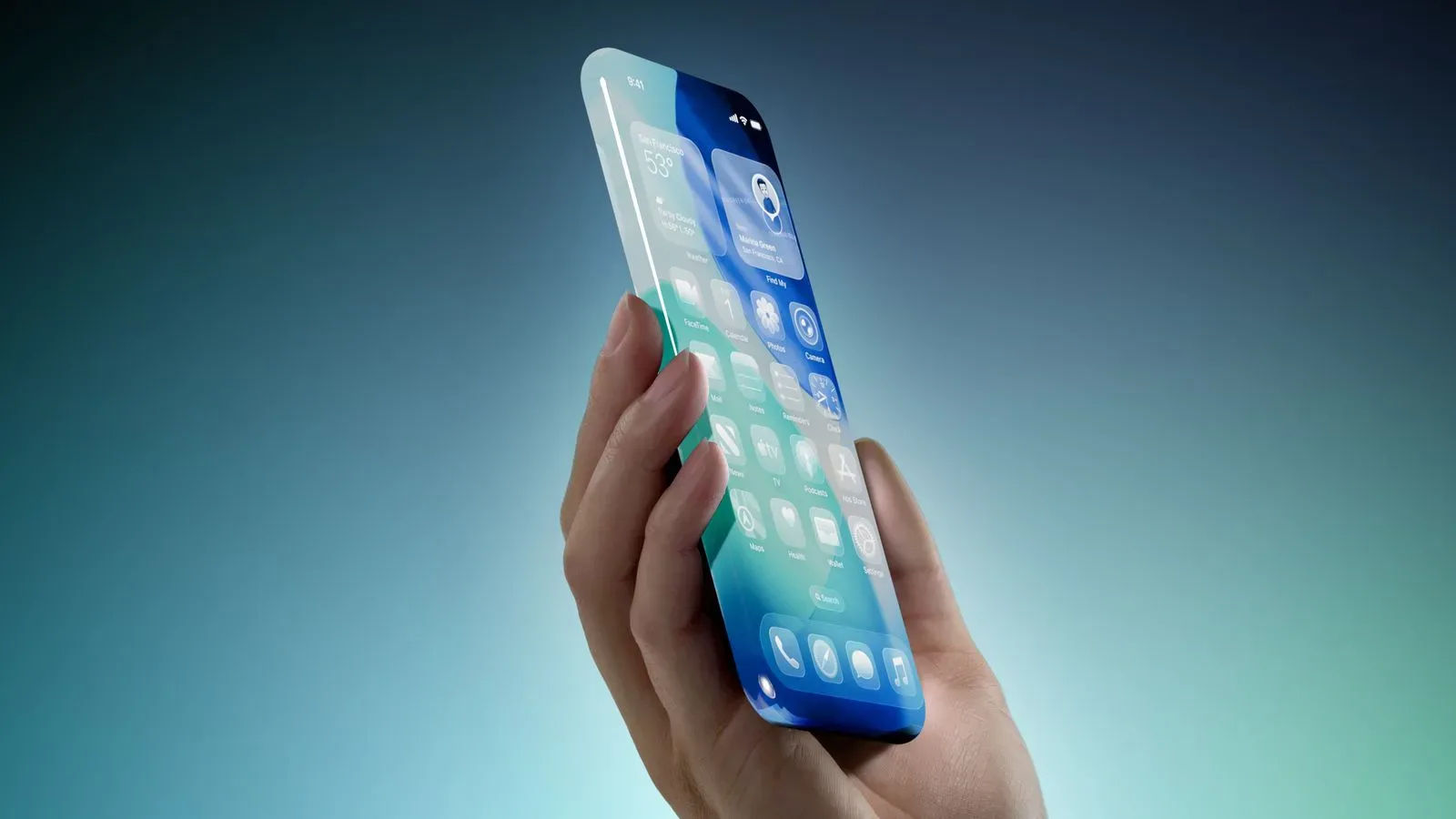
The central claim is not a routine yearly refinement. The anniversary model is said to be in development with glass that curves around every corner and edge, accompanied by thinner display borders. If it arrives in the form currently described, it would represent the most substantial shift for Apple’s Pro-focused iPhone design since the iPhone X changed the family’s direction in 2017.
That is a large conditional if. There is no official announcement, no published specification sheet, and no guarantee that a concept this demanding will survive development unchanged. Still, the possibility is enough to make some prospective iPhone 18 Pro buyers ask the perennial question: buy the excellent-looking new hardware, or wait for the potentially historic one?
The anniversary timing gives the iPhone 20 rumor real narrative weight
The original iPhone was unveiled by Steve Jobs in 2007. That makes 2027 a natural moment for Apple to attach special significance to a new model. Anniversary products tend to invite bigger statements than ordinary annual updates, and the iPhone already has precedent for a landmark release reshaping the lineup’s appearance and interface priorities.
In 2017, the iPhone X introduced Face ID and removed the longstanding Touch ID Home button. Without that button taking up space below the screen, the display could reach much closer to the edges than on previous iPhones. Its influence did not stop with a single premium handset; it helped set the visual template for the iPhones that followed.
The rumored 2027 direction sounds like an attempt to push that edge-to-edge idea further. Rather than simply reducing the visible frame surrounding a flat front panel, the display and glass treatment could appear to flow around the handset’s corners and sides. It is easy to understand why that idea has attracted attention: a nearly uninterrupted glass object would be a dramatic departure from the familiar slab-like smartphone silhouette.
The important word is “rumored.” A striking anniversary concept is not the same thing as a finalized retail product.
There are unanswered questions that matter as much as the headline design. How would such a device handle drops, repairs, camera placement, physical buttons, antennas, internal components, and comfortable day-to-day grip? The current information does not provide those answers. A thinner-bezel, extensively curved-glass iPhone may be the objective, but its exact implementation remains unclear.
Why comparisons to the iPhone X are significant
Calling a future phone the biggest Pro-line redesign since iPhone X is a high bar. The iPhone X did more than polish a camera or raise a performance number. It established Face ID as a major form of authentication for the line and made the screen feel like the dominant physical feature of the phone.
A prospective iPhone 20 would not necessarily repeat that formula. Nothing currently establishes a new biometric system, a new interface method, or a particular camera change. The comparison instead highlights the intended scale of the exterior redesign. Curved glass around the device’s corners and edges, paired with narrower screen borders, suggests a phone designed to look less like a display installed in a metal-and-glass frame and more like a single continuous display surface.
For people who treat their phone as a constant companion for games, videos, messaging, capture, and portable entertainment, visual design can be more than a showroom flourish. Screen borders affect perceived immersion, while the shape and materials influence how the hardware feels during longer sessions. But those benefits cannot be assessed from an unconfirmed description. A wraparound appearance could be genuinely elegant, or it could involve practical tradeoffs that only a finished product could reveal.
That distinction is especially worth remembering in a hobby where annual hardware chatter can make every new purchase feel obsolete before it leaves the box. The same cycle appears throughout gaming: a new console revision, handheld, controller, or display rumor can be compelling, while the machine available today still plays the games people want to play. The latest gaming clip roundup is a useful reminder that the actual entertainment is happening in the present, not merely in future-hardware speculation.
What the iPhone 18 Pro actually brings
Waiting only makes sense when weighed against what is already on the table. The iPhone 18 Pro models include Apple’s A20 Pro chip, with claimed gains of up to 20% in CPU performance and up to 40% in GPU performance over the A19 Pro. Those are notable stated comparisons, particularly for buyers coming from older phones whose performance, battery longevity, or thermal behavior no longer fits their daily use.
The Pro models also feature a smaller Dynamic Island. On the camera side, the main 48-megapixel Fusion camera gains variable aperture. Apple is also touting longer battery life and a larger vapor chamber cooling system intended to improve heat dissipation.
Each of those changes serves a different type of buyer:
- Performance-focused upgraders may care most about the A20 Pro’s claimed CPU and GPU improvements.
- Camera-minded shoppers may place the most value on variable aperture for the primary 48-megapixel Fusion camera.
- People dissatisfied with endurance or heat may look toward the longer battery life and larger vapor chamber.
- Design-conscious owners may appreciate the smaller Dynamic Island, while deciding whether it is enough of a visible change to justify upgrading.
None of that proves the iPhone 18 Pro is the correct purchase for everyone. A person already happy with a recent model may see these as evolutionary upgrades. Someone carrying a much older device, meanwhile, may find the combination of faster silicon, camera changes, battery improvements, and cooling considerably more persuasive than an unproven promise a year away.
The sensible case for waiting—and the equally sensible case not to
There is a rational case for delaying an upgrade if the rumored anniversary design is what a buyer truly values. Someone who changes phones infrequently and wants the biggest possible visual departure may prefer to see what 2027 brings before committing to the iPhone 18 Pro. If the reported redesign reaches production intact, waiting could mean buying into the start of a new iPhone design era rather than the last step in the current one.
But waiting based on this report also means accepting several layers of uncertainty. The anniversary device could be altered. The curved-glass ambition could be reduced. The product could use a different name, arrive in a different configuration than expected, or simply not satisfy the expectations created by early descriptions. Even a successful redesign might prioritize aesthetics in ways some buyers dislike.
There is also the immediate issue: a phone is a tool, not merely a future collectible. If an existing handset has a weakened battery, insufficient storage, unreliable performance, or hardware damage, postponing a needed replacement for a speculative model is not automatically a victory. The iPhone 18 Pro’s confirmed feature set is more concrete than any 2027 possibility.
A simple way to frame the decision
- Upgrade now if your current phone is creating real friction and the iPhone 18 Pro’s processor, camera, battery, or cooling upgrades solve that problem.
- Wait if your current device remains satisfactory and the potential for a major physical redesign matters more to you than this year’s confirmed feature list.
- Avoid treating a rumor as a specification until Apple provides official details. The more unusual the proposed design, the more room there is for development changes.
The phrase “iPhone 20” itself should be approached with the same caution. It is a convenient label for a possible 20th-anniversary iPhone, not a confirmed product name. Apple’s eventual naming choice is unknown, as are its complete design, hardware capabilities, and release details.
A 2027 redesign is intriguing, not inevitable
The most compelling part of the anniversary iPhone story is also the least settled: an almost all-glass appearance with curvature around the device’s corners and edges. That would be a memorable way to acknowledge two decades of the iPhone, and it would explain the comparison with the iPhone X. It is also precisely the sort of technically and ergonomically complicated ambition that can evolve before launch.
For now, the iPhone 18 Pro should be judged on what has been introduced: the A20 Pro’s stated performance advances, a smaller Dynamic Island, variable aperture on the main 48-megapixel Fusion camera, longer battery life, and a larger vapor chamber for thermal management. The proposed 2027 handset should be judged as an interesting report with a credible anniversary hook, not a finished device sitting beside it on a store shelf.
That leaves buyers with a familiar but honest answer. If the iPhone 18 Pro’s improvements matter today, there is a clear case to upgrade. If they do not, and a potentially sweeping redesign is the real prize, waiting may be worthwhile. Just leave room for the possibility that next year’s most exciting iPhone rumor will change shape before the phone itself does.