Apple is expected to unveil the iPhone 18 Pro and iPhone 18 Pro Max on Wednesday, September 9, and the early picture is one of a familiar-looking premium phone receiving meaningful but relatively contained internal upgrades. That can still make for an excellent device. It also creates an unusually clear dilemma for anyone who does not need to replace a phone immediately: buy the dependable next step, or hang onto the current handset in the hope that Apple’s expected 20th-anniversary model becomes the long-rumored reinvention.
That prospective 2027 device is widely referred to in rumors as the iPhone 20, with Apple thought likely to bypass an iPhone 19 name for the commemorative release. The theory is not that next year’s standard annual upgrade will suddenly become unimportant. Rather, the collection of features reportedly being investigated for the anniversary hardware sounds much larger in scope than a routine processor, camera, and software refresh.
For gamers, collectors, and people who use a phone as the command center for their digital life, patience is not automatically the correct choice. A better battery, a stronger chip, or a camera improvement available now may matter far more than a speculative device expected roughly a year later. But the rumors are substantial enough to make an upgrade decision feel less like choosing between two versions of the same controller and more like deciding whether to buy before the next console generation gets announced.
A familiar iPhone 18 Pro design may be the point
The expected iPhone 18 Pro and iPhone 18 Pro Max are rumored to retain much of the iPhone 17 Pro visual formula. Their displays are expected to remain at 6.3 inches and 6.9 inches, respectively. That continuity should not be framed as a failure by default. Mature smartphone designs have reached the point where stability can be useful: familiar cases, established ergonomics, and fewer surprises for people who prefer an annual upgrade without having to relearn the hardware in their pocket.
Still, an evolutionary exterior makes the next model less irresistible to owners of recent Pro iPhones. The likely headline inside is the expected A20 Pro chip, while the larger leap is rumored to arrive after it through a second-generation 2-nanometer processor, potentially called the A21 Pro, in the anniversary device. Generational chip names and manufacturing-process labels do not guarantee a specific real-world performance gap, particularly before devices exist, but they do suggest that 2027 could be a more consequential moment for Apple silicon.
Anyone deciding now should also keep the ordinary life of their current phone in view. If its battery is struggling, storage is packed, its screen is damaged, or it can no longer comfortably handle the games, camera workload, accessibility needs, and apps that matter daily, delaying for a rumor is a miserable way to chase a theoretical win. Software changes can also make a present phone feel more useful. Those adjusting Apple’s voice assistant before the next major OS cycle can start with these Siri voice, speed, and response-style settings, rather than treating a new handset as the only route to a different experience.
The borderless-screen ambition
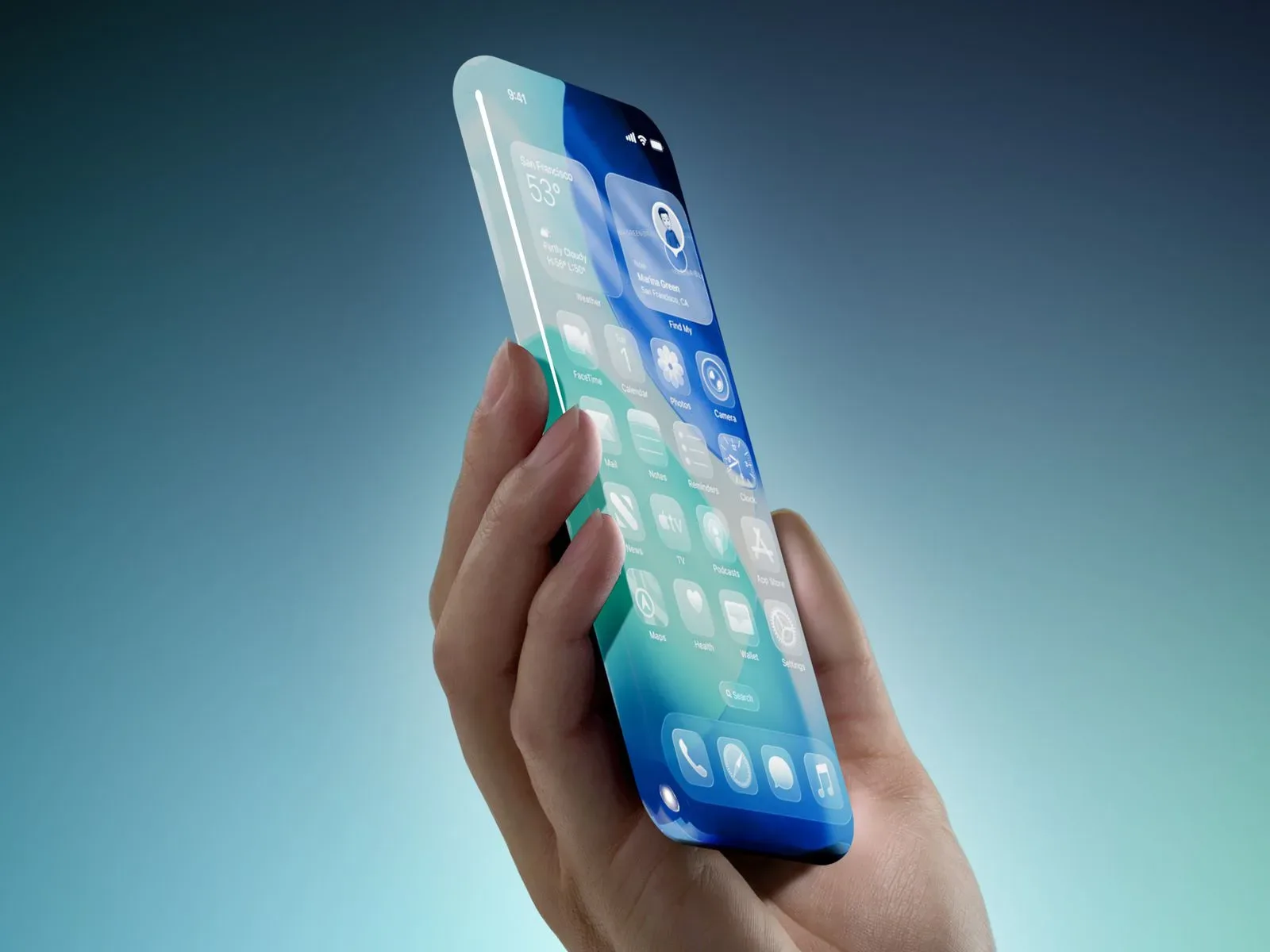
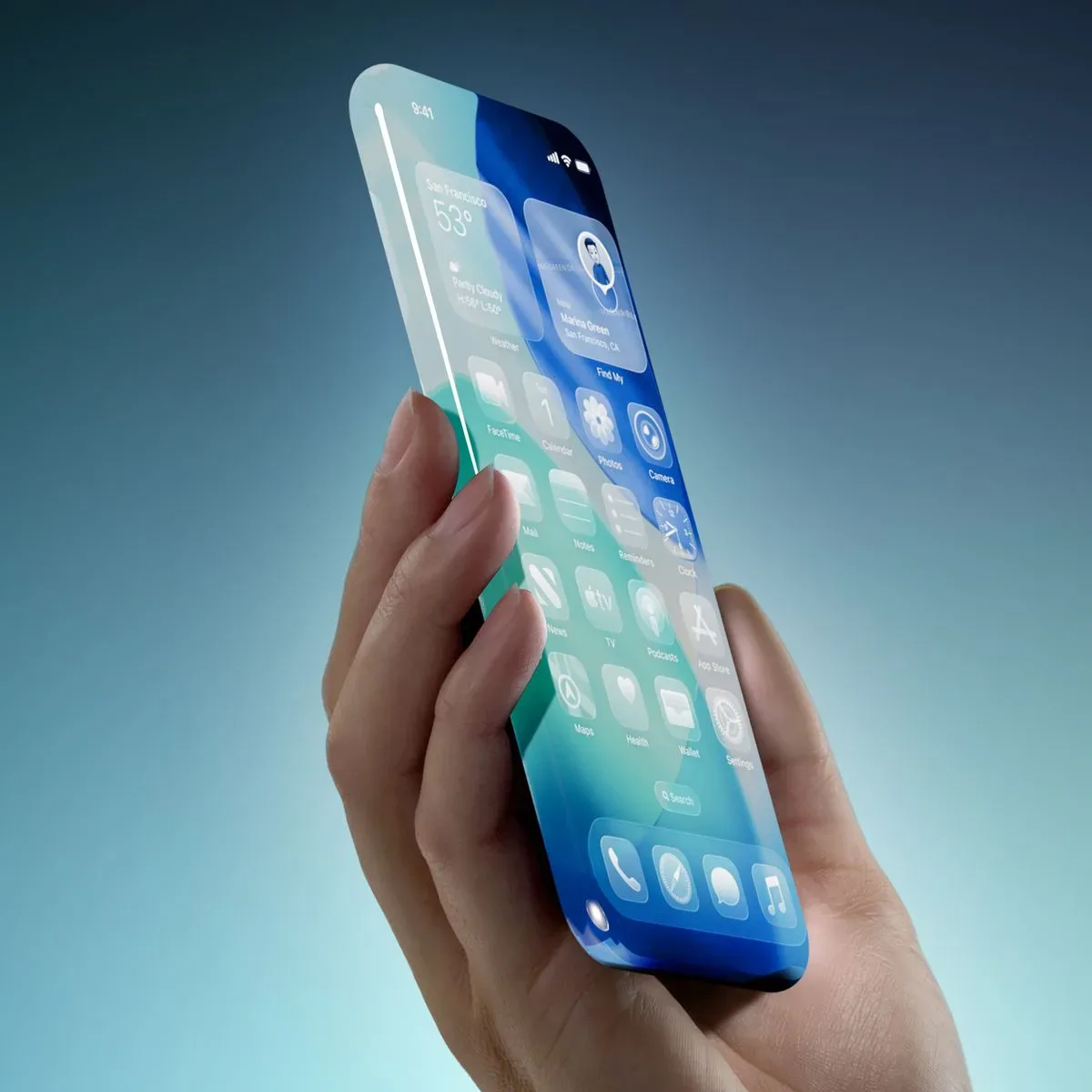
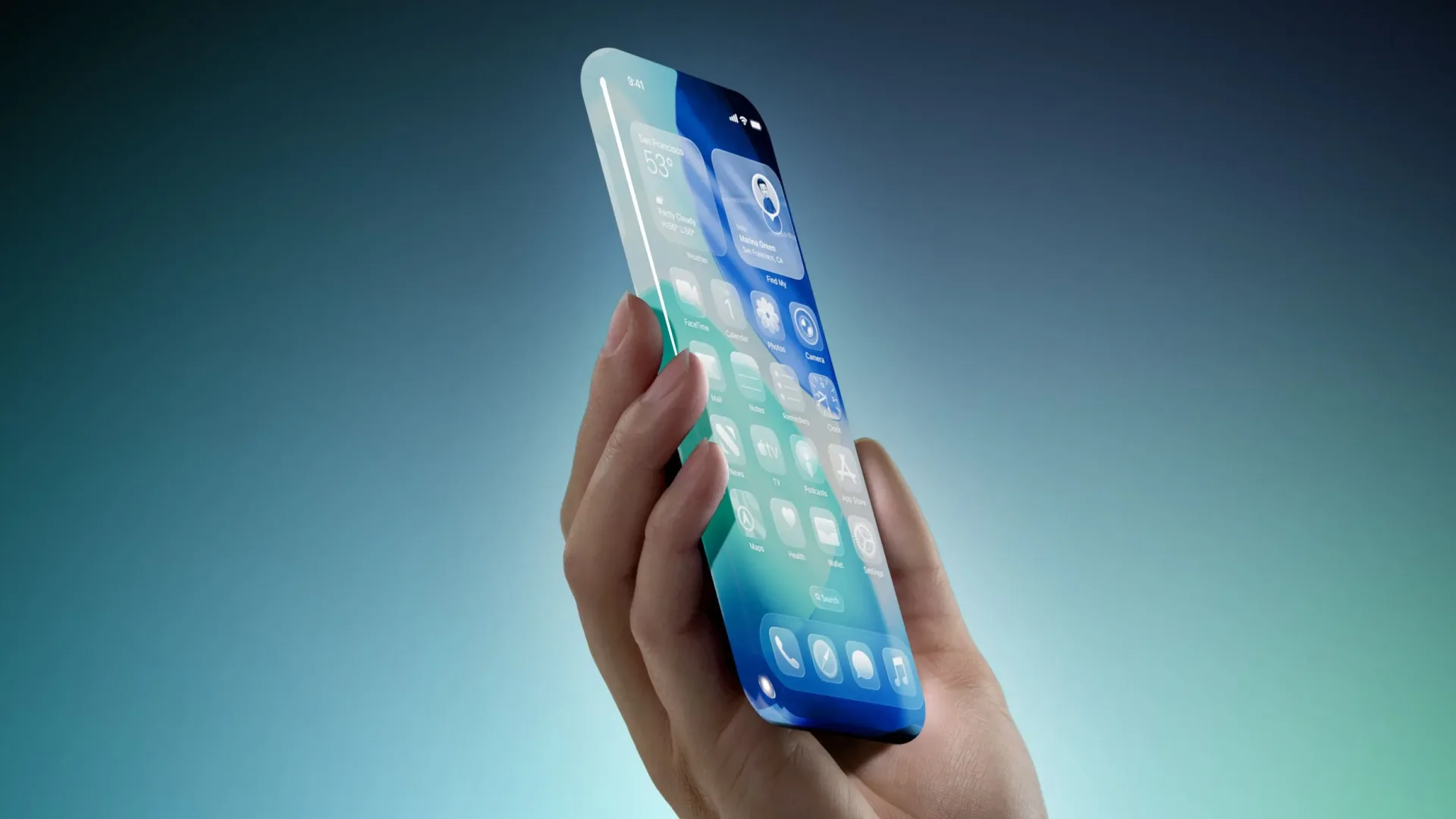
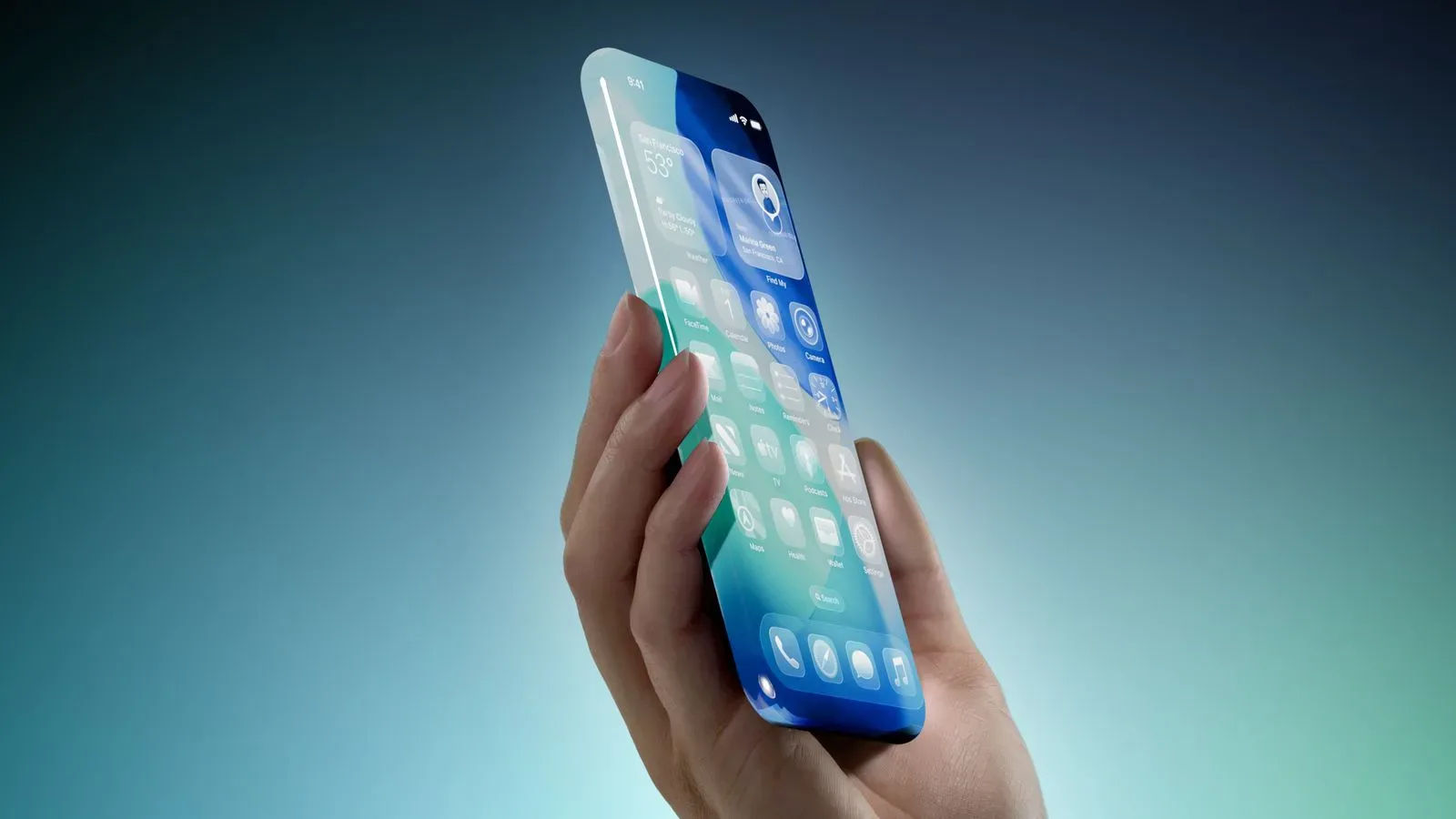
The most immediately visible iPhone 20 rumor concerns the front of the device. Apple is said to be exploring an all-glass look in which the display glass curves down every side. The metal frame would be less apparent during regular use, creating a more borderless appearance. Reports have connected this concept with Samsung and an equal-depth, four-sided curved display approach.
If it reaches production, that would be a dramatic departure from the largely flat-sided visual language that has defined recent iPhones. It could make video, game art, and full-screen interfaces appear to run nearly edge to edge. It could also raise completely practical questions that leaks cannot answer: how the phone feels in a hand, how well it resists damage, whether accidental touches become annoying, and what protective cases do to the intended effect.
The screen itself may use a newer OLED construction known as Color Filter on Encapsulation, or COE. The claimed advantages are a thinner display stack, improved light transmission, increased brightness, and potentially lower power consumption. That combination is naturally enticing for mobile games, streaming, and outdoor use. Yet this remains a technical direction rather than a confirmed iPhone specification. A brighter panel is easy to understand; the engineering compromises required to deliver it at mass scale are the important unknown.
Could the Dynamic Island finally disappear?
Another frequently discussed iPhone 20 possibility is an uninterrupted display with Face ID hardware beneath the screen, accompanied by an under-display front camera. In principle, that would remove the Dynamic Island cutout entirely. It is the sort of clean front-facing design that has been forecast for years, and the fact that it remains under discussion is a reason to keep expectations measured.
Under-display biometric sensors and cameras are difficult propositions. A phone must preserve secure facial authentication, produce acceptable selfie and video quality, manage the altered appearance of pixels above the components, and do all of this reliably in millions of devices. The technology may be in testing, but whether it will be ready for a fall 2027 product is genuinely uncertain. This is one rumor category where waiting specifically for one feature can backfire, because timing has historically proved slippery.
The anniversary iPhone rumors describe an unusually ambitious target, not a promised feature list. A feature being prototyped is not the same thing as a feature ready for a retail box.
Camera and controls could change beneath the surface
Apple is also rumored to be developing its own stacked image sensor, potentially replacing the Sony sensors traditionally used in iPhones. A working prototype has reportedly been developed. The proposed sensor may employ LOFIC, short for lateral overflow integration capacitor, a technology intended to let pixels hold differing levels of light. The ultimate claim attached to this approach is as much as 20 stops of dynamic range.
That is a striking prospect for photos and video with bright skies, deep shadows, neon signs, and other high-contrast scenes. But dynamic-range figures can be complicated even on finished cameras, influenced by sensor behavior, processing, lenses, exposure choices, and how manufacturers measure the result. The safer reading is that Apple may be investigating a route toward a more flexible imaging system, not that a specific result is assured for iPhone 20.
Physical interaction may be another target. Apple is said to be testing solid-state, haptic alternatives for the Side, Volume, Action, and Camera Control buttons. Instead of moving mechanical controls, the device frame could recognize a press and answer with tactile feedback. A successful implementation might reduce moving parts and make the handset feel like a single seamless object. Conversely, buttons are among the most instinctive pieces of a phone’s design, especially when taking quick pictures or adjusting volume without looking. Whether haptics feel convincing enough will matter more than how futuristic they sound.
Battery, memory, and the AI question
Two less glamorous rumors may prove more important than the visual overhaul. Apple is reportedly considering silicon-anode battery technology, which could hold more lithium ions per gram than conventional approaches. The hoped-for result would be longer battery life without making the battery physically larger. That has obvious appeal for a phone used for navigation, camera capture, game streaming, messaging, and everything else in between.
There is also talk of mobile high-bandwidth memory using vertically stacked DRAM. More memory bandwidth could help on-device AI workloads, which are increasingly central to the industry’s pitch for premium mobile hardware. The phrase can sound abstract, but it points to a practical issue: features that process language, images, and context locally may require the phone’s processor and memory to feed data to each other more quickly.
Neither rumor should be reduced to a guarantee that an iPhone 20 will last two days or transform AI overnight. It does indicate that the anniversary model may aim at foundational changes, not merely a shinier chassis. The most valuable upgrades are often the ones a user notices as less waiting, fewer charging worries, and a device that stays capable longer.
Size could be part of the anniversary statement
Apple is rumored to be prototyping a 6.4-inch display for the iPhone 20 Pro and a 7-inch panel for the larger iPhone 20 Pro Max. Those would be increases over the anticipated 6.3-inch and 6.9-inch iPhone 18 Pro sizes. A 7-inch phone would be particularly notable, straddling the line between oversized handset and pocketable mini-tablet.
More screen space is attractive for games with touch controls, remote play interfaces, media, editing, and reading. It is less attractive to everyone who values one-handed use, lighter pockets, and a less conspicuous device. Bigger is therefore not an automatic upgrade, but it would reinforce the idea that Apple is considering a noticeably different flagship silhouette for 2027.
What the waiting game actually means
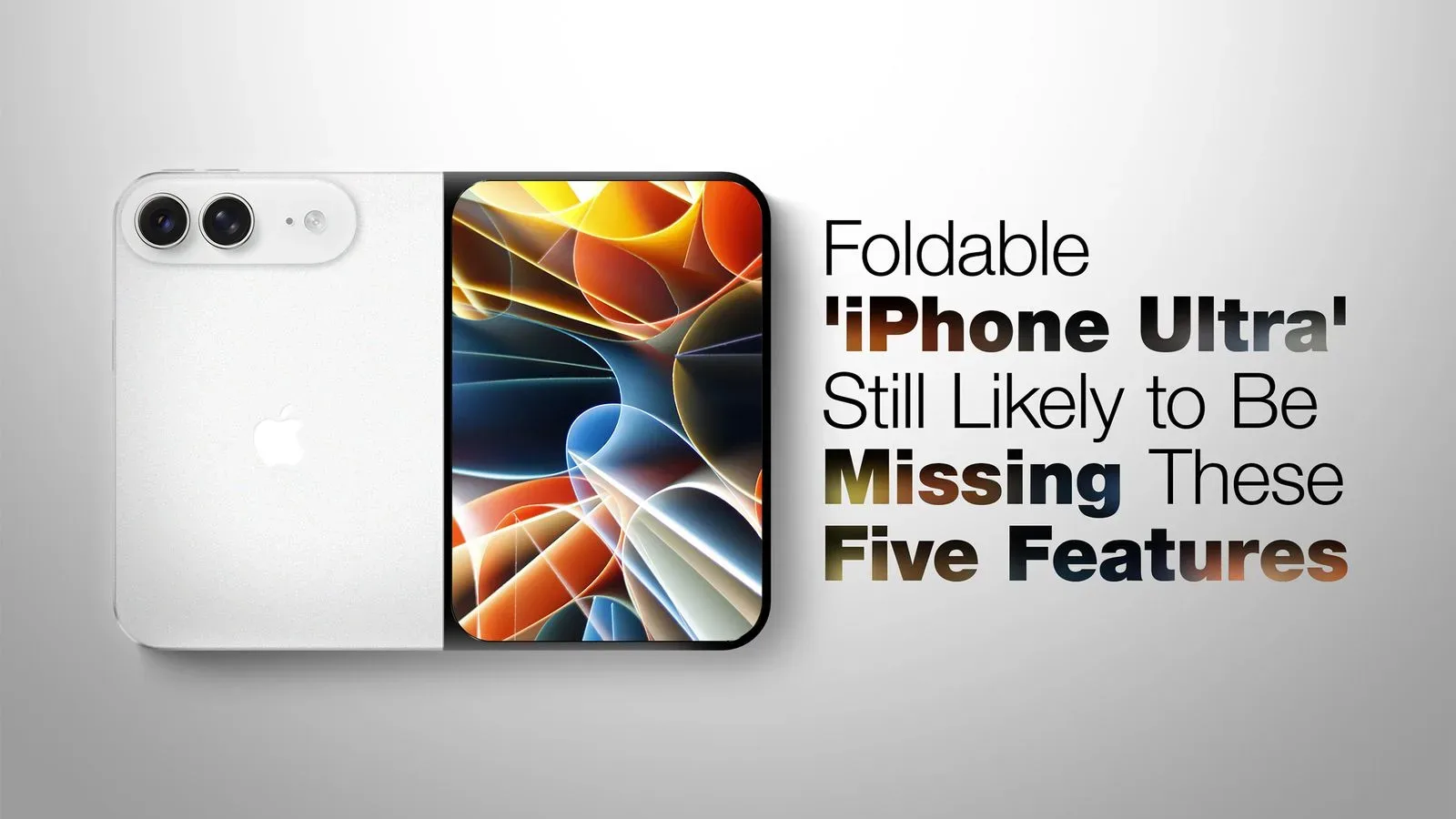
The iPhone X arrived in 2017 as Apple’s 10th-anniversary marker and represented a major design change. The current rumors suggest the company may hope to create a similarly memorable moment for the 20th anniversary. A four-sided curved glass body, a thinner brighter OLED panel, hidden front sensors, custom camera hardware, haptic controls, new battery chemistry, advanced memory, and potentially larger displays would add up to a much more extensive rethink than the expected iPhone 18 Pro update.
But every item in that list remains rumor, and Apple’s plans can change long before a product launches. Complex components can also be delayed, altered, or dropped. The under-display Face ID idea is the clearest example of why skepticism remains healthy: it has been expected soon often enough that “soon” has become part of the story.
The sensible takeaway is conditional. Owners of older iPhones or anyone needing a new phone should judge the iPhone 18 Pro on its actual September 9 reveal and real specifications, not sacrifice a year to unconfirmed hardware. Owners of an iPhone 17 Pro that still performs well, however, have a reasonable case for waiting. If even a portion of the reported iPhone 20 plan survives to launch, 2027 could offer the more meaningful reason to trade in.