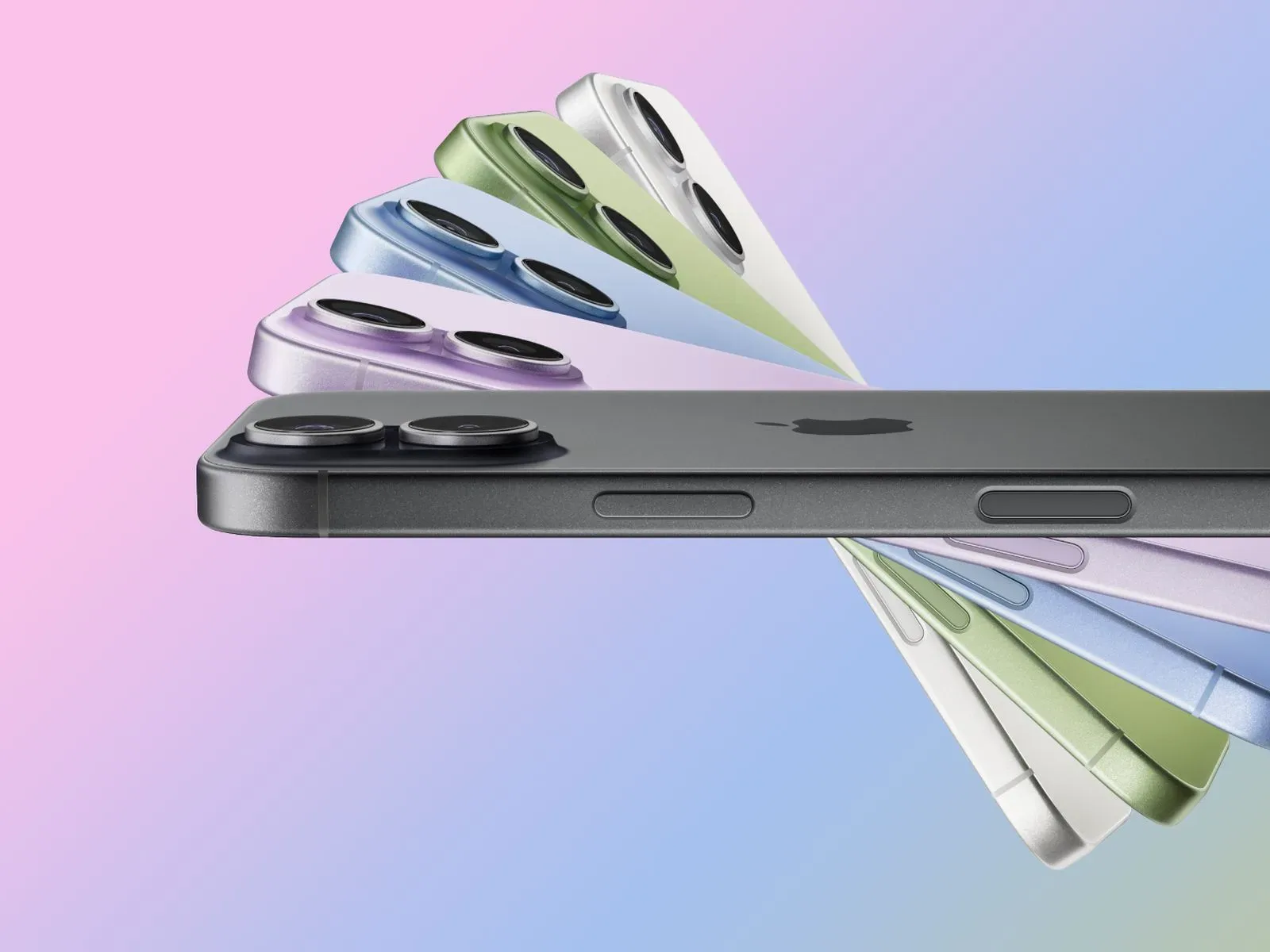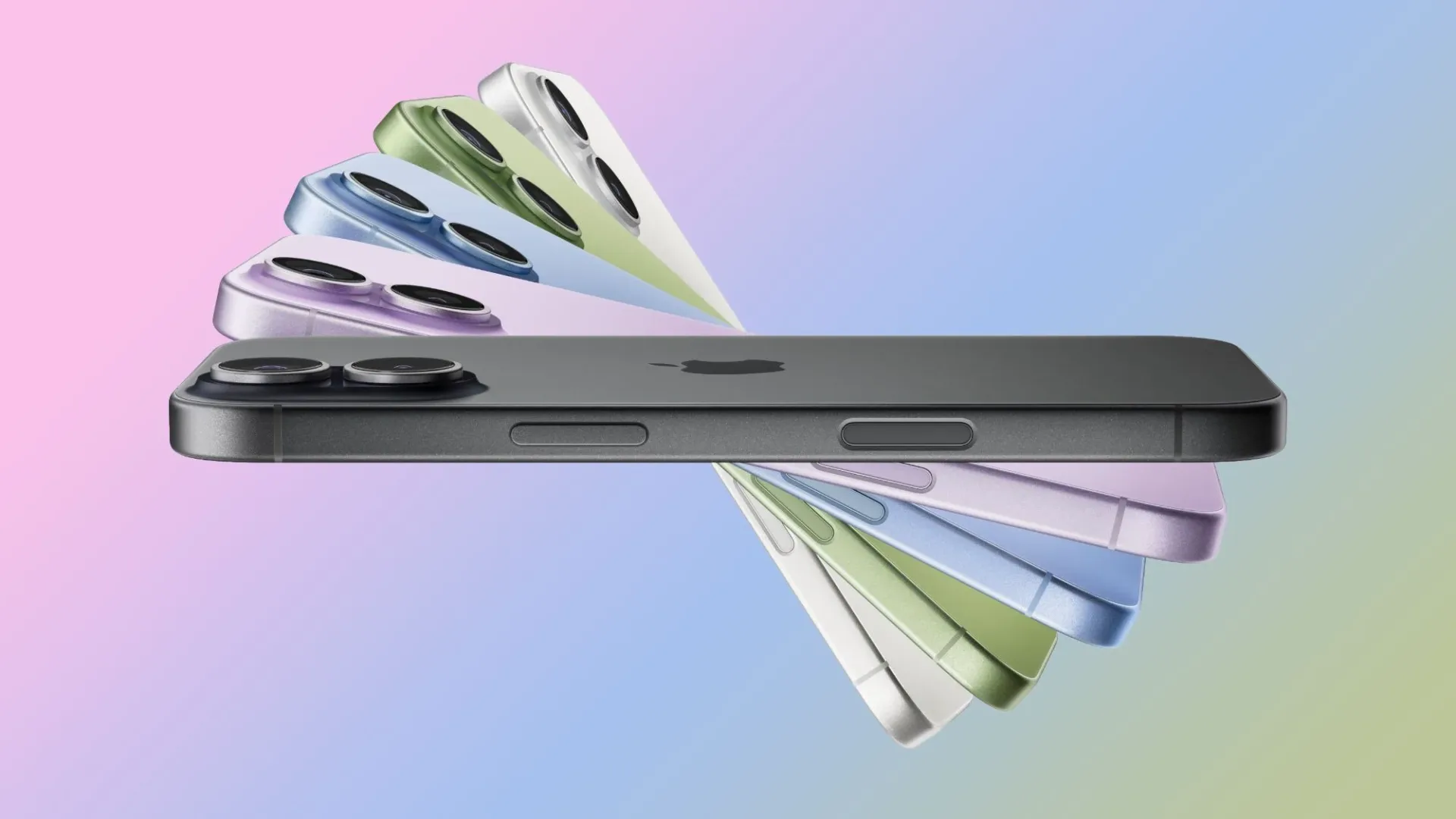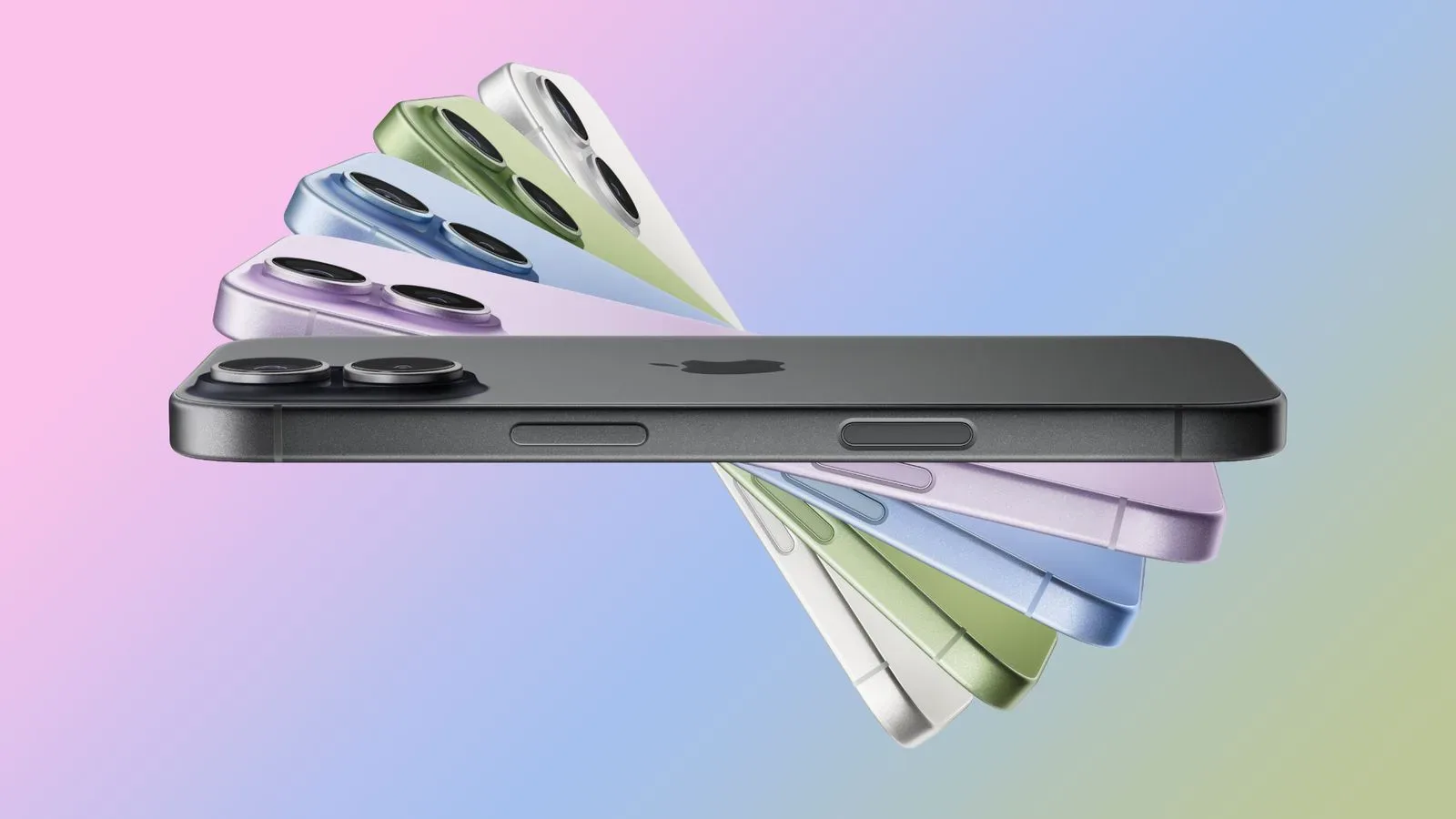
Apple may be preparing to make a notably big bet on the standard iPhone 18. A claim shared on Weibo by the leaker known as Fixed Focus Digital says production of the next base-model handset is scheduled to begin in late November, with inventory plans described as particularly large.
That is not confirmation from Apple, and it should be read as an early production report rather than a formal launch announcement. Still, the scale suggested by the claim fits the recent commercial story around the non-Pro iPhone. The standard iPhone 17 reportedly led worldwide smartphone unit sales in both the first and second quarters of 2026, taking 6% of global unit sales in each quarter and finishing ahead of both the iPhone 17 Pro and iPhone 17 Pro Max.
If the reported schedule proves accurate, Apple would have several months to assemble and distribute iPhone 18 stock before an expected spring 2027 unveiling. The iPhone 18e and iPhone Air 2 are also expected to arrive in that same window.
The important word here is “standard”
Phone coverage often treats the most expensive model as the headline act: it tends to carry the largest display, the flashiest camera language, or the most visibly premium name. The reported sales results tell a different story. On the available figures, the conventional iPhone 17—not either Pro variant—was the strongest individual smartphone seller globally across two consecutive quarters.
That distinction matters when interpreting a report about production planning. A large run for a base model is not merely a forecast that the overall iPhone family will sell. It suggests confidence in the version meant to occupy the broadest part of the range. In plain terms, Apple may be preparing for demand concentrated around the model that does not carry the Pro label.
The iPhone 17’s momentum was apparently visible early. After its initial preorder weekend, Apple reportedly asked two suppliers to raise daily output by at least 30%. A production increase of that kind is a response to demand signals, not a guarantee that every later model will perform the same way. But it provides a sensible business backdrop for a larger iPhone 18 inventory plan.
What an early production start could mean
“Production” can sound like one simple milestone, but the practical purpose in this report is inventory building. Beginning in late November for a spring launch would create a long runway to manufacture devices, move them through the supply chain, and position stock ahead of release.
That is especially relevant for a phone projected to sell at high volume. A company expecting substantial demand needs more than enough units to start sales; it needs a reserve that can support the period after launch, when buyers who skipped preorders or waited for reviews still enter the market. The report does not state Apple’s intended unit count, nor does it establish how stock would be divided by region, storage configuration, or color. “Quite large” is therefore directionally useful but not numerically precise.
There is another limit worth keeping in view: manufacturing plans are forecasts. They reflect what a company and its suppliers expect at a given point, rather than a binding promise that the final launch lineup, timing, or component list cannot change. The claim is most meaningful as a signal of confidence, not as a complete map of Apple’s 2027 schedule.
Expected hardware: familiar shape, potentially meaningful changes
The iPhone 18 is expected to keep a broadly similar overall design to its predecessor. That does not mean the rumored changes would be invisible. The reported possibilities include a smaller Dynamic Island, an A20 chip, and Apple’s C2 modem.
A smaller Dynamic Island
Dynamic Island is Apple’s name for the screen-area treatment surrounding the front camera and related sensors. A smaller version would be a visual refinement rather than evidence of a wholly new industrial design. Because the iPhone 18 is expected to remain broadly similar in appearance, this is the kind of change that could preserve continuity while making the display’s interrupted area less prominent.
There is no detail here on its precise dimensions, changed software behavior, or whether every expected iPhone 18-family model would receive the same treatment. Those questions remain open.
The A20 chip
The A20 is the name attached to the expected next-generation Apple chip. A chip, often called a system-on-a-chip in phone discussions, is the central package responsible for core computing tasks. It is relevant to the responsiveness and capabilities of a phone, but the current report supplies no benchmark figures, graphics claims, efficiency measurements, or specific feature list for the A20.
For people who use a phone as part of a wider entertainment setup, silicon changes are always worth watching, but it would be premature to convert the A20 name into promised performance outcomes. The responsible takeaway is simply that a generational chip update is expected.
Apple’s C2 modem
A modem is the component that handles a phone’s connection to cellular networks. The C2 label points to an expected Apple modem update, but the report does not provide supported information about network bands, speeds, carrier compatibility, battery impact, or regional availability. Those are the practical details that will determine how significant any modem change is for different buyers.
Put another way: “new modem” is a meaningful product-specification clue, but it is not yet a user-facing verdict. The eventual value will depend on the final implementation and on the networks people actually use.
Why the sales context makes this report more plausible
The strongest support for the idea of an ambitious iPhone 18 run is the iPhone 17’s reported market position. Holding 6% of worldwide smartphone unit sales in one quarter is substantial for a single device; repeating that share in a second quarter makes the trend more consequential. It is also notable that the standard model reportedly outsold the larger and more expensive Pro models over both periods.
That does not prove buyers will automatically make the same choice next generation. The iPhone 18’s final specification, release schedule, and the broader smartphone market can all affect demand. Yet companies generally make production decisions using the best signals available, and the standard iPhone 17’s reported results are exactly the sort of recent data point that would justify planning more aggressively for its successor.
There is a useful distinction between a popular product family and a leading individual model. The former says a brand is doing well. The latter indicates which specific device is resonating most widely. The information currently available points toward the latter: Apple’s standard iPhone 17 was reportedly the individual model carrying the most sales weight.
What buyers should and should not take from the leak
The report offers a reason to watch the standard iPhone 18 closely, particularly for anyone who assumed the Pro versions would always be Apple’s volume focus. It also indicates that supply may be a major priority at launch if Apple is indeed creating stock months in advance.
But it does not confirm a release date, price, colors, storage tiers, camera system, display measurements, battery capacity, or a complete feature list. Nor does a sizable planned production run promise that every configuration will be equally easy to find. Until Apple presents the hardware, the appropriate level of certainty remains limited.
- Reported: standard iPhone 18 production may start in late November, with a large inventory plan.
- Expected: a spring 2027 introduction alongside iPhone 18e and iPhone Air 2.
- Potential upgrades: a smaller Dynamic Island, A20 chip, and C2 modem.
- Not established: pricing, final specifications, regional rollout, and exact launch day.
A broader Apple ecosystem signal, not a gaming announcement
Nothing in the report identifies gaming-specific iPhone 18 features, so it would be a stretch to frame this as a mobile-gaming hardware reveal. The more grounded reading is that Apple may be investing heavily in a phone likely to reach a large audience, while its surrounding device ecosystem continues to intersect with entertainment and games in other ways. For instance, Apple’s wider accessory discussion has also included Apple Arcade perks, though that is separate from this iPhone 18 production claim.
For now, the notable development is not an extravagant redesign or a newly confirmed feature. It is the possibility that Apple is allocating substantial manufacturing capacity to the regular iPhone 18 before the product has even been announced. Given the reported performance of the regular iPhone 17, that may be the clearest indication yet of where the company sees its biggest volume opportunity in the next cycle.