The iPhone 18 Pro Max and Samsung Galaxy S26 Ultra occupy the same high-altitude corner of the phone market: giant, expensive, non-folding handsets built to do virtually everything. Each starts at $1,299 in the United States with 256GB of storage, each uses a 6.9-inch 120Hz display, each has a battery in the neighborhood of 5,000mAh, and each is aimed at people who do not want their phone to be the compromise in their daily tech setup.
That similarity is precisely what makes the comparison interesting. Neither handset is trying to win with a radically unfamiliar shape or a low price. Apple’s iPhone 18 Pro Max retains the conventional iPhone silhouette, while Samsung’s Galaxy S26 Ultra remains a large rectangular slab rather than a foldable experiment. The real decision is less about finding a clear all-purpose victor and more about identifying which set of trade-offs suits the owner: Apple’s brighter screen and new camera control, or Samsung’s lighter body, versatile zoom arrangement, built-in stylus, and Android approach.
For players, collectors, and anyone who treats a phone as a camera, communications hub, and portable media device between sessions, those seemingly minor distinctions can add up quickly.
Two huge displays, with different physical priorities
At 6.9 inches, both phones are firmly in the extra-large class. That makes them appealing for streaming, remote-play interfaces, card collection apps, video editing timelines, and games with busy HUDs. It also means neither should be mistaken for a pocket-friendly lightweight.
Apple’s display is an OLED panel with a 2,868 by 1,320 resolution, a 120Hz refresh rate, and a quoted peak brightness of 3,000 nits. Samsung uses a 3,120 by 1,440 AMOLED panel, also at 120Hz, with brightness listed at 2,600 nits. Samsung has the numerical resolution advantage, but at this size and density, it is unlikely to be a deciding factor for most everyday uses. Both should provide crisp text, smooth animation, and plenty of space for detailed game interfaces.
Brightness is the more practical difference on paper. The iPhone’s 3,000-nit figure gives it an advantage over the Galaxy’s 2,600 nits for viewing outdoors, where glare is often more disruptive than a modest resolution gap. Anyone frequently checking messages at an event, navigating outdoors, or playing a few minutes away from shade may value that extra headroom.
The phones also pursue different front-screen aesthetics. The iPhone continues with the Dynamic Island, although it is smaller than before. The Galaxy uses a conventional punch-hole camera cutout that occupies less display area. That is a personal preference rather than an automatic win: Apple’s solution is designed to incorporate system activity into the interface, while Samsung’s may look less intrusive when watching video or using a full-screen app.
Physically, Samsung has the clearer edge for people sensitive to bulk. The Galaxy S26 Ultra is listed at 214 grams and 7.9mm thick. The iPhone 18 Pro Max is 249 grams and 8.75mm thick. A 35-gram difference may sound like the kind of spec-sheet trivia that vanishes in a case, but it can matter during a long video call, extended reading session, or a commute spent holding the phone one-handed. Add a protective case to either model and the weight question becomes even more relevant.
Apple uses aluminum alongside glass on the rear, whereas Samsung goes with an all-glass back. The iPhone features more rounded corners; the Galaxy favors straighter lines. There is no universal comfort winner here, especially because grip is subjective, but shoppers should not dismiss the dimensions as cosmetic. On phones this big, the feel in hand becomes part of the feature set.
Cameras are where the strategies split
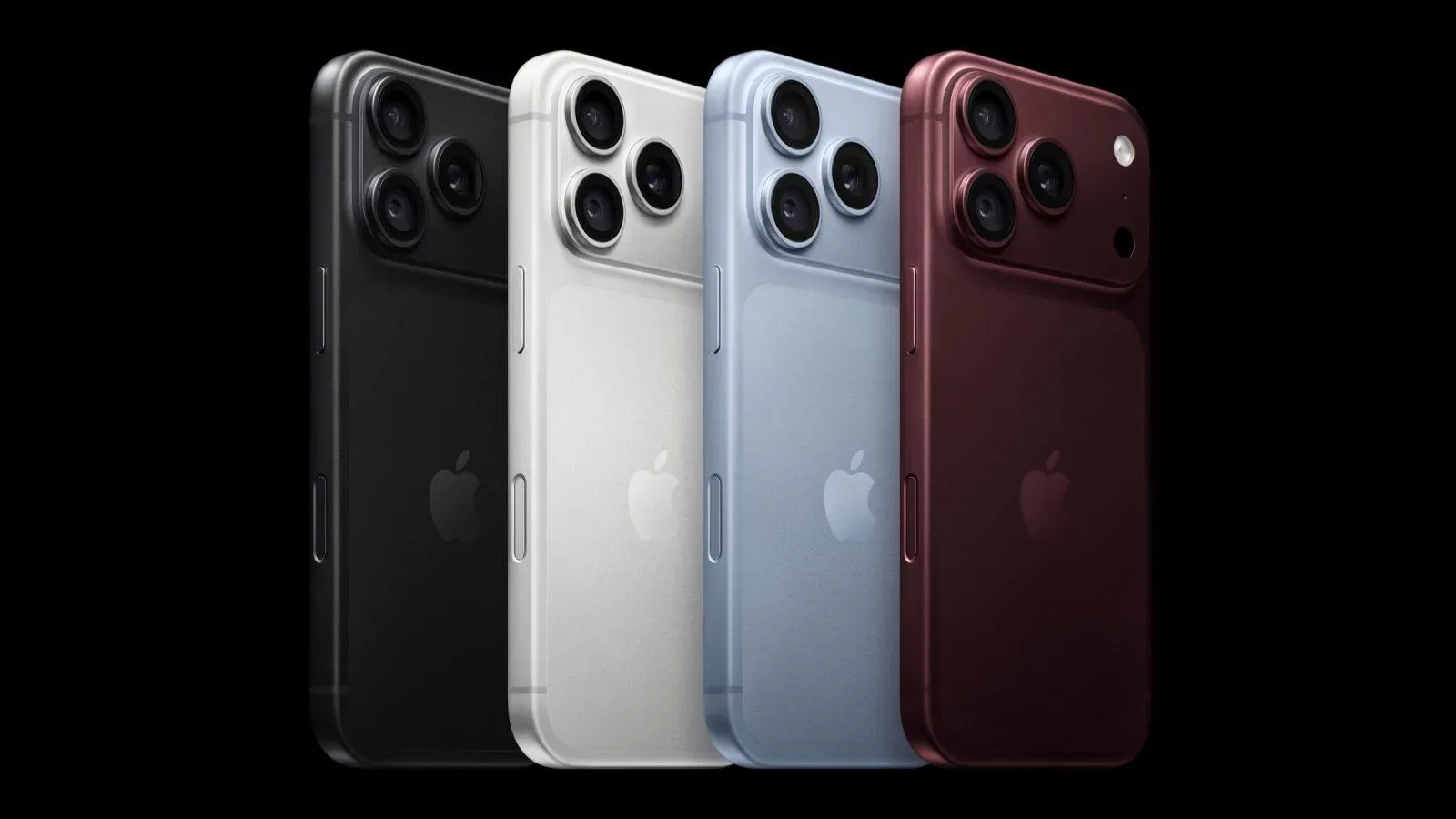
Both companies are offering camera hardware well beyond the basics, but their priorities differ. The iPhone 18 Pro Max has a familiar three-camera lineup: wide, ultra-wide, and telephoto cameras, each using a 48-megapixel sensor. The standout addition is a mechanically adjustable, or variable, aperture on its main camera.
That matters because most smartphone cameras have a fixed aperture. A variable aperture can change how much light reaches the sensor, creating another avenue for photographic decision-making that is more commonly associated with dedicated cameras. It does not make every image automatically better, and results will depend on software processing as well as hardware, but it gives the iPhone a distinctive creative tool. For someone who wants more deliberate control over portrait-like separation or shooting conditions, it may be the more exciting innovation.
Samsung takes a different route. The Galaxy S26 Ultra uses a 200-megapixel main camera, a 50-megapixel ultra-wide, and, crucially, two telephoto cameras. Those telephotos cover 3x and 5x zoom, while the iPhone has one 4x telephoto option. Samsung’s setup provides more focal-length flexibility before a user starts relying on digital zoom. That can be especially useful for concerts, conventions, travel, sporting events, or grabbing a readable image of an item behind a display case.
The 200-megapixel main sensor also creates potential latitude for cropping. More pixels do not guarantee better photographs in every situation, since sensor behavior, optics, and processing all matter, but high-resolution captures can be useful when a composition needs to be reframed afterward.
Video is another point of separation. The iPhone supports 4K recording at up to 120 frames per second, HDR, and Dolby Vision. Those specifications make it a strong fit for slow-motion clips and high-quality footage intended for widely used formats. Samsung supports 8K recording on the S26 Ultra. 8K provides a higher-resolution option, though it remains a niche feature for many people given storage demands and the relative scarcity of 8K displays and delivery workflows. It is useful capability to have, but not necessarily a reason by itself to choose the Galaxy.
Stylus utility versus Apple’s ecosystem pull
The Galaxy S26 Ultra includes the S Pen, a meaningful advantage for people who will actually use it. A stylus can make handwritten notes, quick sketches, annotations, and fine adjustments feel more direct than tapping with a finger. Not every owner will pull it out often, but it is an included capability rather than an accessory decision.
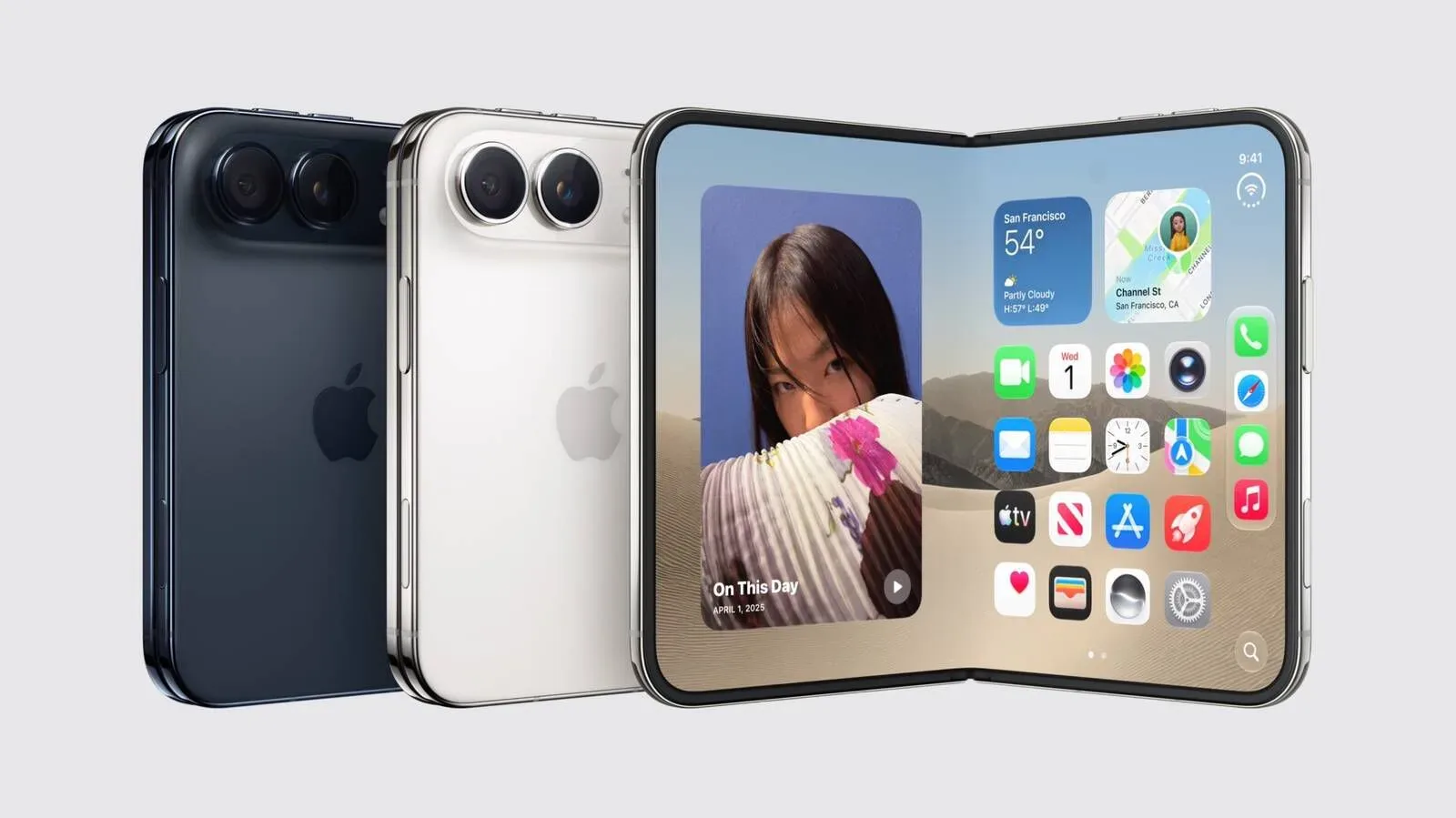
Apple’s comparable Pencil experience is tied to the iPhone Duo rather than the iPhone 18 Pro Max. That makes Samsung’s stylus proposition unusually straightforward: if phone-based writing or drawing is part of the routine, the Galaxy offers the more obvious answer.
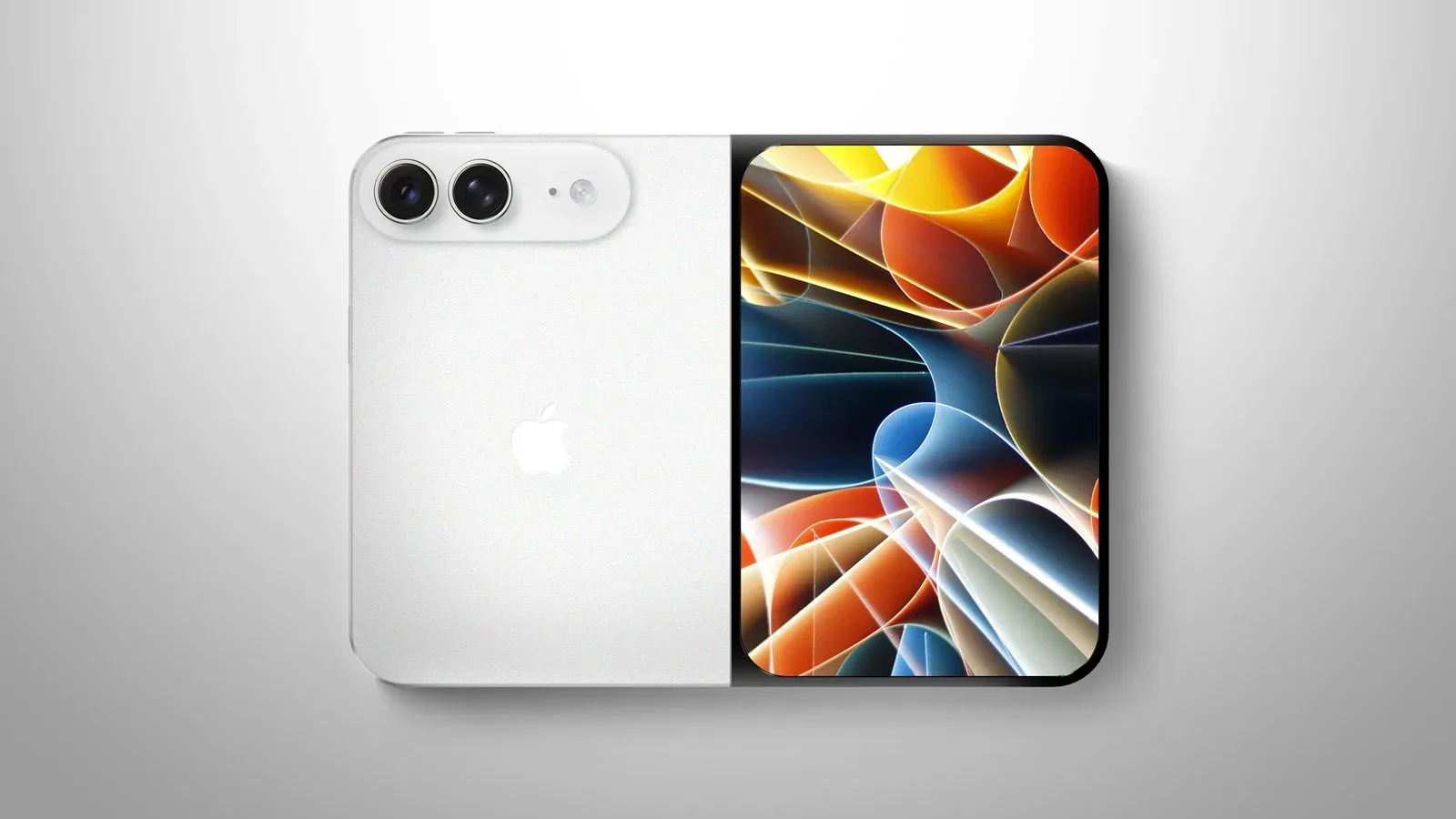
On the other hand, the iPhone’s case is closely tied to its place in Apple’s wider device family. Someone already using AirPods and an Apple Watch may find the iPhone 18 Pro Max the natural fit simply because the surrounding hardware is already there. The foldable iPhone Duo sits in that same broader conversation; the iPhone Duo’s name and positioning underline that Apple is offering different premium form factors for different priorities.
Samsung’s advantage is the choice of Android and the flexibility that comes with that platform. This is not a spec that fits neatly into a chart, because software preference is learned over years. Existing apps, accessories, messaging habits, cloud services, watches, earbuds, and computers can matter more than a small display-resolution lead.
Performance, battery, and the daily-use details
The Galaxy S26 Ultra is powered by Qualcomm’s 3nm Snapdragon 8 Elite Gen 5. It has been reported to outperform Apple’s prior A19 Pro in some tests. The iPhone 18 Pro Max moves to Apple’s A20 Pro, described as the company’s first 2nm chip. The smaller manufacturing process suggests potential gains in speed and power efficiency, but meaningful comparisons require real-world testing across sustained workloads, games, heat management, and battery drain. On specifications alone, it would be premature to declare either chipset the definitive performance champion.
Samsung offers 12GB or 16GB of RAM depending on the storage version. The iPhone 18 Pro Max has 12GB across its configurations. More RAM can be helpful for multitasking and background tasks, but 12GB is already a substantial allocation for typical smartphone activity. The important question is how each operating system manages that memory in the apps an owner uses most.
Battery capacities are broadly similar at roughly 5,000mAh, subject to slight variation. Both are positioned to last through a typical full day for many users. Charging is also closely matched: each can reportedly reach 50% from empty in around 15 minutes with a 60W charger. Actual endurance will still vary with screen brightness, mobile signal, camera use, gaming, and background activity, so capacity should be read as a starting point rather than a promise.
Finally, unlocking methods reveal another everyday philosophical split. The iPhone uses Face ID; the Galaxy has an in-display fingerprint reader. Face unlock can be effortless when the phone is already in view, while a fingerprint reader may be preferable in situations where users do not want to position their face in front of the display. Neither is inherently superior for every routine.
Which XL flagship fits which buyer?
Choose the iPhone 18 Pro Max if the Apple ecosystem is already central to your day, if a brighter 3,000-nit display is valuable, or if the variable-aperture main camera is the feature that sparks your interest. Its 4K 120fps HDR and Dolby Vision options also make sense for users invested in Apple’s established video workflow.
Choose the Galaxy S26 Ultra if a thinner, much lighter body matters, if the S Pen will earn its place, or if the flexibility of 3x and 5x optical zoom is more useful than Apple’s single 4x telephoto. The 200-megapixel main camera, 8K option, in-display fingerprint reader, and Android environment reinforce that more feature-packed direction.
At $1,299 for 256GB, neither phone is a casual purchase. Yet both appear designed to handle demanding modern use without asking buyers to sacrifice the basics. The deciding factor is not whether one is capable. It is whether your priorities lean toward Apple’s connected ecosystem and creative camera control, or Samsung’s lighter hardware, stylus convenience, and multi-telephoto versatility.