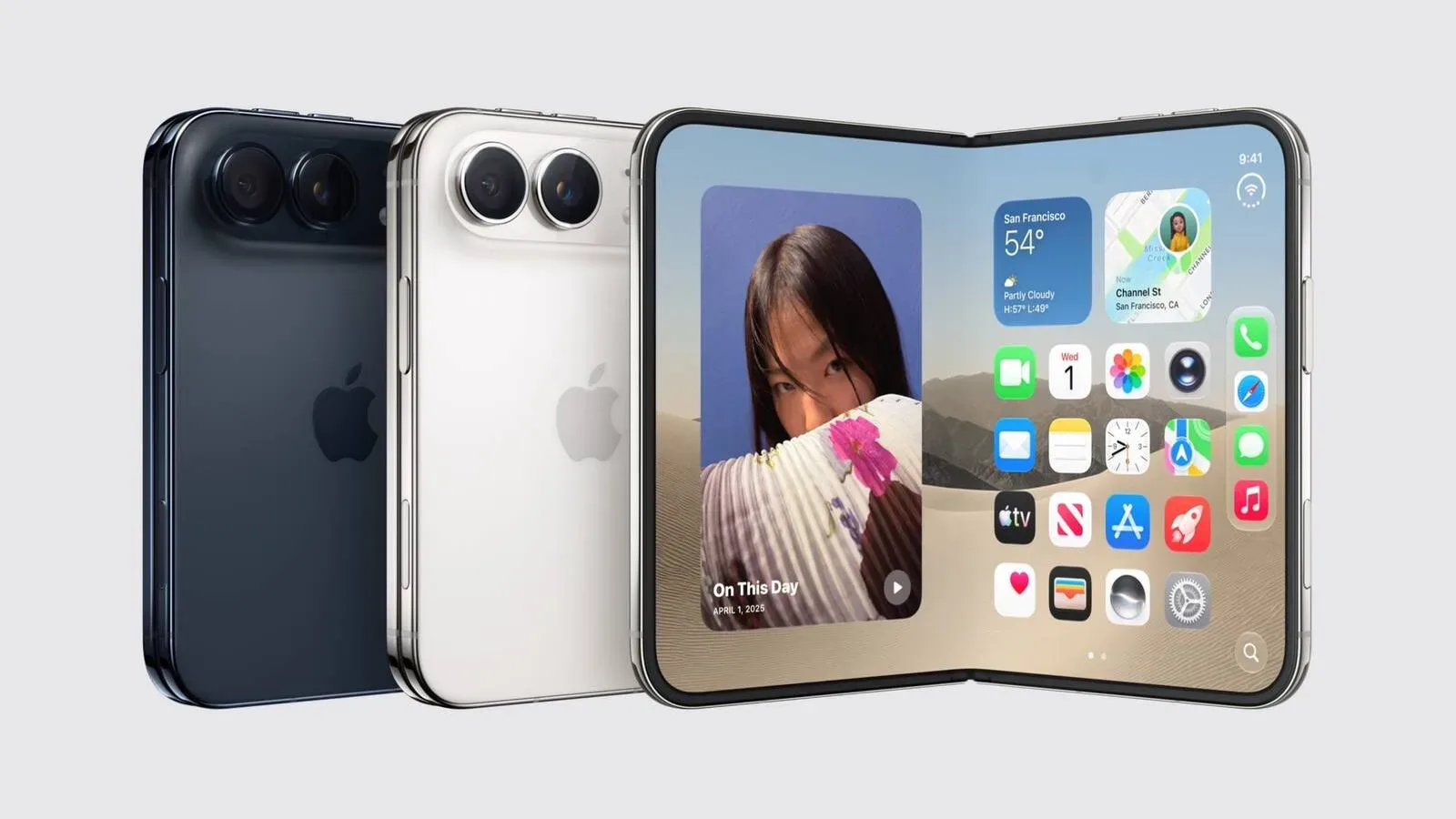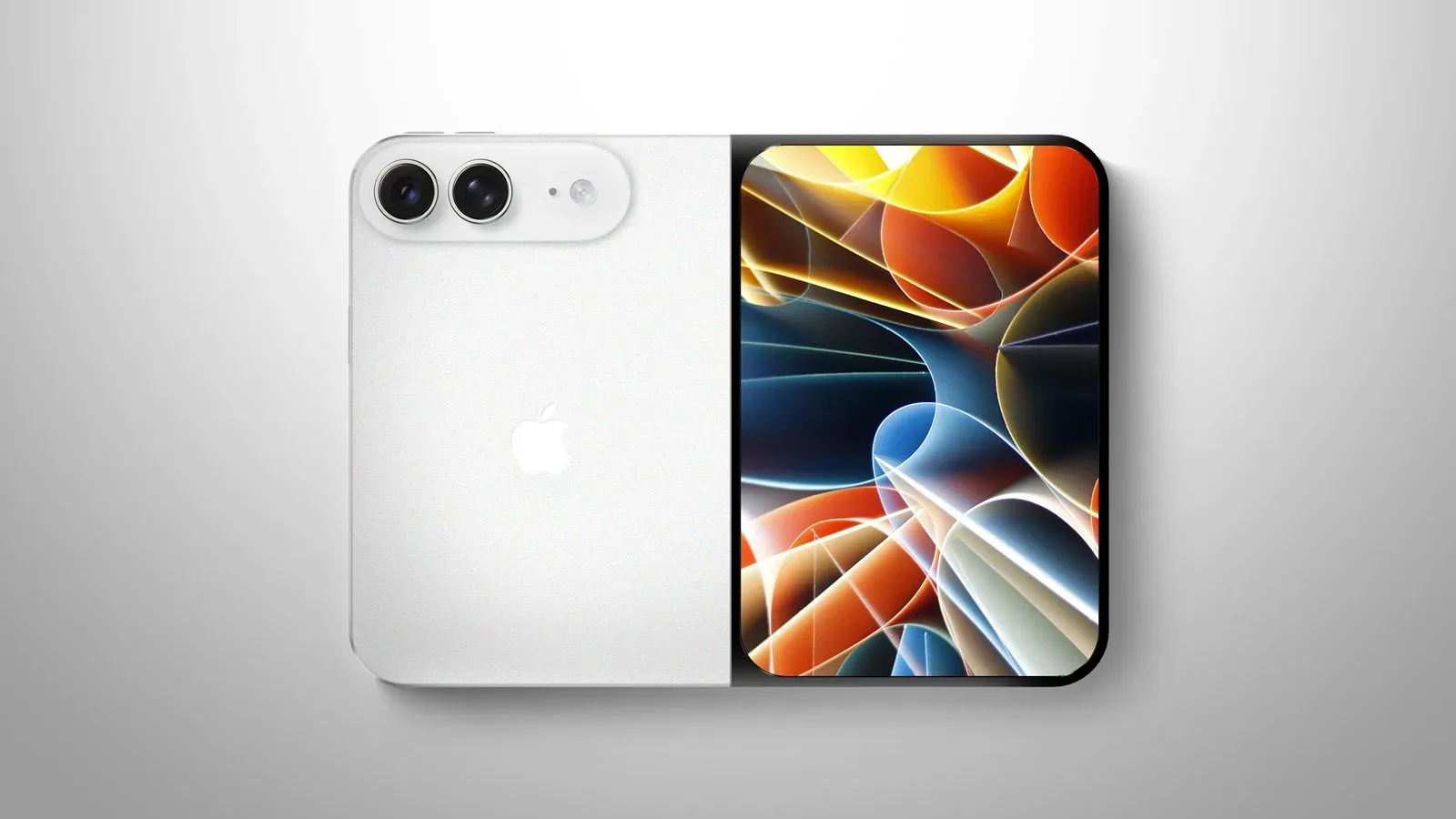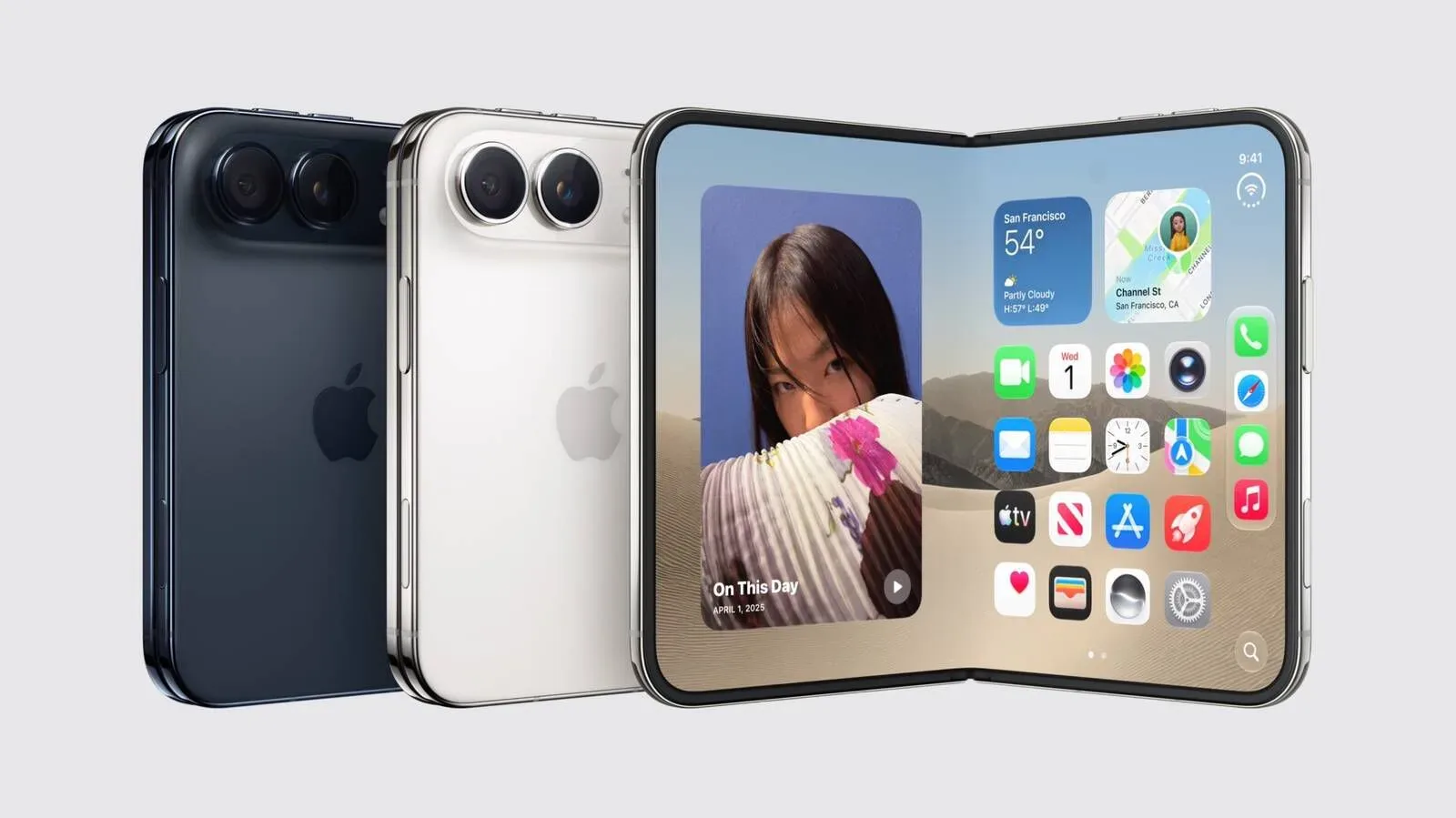
Pour one out for iPhone Ultra: not a product, not an official name, but a rumor-era identity that was repeated often enough to feel inevitable. Apple’s foldable iPhone has instead arrived under a different banner: iPhone Duo. In the eternal boss fight between internet shorthand and an actual product box, Cupertino’s naming department has landed a clean critical hit.
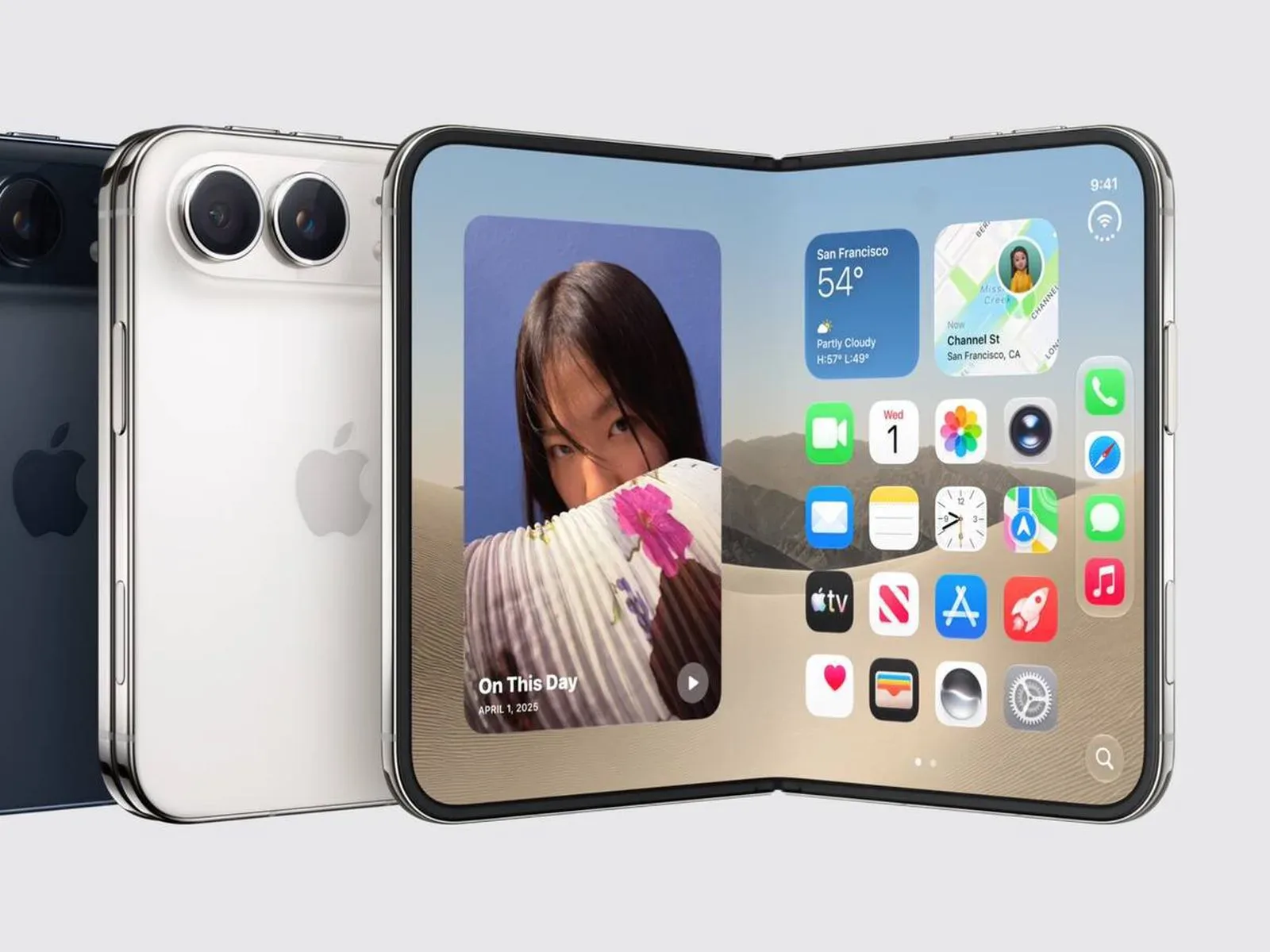
The change is more than a minor correction for people who have spent months trying to keep foldable-phone speculation straight. “Ultra” carried a very particular promise. It suggested the absolute top specification, the phone that takes every other iPhone stat, folds it in half, and somehow adds a cape. “Duo,” meanwhile, describes the thing Apple has actually made: a handset defined by two screens and a 7.6-inch inner display once opened.
That may sound like a small semantic shuffle, but product names set expectations before anyone taps an app, takes a photo, or opens a box. In this case, the difference helps clarify what the iPhone Duo is—and, just as importantly, what it is not.
Why “Ultra” stuck around for so long
The iPhone Ultra name did not appear from nowhere. It became a widely used placeholder after reports earlier in the year raised it as a potentially suitable label for Apple’s foldable phone. It gained additional weight when reports said many Apple employees used “iPhone Ultra” internally. Another account, citing a person familiar with Apple’s plans, also pointed to Ultra as the intended retail name.
That made the term extremely sticky. Rumor names behave a little like a character’s temporary codename during game development: once enough people use it, it begins to look permanent on wikis, social posts, mockups, and endless speculative comparison charts. The bigger, more dramatic option also has a way of winning the public imagination. “Ultra” is built for that job. It sounds like the hardware equivalent of selecting the legendary difficulty mode before checking whether the menu has a back button.
But the Duo possibility had been on the table well before the device’s reveal. The name was correctly predicted in April, then resurfaced in social-media discussion shortly before Apple’s announcement. A final pre-announcement report also confirmed that Apple would use iPhone Duo. The result is a useful reminder that internal language, informed reporting, and ultimately confirmed branding can all diverge before a company puts a name on stage.
Duo is a more accurate loadout
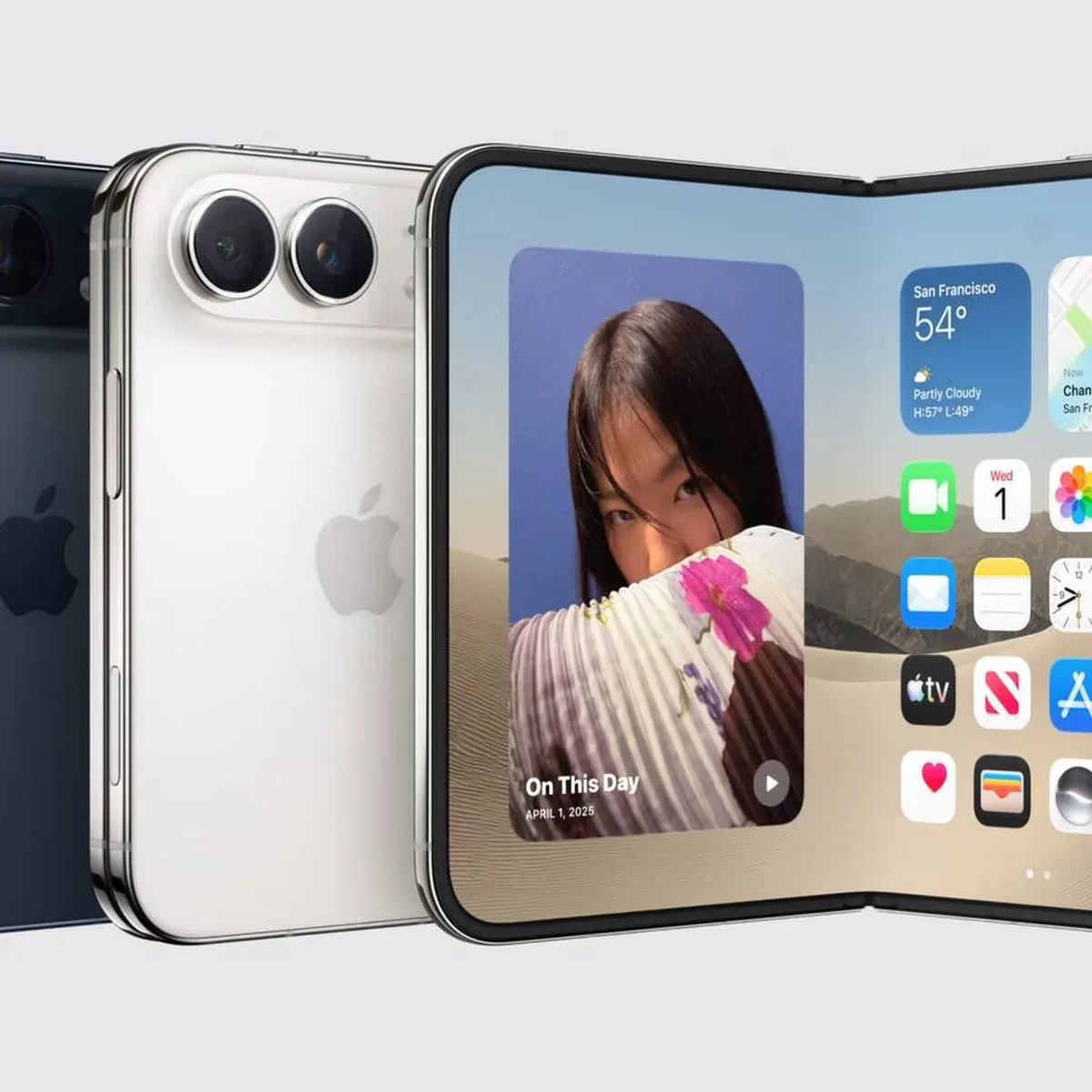
Apple’s decision makes practical sense because the new foldable is not positioned as a phone that simply includes every premium iPhone feature. Its headline hardware trait is the 7.6-inch display available when the device is unfolded. That is substantial real estate in a phone-shaped package, and it gives “Duo” a direct, literal connection to the device’s dual-screen design.
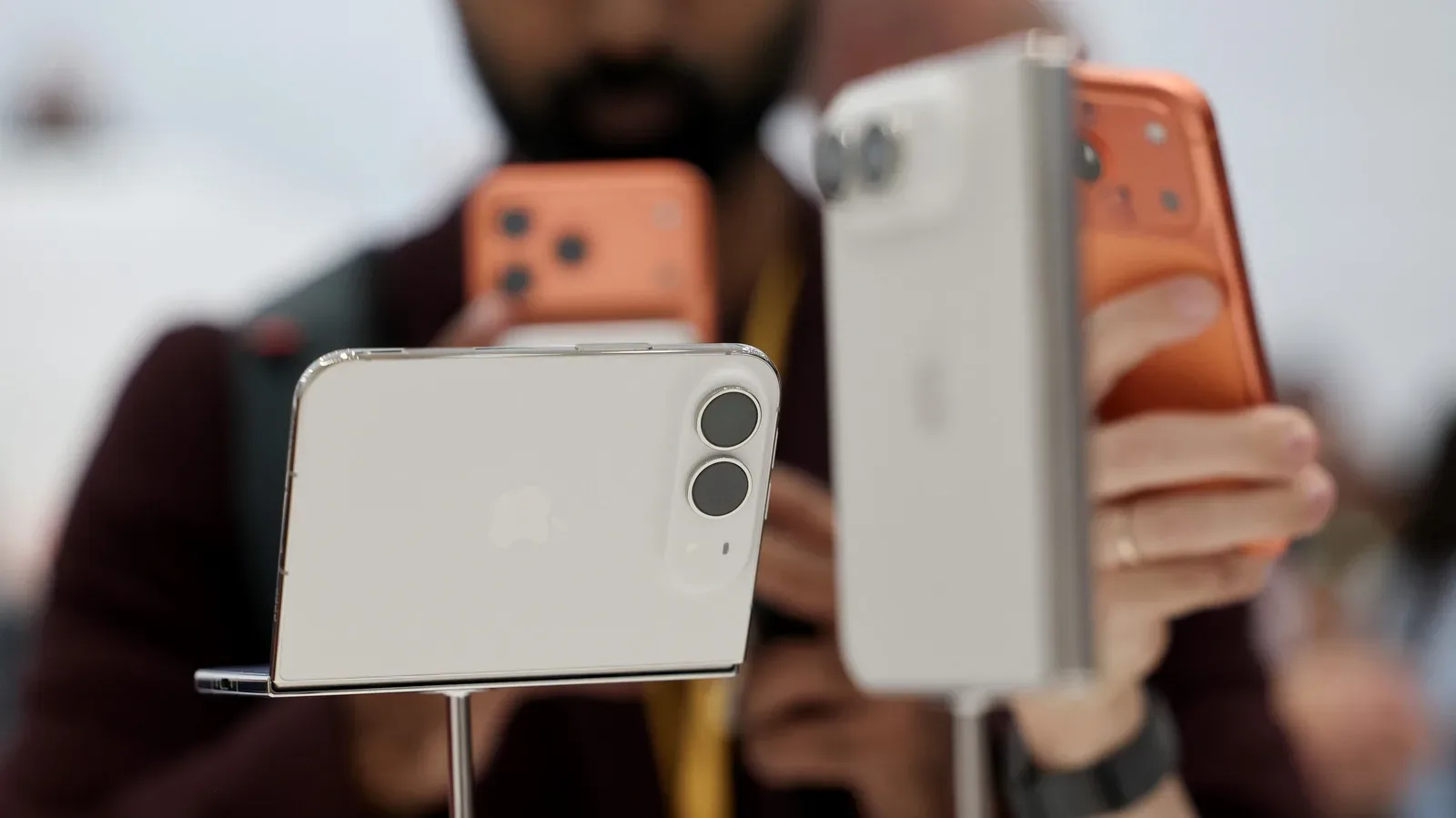
At the same time, the iPhone Duo lacks several features that would make an Ultra label feel more intuitive. It does not have a dedicated Telephoto camera, Face ID, or an Action button. None of those omissions automatically define its value; a foldable device is a different proposition, with its own design priorities. Yet they do make “the most ultra iPhone” a harder story to sell.
Put another way: a massive unfolded display is not the same thing as a universally maxed-out spec sheet. A gaming handheld with a gorgeous screen may still make trade-offs on battery, performance, portability, or controls. Likewise, a foldable phone can be ambitious without occupying the same lane as the brand’s no-compromise flagship concept.
For players who follow hardware branding closely, that distinction should be familiar. Console and PC accessory names are often a messy blend of technical tier, intended audience, and marketing theatre. A “Pro” model may emphasize performance. A “Lite” model may focus on size or price. An “Ultra” product has generally trained buyers to expect the largest pile of features. Apple’s Duo name instead tells shoppers to look at form factor first.
A name with Apple history, not just foldable logic
Duo is not brand-new territory for Apple. The company previously used it for the PowerBook Duo laptop line in the 1990s, and much later for the MagSafe Duo Charger in the early 2020s. The word therefore has a small but real place in Apple’s product vocabulary, even if it has never had the all-purpose prestige aura of Ultra.
For the foldable phone, its meaning is especially obvious. There are two displays, with the larger inner screen available after the device is opened. The label does not require buyers to decode a new naming hierarchy or infer how much more powerful it is than a theoretical “Pro Max Plus Extreme.” It points to the central mechanical idea in one syllable fewer than “foldable,” which is the sort of efficiency brand teams dream about while the rest of us keep trying to remember password rules.
It also gives Apple room to frame the category around versatility rather than simple superiority. A Duo can be a phone when closed and a larger canvas when open. That is a product story about switching states, not necessarily about outmuscling every conventional handset.
Ultra remains a powerful word in Apple’s arsenal
“Ultra” is not disappearing from Apple’s broader vocabulary. The company already uses the term on the Apple Watch Ultra, CarPlay Ultra, and its M1 Ultra through M5 Ultra chips. Across those products, Ultra communicates elevated capability or a top-level variant. It is a name with enough horsepower that attaching it to the wrong device could create a side quest of expectation management.
That makes the choice to reserve it potentially sensible. If a product called iPhone Ultra lacked a dedicated Telephoto camera, Face ID, and an Action button, every missing checkbox would become part of the conversation. The foldable would be judged against the word printed on it as much as against what it set out to do. With Duo, the focus can stay on its paired screens and 7.6-inch unfolded display.
There is also still a possible future home for the name. Apple is rumored to be planning a special iPhone for the platform’s 20th anniversary. Nothing about that rumor confirms an iPhone Ultra, and there is no reason to treat the name as inevitable after this week’s correction. Still, an anniversary model would be an understandable moment for Apple to deploy a label associated with a pinnacle device—if it chooses to do so.
The gaming angle: screens invite ideas, not assumptions
A foldable iPhone with a 7.6-inch inner screen will naturally get the attention of mobile players, cloud-gaming users, and anyone who has ever tried to read tiny interface text on a traditional phone. A larger opened display could make games, streaming interfaces, strategy menus, and controller-paired sessions more comfortable to view. But the iPhone Duo’s official name alone does not answer the important practical questions around software behavior, control support, aspect ratios, battery life, heat, or how games use the extra screen area.
Those are the details that matter more than a rumor label. The hardware world has no shortage of exciting form factors that need equally thoughtful app support. A dual-screen device could create interesting possibilities, but developers and platform holders would still need to decide what is actually useful rather than merely flashy. The best version of a two-screen gaming experience is not automatically a second place to put a map. Sometimes it is; sometimes it is an elaborate way to lose track of the pause menu.
For now, iPhone Duo gives the foldable a clearer identity before that broader conversation unfolds. Apple has named this device for its defining design rather than for an assumption that it must be the company’s ultimate iPhone in every category.
And as the technology cycle keeps demonstrating, rumors can be helpful guides without becoming the final save file. “iPhone Ultra” had a long run, fueled by plausible reporting and a name that sounded ready for a dramatic reveal. But the finished product is the iPhone Duo. The Ultra era, at least for Apple’s first foldable, has folded itself neatly away.
For more hardware-and-platform developments with an eye on how they may affect play, see our coverage of Fairgames’ apparent return as Project Espresso and PS5/PC playtest sign-ups.