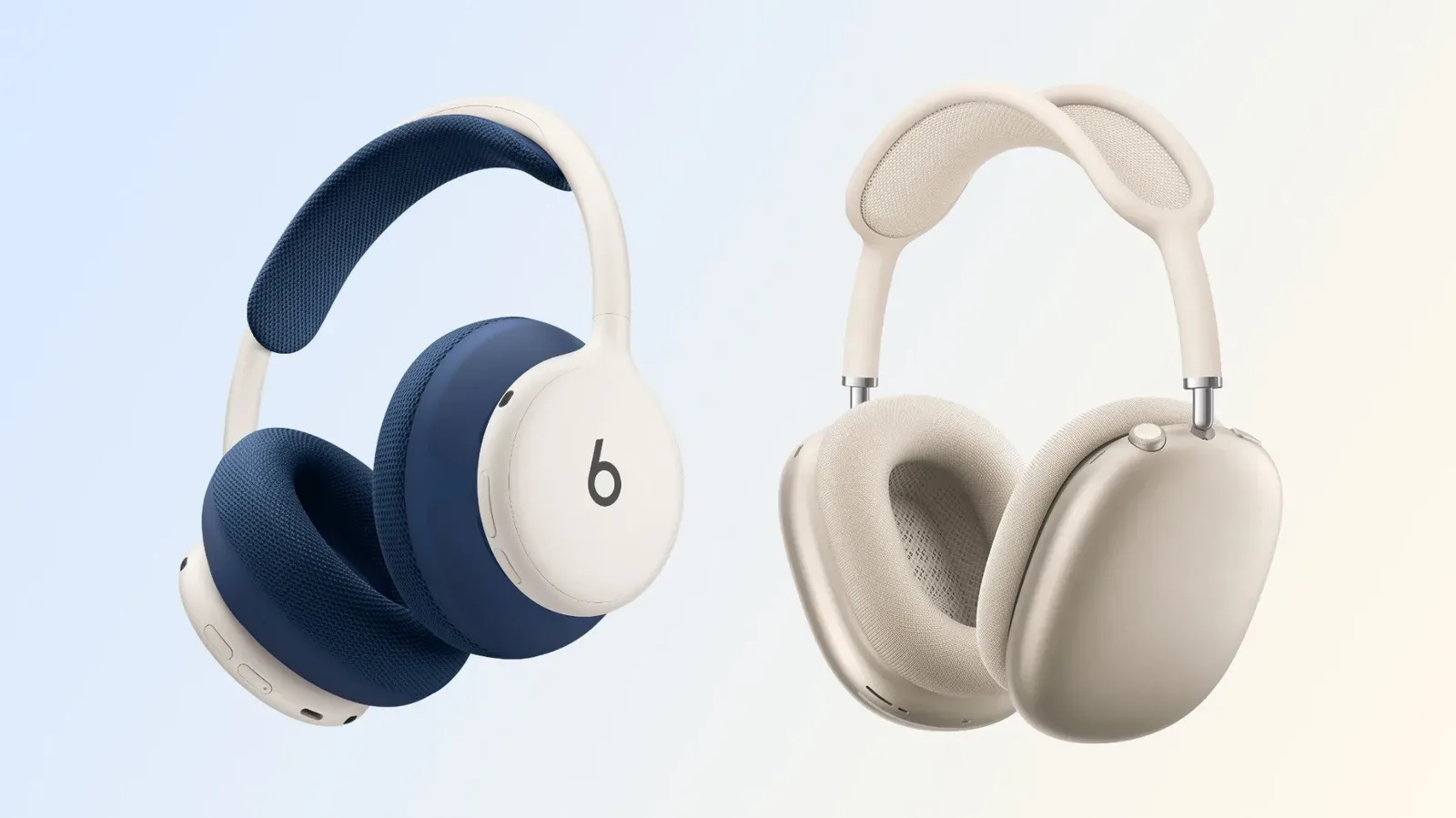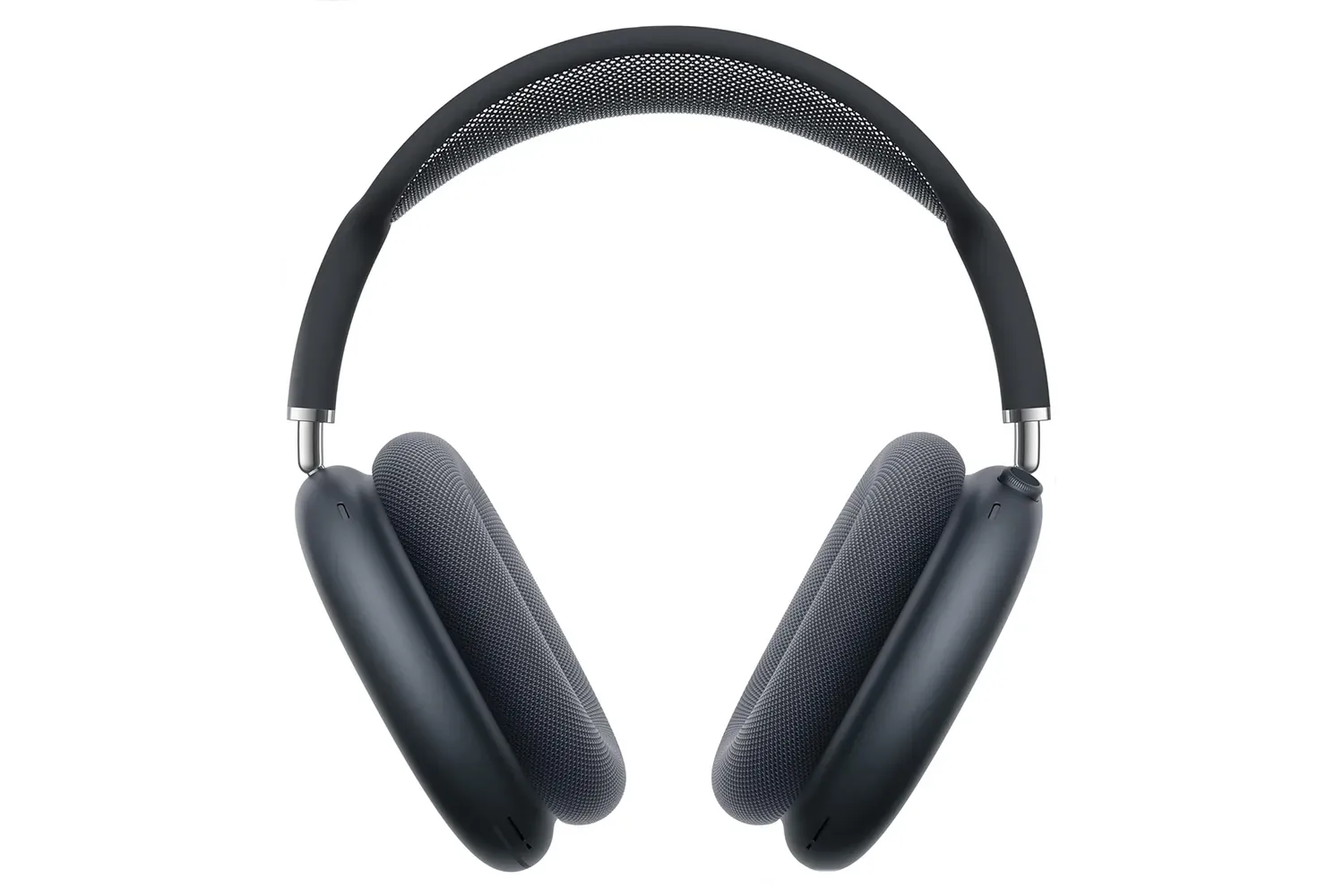
Apple’s AirPods Max 2 are listed at $429, a reduction of $120 from their stated $549 price. That works out to roughly 22% off, placing a meaningful dent in a premium over-ear headset that remains firmly at the expensive end of the market even after the reduction.
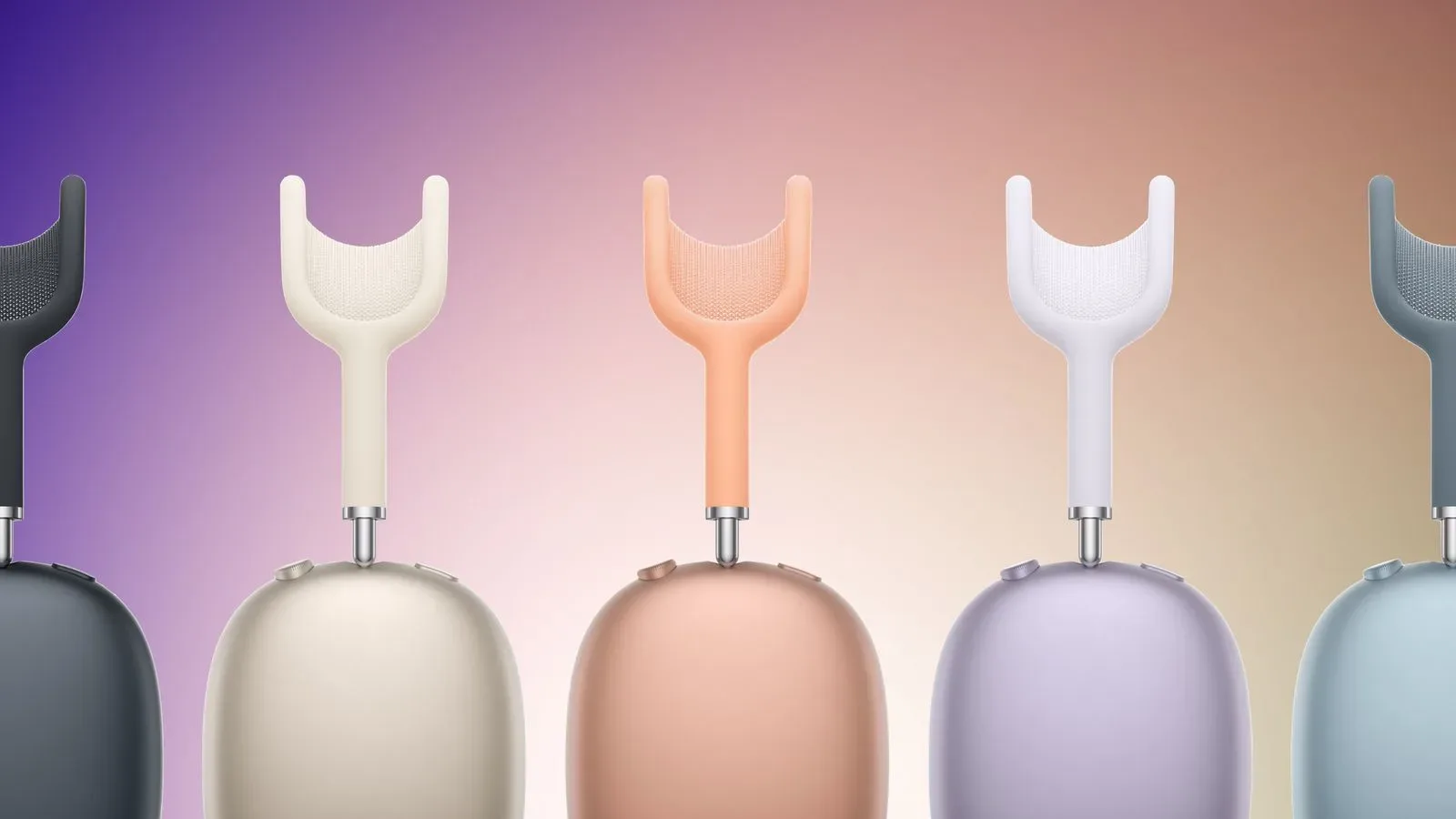
The pricing applies to Midnight, Blue, Starlight, Purple, and Orange finishes. The purchase can also include up to three free months of Apple Arcade, Apple Fitness+, and Apple News+, although prospective buyers should check the offer terms and eligibility before treating those trials as part of the headset’s value.
For gaming-minded Apple users, the interesting part is not simply the price cut. It is the collection of listening and awareness features: Apple’s H2 chip, active noise cancellation, Adaptive Audio, Conversation Awareness, Transparency mode, Personalized Spatial Audio, and lossless playback through USB-C with compatible equipment. Each addresses a different part of the headphone experience, and none should be mistaken for exactly the same thing.
What the $429 price actually changes
A $120 saving makes the AirPods Max 2 easier to justify, but it does not turn them into an impulse-buy headset. The useful question is whether a buyer will use enough of the Apple-specific audio stack to make the premium over a more basic pair of over-ear headphones feel worthwhile.
The discount is especially relevant to somebody who already intends to use the headphones for several jobs: music, podcasts, streaming, calls, and game audio. A headset purchased for only one occasional use case has less opportunity to benefit from the feature set. Conversely, someone already within Apple’s services ecosystem may assign some value to the included trial periods, provided they want those services and understand what happens after the promotional period ends.
The stated $429 price and the trials are retailer offer details, not permanent specifications of the product. Prices, colors included in a promotion, and bonus-service eligibility can change, so the checkout page is the point to confirm the final total and the exact terms.
H2 is the foundation for the headline audio modes
The AirPods Max 2 use Apple’s H2 chip. In practical terms, the chip is presented as the component underpinning the headphones’ high-fidelity audio and their smarter sound-management features. “High fidelity” is a broad term: it refers to an effort to reproduce audio with more detail and accuracy, rather than a guarantee that every song, stream, game, or recording will sound identical to its original studio version.
What a listener hears will still depend on the source material, the playback setup, and personal preference. The key point is that the AirPods Max 2 are positioned for a full-range presentation, covering both higher and lower frequencies, rather than being a stripped-back voice-focused headset.
That can matter beyond music. Dialogue-heavy games and streamed shows benefit from intelligible speech, while a richer low end can help give cinematic sound effects more weight. Those are use cases, not a claim that the headphones create competitive advantages or replace a dedicated gaming headset’s microphone and platform-oriented features.
Noise cancellation, Adaptive Audio and Transparency are different tools
The stated active noise cancellation improvement is up to 1.5 times stronger than the original AirPods Max. Active noise cancellation, often shortened to ANC, uses microphones and processing to reduce outside noise reaching the listener. It is intended to make playback easier to hear in a loud environment and can help make travel, shared spaces, or household noise less intrusive.
“Up to” is important wording. It signals a best-case comparison rather than a promise that every external sound will be reduced by the same amount in every setting. Fit, the kind of background noise, and the environment all affect how a listener experiences cancellation.
Adaptive Audio is described as adjusting the intensity of cancellation based on the surrounding environment. Rather than leaving the listener to manually choose one fixed level for all situations, it aims to react to changing conditions. That is a convenience feature: its value is in reducing the need to stop and change modes as the room or commute becomes quieter or noisier.
Conversation Awareness takes a more specific approach. It lowers the volume of playing content when the wearer begins speaking to someone. In theory, that can make brief real-world exchanges less awkward because there is no need to remove the headphones or manually pause audio every time. It is not the same as Transparency mode.
Transparency deliberately lets external sound in while the headphones remain on. It is the appropriate mode for situations where awareness matters, such as listening for people nearby or keeping track of what is happening around the wearer. The three features can therefore be understood simply:
- Active noise cancellation: aims to reduce unwanted outside sound.
- Adaptive Audio: changes the level of cancellation in response to the environment.
- Conversation Awareness: lowers playback when the wearer is speaking.
- Transparency: allows surrounding sound through on purpose.
For a player moving between solo sessions and a busy home, that flexibility may be more useful than a single maximum-isolation setting. For anyone who needs to remain alert, though, the sensible choice is to prioritize awareness rather than assume noise cancellation will suit every location.
Spatial Audio’s appeal for games and video
Personalized Spatial Audio is designed to tailor sound to the listener’s ear shape and create the impression that audio is arriving from around them. The supplied description compares the result to a theater-like experience and highlights streaming and gaming as fitting use cases.
Spatial audio is about perceived placement and immersion. It should not be confused with lossless audio, which concerns the preservation of audio detail in the signal. A listener can value one without being equally concerned about the other: someone watching films may care most about the sense of space, while a music listener with compatible wired equipment may focus more on lossless playback.
For games, the practical attraction is atmosphere. A game soundtrack, environmental effects, and cinematic sequences are obvious candidates for a more enveloping presentation. Expectations should remain tied to what the game and playback chain provide. The headphones’ feature does not mean every game automatically offers the same kind of spatial mix, nor does the supplied information establish support for any particular console, title, or competitive-audio feature.
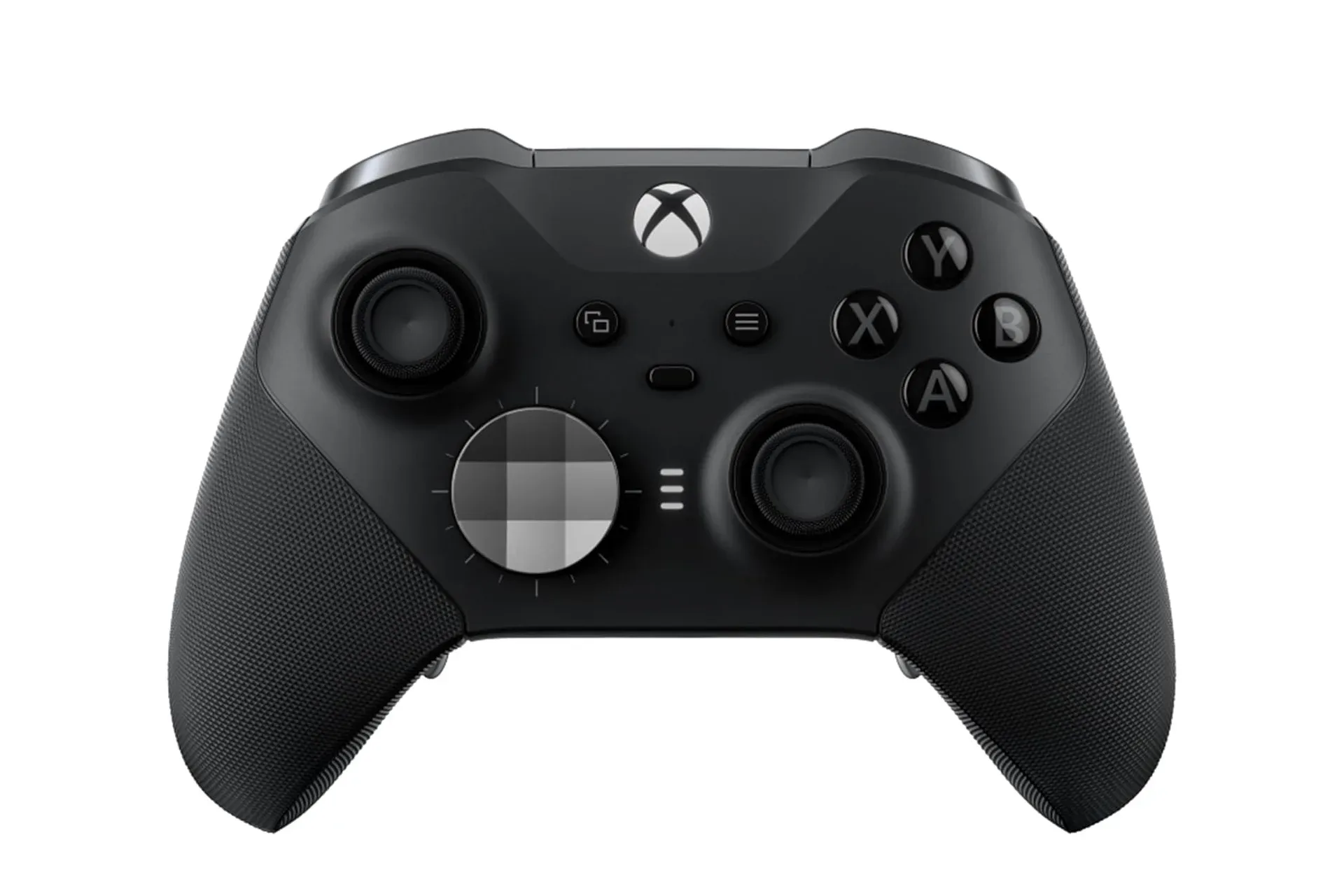
Those shopping around the wider Apple and console-accessory space may also want to compare how much they value premium audio against controls and game-specific hardware; the current Xbox Elite Series 2 bundle pricing is a reminder that a setup budget can disappear quickly when multiple premium accessories are involved.
USB-C lossless playback needs the right setup
The AirPods Max 2 support lossless audio when connected by USB-C to a compatible device. Lossless audio means the audio data is preserved without the quality-reducing compression associated with lossy formats. The potential benefit is greater retained detail in a suitable source track.
There are two conditions in the stated feature description that deserve emphasis: a USB-C connection and a compatible device. In other words, lossless is not described as an automatic result of merely owning the headphones, and it should not be presumed to apply to every wireless session, every device, or every source.
This is primarily an option for listeners who have compatible gear and care about a wired listening path. It also makes the USB-C port more than a charging convenience. A shopper who expects to use the headphones mainly for casual wireless playback may still appreciate the capability, but should not make it the central reason to buy unless the compatible wired use case is real.
Battery estimate and purchase checklist
Battery life is rated at up to 20 hours of listening with both active noise cancellation and Spatial Audio enabled. That is a more informative claim than an estimate made with those features switched off, because it reflects the use of two of the product’s headline functions. Still, “up to” is an estimate, not a fixed result for every listener.
Before purchasing, it is worth separating confirmed details from assumptions:
- Confirm that the $429 listing still applies to the preferred color.
- Read the Apple Arcade, Fitness+, and News+ offer terms, including whether an account is eligible.
- Decide whether USB-C lossless playback will be used with a compatible device, rather than counting it as value in the abstract.
- Consider which sound modes matter day to day: isolation, environmental awareness, automatic adjustment, or conversational convenience.
- Plan around the stated up-to-20-hour battery estimate with ANC and Spatial Audio active.
At $429, the AirPods Max 2 remain a luxury over-ear option, not a budget recommendation. But the $120 difference from the $549 list price changes the calculation for Apple users who specifically want H2-powered adaptive listening tools, Personalized Spatial Audio, USB-C lossless capability, and an advertised 20-hour listening estimate with ANC and Spatial Audio enabled. Buyers who will not use those features should judge the deal more cautiously; buyers who will may find the reduction substantial enough to make a premium purchase more defensible.
Shop the products
Check current price, model and availability at the retailer.