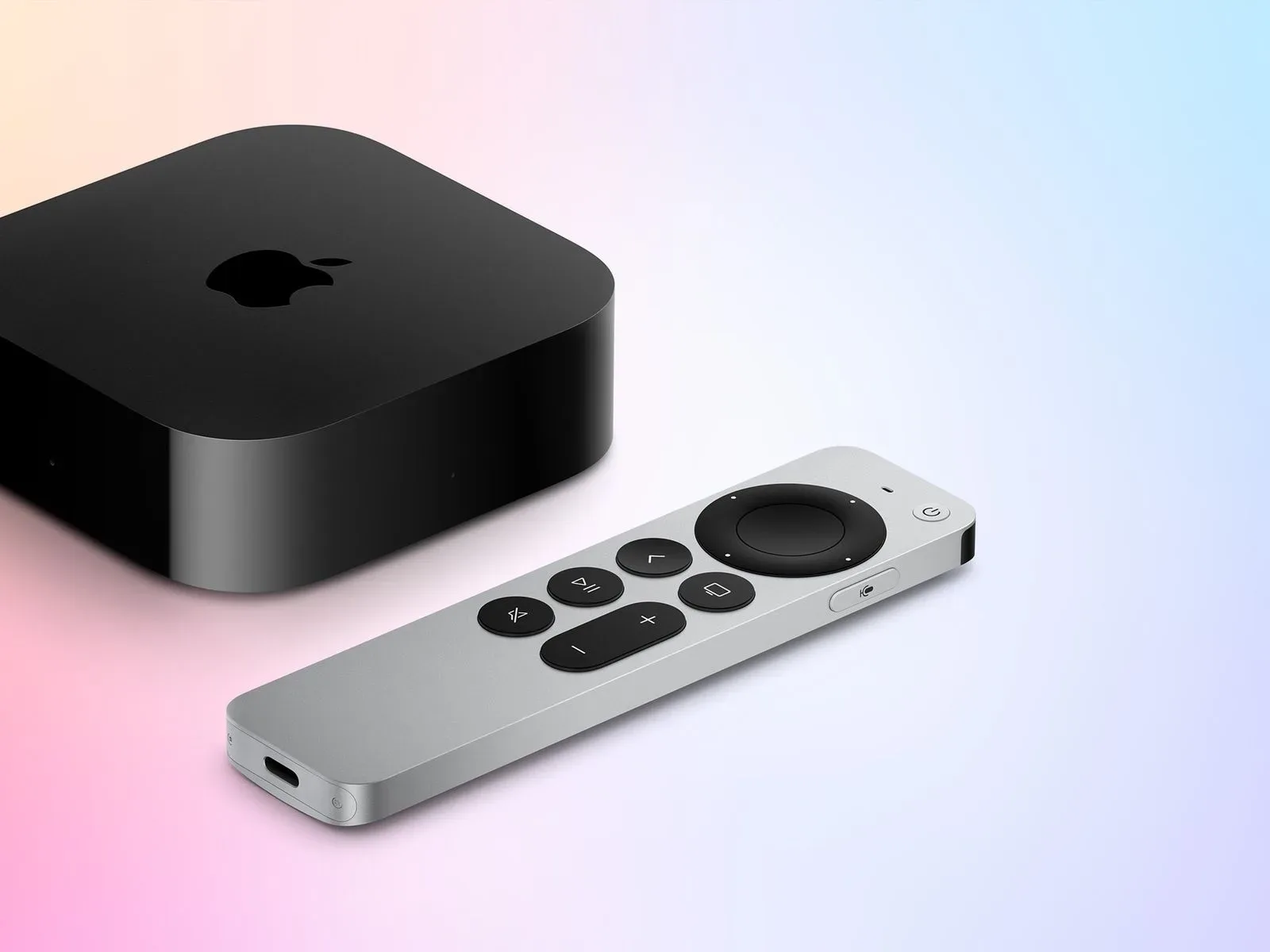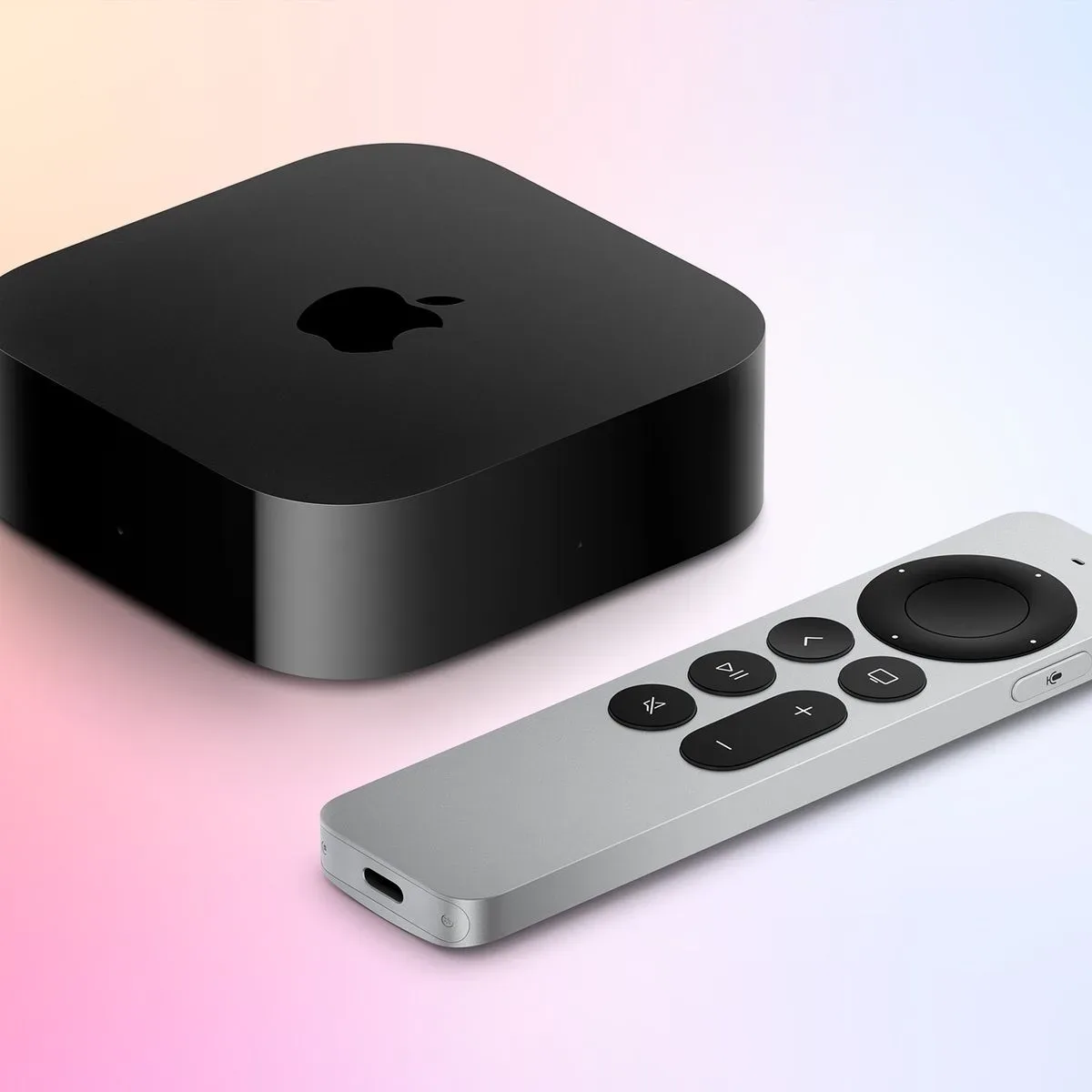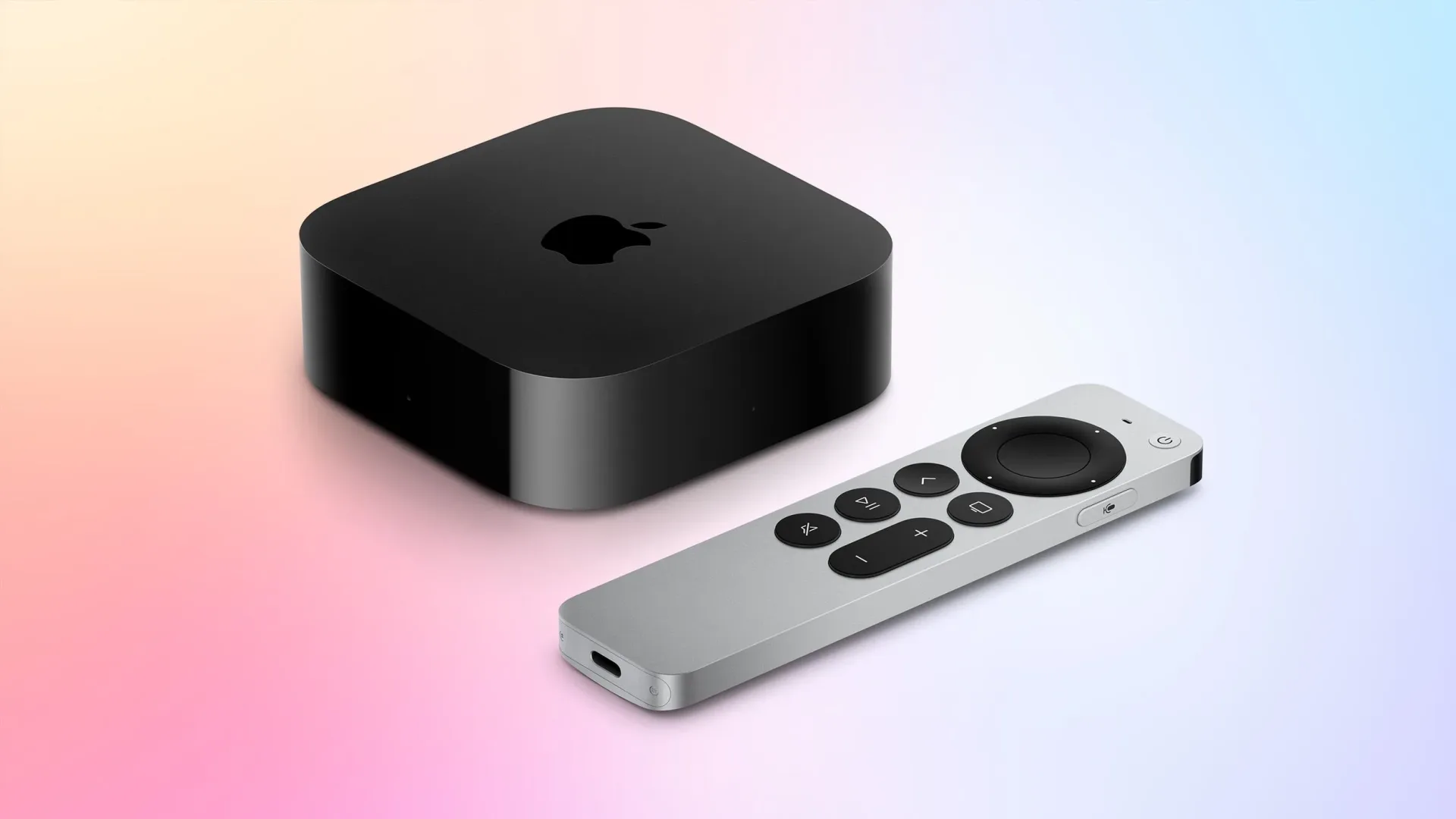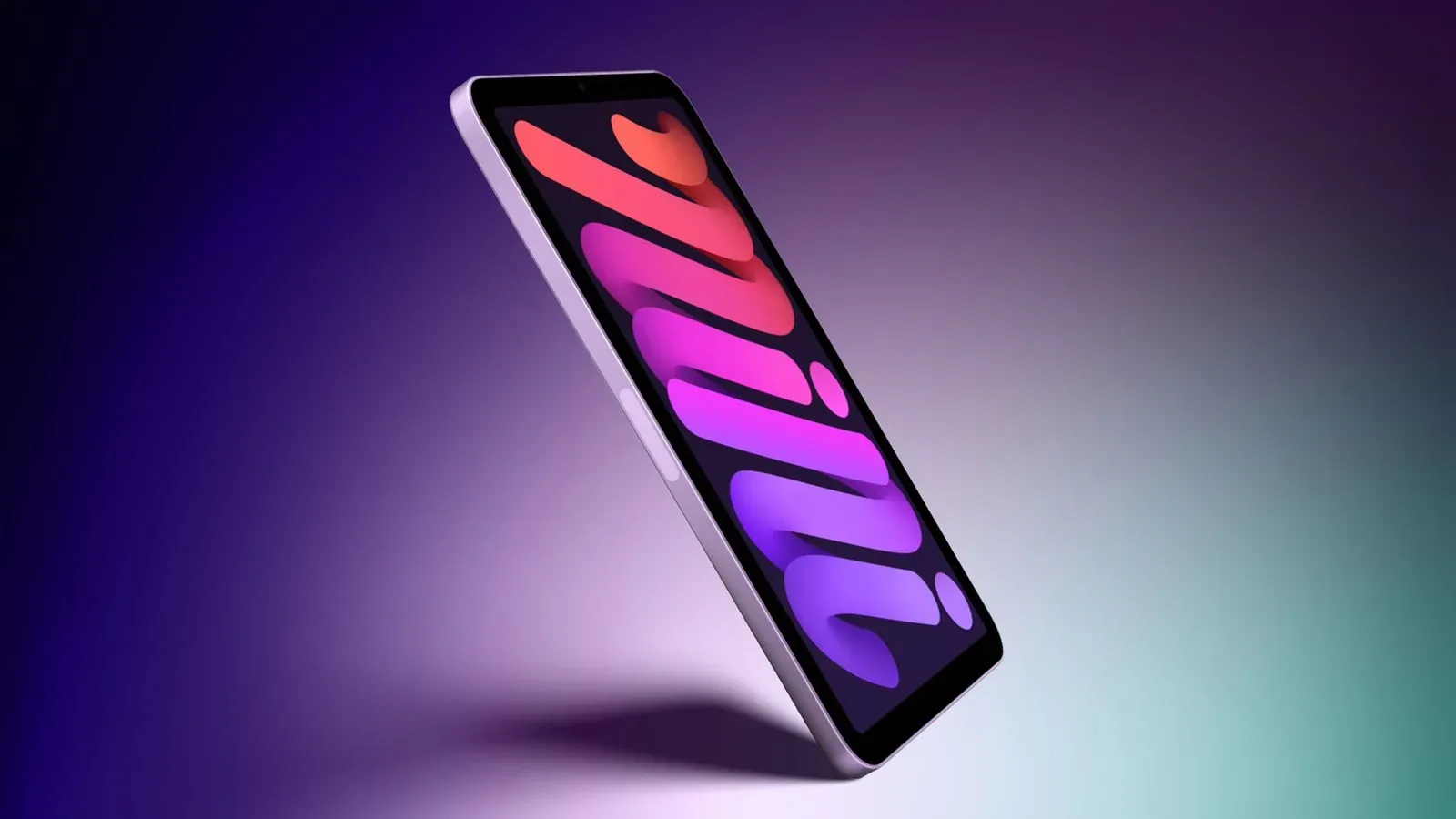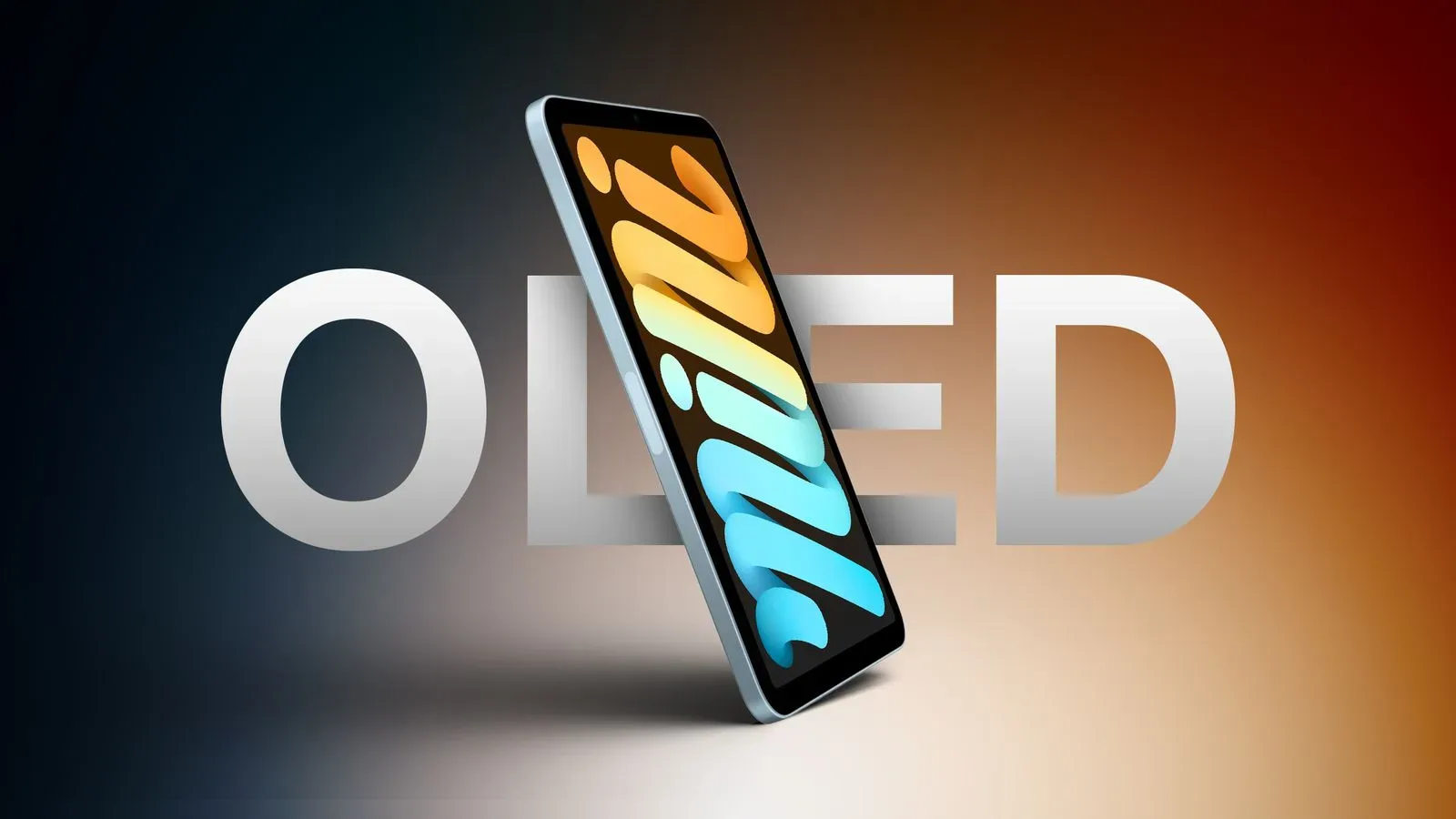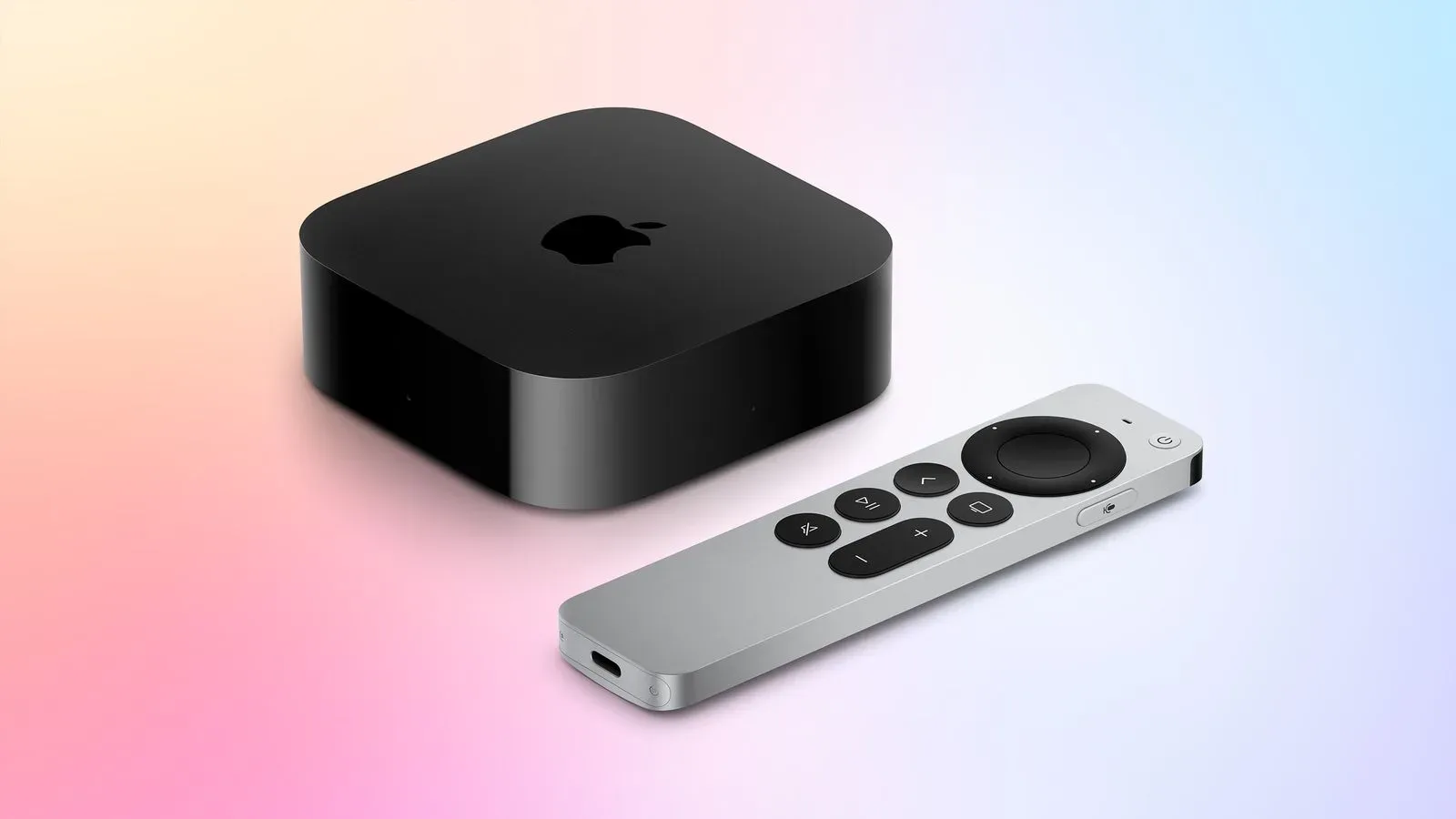
Apple’s newest hardware has picked up a few extra lines in the spec sheet—not from a glossy product page, but from Xcode 27.2. The development tool identifies the fourth-generation Apple TV 4K as having 8GB of RAM and the new iPad mini with an OLED display as having 12GB of RAM.
Those figures line up with expectations, but they are still useful confirmations. Apple does not publish RAM capacity in the technical specifications for these products. For people comparing devices, planning software support, or simply trying to understand what sits behind the chip names, Xcode’s device information closes a small but meaningful information gap.
The newly confirmed memory figures
- Fourth-generation Apple TV 4K: 8GB of RAM, paired with an A19 chip.
- OLED iPad mini: 12GB of RAM, paired with an A20 Pro chip.
- iPhone Duo: 12GB of RAM.
The iPhone Duo figure also appears in Xcode 27.2, though the main takeaway for TV and tablet buyers is the split between Apple’s new living-room streamer and its compact OLED tablet. The Apple TV 4K has two-thirds of the memory identified for the iPad mini: 8GB versus 12GB.
That comparison should not be mistaken for a simple ranking of speed or quality. These are products built for fundamentally different jobs. An Apple TV 4K is designed around a television-focused operating environment, while an iPad mini is a general-purpose touchscreen computer. RAM is one part of the hardware picture, not a universal scorecard.
For more context, explore Skip Bayless Keeps the Lil Wayne Super Bowl Case Alive After Jay-Z Is Named for LXI.
What RAM means—and what it does not
RAM, short for random-access memory, is short-term working memory. It is the fast storage a device uses while apps and system processes are active. An app can keep data in RAM while it is running; a system can use RAM to hold parts of multiple applications and background activity that it wants ready to access.
It is different from built-in storage. Storage holds material for the longer term, such as installed apps, downloaded media, photos and files. RAM is temporary workspace. Restarting a device clears the working state in RAM, while its stored content remains in storage unless the user removes it.
More RAM can give an operating system more room to keep active processes resident rather than closing or reloading them. But capacity alone does not establish precisely how any individual app will behave. Software design, operating-system memory management, the processor, graphics hardware and the workload itself all matter. The figures confirmed in Xcode tell buyers the amount of memory available in these models; they do not, by themselves, establish a particular performance result.
Why Xcode can reveal an otherwise unlisted spec
Xcode is Apple’s developer environment. It includes information developers need to build, test and prepare apps for Apple hardware. That makes it a practical place for device-level details to surface, even when consumer-facing product pages focus on other specifications.
Apple’s public specs commonly foreground a device’s chip, display, connectivity, dimensions, capacity options and platform capabilities. Memory capacity is not listed for these new products. The Xcode 27.2 information therefore matters less as a surprise than as confirmation of a detail that buyers cannot retrieve from the usual official spec comparison.
For developers, knowing which device profiles carry which memory amount can be relevant context during testing and optimization. A developer working across a lineup is not merely checking whether an app launches. They may need to account for different device classes and operating environments. The confirmation that the A19-based Apple TV 4K carries 8GB and the A20 Pro-based iPad mini carries 12GB helps make those hardware distinctions more concrete.
An 8GB Apple TV 4K is a notable hardware detail
The fourth-generation Apple TV 4K’s 8GB total is especially notable because Apple’s streaming box is often discussed in terms of picture output, television integration and apps rather than its memory allocation. Xcode now provides a firm number to accompany the A19 chip.
That does not turn RAM into the only spec worth weighing for a streaming device. A buyer’s actual priorities may center on television compatibility, the apps they use, their broader device setup and the capabilities of the platform. Still, a confirmed memory figure offers a clearer baseline for people interested in the hardware beneath the interface.
It also illustrates why chip branding and memory are separate pieces of information. The A19 name identifies the processor family in the new Apple TV 4K, while 8GB describes the system’s working-memory capacity. Both help characterize the device, but neither replaces the other.
The OLED iPad mini lands at 12GB
The OLED iPad mini is identified with 12GB of RAM alongside its A20 Pro chip. The OLED designation describes the tablet’s display technology; the A20 Pro is its chip; and the 12GB number is its working memory. Keeping those categories separate makes a spec list easier to read.
In practical terms, the confirmation means the new iPad mini and iPhone Duo share the same stated RAM amount in Xcode: 12GB. It does not mean the two devices have the same overall hardware configuration, software behavior or intended use. Devices can share a memory figure while differing in chip, display, form factor and operating system.
For a compact tablet, the memory figure is a helpful detail for shoppers who prefer to assess hardware beyond screen and storage capacity. It may also matter to developers considering the range of devices their apps are expected to support. The number is now confirmed, while claims beyond that—such as specific multitasking outcomes or app-by-app advantages—would require evidence not supplied by the RAM listing itself.
Memory pricing is part of the wider product story
The newly visible specs arrive during an industrywide memory-chip shortage that has pushed up the price of RAM and storage chips. Apple has raised prices this year across numerous product lines, including iPhones, iPads, Macs, HomePods and the Apple TV 4K.
That backdrop gives the Xcode figures additional context. RAM is not an abstract number on a device profile; it is a component affected by the same supply conditions influencing broader hardware costs. The available information does not break down how much of any individual price change comes from memory, storage or another factor. It does establish that higher chip prices and a shortage are affecting the market while Apple has increased prices across its lineup.
For consumers, the practical lesson is to distinguish between a confirmed hardware fact and an explanation that goes beyond the evidence. The confirmed facts are straightforward: the Apple TV 4K has 8GB, the OLED iPad mini has 12GB, and the iPhone Duo has 12GB. The shortage has raised RAM and storage chip prices, and Apple has raised prices on many products. A direct calculation tying each gigabyte to a particular retail increase is not available here.
How to use these numbers when comparing devices
RAM is best treated as one item in a larger comparison rather than the entire buying decision. The most useful questions depend on the device category.
For Apple TV 4K shoppers
- Recognize that the current fourth-generation model has a confirmed 8GB of RAM.
- Consider the A19 chip and the platform features you actually need alongside that number.
- Do not confuse RAM with onboard storage or assume that memory alone describes streaming quality.
For iPad mini shoppers
- The new OLED iPad mini has a confirmed 12GB of RAM with its A20 Pro chip.
- Screen technology, physical size, chip and storage remain distinct considerations from RAM capacity.
- Compare the whole device against your needs rather than treating a larger memory figure as an automatic answer for every task.
The key value of Xcode 27.2 is clarity. Apple’s public specification pages omit these memory capacities, while the developer tool supplies them. That gives prospective buyers and developers a better-defined hardware picture without changing the basic rule of sensible comparisons: understand what the number measures, then weigh it against the rest of the device.
In this case, the ledger is tidy: 8GB for the A19-powered Apple TV 4K, 12GB for the A20 Pro-powered OLED iPad mini, and 12GB for iPhone Duo. In a period when memory components have become more expensive across the industry, even the specs that arrive quietly deserve a look.