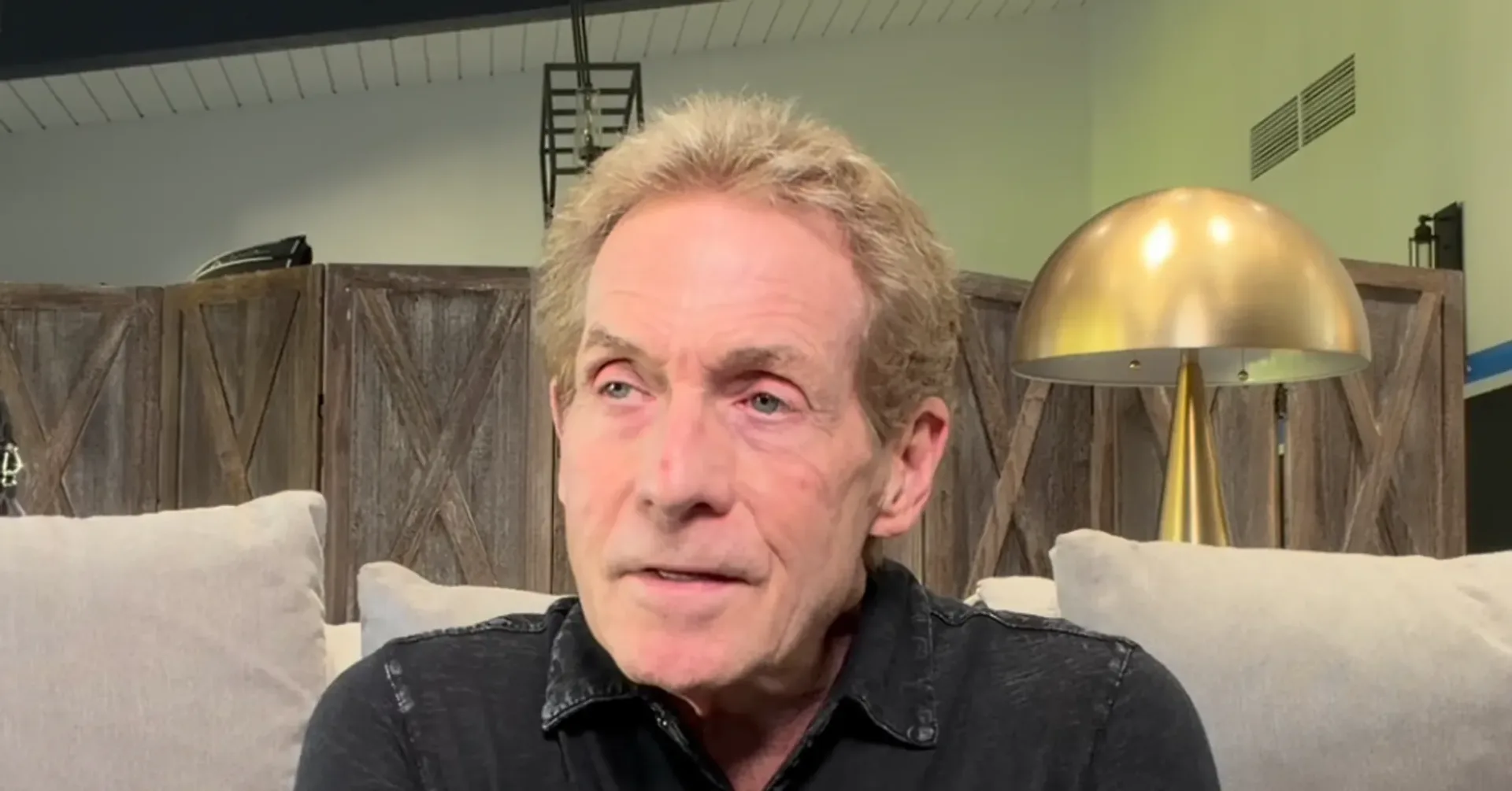
Skip Bayless is not dropping the Lil Wayne-for-the-Super-Bowl argument. After the NFL named Jay-Z as the halftime headliner for Super Bowl LXI, Bayless returned to a point he has made repeatedly: Wayne should eventually receive a halftime-show opportunity of his own.
“Wayne deserves to be on that stage at some point,” Bayless wrote on X on Oct. 29. It is a concise statement, but it carries the weight of a much larger conversation—one shaped by a missed hometown moment, a public friendship and the unusual stakes attached to the Super Bowl halftime show.
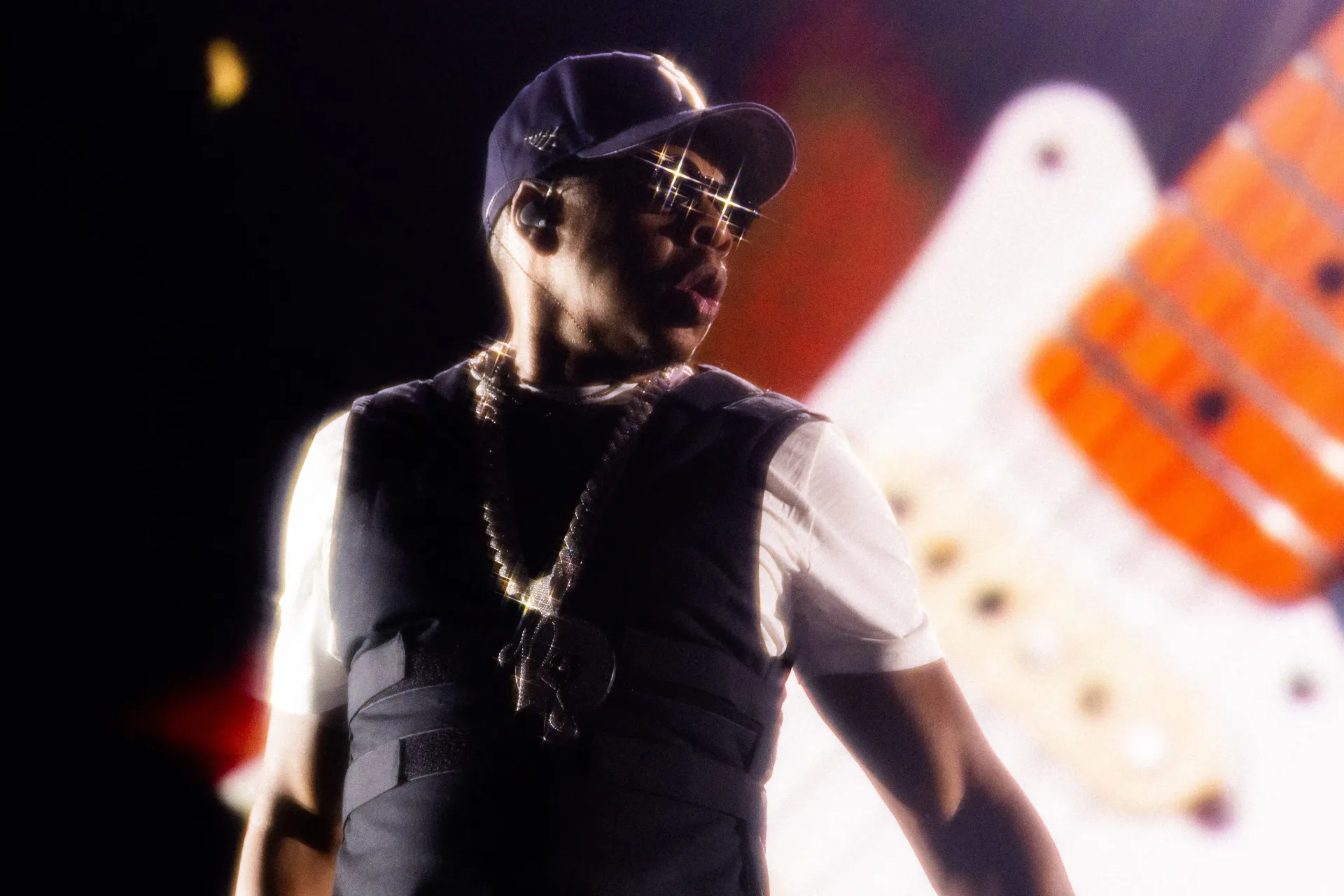
Jay-Z is set to lead the Feb. 14, 2027 performance at SoFi Stadium in Inglewood, California. The booking is notable in its own right. Roc Nation has helped produce the halftime show since 2019, yet this will be Jay-Z’s first time as its lead performer. The full lineup has not been announced, so no guest performers have been confirmed.
Bayless did not directly argue that Wayne should appear alongside Jay-Z. His latest post instead keeps the broader case focused on a future headlining chance. That distinction matters. A guest spot and a headlining assignment are not interchangeable: the former is a potentially brief appearance within somebody else’s production, while the latter puts an artist’s catalog, creative direction and career narrative at the center of the show.
Why the question continues to follow Lil Wayne
The argument reached its peak around Super Bowl LIX in 2025. The game was held in New Orleans, Wayne’s hometown, but Kendrick Lamar was selected to headline the halftime show. For fans who viewed the event through the lens of local identity, the decision created a clear emotional contrast: an artist strongly associated with the host city was not chosen for the city’s biggest global stage.
Bayless was among the loudest people objecting to that outcome. In January 2025, he said Wayne should “obviously” have headlined because of the New Orleans connection. On the day of Lamar’s performance, Bayless said he would not watch the halftime show, describing the decision to leave Wayne out as wrong and framing his choice as support for his friend.
That personal angle is central to understanding why Bayless continues to speak up. Wayne was a frequent contributor to Bayless’ former FS1 program Undisputed, providing its theme music and appearing for sports conversations. Their relationship began during Bayless’ time at ESPN, and both have discussed their friendship publicly. Bayless’ advocacy is therefore not detached commentary on a booking decision; it is support for someone he knows well.
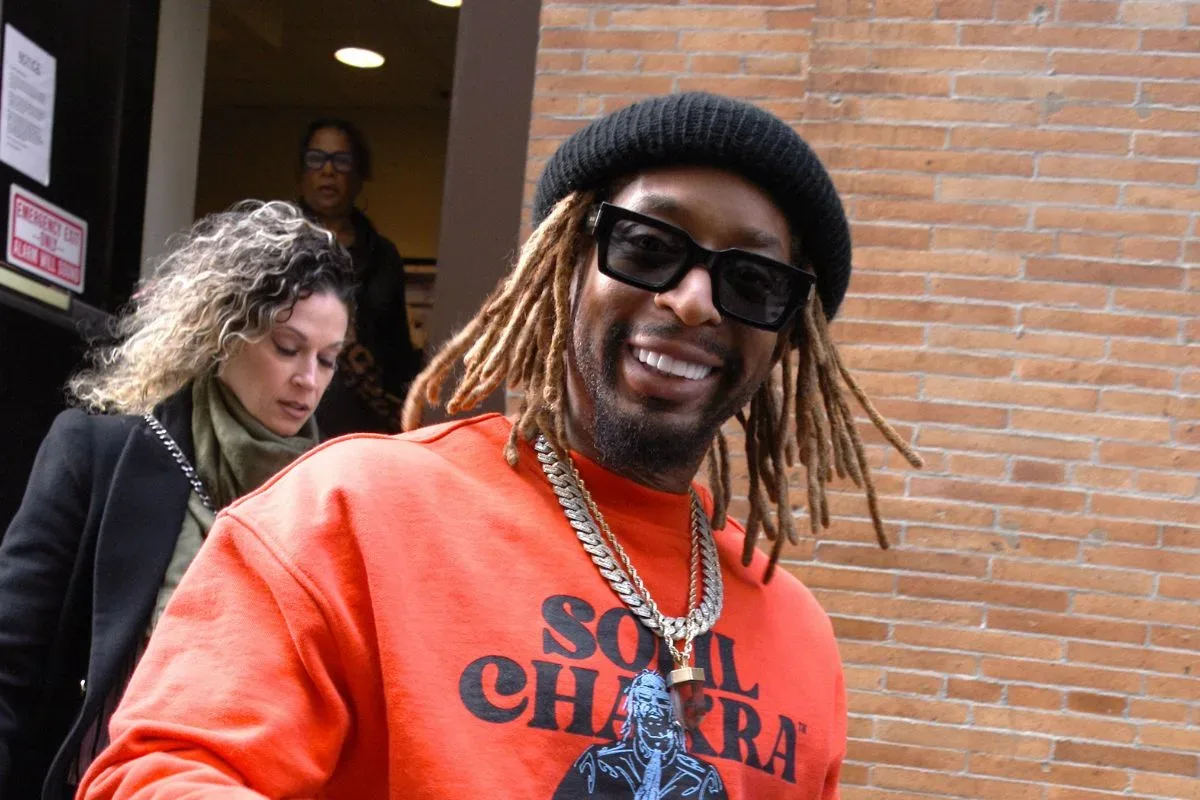
Wayne also made clear that missing the New Orleans show hurt. In September 2024, he told supporters that the disappointment had “broke me.” At the same time, he later said he held no ill will toward Lamar. During a December appearance on The Skip Bayless Show, Wayne said he had spoken with Lamar and encouraged him to put on a memorable performance.
That response is an important part of the record. The debate around a halftime booking can easily turn into a false choice in which supporting one artist is treated as an attack on another. Wayne’s comments did not embrace that framing. He expressed real disappointment while wishing Lamar well, leaving room for both the personal sting of the moment and respect for the performer who was selected.
Jay-Z’s booking changes the discussion, not the unanswered question
Super Bowl LXI moves the event from New Orleans to Inglewood, which means the hometown case is no longer the immediate issue. Jay-Z’s selection is a separate booking, and Bayless’ Oct. 29 message did not criticize Jay-Z or call for him to give up the slot.
Still, the announcement inevitably brings Wayne’s prospects back into view because the halftime show is a limited, high-profile platform. Each booking sets off discussion not only about the performer chosen but also about prominent artists who have yet to headline. In Wayne’s case, the memory of 2025 makes that conversation especially durable.
There is also a practical reason not to read too much into speculation about Jay-Z’s guests. The NFL has not announced any. Halftime-show productions can involve collaborators, but the mere existence of an open guest list is not evidence that any particular artist has been invited. That includes Wayne, whose name is being raised by Bayless as a continuing headliner candidate rather than as a confirmed LXI participant.
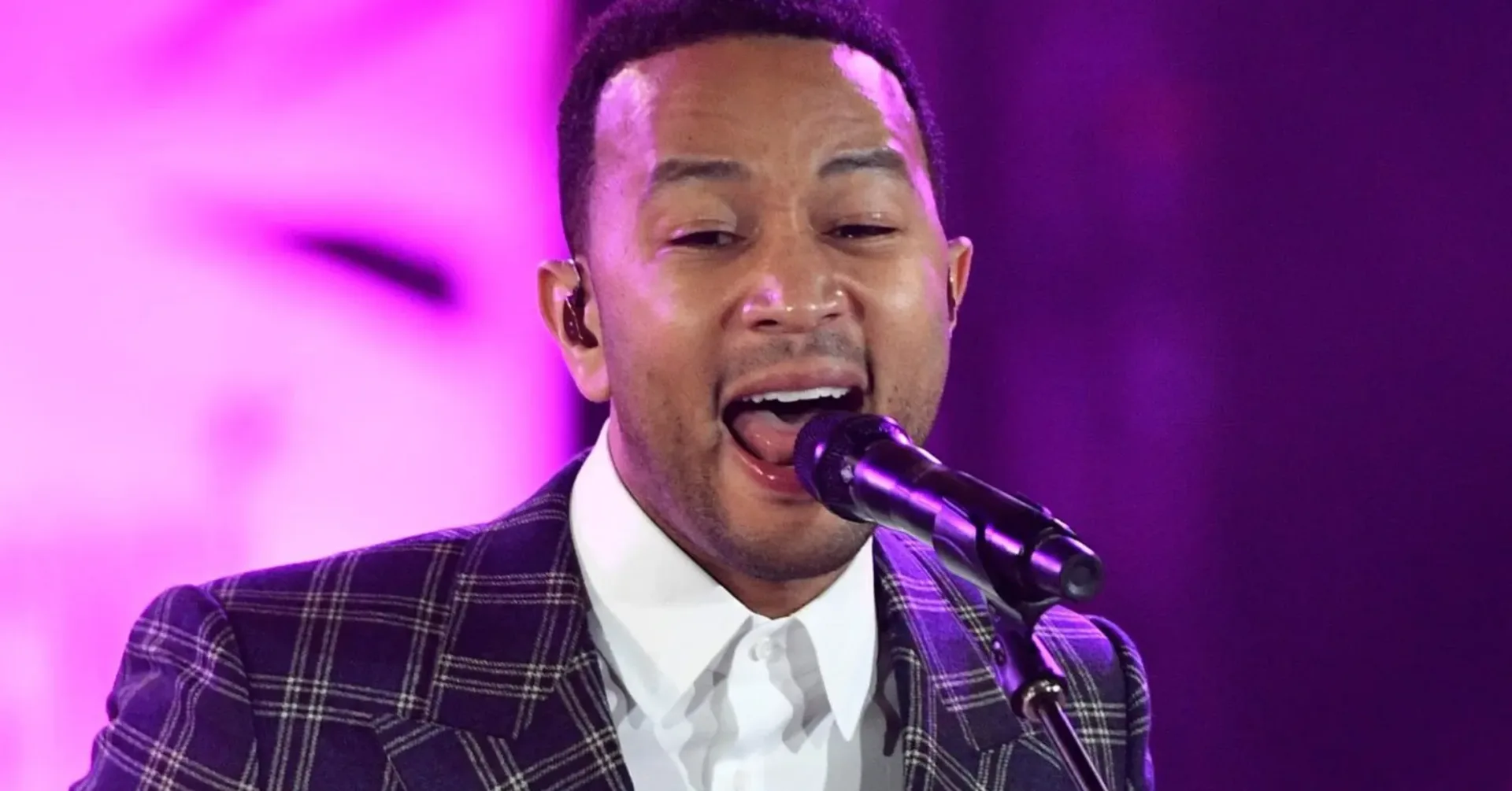
The guest conversation around the show has already been treated cautiously elsewhere, including in reports that John Legend has not been asked about a Super Bowl LXI guest spot. Until the official lineup changes, Jay-Z is the sole confirmed performer in the information available.
What “deserves” means in a halftime-show debate
Bayless’ wording—Wayne “deserves” the stage—is a values-based claim, not a report of a booking process. In entertainment debates, “deserves” can point to several different ideas at once: cultural impact, body of work, popularity, influence, ties to a host city, or the sense that an artist’s career belongs in a particular showcase.
For Wayne, the New Orleans connection added urgency in 2025. But Bayless’ latest statement broadens the appeal beyond one location and one game. He is arguing that the opportunity should arrive eventually, regardless of where the Super Bowl is held. That is a more durable position than simply revisiting the prior booking dispute, even if that dispute remains its obvious backdrop.
It is also a reminder that the halftime show is more than an intermission. It is a cultural platform where selection itself becomes a statement about legacy and reach. Fans often judge the choice against artists they believe have shaped a genre or era. Those judgments are subjective, and they need not imply that another artist was unqualified. But they explain why a single booking can produce debates that last well beyond game day.
A clear line between confirmed news and fan hope
The confirmed details are straightforward: Jay-Z will headline Super Bowl LXI at SoFi Stadium on Feb. 14, 2027, and the NFL has not revealed guest performers. Bayless has again stated his belief that Lil Wayne deserves a future turn on the halftime stage.
Everything beyond that remains uncertain. There is no announced Wayne appearance for the 2027 show, no indication that he has been approached, and no public commitment to a future headline slot. Bayless’ post is best understood as advocacy, not as a hint that a deal is in motion.
For now, the comment preserves the central question rather than resolving it. Jay-Z gets a long-awaited first halftime lead after years of Roc Nation’s involvement in producing the event. Wayne remains an artist whose absence from the New Orleans show is still part of the Super Bowl’s recent cultural memory. Bayless, predictably and personally, is making sure that memory is not allowed to fade into a closed chapter.