Apple’s end-of-October product slate has become a dense one: eight products are available to pre-order across three release dates, with five of them newly opened for orders and scheduled to arrive on Friday, November 6.
The fresh November 6 group spans tablets and Macs: an iPad mini with an OLED display, an iMac with an M6 chip, a 14-inch MacBook Pro with an M6 chip, a 14-inch MacBook Pro with an OLED display, and a 16-inch MacBook Pro with an OLED display.
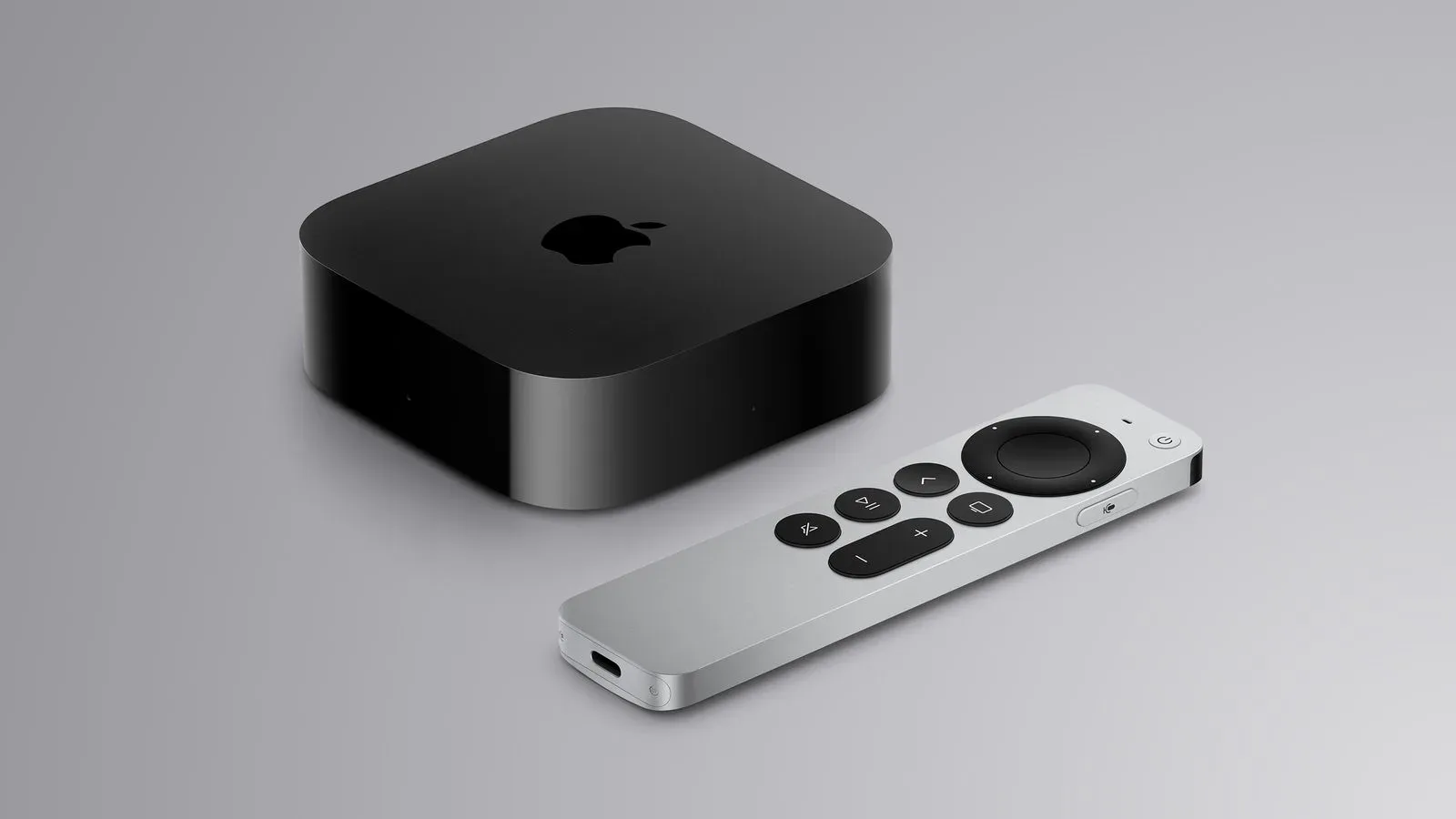
Those sit alongside three products that were already in the ordering pipeline: the HomePod mini 2, which is due Friday, October 30, plus the Apple HomeView smart-home hub and fourth-generation Apple TV 4K, both set for Friday, November 13. Buyers looking at the entire lineup will want to pay attention to those dates rather than treating the new pre-order window as one single launch.
The pre-order calendar at a glance
- October 30: HomePod mini 2
- November 6: iPad mini with OLED display; iMac with M6 chip; 14-inch MacBook Pro with M6 chip; 14-inch MacBook Pro with OLED display; 16-inch MacBook Pro with OLED display
- November 13: Apple HomeView smart-home hub; Apple TV 4K (fourth generation)
That makes the November 6 group the largest single release date in the current run, but it is only part of a broader October-and-November hardware rollout. The iPhone Duo had already been released on October 23, while several related accessories and special editions have also appeared during the month.
Five new pre-orders, split between screen and chip labels
The naming of the new Macs is worth reading closely. Apple has listed a 14-inch MacBook Pro with M6 chip as one product, while also listing 14-inch and 16-inch MacBook Pro models with OLED displays. The available information identifies those distinct listings, but does not establish that each label represents every specification of the machines. In other words, prospective buyers should not assume additional configuration details that have not been stated.
It is similarly important not to turn product names into unverified performance claims. “M6” identifies the chip named in the iMac and one 14-inch MacBook Pro listing; no benchmarks, memory configurations, graphics details, port changes, battery figures, or other specifications are provided here. The OLED references identify display-equipped iPad mini and MacBook Pro listings, but do not by themselves describe panel brightness, refresh behavior, resolution, or any other screen characteristic.
That distinction may sound pedantic, but it is useful during a crowded launch. A model name tells shoppers which product page to inspect; it does not necessarily answer whether a particular machine fits a workflow, a display preference, or an existing accessory setup. Anyone choosing between the two 14-inch MacBook Pro listings should compare the official ordering options directly instead of inferring a complete feature matrix from the abbreviated names.
What OLED and M6 mean in this announcement
OLED is the display designation attached to the iPad mini and two MacBook Pro listings in the current lineup. It is a screen-related label, not a general description of the full device. M6 is the chip designation attached to the iMac and a separate 14-inch MacBook Pro listing. It is a processor-related label, not evidence of a given display technology.
The practical takeaway is simple: Apple’s schedule separates products by more than size alone. Shoppers comparing a 14-inch MacBook Pro need to recognize that one listing is explicitly identified by its M6 chip while another is explicitly identified by its OLED display. The supplied release information does not settle the broader relationship between those labels, so careful model-by-model checking matters.
Home products arrive on either side of the Mac and iPad release
The HomePod mini 2 is the first of the pre-order devices to reach its release date, arriving October 30. Apple HomeView and the fourth-generation Apple TV 4K follow a week after the five-device November 6 batch, on November 13.
HomeView is identified as a smart-home hub, placing it in the group of products intended to sit at the center of a connected-home setup. The information available does not detail its supported standards, controls, display, audio capabilities, or compatibility rules. Likewise, the fourth-generation Apple TV 4K is named and dated, but no new media, gaming, storage, processor, or connection features have been specified here.
For buyers planning several purchases, the staggered timing is more meaningful than it might first appear. The HomePod mini 2 comes first, the tablet-and-computer cohort follows, and the hub-plus-streaming-box pair lands last. An order plan that treats the products as a single same-day upgrade could lead to confusion about when each item is actually expected to release.
The fourth-generation Siri Remote has a compatibility caveat
Apple is also selling the fourth-generation Siri Remote separately. It can be used with a second-generation Apple TV 4K or newer, which gives existing owners a path to buy the remote without replacing their streaming hardware.
However, one advertised capability has a narrower requirement. Precision Finding requires the remote to be paired with one of the following phones: iPhone Duo, iPhone Air, iPhone 17, iPhone 17 Pro, or iPhone 17 Pro Max.
Precision Finding, as named here, should not be conflated with basic remote compatibility. The remote itself works with a second-generation Apple TV 4K or later, while that particular locating feature depends on a paired phone from the specified list. That is the key purchasing distinction for households thinking about a standalone remote upgrade: an eligible Apple TV model is enough for use, but it is not alone enough to establish access to Precision Finding.
The iPhone Duo is especially relevant to that list because it was released on October 23. Its inclusion means the newly released phone is among the models required for Precision Finding, but the available details do not state whether every other remote function varies by iPhone model.
A Pokémon speaker and accessory updates add to the month’s releases
Outside the eight pre-order products, Apple has released a special-edition Beats Pill × Pokémon speaker, a new iPad mini Smart Folio, and an updated World Travel Adapter Kit during the month. These items are separate from the dates in the pre-order calendar, yet they add important context: this is not merely a Mac refresh or a smart-home update, but a period featuring computer, tablet, home, phone, accessory, and crossover products at once.
The Beats collaboration is a clear point of interest for Pokémon fans, though the information at hand does not specify its regional availability, production scale, pricing, technical differences, or whether the edition changes the speaker beyond its special-edition identity. Those are all details worth confirming before treating it as a straightforward alternative to another Beats Pill.
Readers interested in the wider intersection of gaming hardware and platform support can also see how control methods influence access in this look at gamepad work and the limits of platform inference. The same caution applies here: a product’s name and broad category can be useful, but claims about unlisted use cases or capabilities need firmer information.
What shoppers can confidently plan around
There are several firm facts amid a product list that otherwise leaves many technical questions unanswered. The five newly orderable products are all slated for November 6. The HomePod mini 2 is scheduled for October 30. Apple HomeView and the fourth-generation Apple TV 4K are scheduled for November 13. The fourth-generation Siri Remote is separately available, works with second-generation Apple TV 4K hardware or newer, and reserves Precision Finding for pairings with the specified newer iPhone models.
Everything beyond that should be approached as a question to verify on the applicable order page. That includes exact configurations, feature differences between similarly sized MacBook Pro listings, delivery estimates, and the particulars of the newly mentioned accessories. With five new pre-orders beginning at once and releases spread over three Fridays, clarity about the model name and launch date is likely to be more valuable than rushing to generalize from the launch’s scale.