Apple’s newly announced iPad mini may only be the opening act for the week. Shortly after the company revealed the compact tablet with an OLED display and A20 Pro chip, Apple marketing chief Greg Joswiak described the days ahead as an “exciting week.”
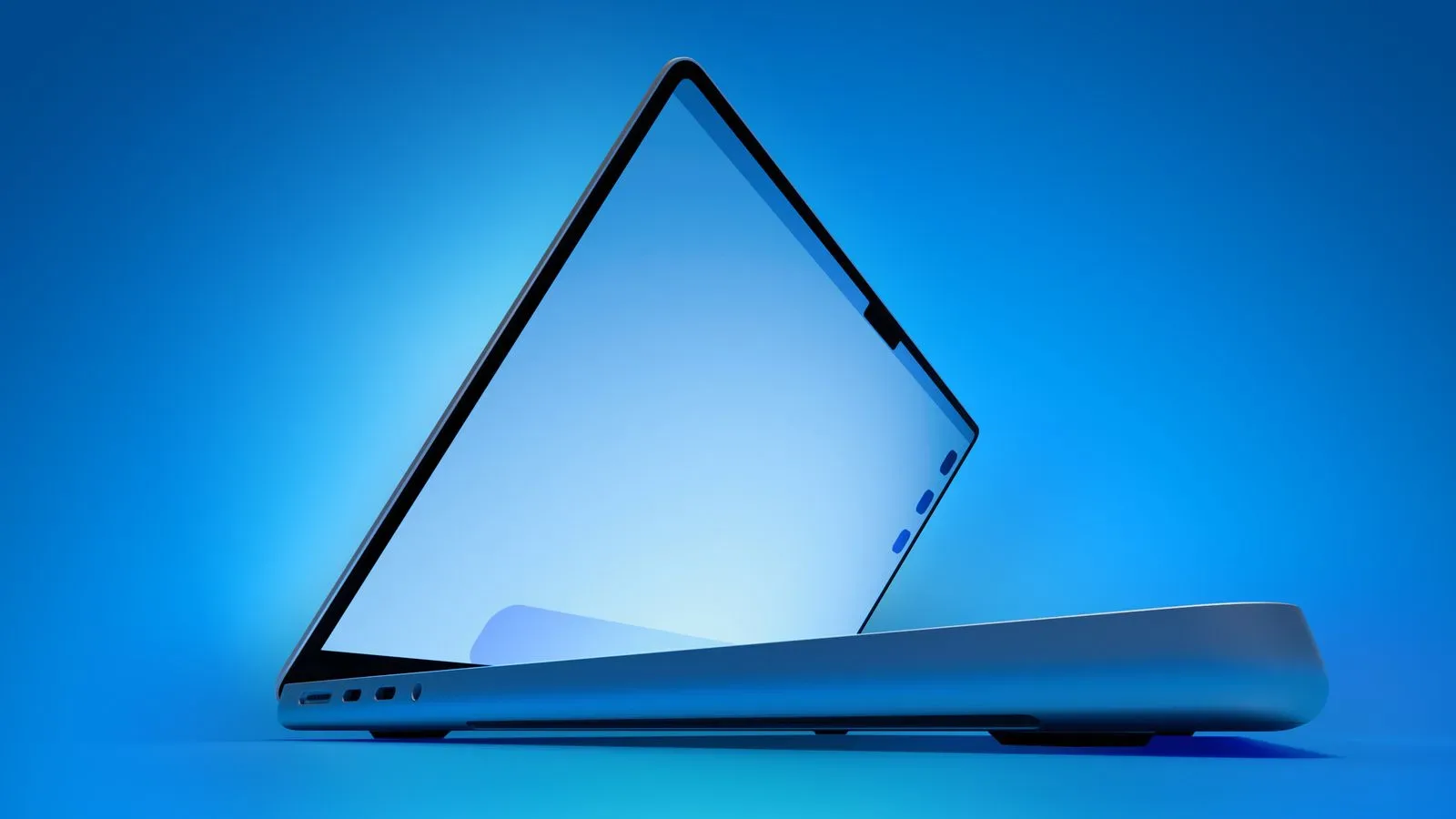
That wording is not a product list, release timetable, or promise that every circulating expectation will materialize. But it does arrive alongside reports that Apple could reveal additional Mac hardware during the same stretch, including an iMac using an M6 chip, a 14-inch MacBook Pro with an M6 chip, and MacBook Pro models featuring touch-enabled OLED displays.
Apple is also scheduled to hold an experience in Los Angeles on Wednesday at 10 a.m. Pacific Time. Technology reporters and content creators are expected to receive hands-on time with the new devices there, making that gathering a potentially important checkpoint for separating announced specifications from the broader rumor mill.
The confirmed starting point: a new iPad mini
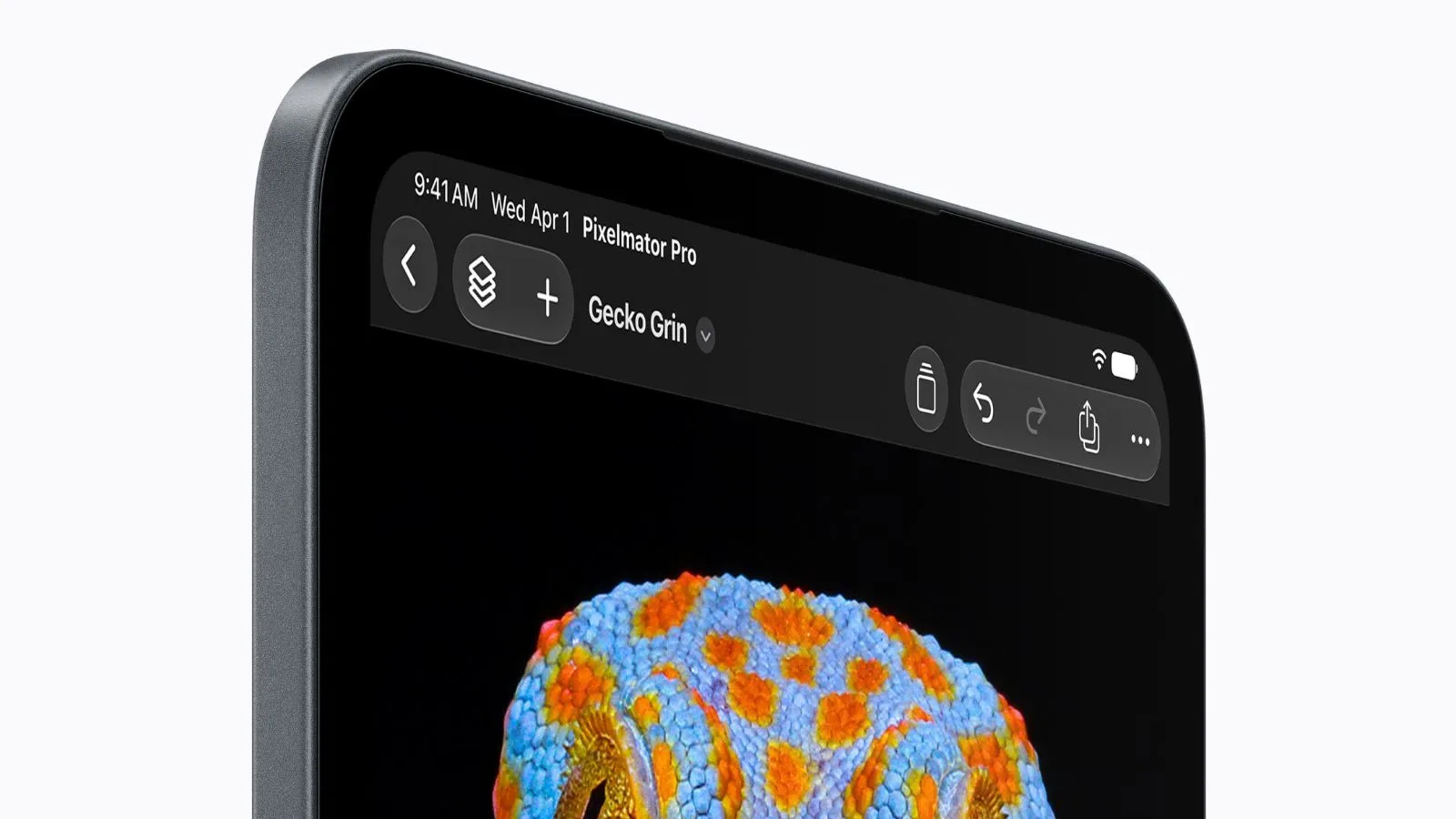
The iPad mini announcement supplies the firmest detail in this developing week: the small tablet now has an OLED display and an A20 Pro chip. OLED, short for organic light-emitting diode, is a screen technology in which individual pixels produce their own light. In practical terms, it can allow a pixel to turn off completely for black areas of an image, unlike a conventional backlit display that must illuminate a broader panel behind the pixels.
That does not automatically define every aspect of a display’s quality. Brightness, color tuning, reflectivity, refresh behavior, software and power use all matter too. Still, moving OLED into the iPad mini is a notable headline because a display is the component users interact with most directly, whether they are reading, streaming video, making art, browsing a collection database, or playing touch-focused games.
The A20 Pro is the other named part of the update. A chip is the central silicon package that handles a device’s general computing work and related tasks. Its real-world effect depends on the workload and software, so the announcement alone should not be treated as a measured performance comparison against older iPad mini models. It does, however, make clear that Apple has paired the display change with a new named processor.
Readers looking to sort through the iPad mini’s configuration details can also see what distinguishes the 512GB OLED iPad mini configuration. Storage capacity and processor configuration can be separate questions, and buyers should check the exact version rather than assuming every model shares every listed specification.
What may be next—and what remains unconfirmed
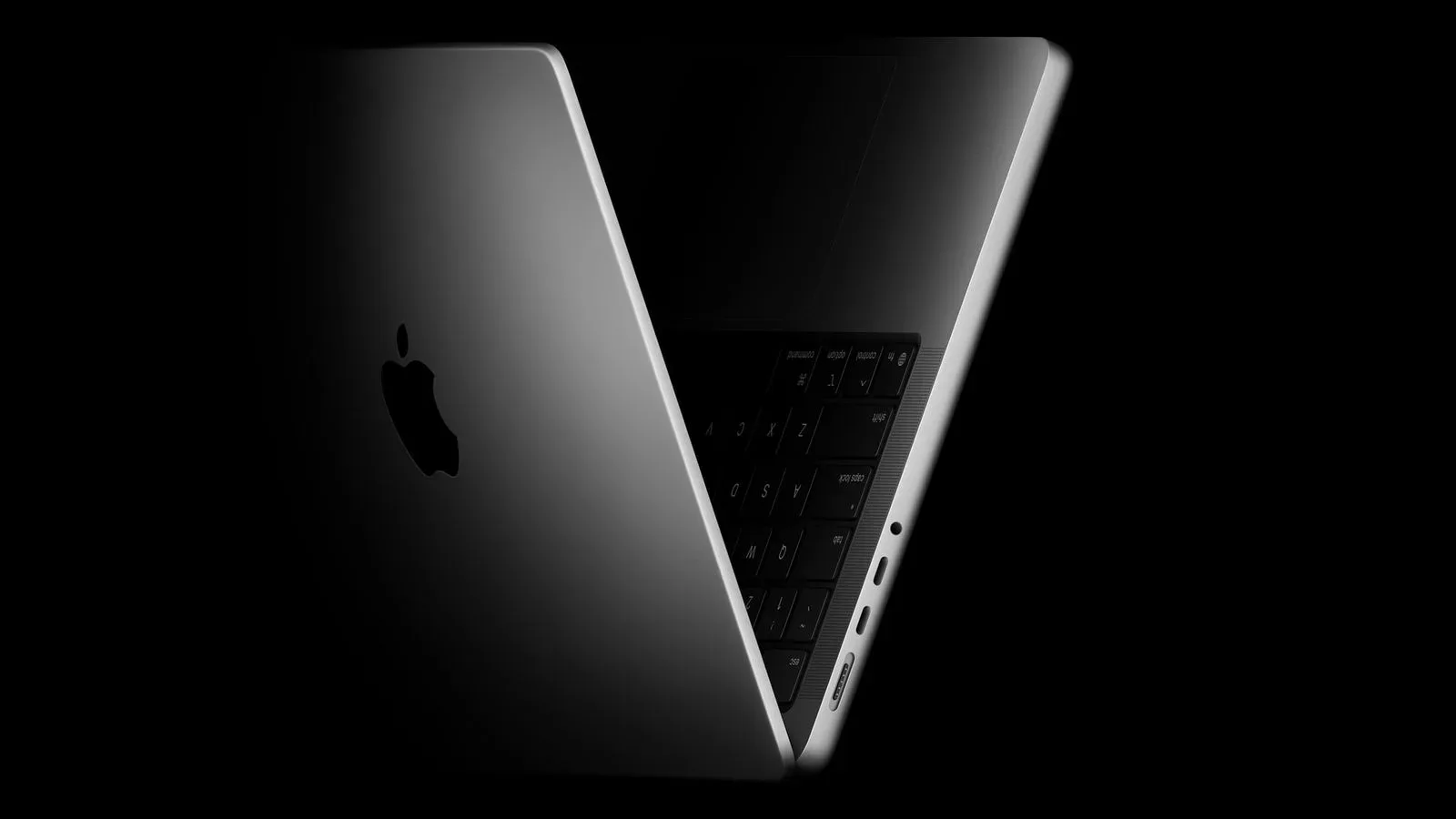
The prospective Mac announcements require more caution. The reported lineup includes an iMac with an M6 chip and a 14-inch MacBook Pro with an M6 chip. It also includes a more consequential-sounding possibility: MacBook Pro models with touch-enabled OLED displays.
“Touch-enabled” means the display could accept direct finger input. That is distinct from the trackpad interaction long associated with Mac notebooks. A trackpad is a separate surface used to move a pointer and make gestures; a touch display lets someone interact with content on the screen itself. The difference could affect how people navigate interfaces, mark up material, move items around creative apps, or play games designed around direct input. Yet these are implications of the reported feature, not confirmation of its implementation, supported apps, gesture system, dimensions, configurations, or release schedule.
Likewise, “M6” identifies a purported new generation of Apple silicon in these reports, but no performance figures, core counts, memory options, ports, display sizes beyond the reported 14-inch MacBook Pro, pricing, or availability dates are established here. It would be premature to describe any of those details as settled.
Why an iMac and MacBook Pro split would matter
The two reported Mac categories serve visibly different form factors. An iMac is an all-in-one desktop: its computer components and display occupy the same main unit. A MacBook Pro is a portable notebook built around an integrated display, keyboard, battery and trackpad. If Apple does introduce both, the shared M6 name would not mean the machines are otherwise identical; desktop and portable hardware can have different physical constraints and intended uses.
For people considering an upgrade, the practical lesson is simple: do not make a purchasing decision based on a teased phrase or a list of expected products. Wait for the exact devices, specifications and configurations to be formally presented. This matters especially for anyone weighing a newly announced iPad mini against a Mac notebook. They are not interchangeable merely because both can be used for media, communication and some creative or gaming tasks. Screen size, input methods, portability and software environment are all central to that choice.
Wednesday’s Los Angeles experience could add needed clarity
Apple’s planned Los Angeles experience begins Wednesday at 10 a.m. Pacific Time. The stated expectation is that invited technology reporters and content creators will have hands-on time with the new devices.
Hands-on access is different from a teaser. A teaser can establish anticipation while offering few usable specifics. Direct access can allow attendees to inspect physical design, displays, controls and software behavior, then report what they actually encountered. It does not guarantee that every unanswered question will be addressed, but it can help establish which announced claims are visible in the product experience and which topics still need clarification.
That distinction is especially relevant if touch-enabled OLED MacBook Pro models appear. A feature list may say that a display responds to touch; practical reporting can illuminate where that capability appears in the interface and what it feels like to use. Until such information is available, readers should distinguish a reported possibility from a demonstrated product trait.
How to follow the week without reading too much into it
- Separate announcements from expectations. The OLED iPad mini and A20 Pro chip are the stated launch details. The M6 iMac, M6 14-inch MacBook Pro and touch-enabled OLED MacBook Pro models remain expected products until Apple presents them.
- Watch for exact configuration language. A model family name does not tell buyers the storage, chip variant, display behavior or other specifications of every version.
- Do not turn a hands-on event into an availability date. The Wednesday Los Angeles experience confirms a scheduled opportunity for attendees to spend time with devices; it does not, on its own, establish when customers can order or receive anything.
- Consider the job, not just the component. OLED may be meaningful for a person who prioritizes screen presentation, while a desktop-versus-notebook choice begins with where and how the computer will be used.
For now, Apple has offered one concrete tablet update and a broad signal that more news is coming. The key details to watch are whether the expected Macs are formally unveiled, whether the reported touch-enabled OLED MacBook Pro materializes, and what Wednesday’s in-person experience establishes about the devices actually shown.