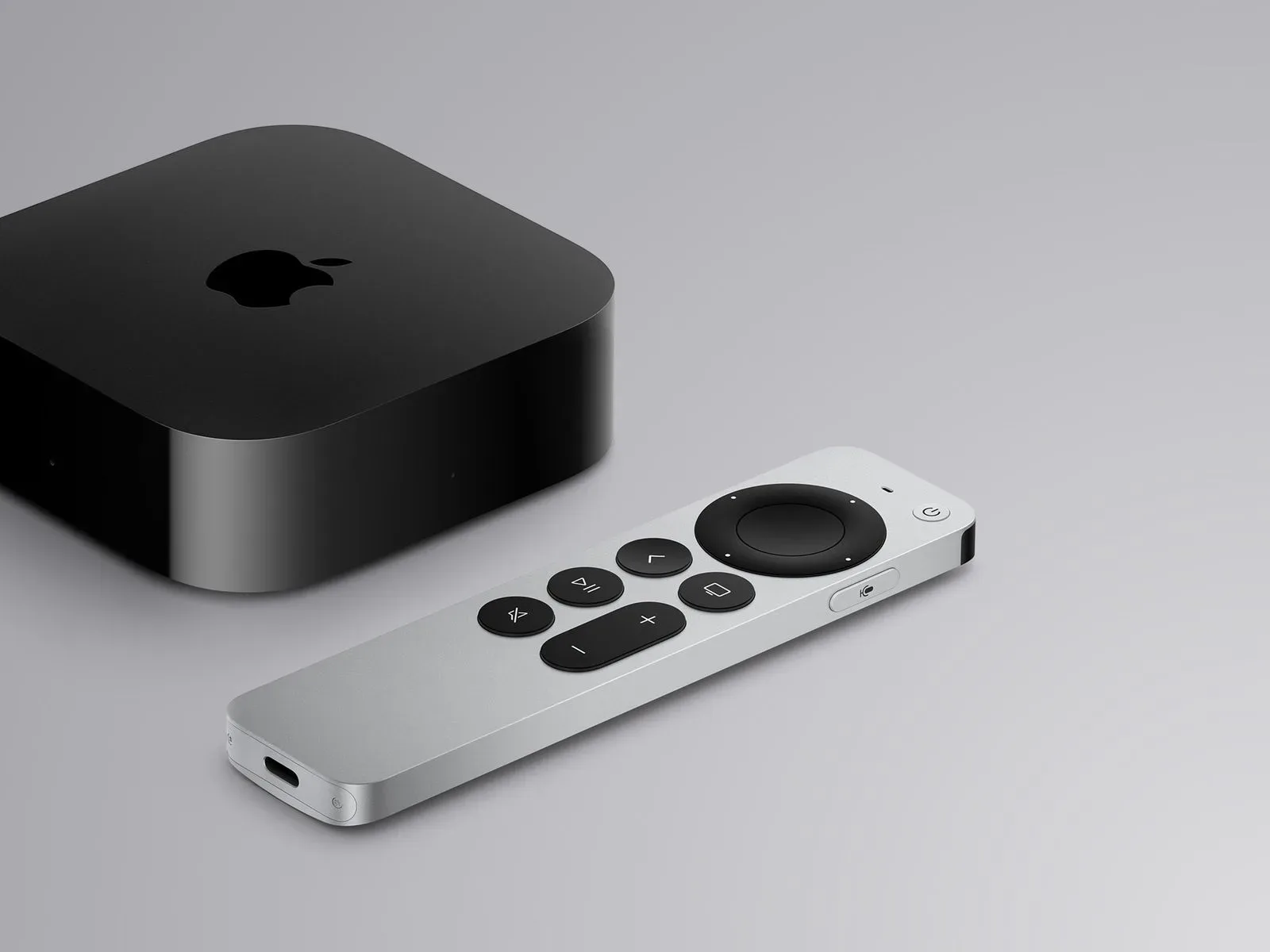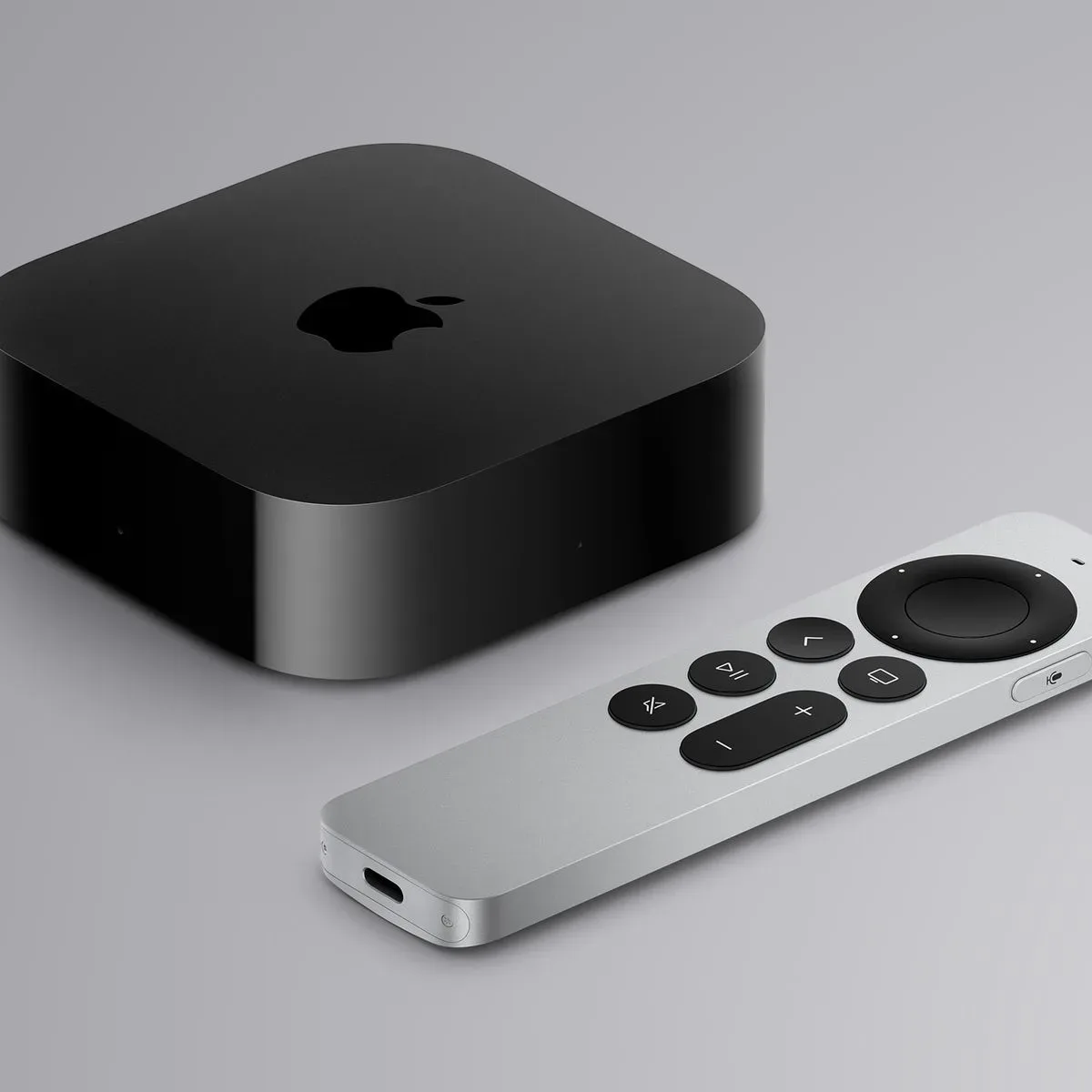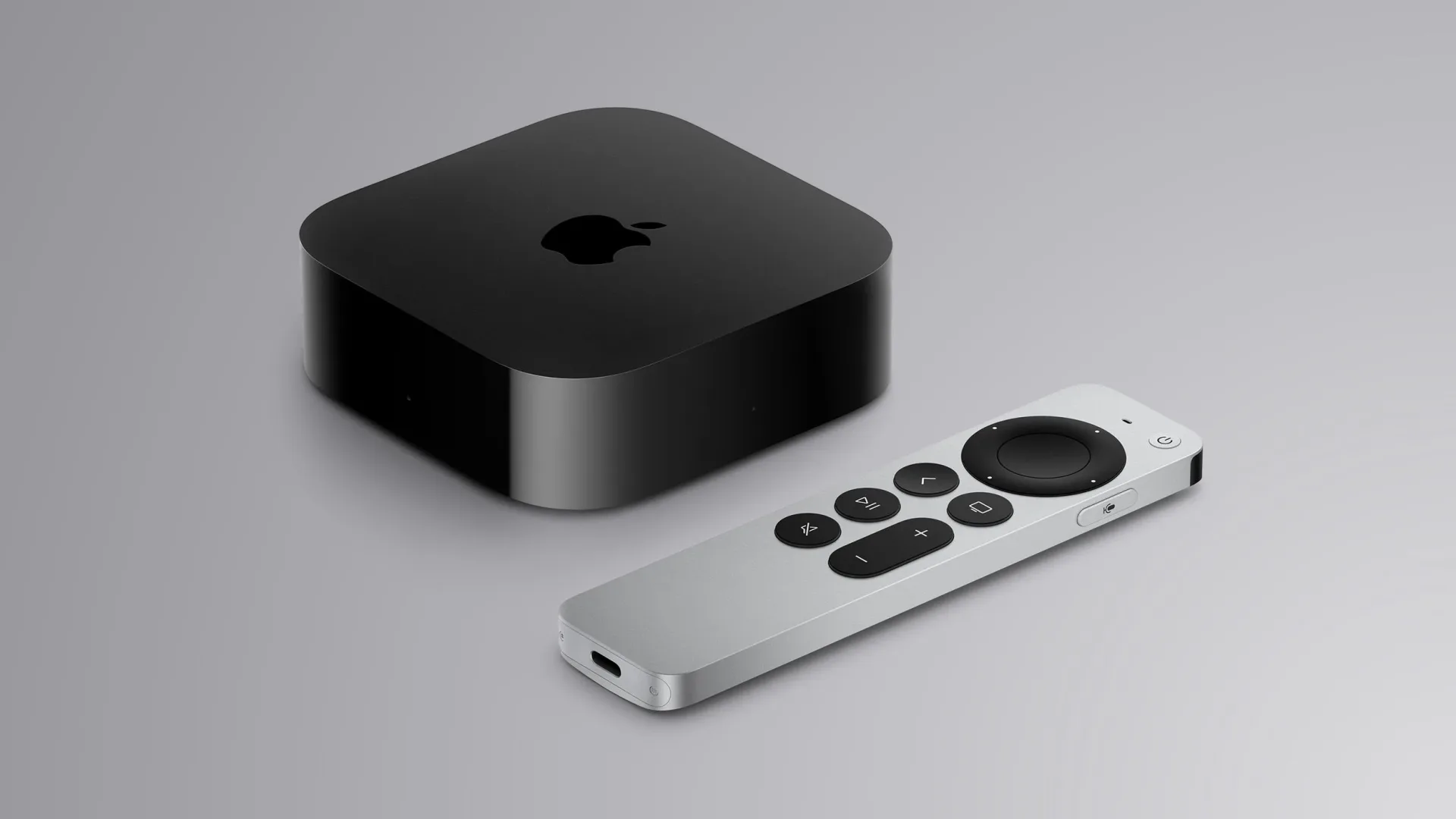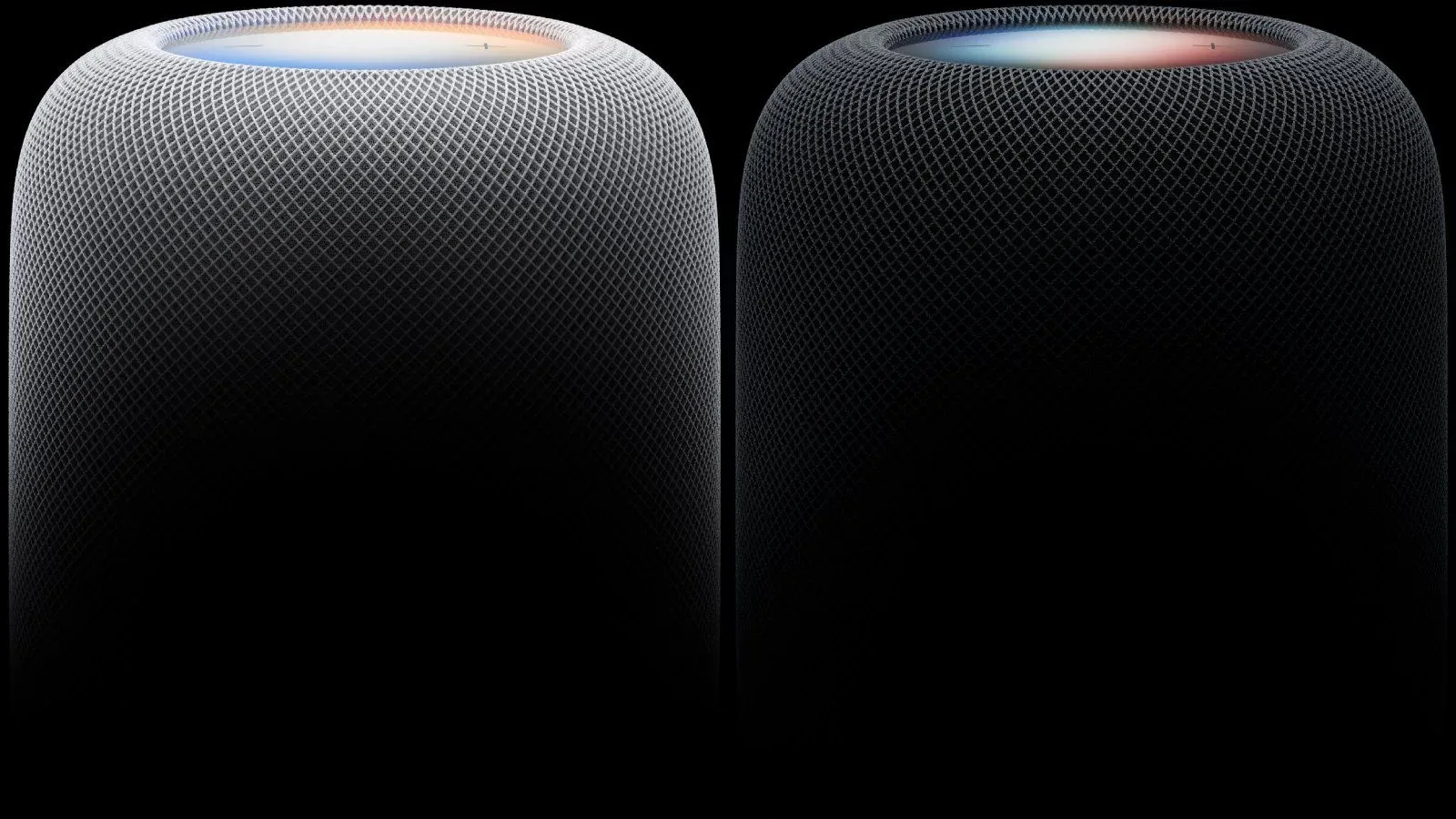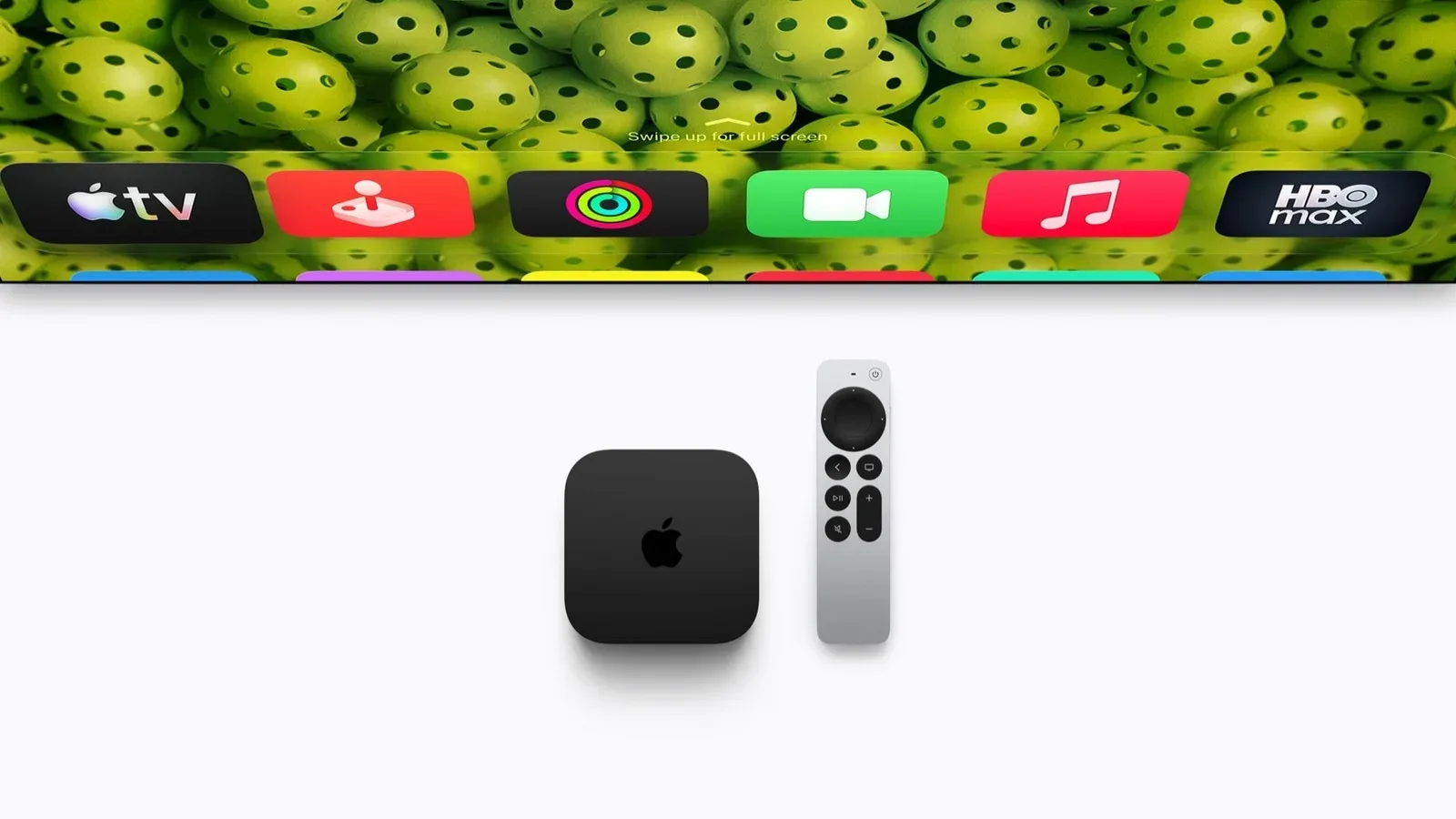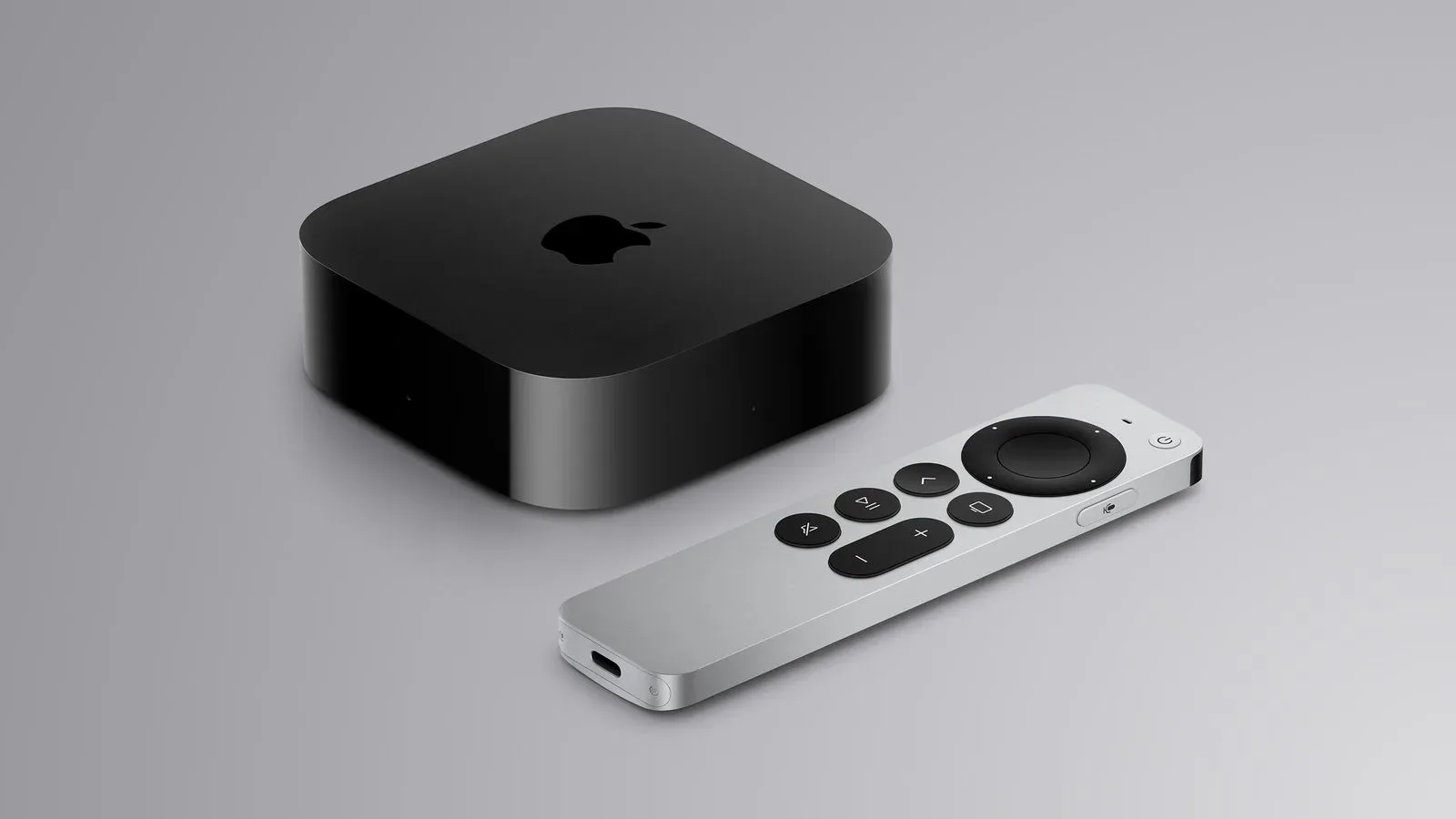
New features are usually the headline when a streaming box or smart speaker is refreshed. This time, the sharper story is the cost of joining—or staying in—the Apple living-room setup.
The new Apple TV 4K is priced at $299 in the U.S., while the HomePod mini 2 costs $149. Those figures are substantially above the prices attached to the prior devices before increases that arrived in late June: $129 for the entry Apple TV 4K and $99 for the original HomePod mini.
That comparison needs a little care, because the new Apple TV 4K is not being sold as a direct equivalent of the old $129 base configuration. It comes in one version, with 128GB of storage and an Ethernet port. The appropriate like-for-like previous model was the 128GB Apple TV 4K, initially priced at $149 and later raised to $249 in late June. Against that later figure, the new Apple TV is a $50 increase.
But a technically neat configuration comparison does not change the buying decision facing someone shopping today. The least expensive new Apple TV 4K now costs $299. In other words, the entry point for a new Apple TV has moved a long way from $129, even if the new device includes the higher storage tier and wired networking hardware.
The package price is the real issue
The individual numbers become more consequential when the products are treated as a system rather than as separate purchases. A buyer who wants an Apple TV 4K and two HomePod mini speakers as the television’s default audio output is now looking at roughly $600 before taxes: $300 for the Apple TV and $150 for each speaker.
Using the older pre-June prices for the comparable 128GB Apple TV and two original HomePod minis, that same basic arrangement was about $350: $150 plus $100 plus $100, with the speaker prices rounded from $99. The difference is therefore about $250 across a three-product setup in only a few months.
“Four short months later, with today’s new models, that combination would cost $600,” John Gruber wrote in assessing the revised lineup. His broader point was that the rise in total cost stands out more than the products’ new or improved capabilities.
That is the practical framing consumers are likely to use. A streaming box can be bought alone; a HomePod mini can be bought alone. Yet the appeal of an integrated arrangement is precisely that the devices are meant to work together in a shared entertainment space. Once the buyer’s plan includes stereo speakers, the price change is no longer an incremental upgrade on a single receipt.
What the configuration details actually mean
There are two specifications worth separating from the price discussion: 128GB storage and Ethernet.
Storage is the device’s built-in capacity for software, apps and related local data. The supplied information does not establish how much space any individual household needs, so it would be wrong to assume 128GB is either excessive or essential for every buyer. What is clear is that Apple’s new Apple TV 4K no longer offers a lower-cost configuration below that capacity.
Ethernet is a wired network connection. It is distinct from wireless networking because it requires a physical cable connection to the local network. Again, whether that matters will depend on where a television sits and how a home network is arranged. The important purchase implication is simpler: the Ethernet-equipped configuration is now the only new Apple TV 4K option described here, not an upsell a shopper can choose to skip in exchange for a lower starting price.
Meanwhile, setting a pair of HomePod minis as the default audio output means treating the speakers as the regular sound destination for the Apple TV rather than merely adding one smart speaker to a room. A pair is relevant because the setup being priced is explicitly two speakers, not one. That is why the $50 increase per HomePod mini 2 becomes a $100 change for this particular living-room plan.
Two comparisons can both be true
The pricing story can sound contradictory if every comparison is reduced to one sentence. It is not.
- Compared with the previous 128GB Apple TV 4K after its late-June increase to $249, the new $299 model is $50 higher.
- Compared with the prior Apple TV 4K’s $129 starting price before late June, the minimum current spend for a new Apple TV 4K is $170 higher.
- Compared with the original $99 HomePod mini, the $149 HomePod mini 2 is $50 higher per speaker.
- For the Apple TV plus two-speaker arrangement, the old roughly $350 total has become roughly $600.
The first measurement is useful for judging the comparable hardware tier. The second captures accessibility: how much a person must now pay to get into the current Apple TV range at all. The final measurement may be the most meaningful for someone who sees the box and speakers as parts of one purchase.
It also explains why focusing solely on the Apple TV’s $50 generational jump does not tell the whole story. That figure excludes the fact that a lower-cost Apple TV option is absent from the new range, and it excludes the higher cost of the speakers many buyers may pair with it.
Value and affordability are different questions
The criticism is not that the devices are necessarily without merit. Gruber’s assessment was that the new Apple TV 4K remains worth buying for him at its present price, while the HomePod mini 2’s $149 price is reasonable. Those are product-value judgments: an individual can decide that what a device does, and how it fits into an existing setup, justifies the asking price.
Affordability is a separate calculation. The same assessment acknowledges that the broader consumer market already considered the older prices high. Raising those prices again can narrow the group for whom the complete setup feels easy to justify, even if a particular enthusiast still considers it worthwhile.
That distinction is especially useful for buyers who are replacing one component rather than building from scratch. Someone who already owns compatible speakers may only be evaluating the $299 Apple TV. Someone adding a second speaker, or moving to a paired audio setup for the first time, must account for every item in the bundle. There is no single universal answer to whether the products are “too expensive”; there is a clearer answer to what the current setup costs.
A practical way to assess the purchase
Before treating the new pricing as either automatically justified or automatically disqualifying, it helps to write down the intended configuration. The available facts support a straightforward checklist:
- Decide whether an Apple TV alone is the goal. The new model’s price is $299, and it includes 128GB of storage plus Ethernet.
- Count the speakers actually planned. One HomePod mini 2 is $149; two make that portion $298.
- Calculate the system, not only the headline device. Apple TV 4K plus two HomePod mini 2 speakers comes to about $600.
- Compare the total with the earlier system price, if that is the relevant benchmark. The equivalent older 128GB Apple TV and two original minis came to about $350 before the late-June increases.
- Keep hardware value separate from budget impact. A product can be worthwhile at its price while still making a multi-device plan significantly more expensive than before.
For readers tracking the wider overlap between games and the living-room entertainment stack, our coverage of Modern Warfare 4’s campaign influences is a reminder that the screen beneath the TV remains only one part of a broader entertainment budget. The Apple price changes make the surrounding hardware calculation more visible.
The decisive number, then, is not only $299 or $149 in isolation. It is the roughly $600 required for the Apple TV 4K plus a two-HomePod-mini audio arrangement. For shoppers who had that system in mind, the increase is large enough to compete directly with the appeal of the new hardware itself.