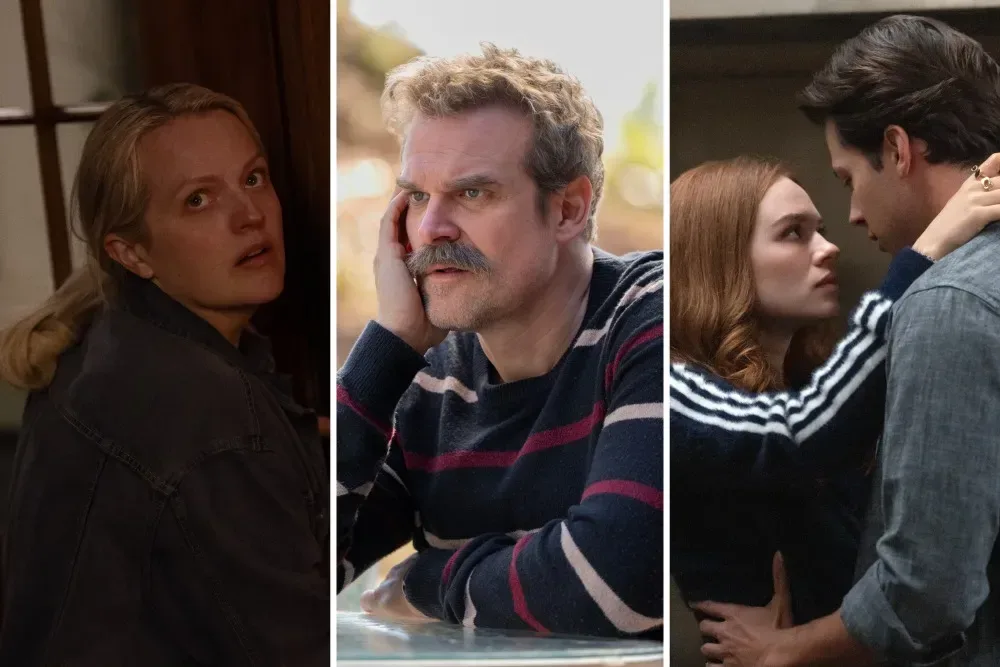
Hollywood’s hunt for recognizable intellectual property is no longer confined to the bookshelf, but books remain a central part of the search. WME’s literary media department is celebrating its 10th anniversary with a substantial 2026 pipeline, awards momentum for DTF St. Louis, and an explicit interest in stories originating beyond conventional publishing—including video games, podcasts, newsletters and creator-led work.
That mix matters for games and pop culture alike. An adaptation department is not simply selling a premise from one medium to another. It is helping determine which existing audiences, characters, worlds and storytelling formats get translated into series and films—and how much of the original creator’s voice is carried through the process. The department’s current results illustrate why literary IP remains attractive, while its strategy suggests that the definition of adaptable material is widening.
A major awards result alongside a large screen slate
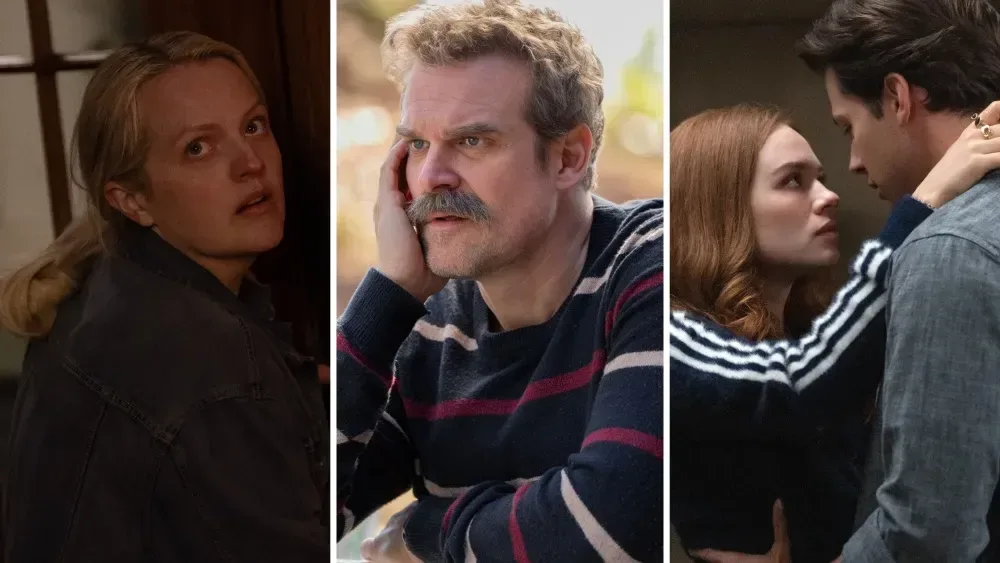
DTF St. Louis, the HBO limited series featuring WME client David Harbour as star and executive producer, won seven Emmys last month. Its awards included outstanding limited series, supporting acting honors for Harbour and Linda Cardellini, plus writing and directing awards for Steven Conrad.
The show was one of 18 scripted and unscripted film or television projects from the department in 2026. The wider slate includes 56 Days and Every Year After at Amazon, People We Meet on Vacation at Netflix, and Imperfect Women at Apple TV. Unaccustomed Earth at Netflix and The Good Daughter at Peacock are listed among upcoming releases.
There are also 24 additional film and series greenlights or projects in production. That distinction is useful: a greenlight means a buyer has approved a project to move ahead, while being in production means the project is actively being made. Neither term should be treated as a promise that every title will reach viewers on the same timetable, but together they indicate a deep development and production pipeline.
Recent client signings include Danielle Steel, Slow Horses author Mick Herron and The Boy in the Striped Pyjamas author John Boyne. The department is led by Sylvie Rabineau and Hilary Zaitz Michael, whose comments frame the anniversary as more than a victory lap for book-to-screen work. Their view is that the core work with authors, journalists and publishing agents will continue, but that strong storytelling can start in many other places.
Why established IP still has leverage
IP, short for intellectual property, is frequently used in entertainment as shorthand for a pre-existing work or world that can be adapted, licensed or extended. In the current screen business, that might mean a novel, an article, a game, a podcast or an original concept built by an online creator. The practical appeal is not merely name recognition. Existing material may bring a developed setting, an identifiable central hook, a built-in audience, a sequence of stories, or evidence that people are prepared to spend time with its creator.
Long-running book series demonstrate one version of that value. Slow Horses, Reacher and Will Trent are cited as examples of book-based shows that have maintained significant viewership later in their runs. Young-adult series with robust online followings have also crossed over, with Off Campus and The Summer I Turned Pretty named as successful television adaptations.
That does not make adaptation a low-risk formula. Rabineau and Zaitz Michael describe buyers as disciplined rather than characterizing the market in simplistic terms as either easy or impossible. Their key test is whether a property feels undeniable. In practice, that means a recognizable origin alone is not enough: the project still needs a persuasive creative case, and it may benefit greatly from the right performer, showrunner or director attached to it.
A showrunner is the senior creative authority on a television series, usually responsible for guiding its writing and production decisions. That role can be decisive in adaptation because a screen series has structural demands that differ from a book, game or podcast. Episodes need their own momentum; multiple writers and departments must execute a shared plan; and material often has to be reshaped without losing the qualities that persuaded audiences to care in the first place.
Games are part of the broader IP conversation
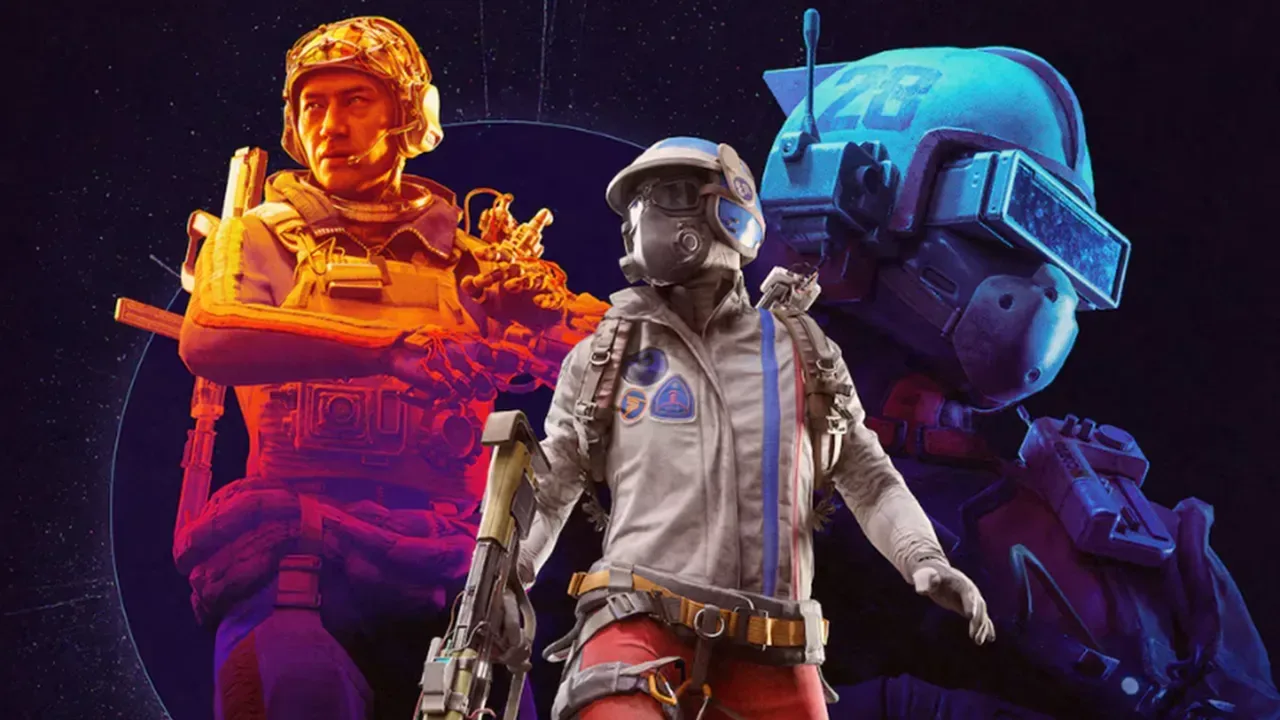
Zaitz Michael specifically identifies video games as part of the department’s expanding alternative-IP business, alongside podcasts, Substacks, Instagram creators and YouTube creators. It is an important acknowledgement of how broad the search for stories has become. Games can provide a setting, lore, a distinctive visual identity and a player community, but they are not simply novels with buttons. Their defining experience may be player agency, a loop of choices and rewards, competition, exploration, or the social life of a community.
Moving a game to film or television therefore requires a clear answer to a basic creative question: what is the story when viewers are no longer the ones making the decisions? Some games have narrative and characters that can supply an obvious starting point. Others may be better understood through their mood, setting or player culture. The point is not that every popular game needs a screen version. It is that game-originated work is now being evaluated alongside more traditional literary properties as potential source material.
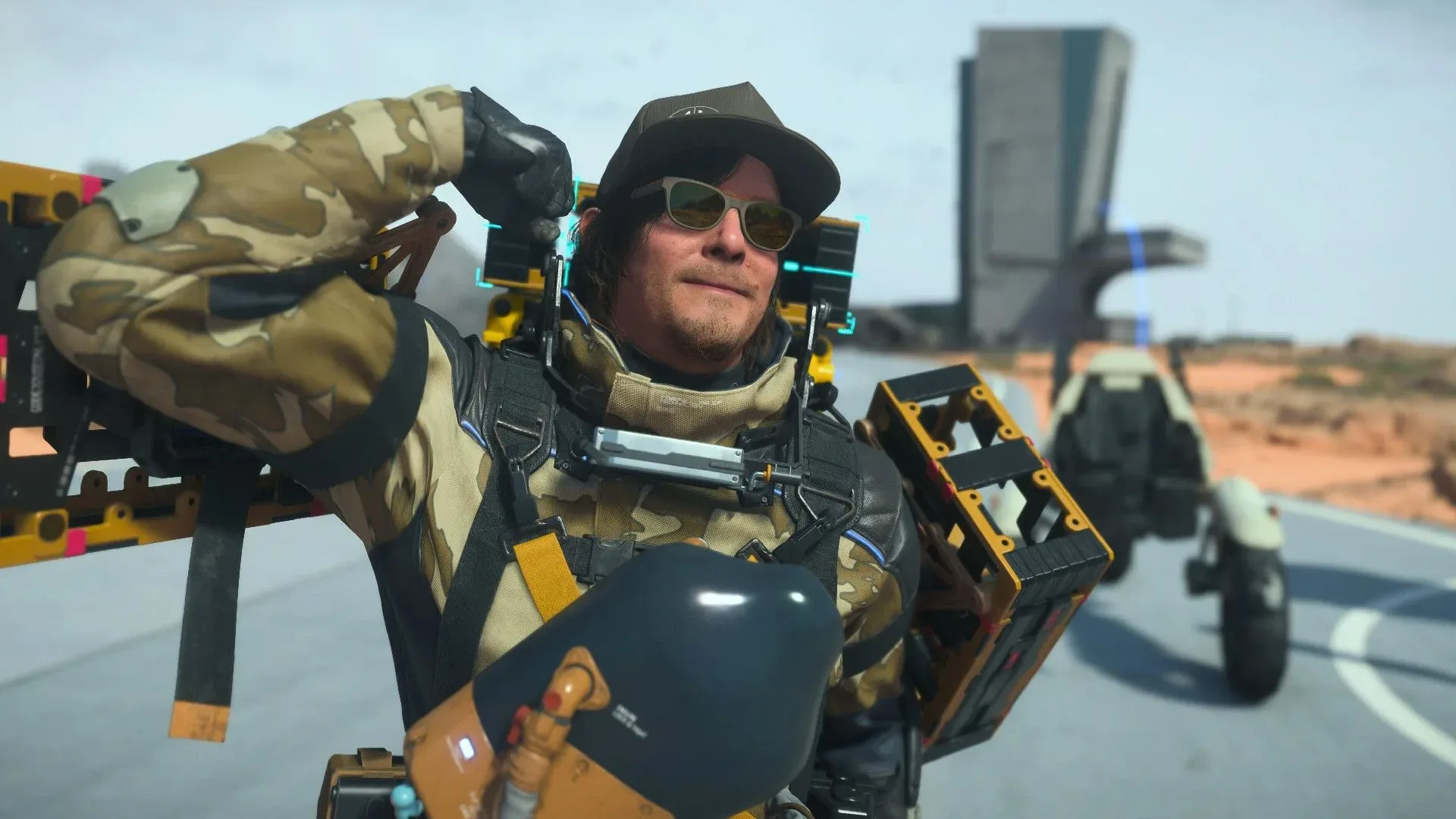
That scrutiny also makes authorship more important, not less. In another corner of the games industry, debate about who makes creative choices has sharpened around new production technology; recent discussion surrounding Hideo Kojima and AI’s creative role shows how intensely audiences can care about creative ownership and intent. For adaptations, the equivalent question is often whether a project identifies the people best equipped to explain what made the original work resonate.
WME’s stated approach favors specificity over a one-size-fits-all model. A literary author may be eager to participate in a screen adaptation, or may prefer to concentrate on novels. A game creator, podcaster or online creator can have a similarly varied appetite for direct involvement. The department’s job is partly to find the right partnership around the material and communicate a tangible version of the project to prospective buyers.
Author involvement is a choice, not a checkbox
Rabineau says she wants authors to have an important seat at the table, in a form that reflects what each author actually wants. That qualification is central. Creator participation is often discussed as though it has only two settings—total control or none at all—but the working arrangement can be much more nuanced. One creator may want to write episodes. Another may offer consultation on character, world or theme. Another may be satisfied knowing experienced screen producers are handling the adaptation.
The two executives point to Karin Slaughter as an example of a novelist moving deeply into television. Her books became the basis for ABC’s Will Trent, and she then adapted The Good Daughter, which is set to premiere in November. Zaitz Michael says Slaughter wrote every episode on spec.
On spec means writing material before a buyer has commissioned or paid for it. It is a high-commitment way to demonstrate exactly what a screen version can be, rather than pitching the idea only in abstract terms. Slaughter’s work on the scripts also illustrates that adapting an author’s own writing need not be a ceremonial credit. It can be a hands-on creative undertaking requiring a new form of craft.
Rabineau argues that television writing and novel writing can strengthen one another for creators who do both. The formats are different, but there is meaningful overlap in character construction, pacing, dialogue and an understanding of what keeps an audience invested. The distinction remains important, though: prose can inhabit a character’s interior world for pages, while television has to express much of its meaning through performance, images, scenes and the rhythm between episodes.
Book audiences, creator communities and the case for restraint
Rabineau also points to authors’ increasingly direct connection with readers, including the momentum around BookTok and independent bookstores. That connection can help a title be visible in a crowded environment, but it should not be mistaken for an automatic screen mandate. An online following can signal engagement; it does not eliminate the creative work required to find a television or film shape that stands on its own.
The same principle applies to games, podcasts and social platforms. Reach is valuable, but adaptation buyers are looking for material they can define clearly and execute convincingly. The stated focus on discipline suggests that the strongest pitches will be those that identify both the source’s particular appeal and the specific screen talent capable of translating it.
For fans, that may be the most useful way to read the growing IP race. More adaptations are not inherently better or worse than fewer adaptations. The meaningful questions are whether the source has a coherent fit with the new medium, whether its original storyteller is involved at an appropriate level, and whether the team making it can articulate why this particular work needs to exist as a show or movie.
WME’s literary media department is betting that books will remain foundational while the category of “storyteller” keeps expanding. Its 2026 slate and awards success provide the immediate evidence of demand. Its attention to games, podcasts and independent creators points to the next part of the business: not replacing literary adaptations, but competing to discover the strongest material wherever audiences are already finding it.