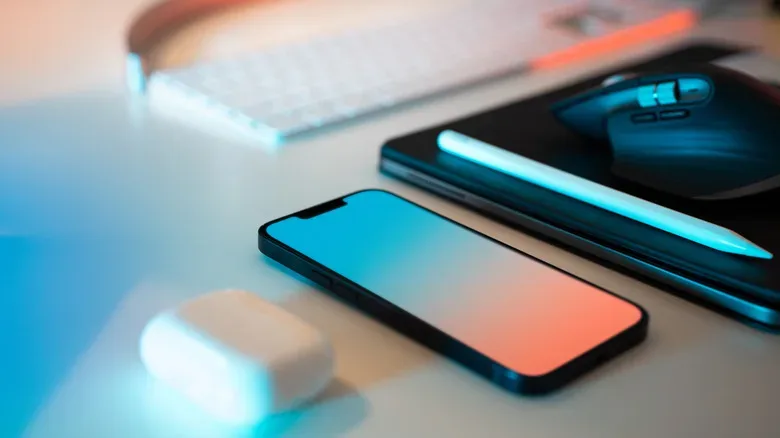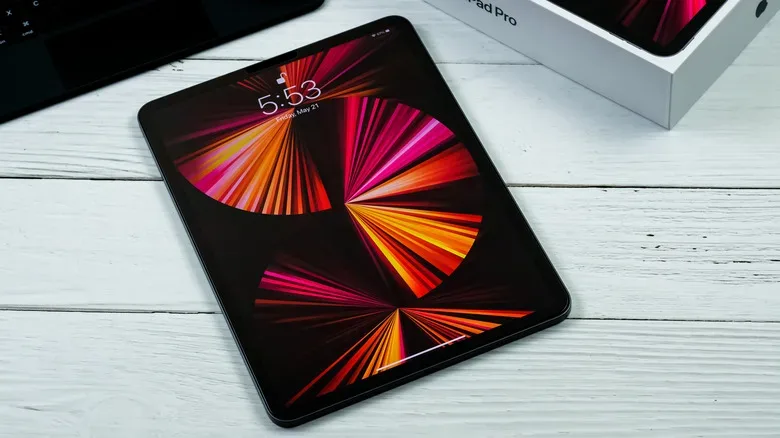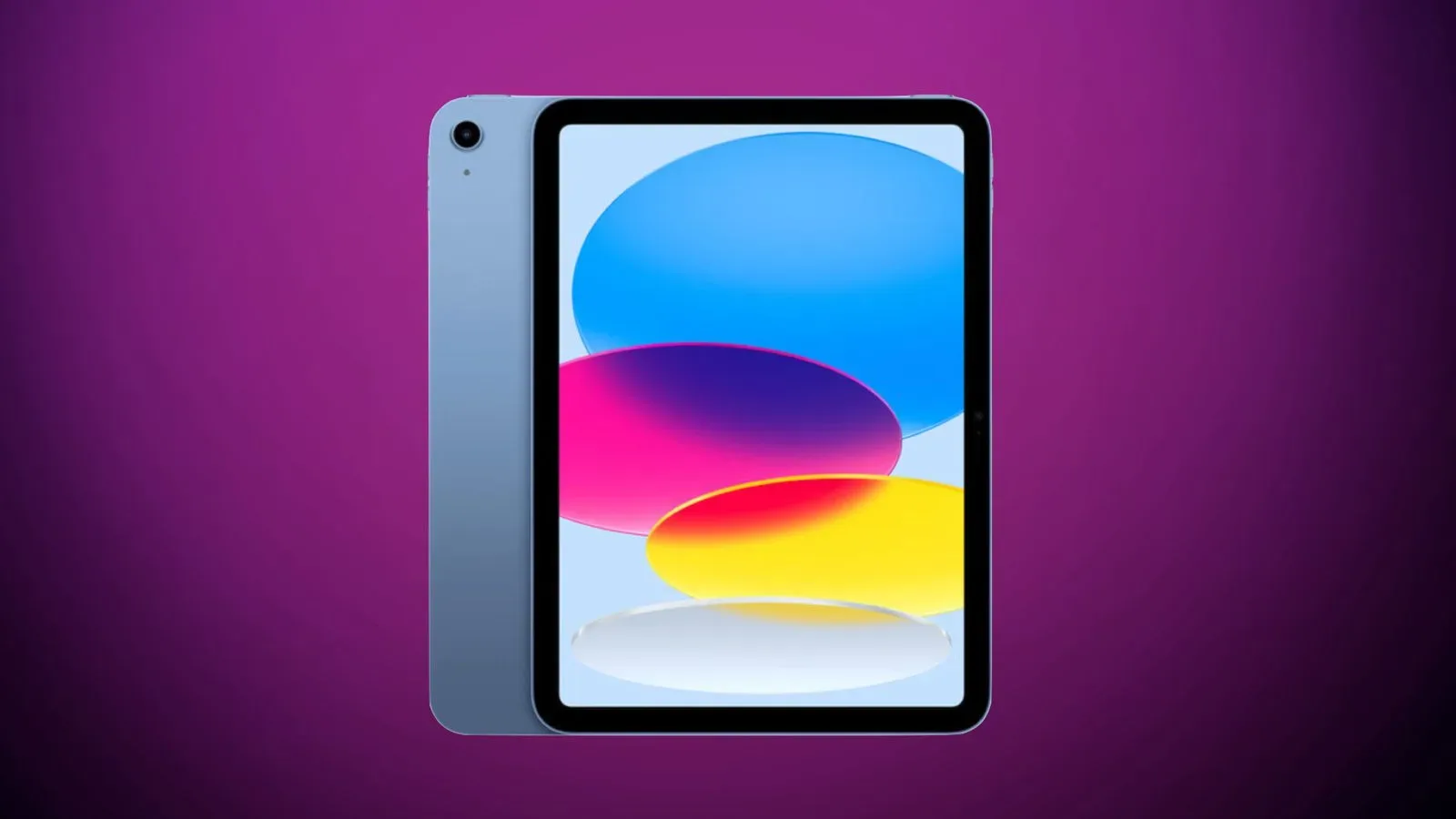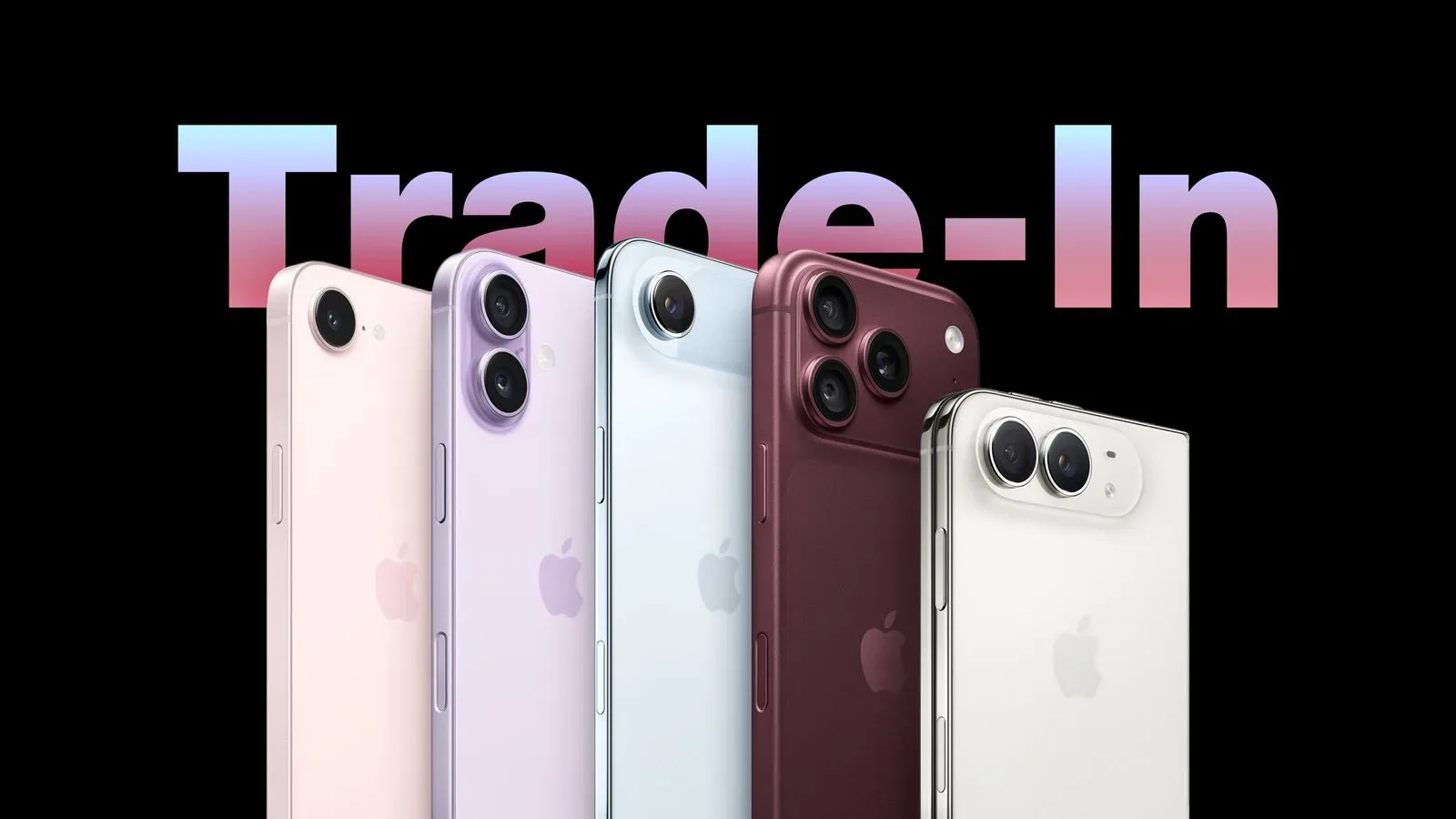
A bigger screen does not automatically mean a bigger price. That is the apparent contradiction in Apple’s current lineup: the 11th-generation iPad starts at $449 with 128GB of storage, while the least expensive iPhone, the iPhone 17e, begins at $599. It is easy to look at the physical dimensions alone and wonder why the smaller gadget costs more.
The answer is that an iPad is not simply an enlarged iPhone. They share a software family, app ecosystem and familiar Apple design language, but they are made for different jobs and sold into different markets. The phone is a pocket computer, camera, navigation tool, authentication device and always-connected communications hub. The entry iPad is designed to make a large-screen Apple device attainable for reading, streaming, web browsing, schoolwork and light creative tasks.
That distinction influences nearly every part of the price tag. Compact engineering costs money. Cellular voice hardware costs money. Cameras, screen technology, durability features and buyer expectations cost money. At the other end of the catalog, of course, iPads can become dramatically more expensive than iPhones once storage, cellular connectivity and professional-grade hardware enter the equation.
Small phones have a very crowded interior
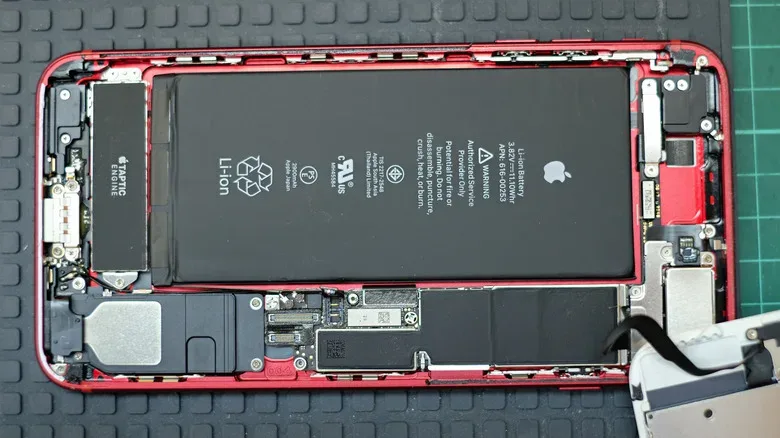
Fitting high-end computing hardware into a phone-sized enclosure is an engineering puzzle with very little room for error. An iPhone has to contain its system-on-chip, logic board, battery, camera modules, speakers, microphones, sensors, antennas and radio hardware in a narrow body that still needs to remain usable, relatively cool and structurally durable.
Those parts cannot merely be squeezed in wherever there is an empty gap. Their placement affects signal quality, heat management, battery capacity, repair layout and physical balance. A phone also spends much of its life in hands, pockets, cars and outdoor environments, so the design must make sensible tradeoffs between thickness, thermal performance and endurance.
An iPad has constraints of its own, but its larger chassis gives designers more internal real estate. Battery cells, boards and cooling space can be arranged with less extreme miniaturization. More room does not make a tablet cheap to build, especially when it has a thin design or a powerful chip, but it reduces one of the most expensive problems a phone team faces: placing a complete modern communications computer into a tiny object.
The iPad mini is a useful reminder that dimensions still matter. It begins at $600 for 128GB, putting it slightly above the iPhone 17e’s $599 starting point. As a smaller tablet, it faces more of the packaging pressure that affects smartphones, even if its role and component set remain different from an iPhone’s.
An iPhone includes hardware most iPads do not need
The fundamental difference is connectivity. Every iPhone is built as a conventional phone, with the radios, antennas and related systems needed for voice calls as well as mobile data. Cellular iPads can connect to mobile data networks, but they are data-focused devices rather than traditional voice phones.
People can place calls from an iPad through Wi-Fi calling or by using an iPhone as part of the process, but that is not equivalent to the standalone calling role of an iPhone. A phone’s constant connectivity is part of what makes it an essential device for many buyers—and part of what makes its hardware more demanding.
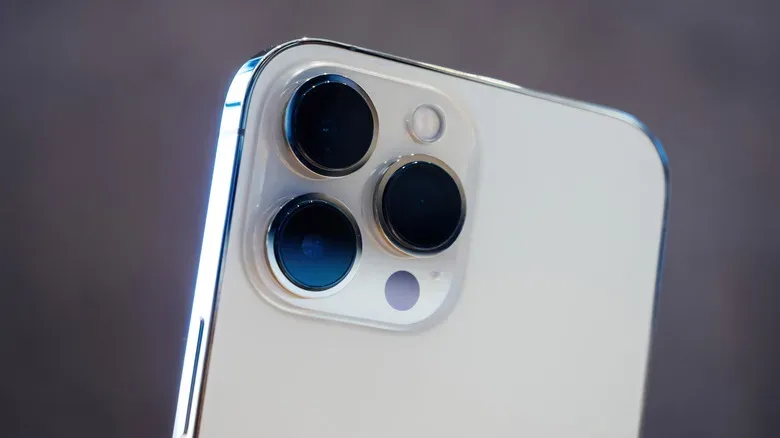
Cameras are another major divider. The iPhone 17 has two 48MP rear cameras, while the M5 iPad Pro has a 12MP rear camera. Even Apple’s highest-tier tablet is not primarily designed to replace a phone camera. iPad cameras are useful for document capture, video calls and occasional snapshots, but the phone is expected to handle daily photos and video in varied lighting.
That expectation brings more capable imaging hardware and features to the iPhone line. The cited iPad camera setup does not offer optical zoom, has weaker low-light performance and lacks Cinematic video mode. A tablet can be a perfectly reasonable scanner or emergency camera; it is just not the product most people will reach for at a concert, on vacation or when a pet performs something briefly worth preserving.
Display and feature gaps protect the entry-level iPad price
Screen technology is another place where the entry iPad and iPhone ranges do not line up cleanly. Every iPhone 17 model uses OLED and supports ProMotion refresh rates up to 120Hz. Outside of the iPad Pro range, iPads use LCD displays, and non-Pro models run at 60Hz.
Neither approach is automatically right for every person. A 60Hz LCD can be entirely suitable for articles, books, school portals, shows and many games. But OLED and higher refresh-rate panels are more premium components, and the iPhone’s display is the one screen many owners use all day, every day. It makes sense that Apple places richer display specifications higher on the phone side.
The base iPad also illustrates a familiar product-segmentation strategy: it receives established hardware that remains capable but is not the newest available. The 11th-generation iPad, released in 2025, uses the A16 chip that first appeared in the iPhone 14 Pro in 2022. That helps Apple deliver a lower starting price without making the tablet feel obsolete for mainstream work.
There are further omissions that separate lower-cost iPads from iPhones, including MagSafe charging, NFC and an IP water-resistance rating. These details may not matter equally to every buyer, but together they show why comparing screen size alone misses the point. The larger device can have fewer of the expensive systems expected in a premium, constantly carried phone.
Apple is selling two different kinds of necessity
Pricing is not determined only by a bill of materials. A smartphone is, for many people, the one device they cannot comfortably leave at home. It handles calls and messages, directions, payments, music, photography, two-factor authentication and countless small tasks that once required separate objects.
A tablet can be valuable without occupying that same role. It is frequently a second screen for video, reading, games, notes and classroom work. Some students, artists and professionals will consider an iPad central to their routine, but the broader market often sees it as optional beside a phone, laptop or Chromebook.
That gives Apple a reason to keep an entry iPad within reach. A lower starting price helps it compete in education, where Chromebooks are a persistent alternative, and gives households a less intimidating way into Apple hardware and services. It can be a shared family device or a student’s first personal computer without demanding flagship-phone money.
The iPhone, meanwhile, remains Apple’s largest revenue source and its most aggressively premium consumer device. Its positioning has been developed over many years, and the company can charge more because buyers see it as indispensable. Carrier purchasing also changes how shoppers perceive the cost: monthly bill credits can make a phone appear “free,” even when the arrangement requires an expensive plan and a multiyear commitment. Tablets are typically purchased more directly and replaced less frequently, making their upfront number more visible.
For a related look at Apple’s still-evolving desktop software footprint, see our guide to why iTunes is still around in 2026.
The price reversal happens quickly higher in the lineup
The $449-versus-$599 comparison is real, but it only describes the lowest rung of each ladder. Configure the base iPad upward and the distinction changes fast. The 11th-generation model rises to $749 with 512GB of storage, and cellular capability adds $150. A 256GB cellular version costs $700, or $100 more than the entry iPhone 17e, despite the phone retaining the stronger camera system and standalone calling capabilities.
The more advanced tablets climb further. The M4 iPad Air starts at $749 for 128GB. At the top, iPad Pro models are aimed far more directly at laptop and desktop workloads than at casual tablet use. The 13-inch M5 iPad Pro with 2TB of storage is listed at $2,600. Optional nano-texture glass adds $100, while cellular connectivity adds another $200.
For comparison, a 2TB iPhone 17 Pro Max is listed at $2,000. The iPad Pro can therefore move well beyond the cost of any iPhone, which is unsurprising once its large OLED display, Apple silicon and professional-work ambitions are factored in.
Apple’s June 2026 price increases also narrowed the apparent bargain at the tablet end. The base iPad and iPad mini each increased by $100, while iPad Air and iPad Pro pricing rose by roughly $150 to $200. Those increases had not yet reached iPhone pricing in the same way, though future changes remain uncertain.
So the cheaper entry iPad is not evidence that larger hardware is inherently less valuable. It is evidence that Apple’s two product families make different promises. The starter iPad trades premium phone features for a larger, more affordable canvas. The iPhone asks for more because it has to be the device that works almost everywhere, all the time—and fit in a pocket while doing it.