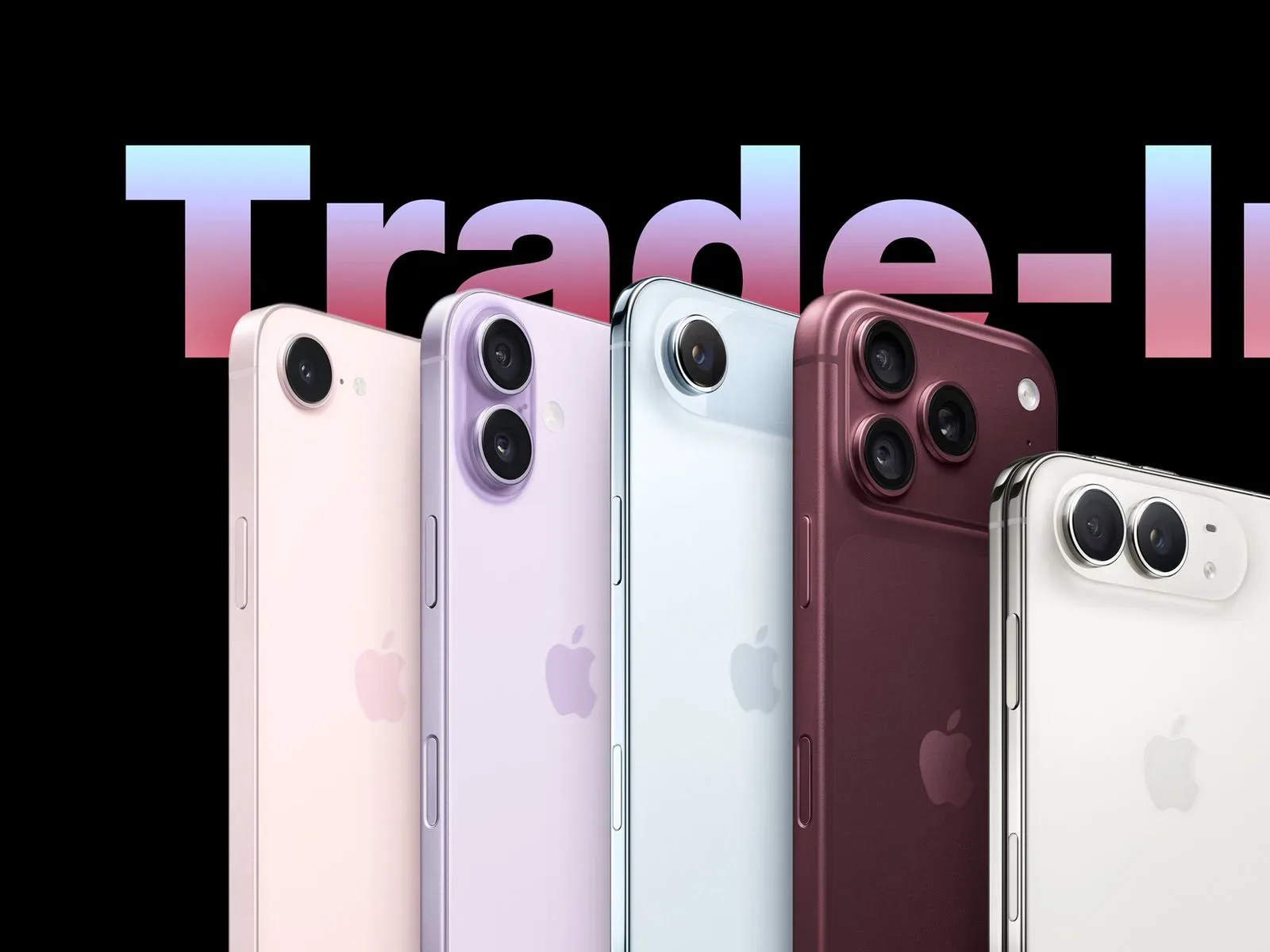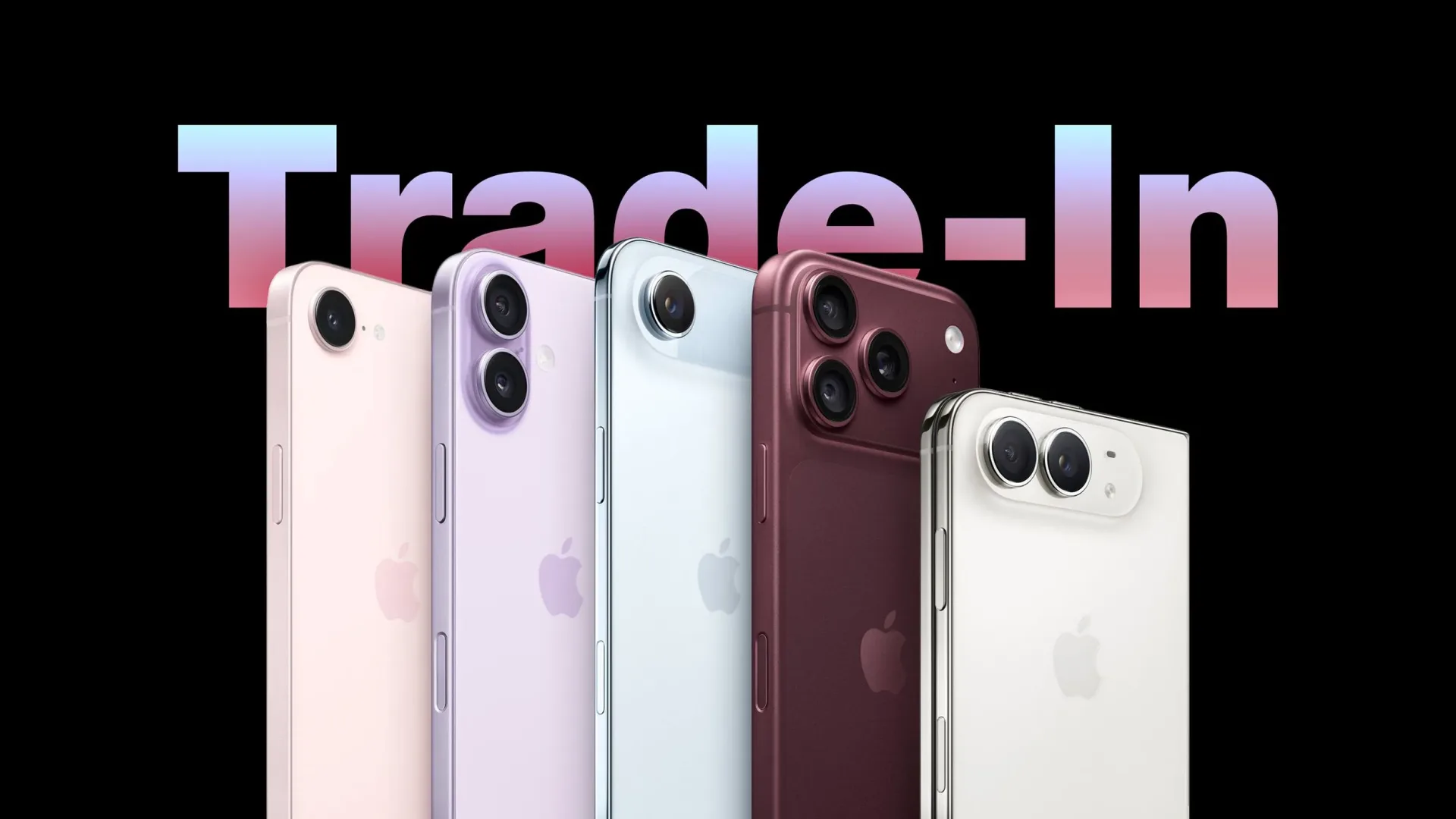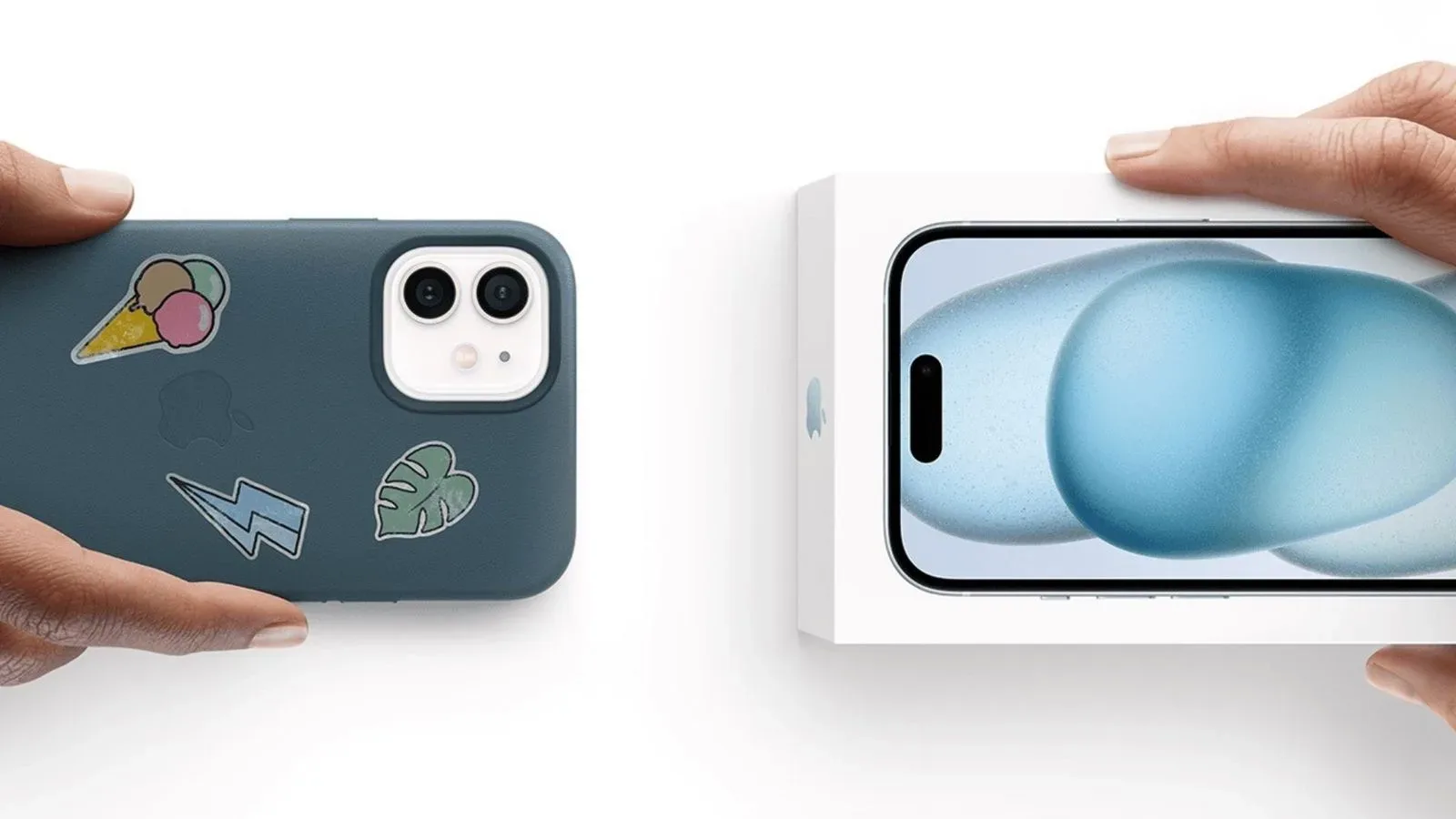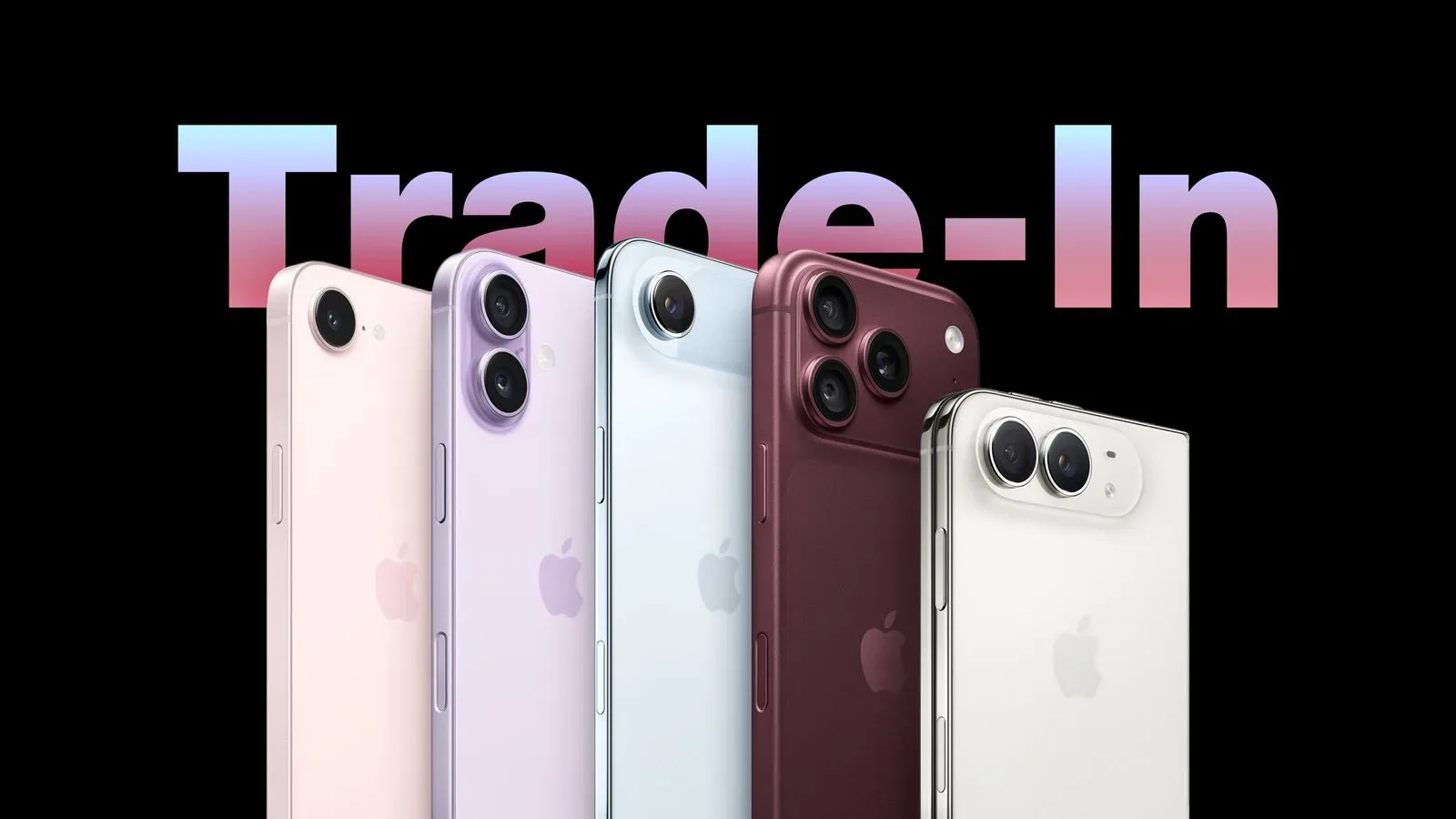
Apple has revised its U.S. trade-in estimates in a sharply split update: eligible iPhone values have fallen across the board, most Apple Watch estimates are down, and every listed iPad and Mac category has gained value. The change arrives after the introduction of the iPhone 18 Pro and iPhone Duo, placing the preceding iPhone generation on the trade-in list for the first time.
For anyone considering an upgrade, the important word is estimate. The figures are the maximum values shown before Apple assesses the particular device. Its eventual offer can change with condition and configuration, and some devices may not qualify for credit at all. Still, the published numbers establish the ceiling a customer can reasonably use when comparing an Apple trade-in with other ways of moving on from an older device.
Newer iPhones enter the list, but older eligible models fall
The newly accepted iPhone 17 family starts at noticeably higher maximums than the rest of the iPhone list. The iPhone 17 Pro Max is listed at up to $885, followed by the iPhone 17 Pro at $785. Both the iPhone Air and regular iPhone 17 are capped at $585.
- iPhone 17 Pro Max: up to $885
- iPhone 17 Pro: up to $785
- iPhone Air: up to $585
- iPhone 17: up to $585
The identical $585 ceiling for the iPhone Air and standard iPhone 17 is notable because the Air launched at a $200 premium over the standard model. That does not automatically establish what either handset would command through a private sale; it shows only that Apple’s trade-in program currently assigns the same maximum credit to both.
Every other eligible iPhone on the revised list loses value. Among the biggest movements, the iPhone 16 Pro Max falls from $720 to $610, a $110 reduction. The iPhone 16 Pro moves from $630 to $510, which is the steepest percentage decrease cited in the update, at 19%.
Selected iPhone changes
- iPhone 16 Pro Max: $720 to $610
- iPhone 16 Pro: $630 to $510
- iPhone 16 Plus: $485 to $430
- iPhone 16: $480 to $430
- iPhone 16e: $310 to $270
- iPhone 15 Pro Max: $530 to $455
- iPhone 15 Pro: $420 to $370
- iPhone 14 Pro Max: $405 to $360
- iPhone 14: $235 to $195
- iPhone 13 Pro Max: $340 to $320
- iPhone 13: $205 to $175
- iPhone 12 Pro Max: $240 to $210
- iPhone 11 Pro Max: $160 to $140
- iPhone X: $60 to $50
- iPhone 8 Plus: $40 to $35
The smaller and older entries moved as well. The iPhone 13 mini declines from $155 to $145; the iPhone 12 mini goes from $90 to $80; the third-generation iPhone SE shifts from $85 to $75; and the second-generation iPhone SE drops from $45 to $40. These are modest dollar changes compared with the flagship reductions, but they matter more when the starting credit is already low.
Condition grading may matter more than the headline maximum
This is the first trade-in refresh operating under Apple’s new condition-grading system. In practical terms, a condition grade is the category assigned after a device is examined for factors that affect its resale, refurbishment, or recycling value. Apple says the newer approach uses more granular tiers.
That is meaningful for devices with limited cosmetic wear. Previously, a small chip in display glass could be treated much like substantially more serious damage, leading to a similarly large reduction. The revised system is intended to distinguish minor defects from worse damage more precisely. Apple also says that no device will receive less under the new method than it would have received under the previous one.
The clarification does not mean every scratched or chipped phone receives its listed maximum. The maximum remains an estimate, and a device’s configuration can affect the final figure too. Rather, it means the distance between a pristine example and a lightly marked one should better reflect the actual severity of the defect than it did under the older grading approach.
For a customer, there are two separate questions to keep straight. First: what is the current maximum trade-in estimate for this model? Second: where is this specific unit likely to land within the condition grades? The published maximum answers the first question only. Keeping those concepts separate avoids treating the list price as a guaranteed payout.
Apple Watch estimates mostly track the iPhone direction
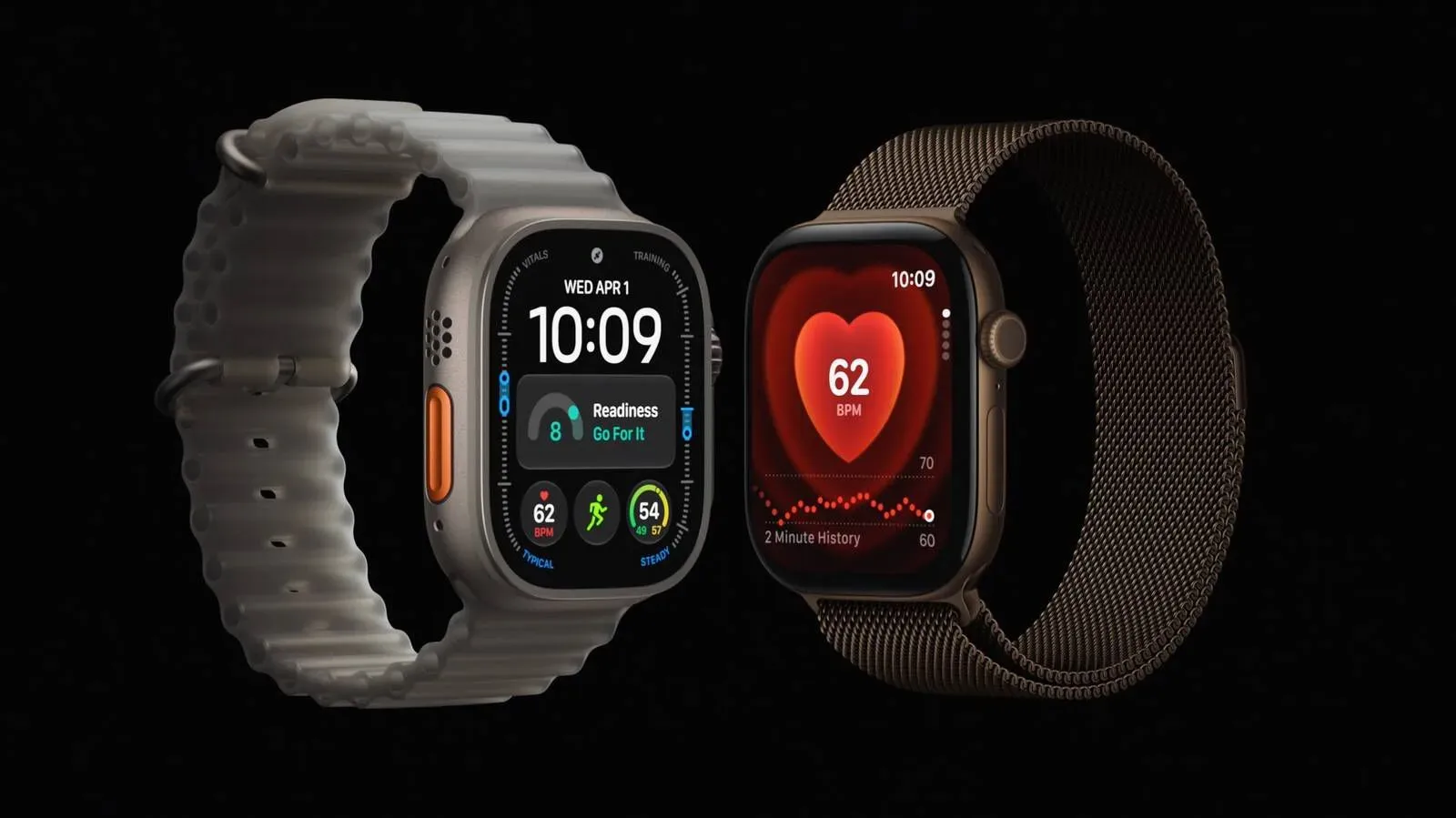
Apple Watch values largely follow the iPhone trend. The Apple Watch Ultra 3 joins the program at up to $430, the Apple Watch Series 11 at $200, and the third-generation Apple Watch SE at $115. The Ultra 3 therefore sits well above every other accepted watch in the current schedule.
Older watches generally moved down:
- Apple Watch Ultra 2: $305 to $265
- Apple Watch Ultra: $205 to $190
- Apple Watch Series 10: $165 to $150
- Apple Watch Series 9: $135 to $115
- Apple Watch Series 8: $95 to $90
- Apple Watch Series 7: $70 to $65
- Apple Watch Series 6: $45 to $40
The two older Apple Watch SE versions are the exceptions: they hold at $60 and $30. Customers weighing a watch upgrade should treat this as a separate calculation from a phone trade-in, even if both devices are being replaced together. Each product family has its own estimate and its own final inspection outcome. Those shopping newer wearables may also want to track the wider Apple Watch retail picture, including current Series 12 and Ultra 4 pre-order listings.
iPad estimates rise, led by iPad Pro
The iPad side of the update runs in the opposite direction. Every listed iPad category increases, with the iPad Pro producing the largest jump: from $720 to $905. That is an increase of almost 26%.
- iPad Pro: $720 to $905
- iPad Air: $490 to $510
- iPad mini: $300 to $320
- iPad: $260 to $280
The contrast is direct. A consumer trading an iPhone 16 Pro Max now sees a lower maximum than before, while one trading an iPad Pro sees a higher one. It would be a mistake to generalize from either result into a single rule that all Apple hardware is depreciating or appreciating in the program. The new figures show different treatment by device category.
Mac trade-in ceilings make the biggest gains
Macs receive the largest increases in the refresh. The MacBook Pro maximum rises from $855 to $1,315, while Mac Studio moves from $1,305 to $1,460. The Mac mini climbs from $480 to $620, and MacBook Air goes from $580 to $705.
- MacBook Pro: $855 to $1,315
- MacBook Air: $580 to $705
- Mac mini: $480 to $620
- Mac Studio: $1,305 to $1,460
- iMac Pro: $315 to $340
- iMac: $380 to $385
Those changes continue a broader increase in Mac estimates since spring. The MacBook Pro figure has risen from $690 in May to $1,315 now. The Mac mini’s current $620 estimate is up 65% over the same period. The Mac Pro is the lone unchanged Mac: it remains at $2,195, retaining the highest maximum estimate in Apple’s trade-in range since August.
Analysis: the practical implication is not that every Mac owner should immediately trade in. A maximum of $1,315 covers a category, not a universally identical configuration or physical state. But the direction is unusually clear: current Mac and iPad estimates are more favorable than they were immediately before this revision, while older iPhone and Watch owners face lower listed ceilings.
Android values are mostly steady
Apple’s estimates for accepted Android phones changed far less dramatically. Four Google models and several Samsung Galaxy models received small reductions, while the Google Pixel 7 is the only listed Android device to increase, moving from $60 to $65.
- Google Pixel 9 Pro XL: $315 to $290
- Google Pixel 9 Pro: $305 to $275
- Google Pixel 9: $210 to $200
- Google Pixel 8 Pro: $155 to $150
- Samsung Galaxy S22+ 5G: $85 to $80
- Samsung Galaxy S22 5G: $85 to $80
- Samsung Galaxy S21+ 5G: $75 to $70
- Google Pixel 7: $60 to $65
The Samsung Galaxy S22 Ultra 5G, Galaxy S21 Ultra 5G, Galaxy S21 5G, Google Pixel 8, Pixel 8a, Pixel 7 Pro, OnePlus 13, OnePlus 13R, OnePlus 12, and OnePlus 12R retain their prior estimates.
What to do before committing a device
Trade-in credit is convenient because it reduces the number of steps between an old device and a replacement purchase. Convenience, however, is not the same thing as a fixed valuation. Check the live estimate for the precise model before deciding, especially because these schedules can change and because this update itself shows that values can move substantially.
- Identify the exact model. Similar names can conceal different maximums; iPhone 16, 16 Plus, 16 Pro, and 16 Pro Max do not share a single value.
- Assess cosmetic damage honestly. Under the new grading tiers, a minor glass chip should be treated more proportionately than before, but it can still influence the final credit.
- Remember configuration. Apple says the final offer can vary by configuration as well as condition.
- Use the listed figure as a ceiling, not a promise. Build an upgrade budget around a result that may be lower after inspection.
- Compare the device classes independently. This update rewards different timing for Macs and iPads than it does for older iPhones and watches.
The revised list creates a particularly uneven landscape: current-generation iPhones are newly eligible, but all preceding eligible iPhones have lower maximum estimates; Macs and iPads become more valuable trade-ins; and Android values barely move. The new condition system may soften the outcome for lightly worn devices, yet the final credit still depends on the individual hardware Apple receives.