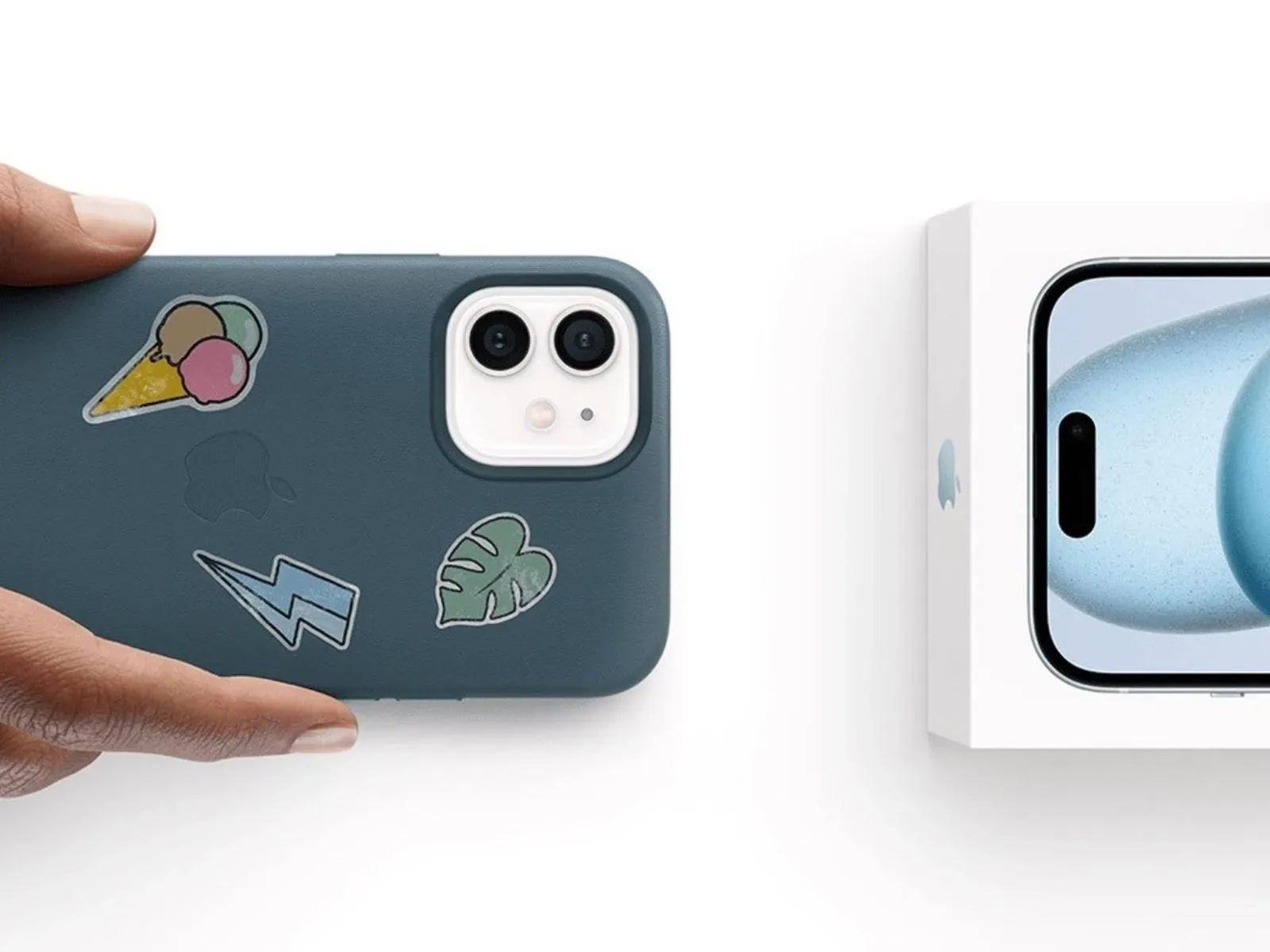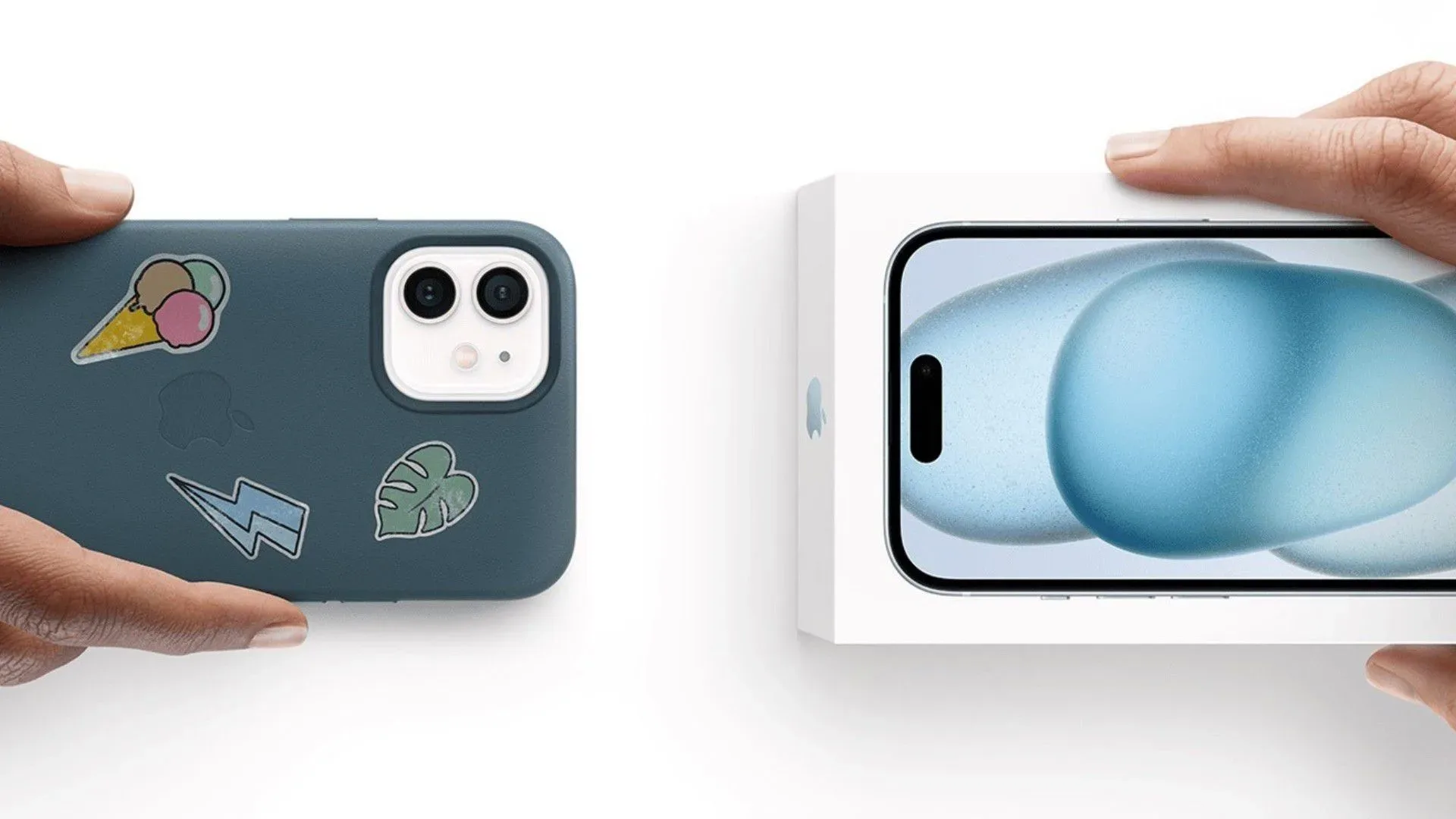
Apple is expected to make its trade-in process more forgiving for devices carrying minor cosmetic battle scars. The planned update, anticipated on September 9, would introduce more detailed condition-based pricing rather than applying the same harsh downgrade to a small chip in display glass and a screen that has suffered a much more dramatic defeat.
For people who rotate through iPhones, iPads, Macs, and Apple Watches when new hardware arrives, that distinction could matter. Trade-in programs are inherently a convenience play: hand over an old device, receive an assessed value, and put that credit toward something newer. But convenience becomes less convenient when a tiny imperfection is judged in the same broad category as serious damage. A minuscule blemish should not necessarily be wearing the same penalty badge as a display that looks like it lost a boss fight.
The change is expected to arrive when Apple’s trade-in website returns online. It is said to be headed to the great majority of countries where the company runs its trade-in program, though a limited number of markets may not receive it. Apple customers should therefore treat the change as a likely policy update rather than assuming every country will use the same revised assessment from the first minute.
A smaller defect may finally mean a smaller deduction
The key reported adjustment is granularity. Under the existing setup, minor visual flaws, including small chips in display glass, have generally been treated similarly to considerably more severe display damage. That can result in a steep reduction in the trade-in estimate even when the device remains otherwise functional and the flaw is comparatively slight.
The planned approach is expected to better reflect a device’s actual condition. In practical terms, that means an evaluator could distinguish between a minor cosmetic issue and a badly cracked or smashed screen instead of grouping both outcomes under one punitive umbrella. Apple has not publicly detailed the exact assessment bands, defect definitions, or trade-in differences tied to particular types of damage, so it would be premature to attach a dollar figure to a chip, scuff, or scratch.
There is an important consumer-friendly detail in the reported change: customers apparently will not receive less for their device under the revised system. The adjustment is positioned as an improvement to the handling of minor cosmetic defects, not a new reason to cut existing estimates. Of course, a final trade-in result still depends on the specific product, its condition, and the terms available in the customer’s region.
Why condition categories matter more than they sound
“Cosmetic damage” is deceptively broad language. A device can have a hairline mark that is visible only under direct light, a small nick at the edge of the glass, a more obvious chip, or a cracked panel that raises questions about usability and repair. There is a meaningful gulf between those states, even if all of them can be described with the same two-word label.
A broader condition category can create a frustrating all-or-nothing outcome. Someone who protected a device for years but picked up one small piece of glass damage may feel that its assessed value no longer reflects its age, functionality, storage configuration, or overall care. A more granular system does not mean every defect will suddenly have no impact. It does mean the scale of the deduction may be better aligned with the scale of the problem.
That matters particularly around major Apple hardware cycles, when trade-in credit can influence whether an upgrade feels sensible. Recent reporting has also pointed to an unusual possible pre-order schedule for Apple’s next flagship phone generation; readers tracking that possibility can see the details in this look at iPhone 18 Pro pre-order timing. A fairer estimate for an older handset will not settle every upgrade calculation, but it can alter the starting number.
The timing follows an August value increase
Apple last revised trade-in values in August, raising pricing across its iPhone, iPad, Mac, and Apple Watch ranges. It remains unclear whether the incoming cosmetic-condition change will be accompanied by another general refresh of trade-in amounts.
That distinction is worth keeping straight. A revised condition assessment and a revised list of base trade-in values are related, but they are not the same thing. The first changes how a particular device’s physical state may affect its offer. The second changes the amount assigned to eligible models before those condition adjustments are considered. Apple may alter one without changing the other.
Until the updated trade-in pages are live, customers cannot reliably infer whether their model’s starting figure has moved again. Nor is there enough information to conclude exactly how Apple will classify each kind of imperfection. A small display chip is the clearest example attached to the expected change, but it does not establish a public checklist for every scratch, dent, housing mark, camera-area flaw, or other issue a device might have.
What customers can do before requesting an estimate
If the revised system goes live as expected, it makes sense to document a device’s state before beginning a trade-in. This is not a promise that photos will change an assessment, and it is not a substitute for reading the applicable terms. It is simply a sensible way to keep a record of what the device looked like before it was shipped, dropped off, or otherwise submitted.
- Inspect the display in good light. Look for chips, cracks, scratches, and areas where the glass is no longer intact. The difference between a tiny edge chip and a major crack may now be more consequential.
- Check the device as a whole. Note visible wear on the body, corners, ports, cameras, and buttons. A granular evaluation may still consider more than the screen.
- Use the current regional trade-in flow. Because a small number of markets may be excluded, customers should check the website and terms for their country rather than relying on another region’s results.
- Compare the offer after the update appears. Anyone who recently saw a disappointing estimate because of a relatively minor flaw may want to run the process again once the site is back online.
- Read the estimate carefully. An online answer can depend on the condition information entered. A final inspection may matter, so accuracy is more useful than trying to force a device into a cleaner category than it deserves.
There is also a basic timing consideration. If a customer is not in a rush to trade in a device that has only minor cosmetic wear, waiting for the updated site to appear may provide a clearer picture of the available value. That is not financial advice, nor a guarantee of a higher result in every case. It is simply the logical moment to reassess an estimate when the rules used to judge minor defects are expected to become more specific.
A useful shift, even without exact numbers
The absence of published pricing detail leaves plenty unknown. There is no confirmed chart showing how much more a lightly chipped iPhone, iPad, Mac, or Apple Watch could receive. There is no complete list of countries included, no public explanation of every cosmetic tier, and no confirmation that trade-in base values are changing alongside the condition-policy update.
Still, the reported direction is clear enough to be notable. A trade-in system works best when it recognizes meaningful differences in condition without pretending that every used device is pristine. Moving away from a framework where small display damage can be treated like major breakage is a more intuitive fit for that goal.
For gamers and tech owners alike, devices inevitably collect stories: a tiny mark from travel, an edge nick from a desk mishap, or the kind of nearly invisible chip that somehow becomes the only thing a person sees after discovering it. If Apple’s more detailed assessment arrives as expected, at least some of those smaller scars may stop being valued as though the hardware had been through a full-screen apocalypse.