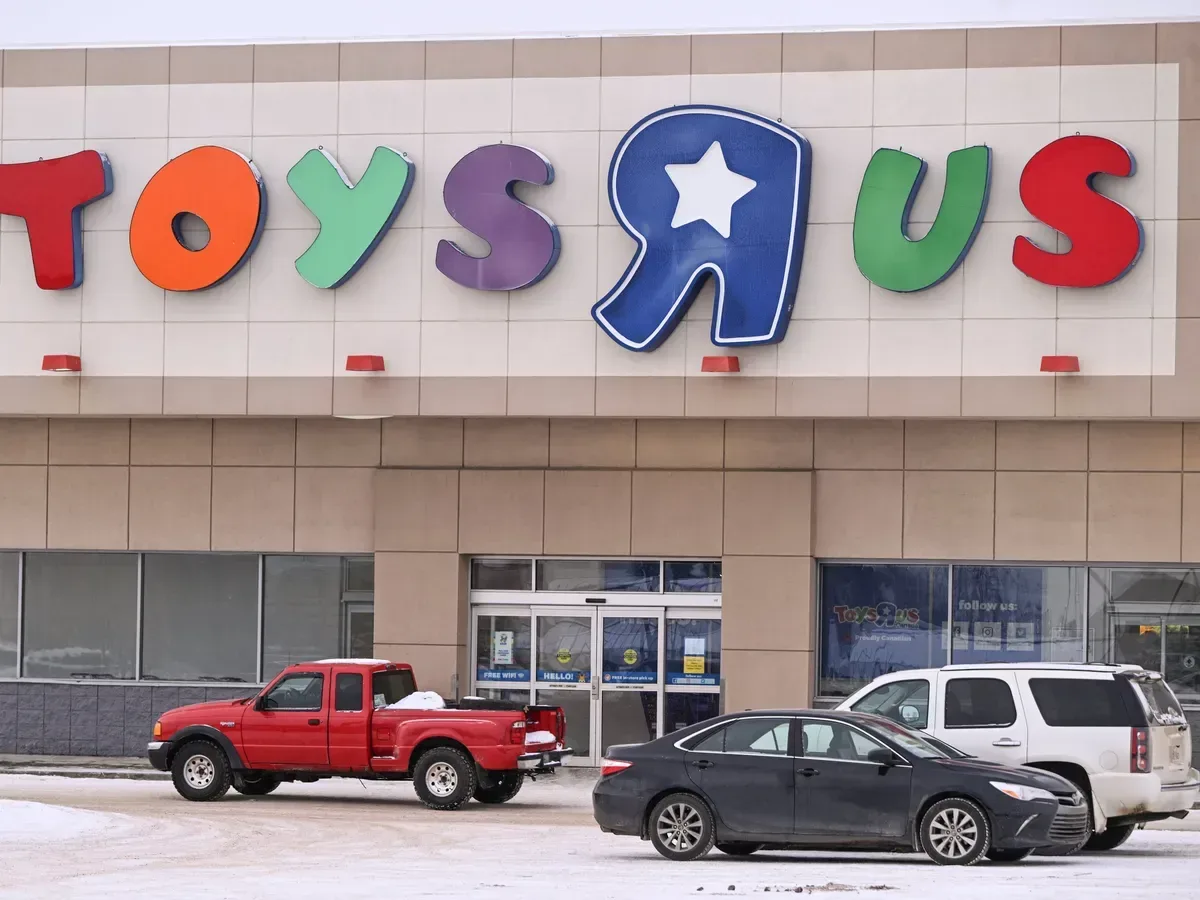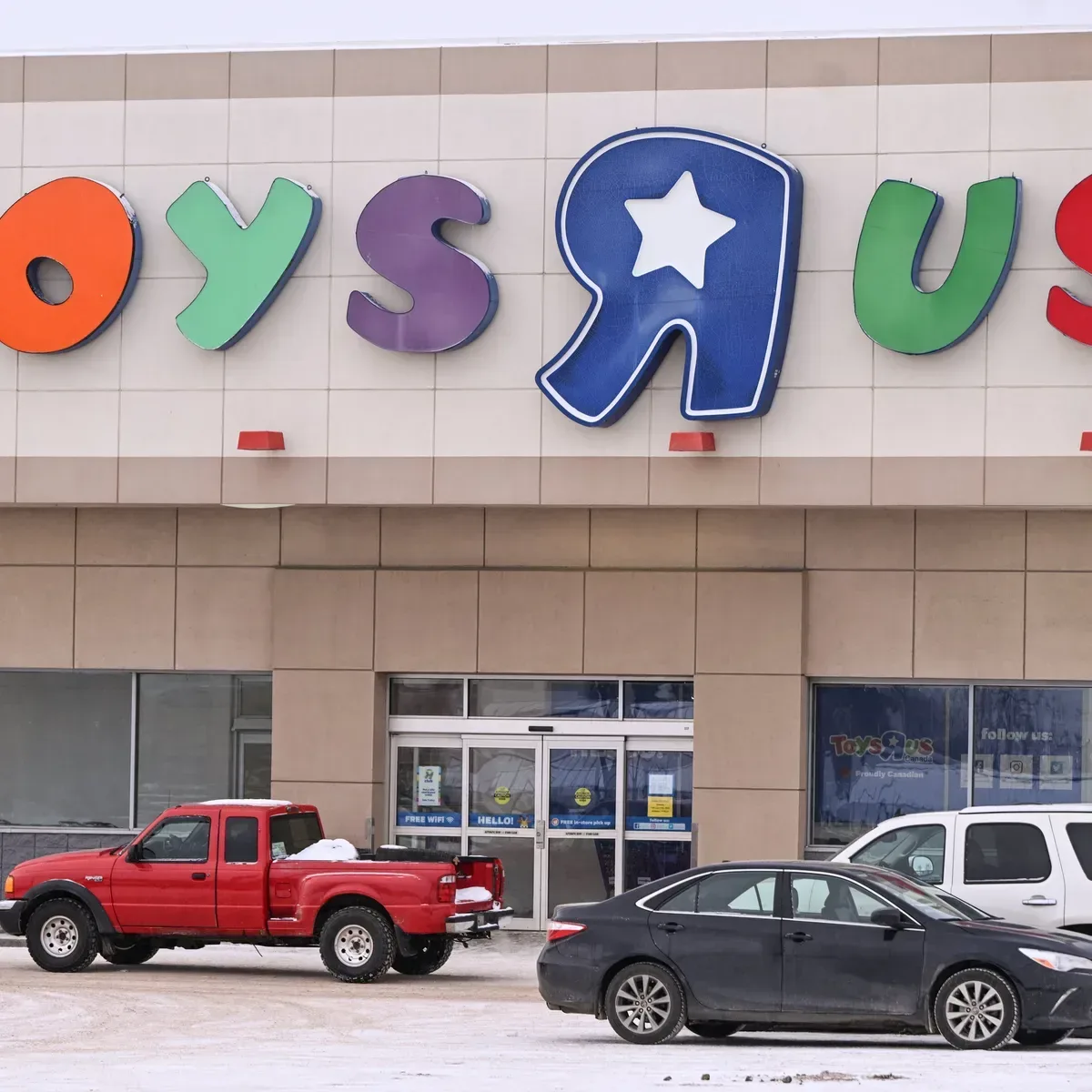
Toys ‘R’ Us is preparing a sizeable US expansion, with 120 new standalone stores planned for the holiday season. The move would add substantially to the retailer’s current footprint of 40 standalone stores, alongside its locations inside select Macy’s stores nationwide.
The expansion is being undertaken with Go! Retail Group, which began working with Toys ‘R’ Us owner WHP Global three years ago as the brand returned to retail after its earlier bankruptcy. It is a striking next chapter for a name that remains closely tied, for many game and toy fans, to the sheer ceremonial thrill of wandering aisles with no immediate objective beyond seeing what existed.
For a generation of physical-media players, Toys ‘R’ Us also represented a particular kind of game-shopping ritual. One familiar store model displayed video game box art on walls, with tickets beneath it. A customer would take a chosen ticket to a dedicated counter, where the actual game was retrieved from a secured stock area. It made purchasing a cartridge or disc feel a little like submitting a quest item at the correct NPC.
The new plan is not simply an attempt to recreate that memory unchanged. Select locations are intended to add spaces called Creator Studios, plus candy shops and cafés. That signals a strategy built around giving people reasons to spend time in-store, rather than treating a visit as a quick transaction between entering the building and carrying out a bag.
What is confirmed about the Toys ‘R’ Us expansion?
The central number is clear: 120 new standalone Toys ‘R’ Us stores are planned for the US holiday season. In retail language, a standalone store is a dedicated Toys ‘R’ Us location, rather than a branded section operating within another retailer’s building.
That distinction matters because Toys ‘R’ Us already has more than one route to customers. Its existing presence includes 40 standalone stores as well as locations inside select Macy’s stores. WHP Global executive vice president Jamie Uitdenhowen described the larger approach as meeting customers through hometown stores, Macy’s, airports and Navy Exchanges.
A Navy Exchange is a retail operation serving eligible military communities, while airport locations place the brand in another highly specific setting: one where gifts, travel entertainment and last-minute purchases can carry different importance from a regular shopping trip. The available details do not identify which new stores will open in which communities, nor do they provide a full location list, individual opening dates or store sizes. Those are important practical details that have not been specified here.
The modern-store bet: stay longer, see more
The most notable element of the plan is the proposed Creator Studios at select locations. A Creator Studio, in this context, is a dedicated area where influencers, creators and toy brands can make content, reveal products, hold launches and host special events. In plain terms, it is a place designed not just for selling an item but for producing the videos, social posts and live moments that help put that item in front of an audience.
Related coverage includes Toys 'R' Us Plans 120 New US Stores for the Holiday Season.
It is worth stressing the qualifier: select locations. The plan does not say that all 120 stores will have these spaces, cafés or candy shops. Shoppers should therefore avoid assuming every new Toys ‘R’ Us will share the same format or programming. A standard standalone shop and an experience-focused site may both carry the same sign while offering very different visits.
Still, the direction is easy to read. The traditional toy-store proposition is discovery: seeing shelves, packaging, characters and unexpected products in person. Creator Studios aim to connect that discovery to content creation and launch events. Cafés and candy shops potentially extend dwell time—the retail term for how long a visitor remains at a location. The longer visit is not merely about a snack break; it can make the store feel like a destination where families, fans and creators have a reason to browse, attend something or return.
That does not guarantee a more compelling store, of course. Programming has to be frequent enough to matter, and individual locations have to make their additional spaces feel useful rather than decorative. But the proposed features identify an ambition beyond reviving a familiar logo and lining up products under fluorescent lights.
Why the expansion matters to game fans
The announcement is fundamentally about toys, but the boundary between toys, games and character fandom has long been porous. A physical store can make franchises more visible in a way that a search box cannot. Packaging, plush, figures, board games, electronics and licensed items all exist side by side, inviting the kind of comparison and impulse discovery that is difficult to reproduce in a single online product listing.
For players who remember buying boxed games at Toys ‘R’ Us, that aspect is part of the emotional resonance. The old ticket-counter method was practical: game stock could remain locked away while the sales floor showed customers what was available. But it also created a small ceremony. You did not simply click a button; you found the art, selected a ticket and exchanged it for the real object.
That format belongs to a different retail moment, and there is no indication the new stores will revive it. The useful point is not to demand a perfect replica of an old game aisle. It is to recognize why physical retail can still have value when it offers browsing, demonstrations, events or social space that go beyond a warehouse-style handoff.
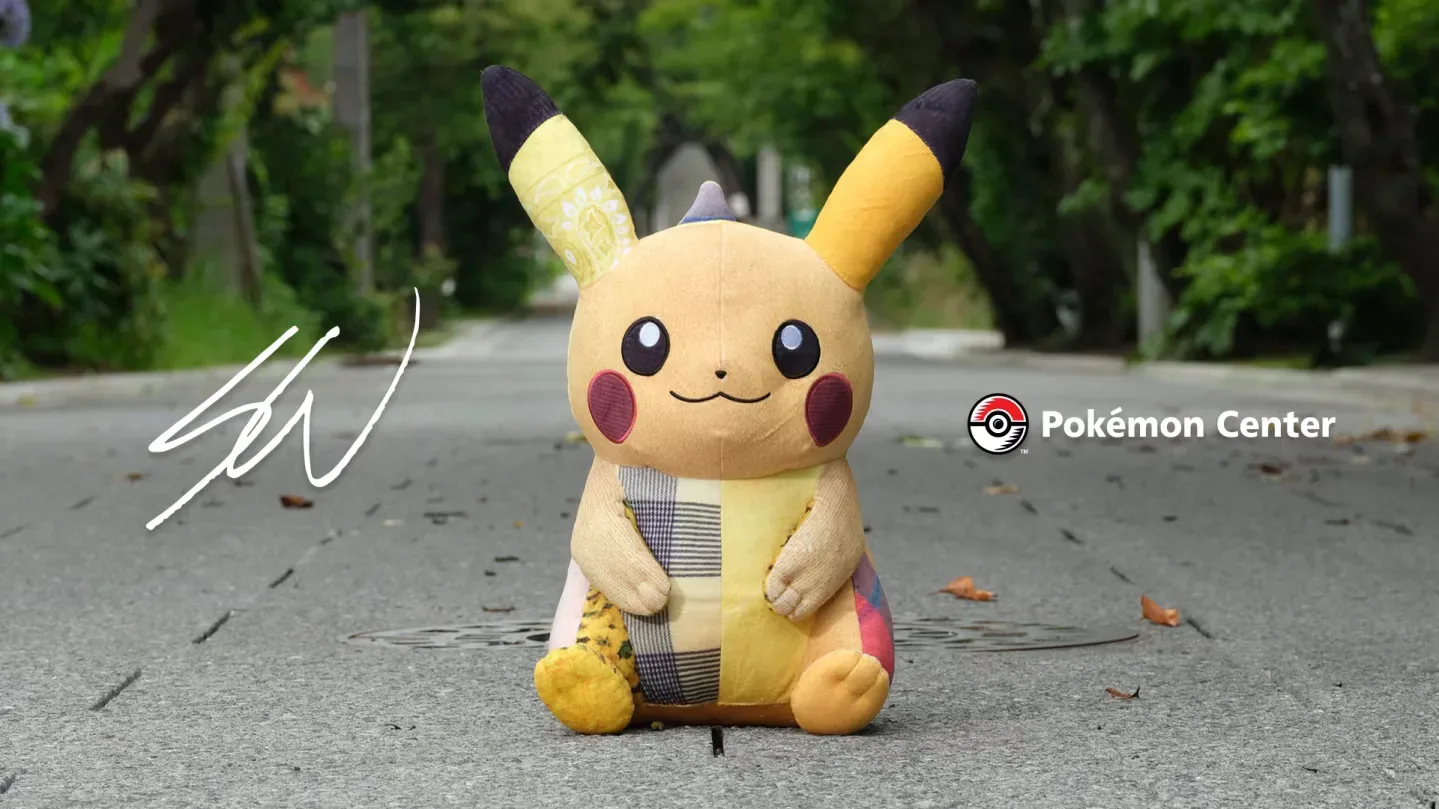
The character side of the business is equally significant. People following major licensed merchandise launches, including stylized releases such as this Pokémon Center plush trio with Pikachu, Charizard and Bulbasaur, already understand the appeal of seeing a collectible in person rather than only as a thumbnail. The Toys ‘R’ Us announcement does not identify specific product lines or promise any particular Pokémon merchandise. It does, however, point to more physical storefronts where the broader act of toy and character discovery is being prioritized.
Holiday timing is part of the strategy
Opening 120 stores for the holiday season puts the expansion in the period when toy shopping carries its biggest sense of urgency and occasion. Go! Retail Group CEO Gideon Schlessinger framed the appeal around discovering highly sought-after toys, seeing brands and characters come to life, and finding gifts. That focus fits a season in which shoppers may be browsing for several people at once and weighing novelty, availability and the immediate appeal of a product.
The practical implication for customers is straightforward: a larger store count could mean more communities have access to a dedicated Toys ‘R’ Us visit rather than needing to rely only on a Macy’s location, an airport shop or online browsing. But “could” is the key word. Until locations are identified, shoppers should not assume a new branch is headed to their nearest mall, high street or retail park.
For the business, standalone stores can do something a shop-in-shop cannot always do: give the brand room to define the entire environment. That matters especially if the Creator Studios, event programming, cafés and candy components are meant to become recognizable parts of the revived identity. A branded department inside another store broadens reach; a dedicated location can more fully stage the brand’s own version of play and discovery.
Analysis: a retail revival needs more than nostalgia
The name Toys ‘R’ Us brings automatic recognition, especially among adults who grew up with it. Recognition can get customers through the door once. The announced expansion suggests the company understands that recognition alone is not a durable reason to return.
The proposed modern elements are therefore not a side note. They are the test of what this revival is trying to be. A Creator Studio turns a store into a possible site of production and promotion. Product reveals and launches turn it into an event venue. A café or candy shop makes the visit less narrowly tied to a single purchase. Collectively, those choices seek to move the store from “place where toys are sold” to “place where toy culture is encountered.”
There are boundaries to that analysis. No detailed operating plan, schedule of events, inventory plan or list of participating brands has been outlined. It would be premature to claim the new locations will become gaming hubs, guarantee exclusive products or restore the exact browsing experience remembered by earlier customers. What is supported is a broad retail expansion and an explicit intention to use some stores for play, entertainment and content-creation experiences.
That may be the sensible balance for a brand returning at scale: respect the power of its old identity without treating the past as a complete blueprint. The old ticket for a game behind the counter had its charm. The new version appears to be betting that the most valuable ticket is an invitation to come in, look around and perhaps stay a while.
What shoppers should watch for next
- Local store details: The plan names 120 new standalone locations but does not yet specify their individual markets or dates.
- Format differences: Only select stores are slated for Creator Studios, candy shops and cafés, so amenities may vary by location.
- Events and reveals: Creator Studios are intended to support launches, toy reveals and special events, making programming a meaningful part of the rollout.
- How the brand balances old and new: The expansion carries strong nostalgia, while its proposed store features are deliberately aimed at contemporary entertainment and creator culture.
For now, the clearest takeaway is both simple and surprisingly dramatic: Toys ‘R’ Us is moving from a limited modern footprint to a much bigger standalone presence in the US, with 120 openings planned for the holiday season. The giraffe has not merely respawned; it is attempting a map expansion.