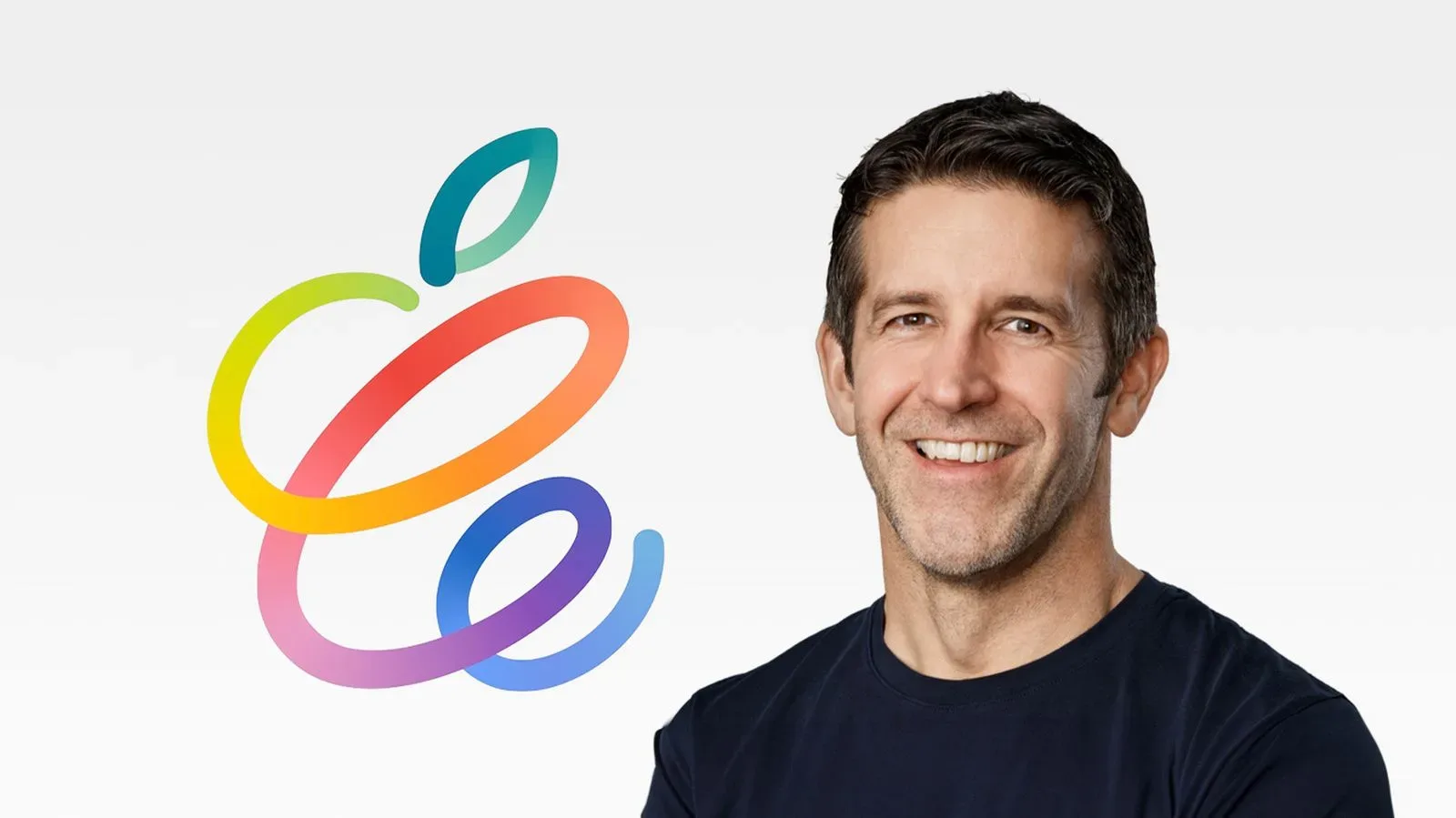
Tim Cook has offered a clearer account of why he left Apple’s chief executive role when he did, framing John Ternus’ September 1 appointment not as an abrupt handoff but as the visible point in a succession plan that had been in motion for years.
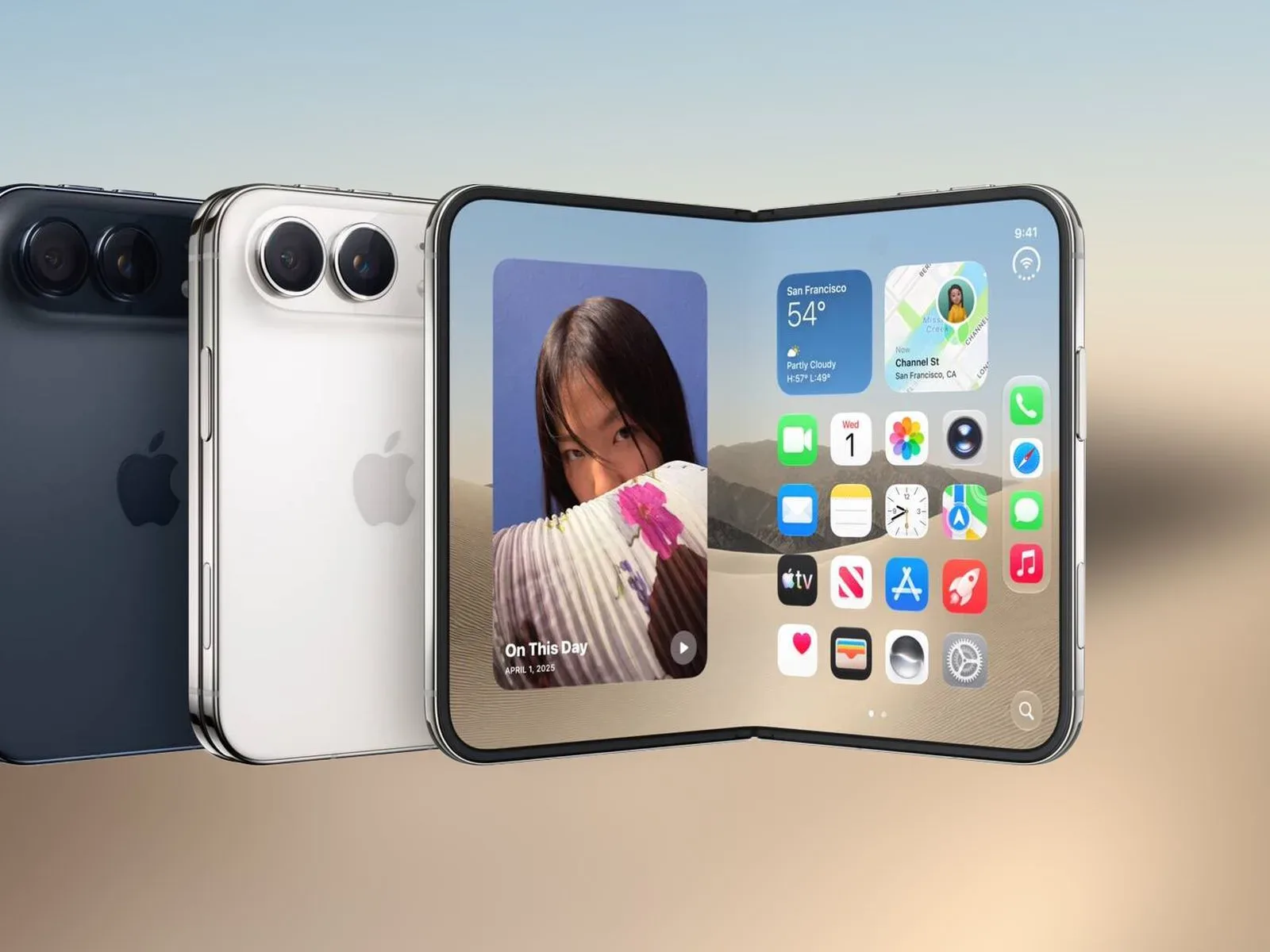
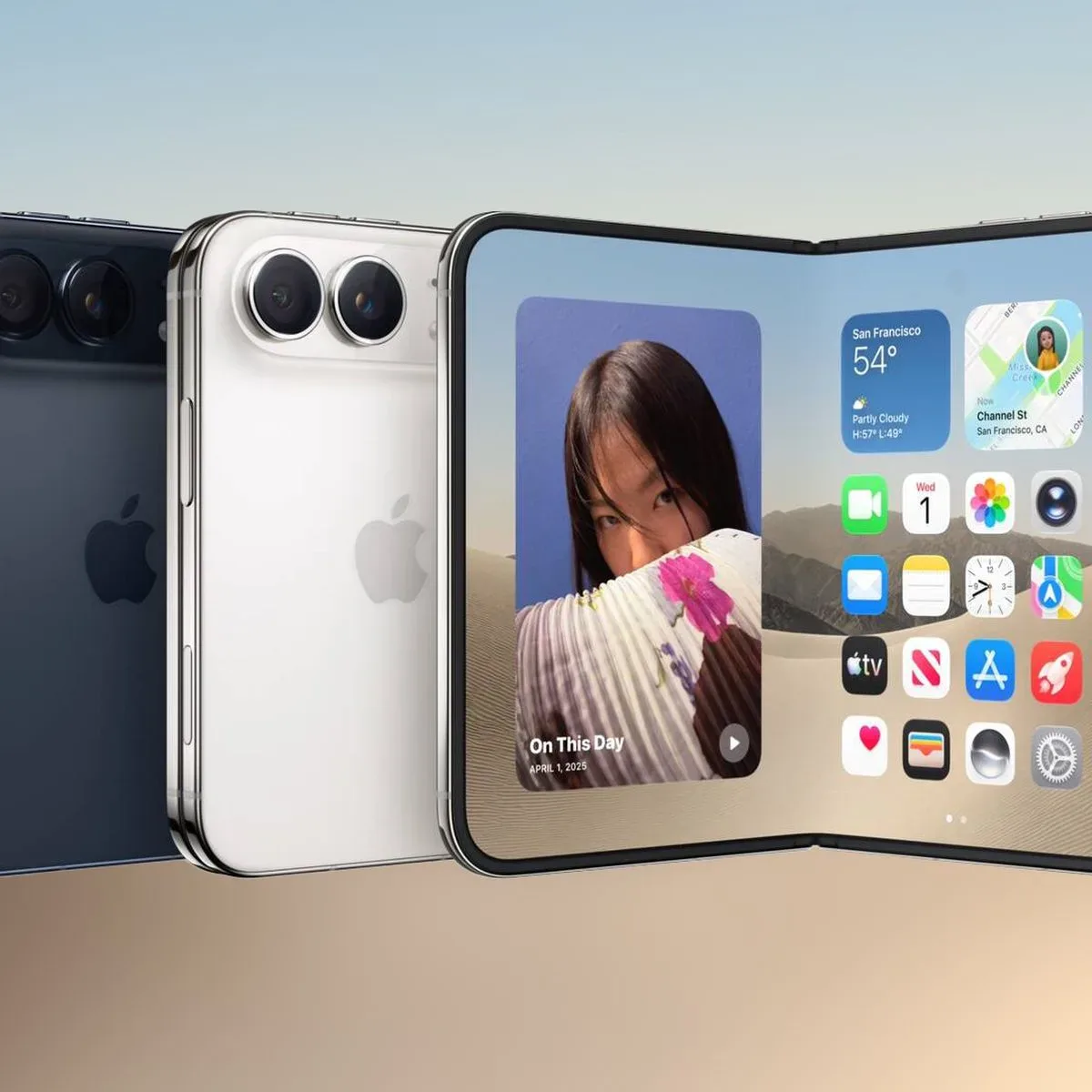
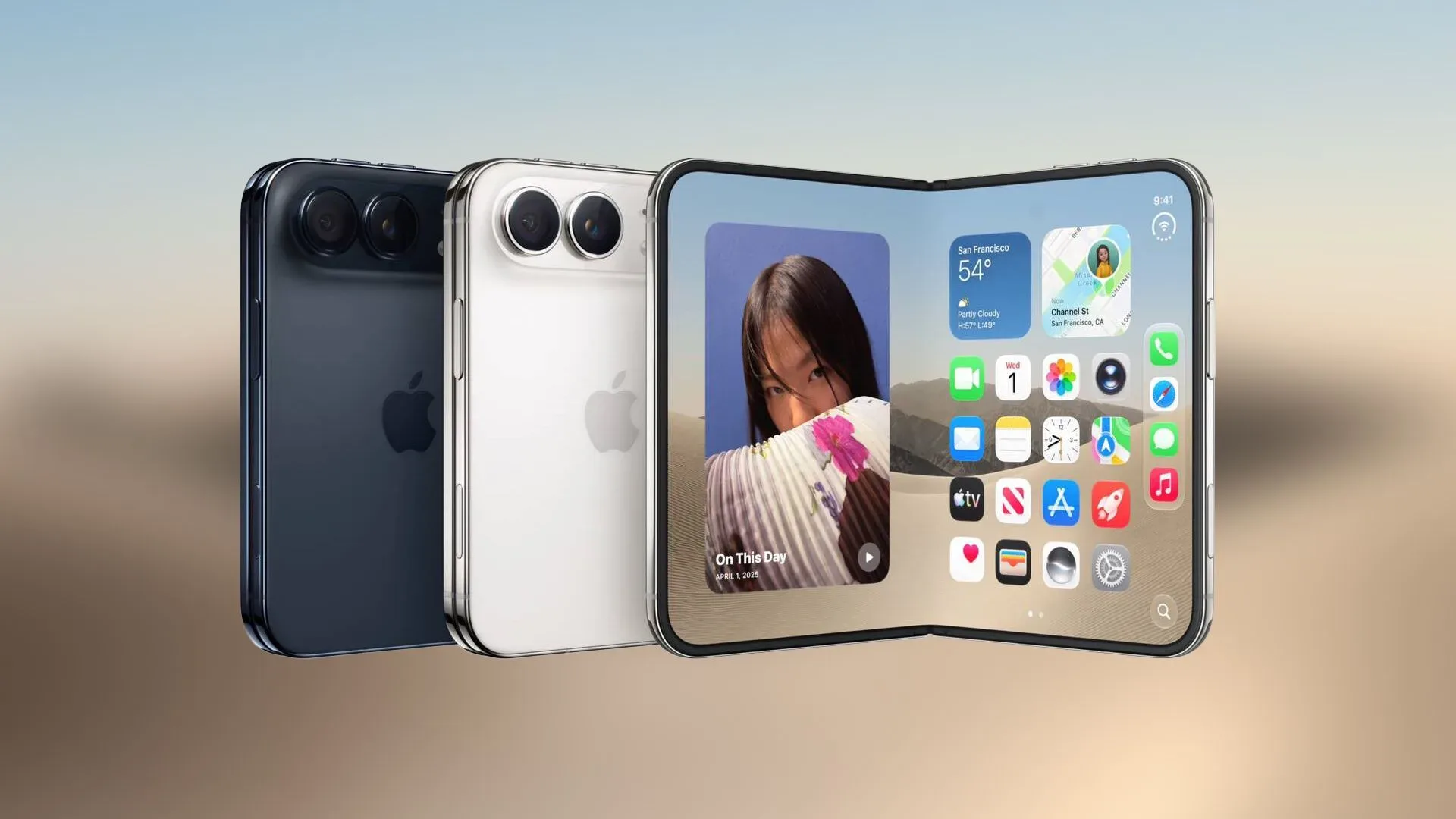
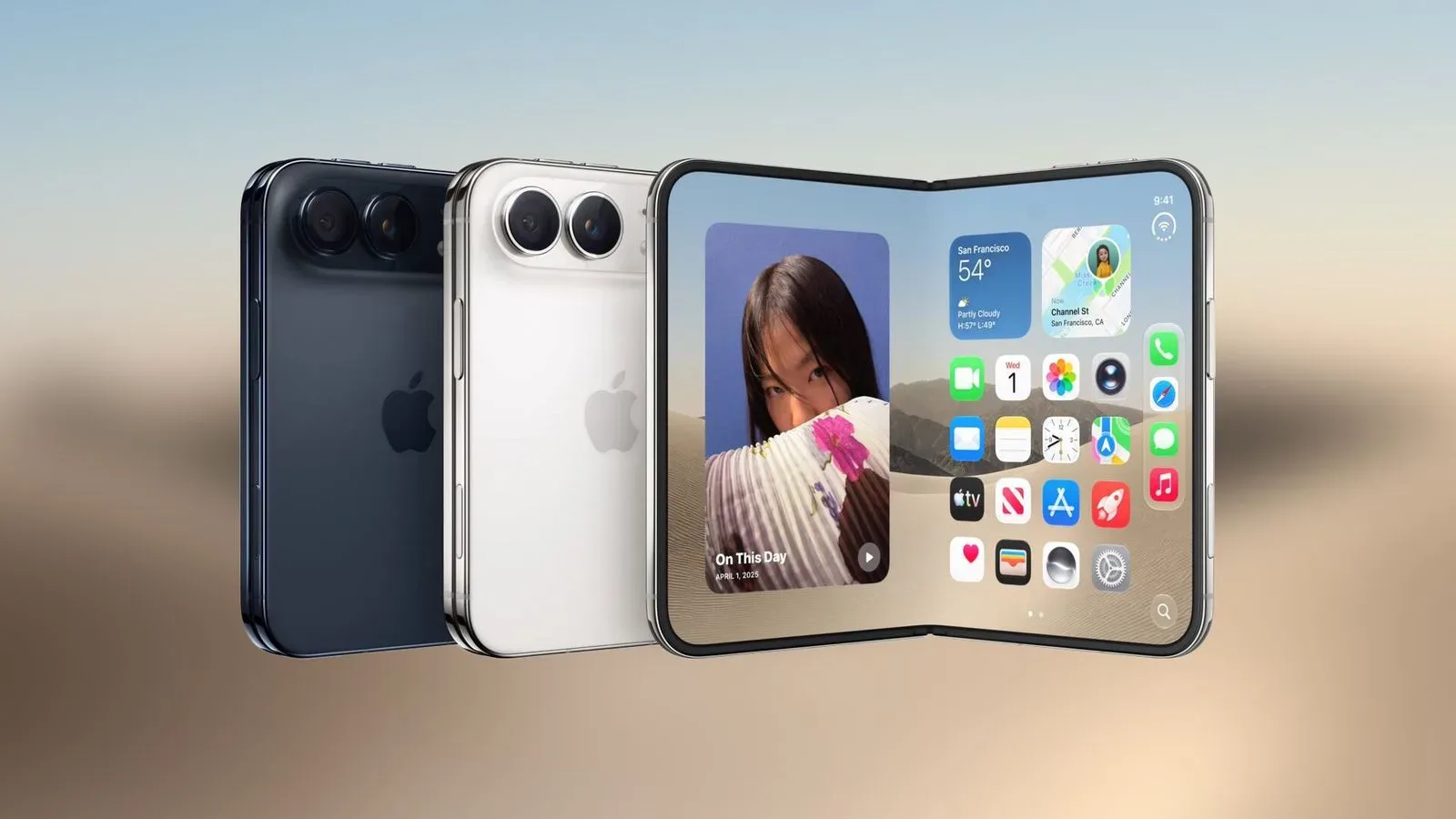
Cook, now Apple’s executive chairman, said the company deliberately sought a transition that could serve as a model: planned well ahead, orderly in execution and shaped around the person taking over rather than a simple continuation of the previous leader’s approach. Ternus, Apple’s former hardware engineering chief, became CEO eight days before he unveiled the iPhone Duo.
That timing was intentional, Cook explained. His reasoning was rooted in Apple’s product cycle: the recurring rhythm in which a company prepares, introduces and supports major products. For an organization whose public identity is closely tied to hardware launches, putting a new CEO in place shortly before a major reveal gives that leader an immediate, high-profile chance to establish a presence.
A succession designed for momentum
Cook said he wanted Ternus to have “wind at his back,” with the approaching iPhone Duo providing it. The phrase is revealing because it does not present the CEO change as separate from Apple’s product work. Instead, the leadership transition and the launch schedule were treated as connected decisions.
A product-cycle handoff can matter for practical as well as symbolic reasons. The new chief executive is immediately associated with the company’s current direction, rather than beginning with a long period defined mainly by comparison with a predecessor. It also makes the next leader visible at a moment when employees, customers and partners are naturally focused on the company.
That does not mean a single product presentation defines a CEO’s tenure. Cook’s comments point to something narrower: the first major launch can supply momentum, while the years of preparation behind the transition are meant to supply stability. A leadership change at a company of Apple’s scale involves far more than assigning a title. It requires a clear division of responsibility, confidence among teams and a shared understanding of where the incoming executive can contribute most.
Cook described the result so far as matching what he had envisioned. His emphasis on a transition that started years ago also suggests the September date should not be read as the beginning of Ternus’ preparation. It was the formal change in role after a much longer process.
Why Ternus’ hardware background is relevant
Ternus arrived in the CEO role after leading Apple’s hardware engineering organization. That background is particularly notable beside Cook’s product-cycle explanation. Hardware engineering is the part of a technology company responsible for developing physical devices and the systems that make them function. In Apple’s case, a major iPhone launch naturally places hardware design, engineering coordination and product execution at the center of public attention.
The available details do not establish how Ternus will alter Apple’s strategy, nor do they lay out a broader management restructure. They do show why an iPhone launch would be a meaningful early platform for a CEO with deep hardware leadership experience. The iPhone Duo reveal was set to arrive just days after his elevation, placing the company’s new leader alongside the kind of product work he previously helped oversee.
For observers, the important distinction is between evidence and assumption. Cook has confirmed the timing was chosen in part to give Ternus momentum and has expressed confidence in the product cycle. That is not the same as a promise about future products, a full outline of Ternus’ management priorities or a claim that Apple’s operations will be unchanged. Those are questions that will have to be answered through the new CEO’s decisions over time.
Apple’s next product period may nevertheless be the first place those decisions become easier to see. Major launches force companies to explain what they value: design, technology, accessibility, creative tools, services or some combination of all of them. They also provide a stage for a CEO to set tone, decide where to spend attention and represent the company’s work publicly.
Apple’s wider hardware ambitions have also remained a frequent point of interest, including reports around a possible home-focused device. Readers following that corner of the company can find more context in our look at the rumored Apple home hub and the smart-home market around it.
Cook’s advice: do not imitate the predecessor
Cook knows unusually well how difficult a successor’s job can be. He took over from Steve Jobs, and he recalled being told not to make choices simply because Jobs would have made them. Cook says he has offered Ternus a version of the same advice: make the role his own.
“Make it your own job,” Cook said of the guidance he gave Ternus, adding that leaders should concentrate their time where they can create the most value instead of imitating the person before them.
The point is more substantial than a slogan about individuality. A CEO’s job contains many demands, but different leaders will be most effective in different areas. One may focus heavily on operations, another on product development, organizational culture, partnerships or public communication. Cook’s advice acknowledges that successful succession is not achieved by recreating the previous executive’s habits.
In corporate governance terms, succession planning is the process of preparing an organization for changes in top leadership. The strongest version of it is not merely picking a replacement. It includes developing candidates, transferring institutional knowledge, defining responsibilities and deciding when the outgoing and incoming leaders should formally change roles. Cook’s description of a years-long transition fits that broader definition.
His own move to executive chairman is part of the structure, too. The supplied details identify Cook in that role while Ternus holds the CEO position. The titles are not interchangeable: the CEO leads the company’s executive operation, while an executive chairman role is a board-level position. The precise practical division of work between Cook and Ternus has not been detailed here, so it would be premature to draw conclusions beyond the change in titles and Cook’s stated support for the new CEO.
Battersea as a setting for Apple’s creative commitments
Cook’s remarks came from Apple’s UK headquarters at Battersea Power Station, where discussion also turned to two creative initiatives: a new education program with The King’s Trust and Apple Music Hall, a performance venue inside the Battersea site.
Apple and The King’s Trust, the charity founded by King Charles III, announced an immersive education program intended to help young people build careers in creative industries. Cook described the effort as a form of giving back that uses Apple’s own strengths. His emphasis was not solely on funding; it was on company creatives acting as mentors.
Mentorship is a practical element of such a program. Financial resources can support an initiative, but mentors can also share knowledge, feedback and professional perspective. Cook’s comments suggest Apple sees its creative staff as an active part of the effort rather than simply a group underwriting it. The supplied information does not specify the curriculum, eligibility, schedule or delivery format, so those details remain outside what has been announced here.
The other Battersea project, Apple Music Hall, is positioned as a venue for live performance. Cook highlighted the construction, design, technology and spatial-audio capability behind it, saying it was intended to work for established artists as well as performers at the beginning of their careers.
Spatial audio is a broad term for audio technology designed to create a more three-dimensional sense of sound placement than conventional left-and-right stereo. In the context of a performance venue, Cook’s reference indicates that the hall’s technical setup is part of its intended identity, not merely a background feature. However, no technical specifications or details of performances were provided.
There is a common thread between the creative education program and the venue: both put Apple’s design and technology identity next to creative work rather than treating it as a separate corporate activity. The education program is aimed at career development for young people, while the hall is described as a commitment to live performance. Neither changes the central significance of the CEO transition, but together they show the range of subjects Cook discussed while outlining Apple’s leadership moment.
What the transition says—and what it does not
Cook’s account provides three firm takeaways. First, Apple’s CEO succession had been planned for years. Second, the September 1 date was selected in part because an imminent product cycle could give Ternus immediate momentum. Third, Cook has urged Ternus to lead in a way that fits his own strengths rather than copying either Cook or Jobs.
It does not answer every question surrounding Apple’s next era. There is no detailed road map here for products beyond the iPhone Duo, no explanation of Ternus’ day-to-day priorities and no indication that Apple’s leadership culture will look exactly the same under its new CEO. That uncertainty is normal in an executive transition—and, in a way, consistent with Cook’s own advice. Making the job his own means Ternus will need room to define how he leads.
For Apple, the immediate test is less about a ceremonial changing of names on an organizational chart than about continuity during a highly visible product moment. Cook’s public confidence rests on the idea that the work of preparing for that test began long before the announcement. Ternus now gets the opportunity Cook intended: to begin his CEO tenure with the momentum of a major launch and then demonstrate what his version of the role looks like.