There is a particular species of video game news that sounds dramatic from a distance and becomes wonderfully, aggressively mundane once translated into developer language. A milestone has been reached. A batch has been picked up. A thing has passed an internal check. Somewhere, a spreadsheet has probably earned a new shade of green.
For The Witcher 4, CD Projekt Red says those moments are happening throughout production, but the studio does not intend to announce every one. Joint CEO Michał Nowakowski addressed the subject during an investor Q&A, reiterating that the next Witcher RPG is in full-scale production and still aimed at a 2028 release.
That status is meaningful, even if it does not deliver the sort of instantly shareable revelation that fans tend to want from a game of this scale. The broad creative direction is established, as Nowakowski described it: the team knows the kind of game it is making. The work now is the extraordinarily large, difficult and less cinematic business of building it out—adding content, assessing progress, finding obstacles, and deciding when something needs another pass.
In other words, the monster hunt has moved into its most fearsome phase: production management.
Why the studio is keeping internal checkpoints internal
Development milestones are not necessarily secret because they are explosive. Quite often, they are the opposite. They can concern a defined delivery from one group, approval of a particular set of work, technical validation, content integration, or an internal opportunity to determine whether the project is moving at the required pace. Important? Absolutely. Useful as a public-facing announcement? Not always.
Nowakowski indicated that many of The Witcher 4’s checkpoints are deeply technical and would not have much meaning outside the studio. That is a sensible distinction. Players may reasonably be eager to hear about the game’s setting, characters, systems, platforms, gameplay structure, and eventual launch plans. “A specific batch was picked up” is harder to put on a t-shirt, unless CD Projekt Red is pursuing an unusually committed line of project-management merch.
The point is not that the game lacks movement between major trailers or presentations. It is that much of that movement is granular. A public development update can create an impression that projects progress in a clean sequence of giant, obvious achievements. Actual production is more likely to be a network of teams completing, revising, reviewing, reconnecting, and testing work that depends on other work being completed, revised, reviewed, reconnected, and tested. It is less a straight road than a quest map designed by someone who wants the player to open 47 menus.
Each internal milestone gives the team a chance to evaluate where it stands. The questions described by Nowakowski are practical ones: Is development advancing well? Is something blocking progress? Does an element require iteration? Those are not glamorous questions, but they are the questions that decide whether an ambitious RPG eventually arrives as a coherent whole.
Full-scale production is a commitment, not a finished-game signal
“Full-scale production” can sound like a nearly completed game waiting just offstage for a dramatic curtain pull. It should not be read that way. CD Projekt Red used the term in 2024, and The Witcher 4 has a stated target of 2028. The length of that runway is a reminder that making a major open-world role-playing game is not simply a matter of filling a map with taverns, cliffs, suspiciously chatty villagers, and an amount of card-game activity that may or may not be medically advisable.
At this stage, a studio can have a firm sense of the project’s identity while still facing a huge body of work. Content must be created and connected. Systems need to function together. Art, animation, writing, audio, user interface work, world design, performance considerations, and technical systems all need room for revision. A choice in one area can create consequences in several others. This is why “we know what kind of game we’re making” is an important update, while also being very different from “the game is almost done.”
There is also a healthy dose of uncertainty built into any long development schedule. A 2028 target communicates intent, not a magical immunity from the realities of game production. CD Projekt Red has not provided the detailed milestone list fans might imagine, and it has not turned those internal reviews into promises for public consumption. That restraint may be less exciting in the short term, but it avoids treating every routine checkpoint like a binding oath signed in dragon blood.
What the public has actually seen so far
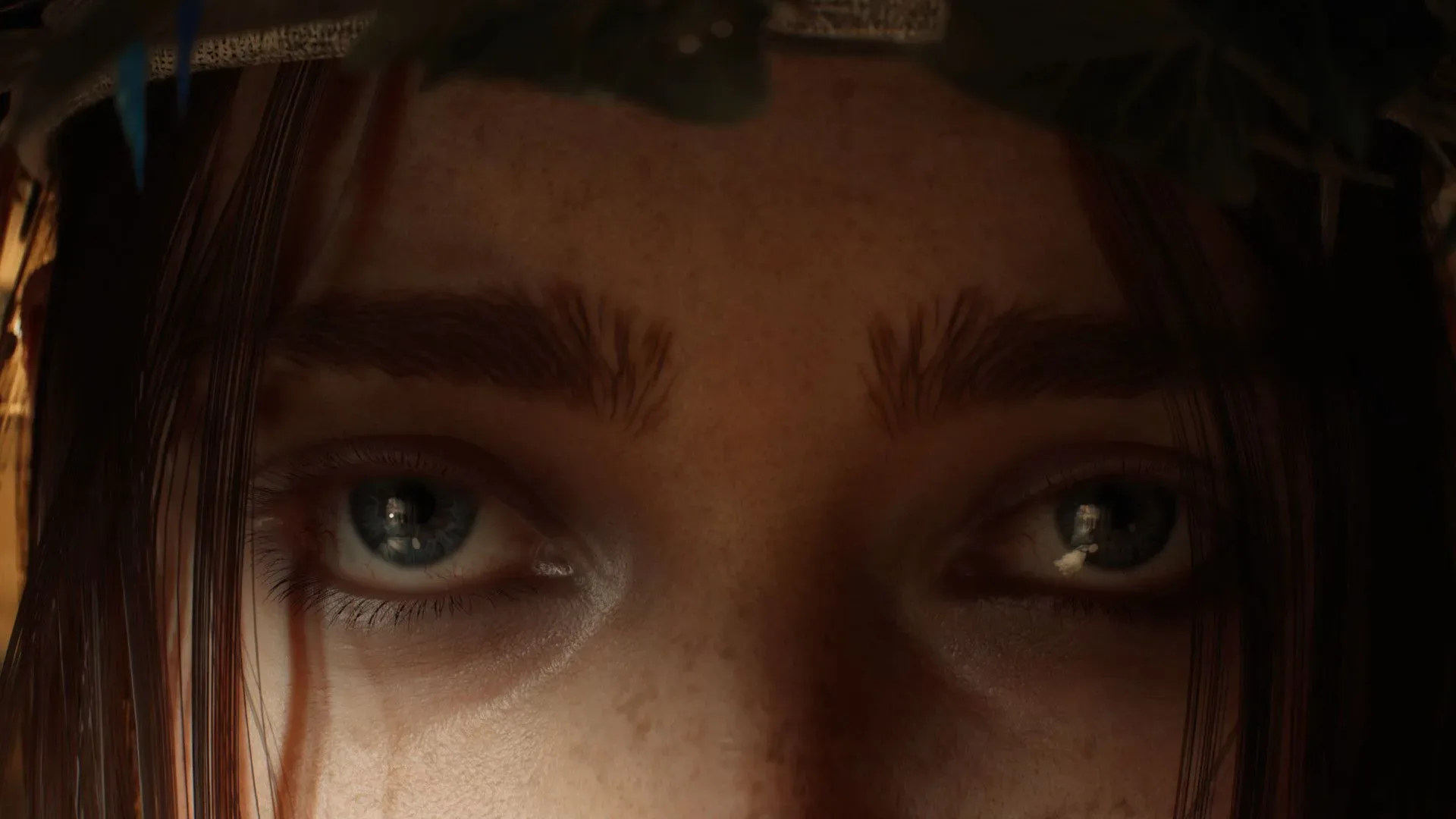
The Witcher 4 has not been entirely hidden in a locked chest beneath Kaer Morhen. CD Projekt Red has shown an extended cinematic trailer and an open-world tech demo, alongside comments from people working on and overseeing the project. Those materials offer glimpses of the direction and technical ambitions around the new game, but they do not amount to a comprehensive breakdown of its final design.
That distinction matters, particularly with a tech demonstration. Such presentations can be illuminating about the kind of technology and visual goals a studio is exploring, but they should not automatically be treated as a final gameplay promise. A technology showcase is a window into development priorities; it is not the same thing as a completed RPG explaining exactly how every system, region, quest, or character interaction will operate at release.
The best way to read the present situation is therefore fairly straightforward: The Witcher 4 is being actively built at full scale, its makers are conducting regular internal evaluations, and only some of that work will become public news. Fans have seen select previews, while many of the less glamorous but essential decisions remain where they belong—in the production process.
That approach fits a wider truth about large interactive projects. Public enthusiasm naturally latches onto trailers and headline features, while the long middle stretch is dominated by practical decisions that rarely make for a thrilling social post. The broader games business has been exploring similarly technical questions around tools and presentation, as seen in work on shared XR spaces, smart glasses, and storytelling. New technology can be exciting, but somebody still has to make it behave before the audience gets its shiny reveal.
A quieter update can be the more useful one
For an audience trained to interpret silence as either a disaster or a countdown, CD Projekt Red’s message is refreshingly unromantic. The team is making the game. It is measuring its own progress. It is resolving problems and revisiting work when needed. Not every internal success is a consumer-facing event, and not every technical sign-off carries a clear meaning without considerable context.
That is not a demand that players stop caring. Anticipation is part of the fun, and The Witcher is a series with enough history to make every scrap of information feel like it has been delivered by royal courier. But it does suggest a better standard for interpreting the gaps between substantial updates. A lack of public announcements about individual milestones is not, by itself, evidence that nothing is happening. In this case, it is explicitly the opposite: there are numerous internal markers, and the studio considers many too specialized to be worthwhile public disclosures.
There is an analogy in the social machinery of games themselves. The moments everyone remembers from a group session are the clutch win, the spectacular blunder, or the friend who insists a controller “definitely disconnected” at the exact wrong time. The rules that make the whole gathering work receive less attention, even though they are doing the real labor. For a playful reminder that game culture has plenty of invisible process beneath its loudest memories, revisit the unwritten rules of couch multiplayer.
For now, The Witcher 4’s public status remains clear without being overly detailed: full-scale production is underway, CD Projekt Red is working toward 2028, and the team’s day-to-day focus is on completing the game rather than broadcasting every technical checkpoint. That may not satisfy anyone hoping for a new trailer, a systems deep dive, or a map large enough to require its own postal code. It does, however, describe the actual work that has to happen before any of those things can responsibly be shown.
And if the next update is another reminder that internal milestones are internal, remember: somewhere, an important batch may have been picked up. The batch is probably doing great. The batch simply has no interest in being famous.