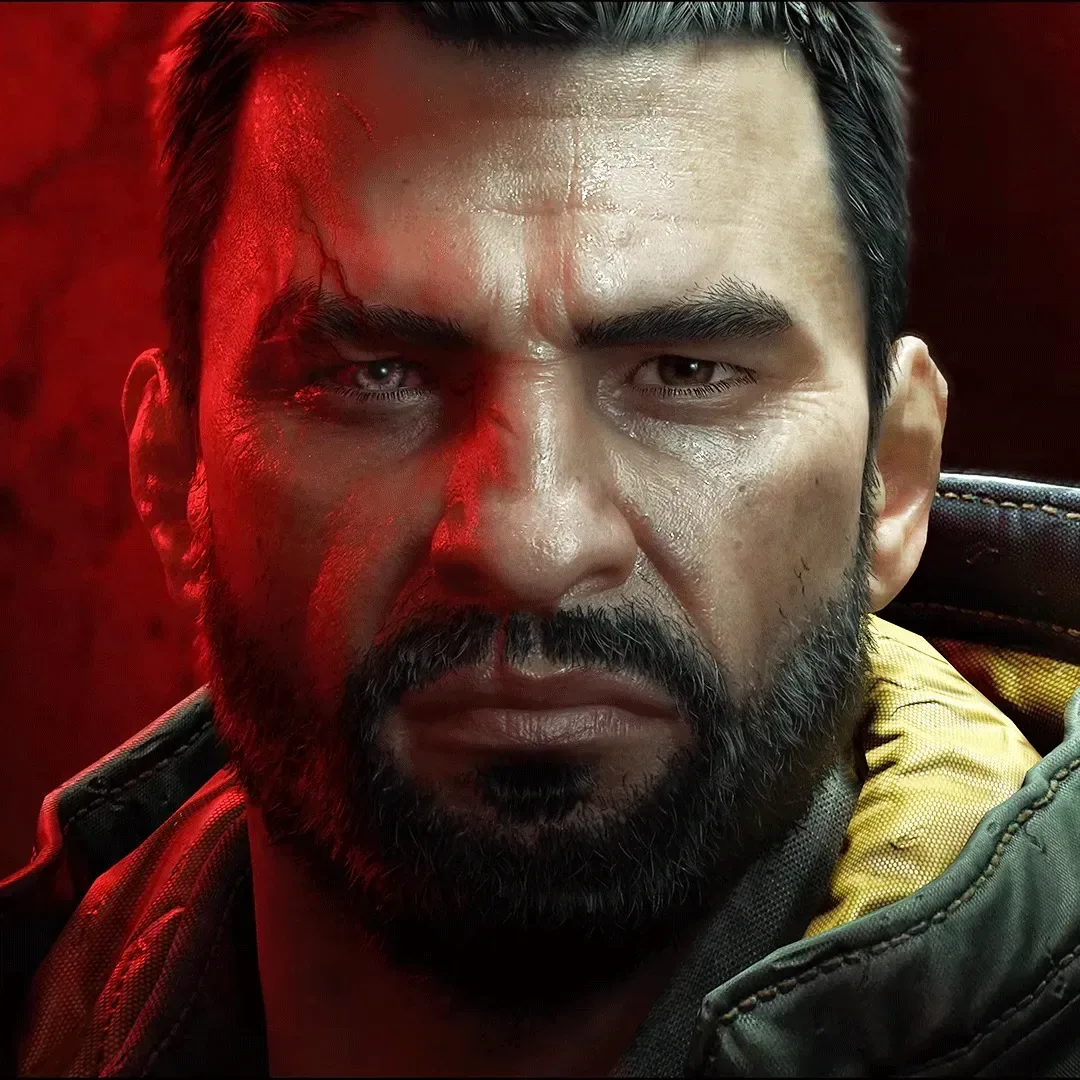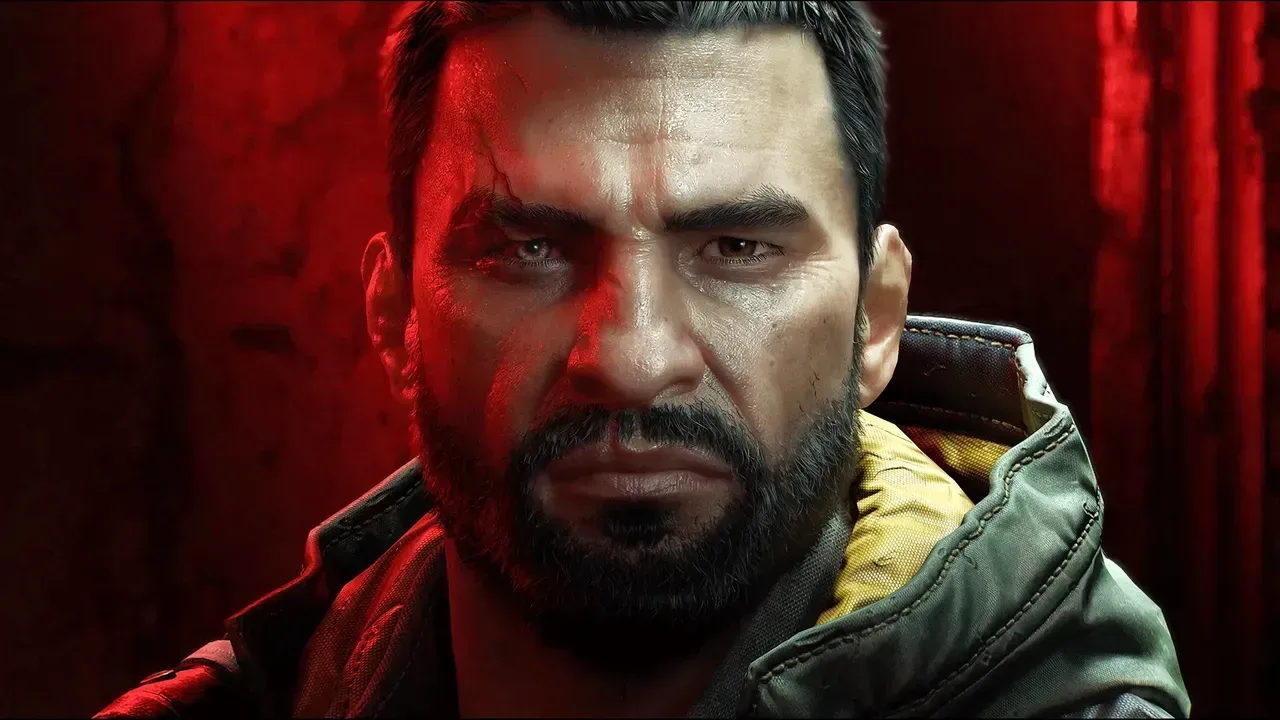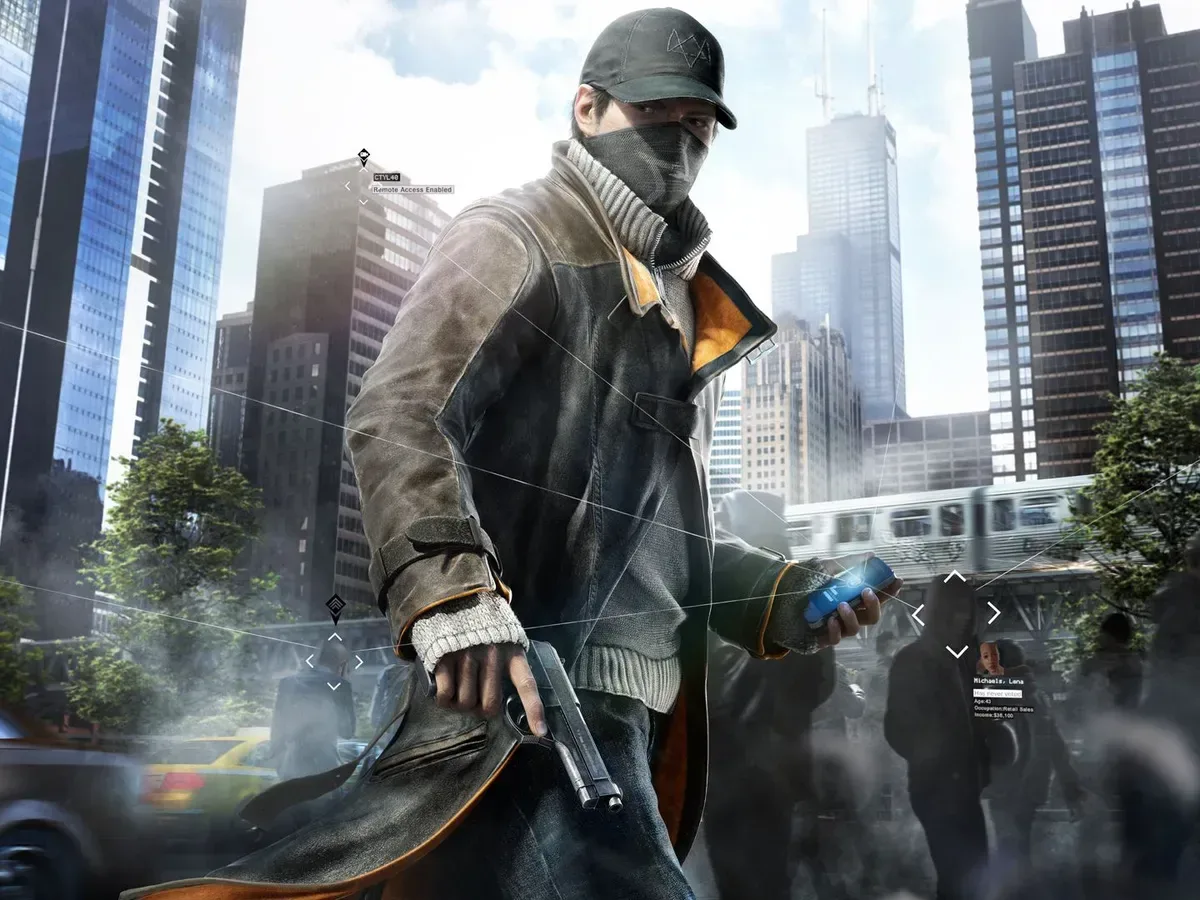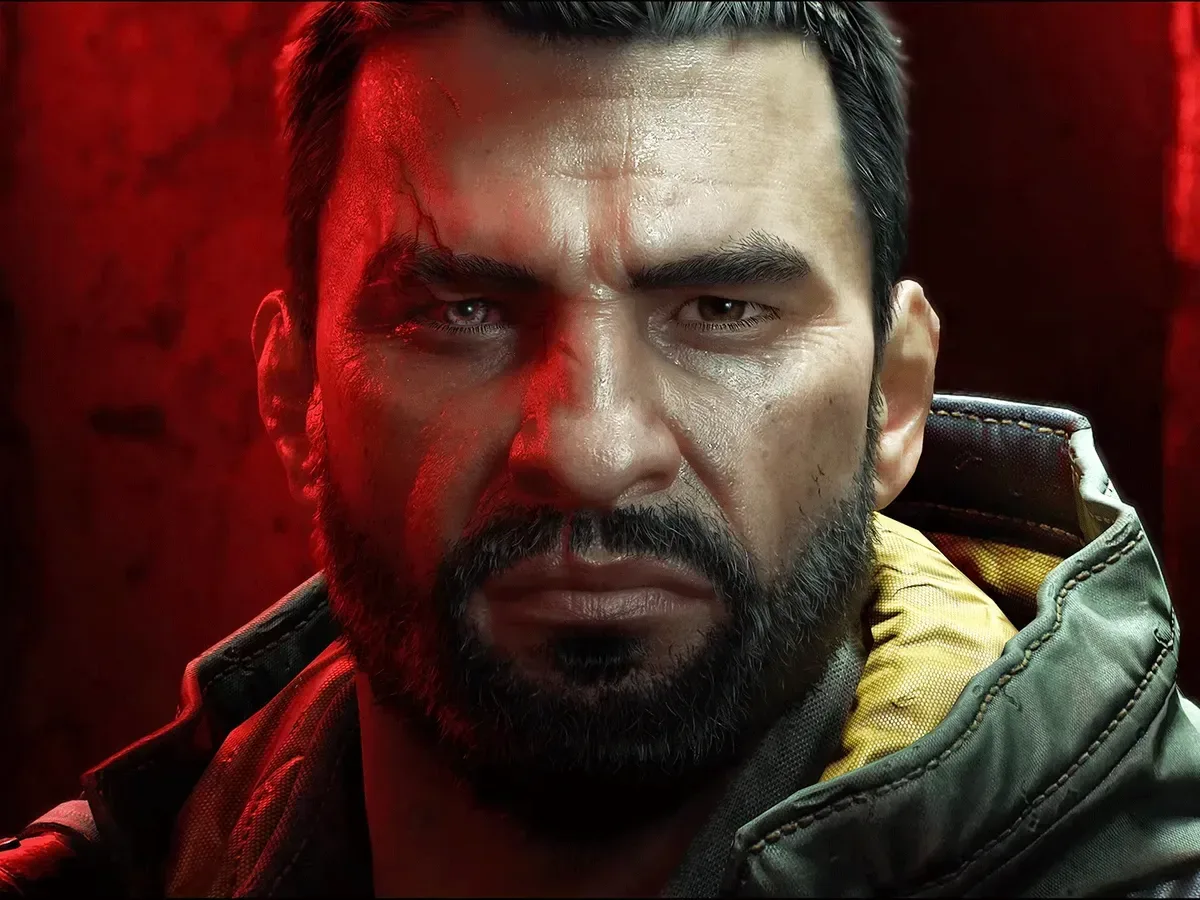
Techland has drawn a clear line under major post-launch additions for Dying Light: The Beast. In a fan Q&A held on Discord, founder and CEO Paweł Marchewka said the zombie parkour game was designed as a complete, self-contained release rather than a title intended for years of substantial new content.
The distinction matters. Ending plans for major additions does not change the game already available to players, nor does it erase the free work Techland has added since launch. But it does set expectations for anyone waiting for another large update, a continuing stream of weapons, or a longer-term roadmap: Marchewka said there are no plans for substantial new content.
The Beast arrived as a standalone game after originally being positioned as an expansion for Dying Light 2. Its recent Restored Land update was a notable final addition, giving players the ability to clear zombies across the map and restore civilization to the setting. Techland also released free updates that included new weapons over the past year.
A complete game, rather than a long-running platform
Marchewka characterized The Beast as a finished experience from the outset and compared the intended way to approach it with the current status of the original Dying Light. Put simply, the game is not being framed as unfinished because large-scale additions are stopping. It is being framed as a product with a defined endpoint.
That language is especially important in a market where “support” can mean several different things. It may refer to:
- Substantial content: new areas, systems, modes, story material, or major gameplay expansions.
- Free updates: additions such as weapons or other player-facing content released after launch.
- Maintenance: the continuing technical work needed to keep a game functioning, which is not necessarily the same as a commitment to deliver new features.
Techland’s stated decision concerns substantial new content. Players should therefore avoid reading the news as a promise of further major updates, while also avoiding assumptions beyond what has been said about every possible form of technical maintenance. The concrete message is narrower and more useful: The Beast should be treated as a complete game, not a continuously expanding service.
Restored Land stands as a major late addition
The timing makes the Restored Land update stand out. Its premise allowed players to push back the zombie population across the map and bring civilization back into the world, making it more than a simple equipment drop. It supplied a world-level goal and a way for players to affect the state of the setting.
With major content now off the table, that update takes on added significance as a capstone to the game’s post-launch period. Players who already own The Beast can view it as part of the completed package rather than the opening step in a newly announced long-term content cycle. Prospective players can make their decision on the basis of the existing game and its released updates, rather than on an expectation that a future expansion plan will fill out the experience.
Related coverage includes Dying Light: The Beast Ends Major Update Support as Techland Shifts Focus.
That is a practical expectation-setting exercise, but it is also a reminder that post-launch support is not one universal model. A self-contained game can receive meaningful free additions and still have a planned end to major development. In this case, Techland says it did not commit to a long-running support model for The Beast, even though it released substantial free material after launch.
Why Techland is stepping back from the five-year model
Marchewka said Techland’s hoped-for five-year support approach has not worked as well as expected. His explanation focused on the tension between maintaining several released games and building the studio’s next projects.
Long-term support can sound straightforward from the player side: keep a smaller team on an existing game, ship frequent updates, and let the larger group work on something new. Marchewka’s comments argue that the division is less clean in practice. Supporting games for years can disrupt production on future projects, even when the teams involved are smaller.
There is a second pressure point: player expectations. Marchewka noted that audiences often expect frequent, substantial, high-quality updates, potentially several in a month, and usually without an additional charge. That creates a difficult production target. Updates need people, time, coordination and quality assurance, while a studio also needs staff and attention for its next game. If the available resources are limited, a developer can slow new work and still leave live-game players dissatisfied with the cadence or scope of updates.
This is not a claim that free updates are unimportant. The updates already delivered for The Beast show that Techland did provide them. Instead, the studio’s position is that it cannot sustainably promise a broad, multi-year stream of major additions for every release while pursuing ambitious new games. The company wants to focus its AAA development effort on making each new project an “unforgettable experience” and pushing its work forward.
What “AAA studio” means in this context
Here, “AAA” is not a specific genre or a guarantee about a game’s size. It is Techland’s description of the scale and ambition at which it wants to operate. Marchewka used the term while explaining a resource-allocation problem: a studio building large new projects can find prolonged support obligations pulling against the work required for its next major release.
For players, the immediate implication is not that every Techland game will receive the same treatment as The Beast. It is that future expectations should be based on each game’s announced plan, rather than an assumption that every release will follow a five-year model. A title can be supported after launch, as The Beast was, without being promised indefinite or expansive content growth.
Dying Light 2 remains the ongoing focus
Techland is not leaving the wider series behind. The studio will continue supporting Dying Light 2, where it has a larger team working on updates than the original Dying Light ever had. That makes Dying Light 2 the active long-term branch of the franchise based on the information currently shared, while The Beast moves into its completed phase.
The contrast between the two games is useful for players deciding where to place their expectations. The Beast is now a bounded, standalone experience with its released update history. Dying Light 2 remains the game Techland explicitly says it is continuing to update. Neither description needs to be treated as a judgment on the other; they reflect different development commitments.
There is also a wider industry context to Techland’s decision. Studios must choose whether to concentrate talent on post-launch work, a next release, or a mixture of both. In Techland’s case, Marchewka has been unusually direct about the downside of spreading those resources across years of free, frequent, high-quality updates. That frankness gives players a more reliable basis for interpreting the end of major The Beast additions.
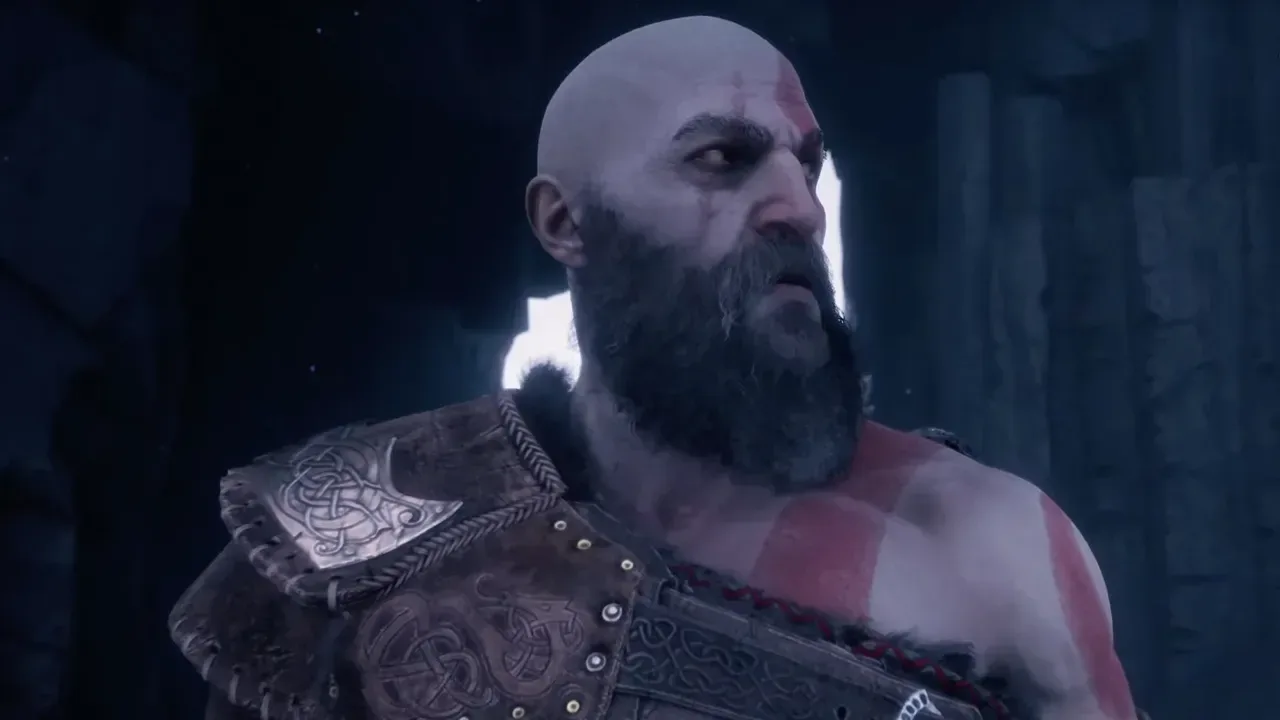
It is a conversation that also follows other notable PlayStation-adjacent development stories, including Santa Monica Studio’s account of how Kratos nearly received a very different name. The common thread is not the games themselves, but the creative and production decisions that shape what players eventually receive.
What remains unknown
Techland has not revealed what it will make next. Its planned fantasy RPG project was canceled last year, leaving the studio’s next announced direction unclear. The Xbox One and PlayStation 4 editions of Dying Light: The Beast were also canceled earlier this year.
Those facts make it especially important not to turn the end of substantial The Beast support into unsupported predictions about a sequel, a new franchise, or a revised release strategy. The confirmed position is more limited: Techland has ended plans for major new content for The Beast, will keep supporting Dying Light 2, and has not identified its next project.
For The Beast players, the most straightforward takeaway is also the one Techland intends: play it as a complete standalone game. The Restored Land update, weapons and other free updates are part of what the game is now. Major future additions are not.