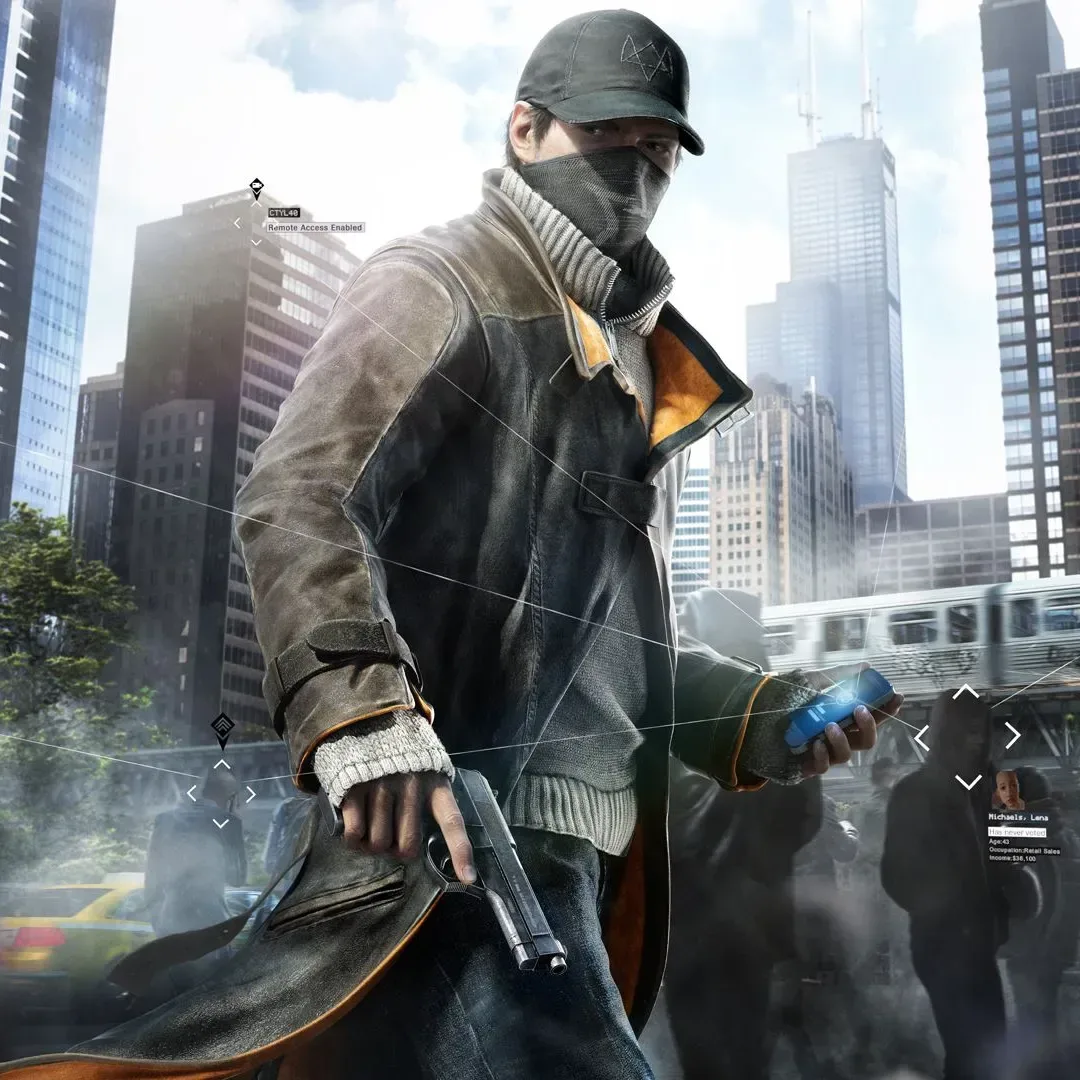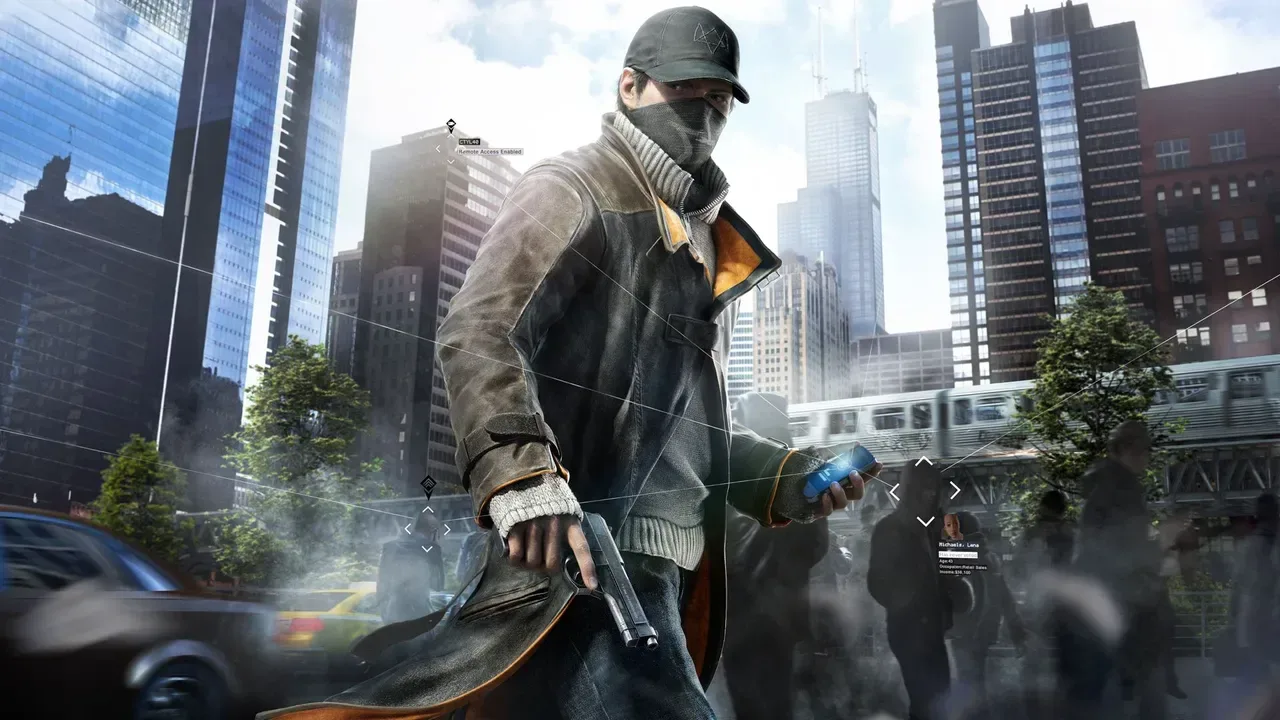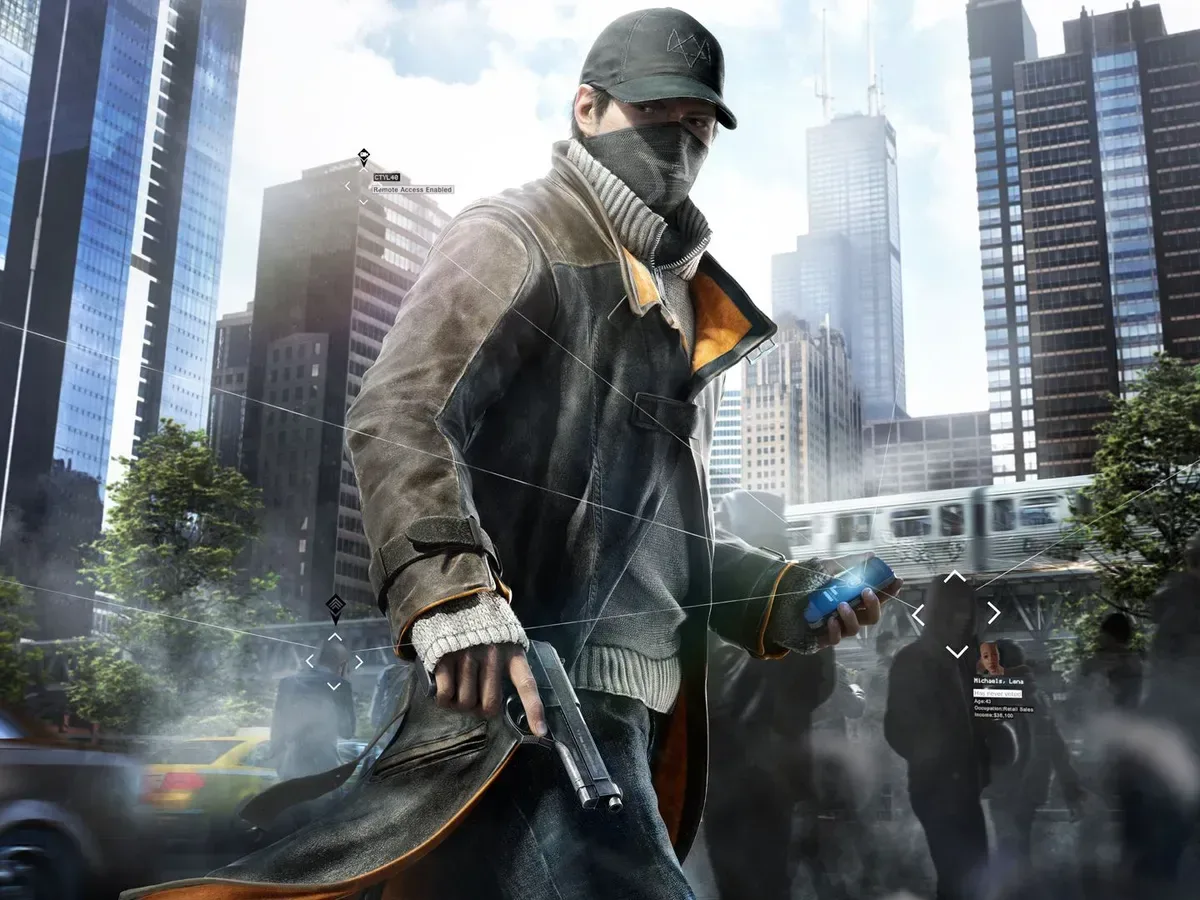
Watch Dogs has not been written out of Ubisoft’s plans, but fans waiting for a fourth mainline game should temper their expectations. Ubisoft CEO Yves Guillemot has described the hacking-focused open-world series as an “important brand for the future” when questioned by an investor. At the same time, his comments indicated that there may be no Watch Dogs game currently in active development.
That is an important distinction. Calling an IP—short for intellectual property—important means a company still sees value in its name, setting, ideas, or potential uses across games and other media. It is not the same as confirming a greenlit sequel, naming a studio, or providing a release window. Based on the available comments, Watch Dogs seems to occupy the former category: valued, but not presently attached to a publicly evident new game project.
For a series built around surveillance, digital intrusion and the ability to manipulate a city’s connected systems, the silence is fitting in the least enjoyable way possible. There is no identified next game, no announced development team and no indication that players should expect a return within the next few years.
What Ubisoft’s wording does—and does not—tell us
Corporate comments about established franchises often invite more certainty than they actually provide. “Important” is meaningful because it rules out the idea that Ubisoft sees Watch Dogs as irrelevant. But it does not establish what form a return would take.
- It suggests: Ubisoft continues to view Watch Dogs as a brand with future value.
- It does not confirm: a Watch Dogs 4 announcement, a release date, a developer, platforms, a setting, or a particular lead character.
- It also does not promise: that the next use of the brand will be a conventional open-world game.
The reported implication that no Watch Dogs title is in active development matters more than optimistic readings of the word “future.” Game development takes time, particularly for a large open-world production. If there is no active game now, that leaves a substantial gap between the franchise’s current status and any eventual release. It also means speculation about gameplay systems, locations, playable protagonists, or a potential Legion-style recruitment mechanic is just that: speculation.
For players, the practical answer is simple. Do not read this as a near-term teaser campaign. There is no current basis to expect an imminent reveal, and there is even less basis to expect a launch soon after one.
A series with big systems and an uneven path
The original Watch Dogs arrived in 2014 after initially being intended to launch alongside PlayStation 4 in November 2013. Ubisoft positioned the game in the same broad open-world crime space as Grand Theft Auto V, which had released in September 2013. That comparison was unavoidable: both games offered urban environments, driving, criminal activity and player freedom, even if Watch Dogs placed technology and surveillance at the center of its identity.
Its core hook was the fantasy of using a connected city as a tool. Rather than merely moving through streets and buildings, players could interfere with systems around them. That premise gave Watch Dogs a clearer technological angle than the typical open-world crime game, even though many players felt the original did not fully reach its ambitions.
Related coverage includes Ubisoft Calls Watch Dogs Important, but No New Game Appears to Be in Development.
Ubisoft followed it two years later with a sequel set in San Francisco. The second game was viewed more positively in the supplied account, but the franchise did not maintain that momentum with its third major release.
Watch Dogs: Legion, released in 2020, pushed toward a particularly ambitious concept: the ability to control any NPC, or non-player character, in the game world. In broad design terms, that kind of system aims to make a city feel less like a backdrop populated by disposable extras and more like a pool of potential protagonists. It is a huge promise, because it affects character design, story presentation, voice work and player choice all at once.
Legion received a generally mixed response from fans. The mixed reception does not erase the ambition of its central idea, but it helps explain why the series has remained surrounded by uncertainty since 2020. A future Watch Dogs project would face a difficult balancing act: preserve the distinct connected-city identity that separated the series from rivals, while finding a structure that can support its ideas more consistently.
The GTA 6 problem is really a positioning problem
The current context makes a Watch Dogs revival harder to define. Grand Theft Auto 6 is set for November and is expected to reshape the conversation around the open-world crime genre. That does not mean another Watch Dogs game cannot exist. It means Ubisoft would likely need a compelling reason for audiences to see it as more than an alternative version of something else.
Watch Dogs has a foundation for that differentiation: hacking, surveillance and digital control have always been more central to its premise than they are to the broad Grand Theft Auto formula. But a future entry would need to make that identity immediately legible in its systems and its world, not simply in its branding. The question is not whether Ubisoft can make a city with cars and missions. It is how a new Watch Dogs could make players feel that its city operates according to a different logic.
That is particularly relevant after Legion’s attempt to make virtually everyone playable. The concept was memorable, but a future project could conceivably approach player agency, character ownership and story differently. Nothing in Ubisoft’s remarks specifies such a direction, however, so fans should not mistake a design possibility for a reported plan.
The looming launch of Rockstar’s next game gives the genre a larger competitive shadow, while Ubisoft’s own statement leaves Watch Dogs without a concrete announced counterpoint. For more on the conversation around GTA 6’s narrative direction, see our report on comments about Jason and military service.
The Watch Dogs film remains a separate question
There is still one known Watch Dogs project beyond the games: a film adaptation. Production on the movie wrapped two years ago, and it underwent reshoots last year. Reshoots are additional filming performed after principal production; by themselves, they do not establish whether a movie is in trouble or whether it has been substantially changed. They are simply another stage of production work.
What is clear is that the movie has not yet been given a release date and has not received meaningful promotion. That makes it difficult to treat the film as evidence of an imminent wider Watch Dogs revival. A completed production and a released marketing campaign are very different things, and the latter has not materialized here.
Still, the movie’s existence reinforces the narrow but meaningful point in Guillemot’s comments: Ubisoft has not abandoned the brand outright. A film can keep a property visible or introduce it to a different audience, but no release timing or connection to a potential future game has been established.
What fans should take from this update
There are two truths to hold at the same time. First, Ubisoft considers Watch Dogs important enough to mention as part of its future. Second, the available information points away from a new game arriving anytime soon.
The first point leaves room for eventual news. The second is the more useful expectation-setting detail today. Until Ubisoft identifies a project and says what it is, Watch Dogs remains a significant but dormant part of the company’s catalogue: a series with a recognizable technological premise, a mixed recent history, and an uncertain route back into a genre about to become even more crowded.