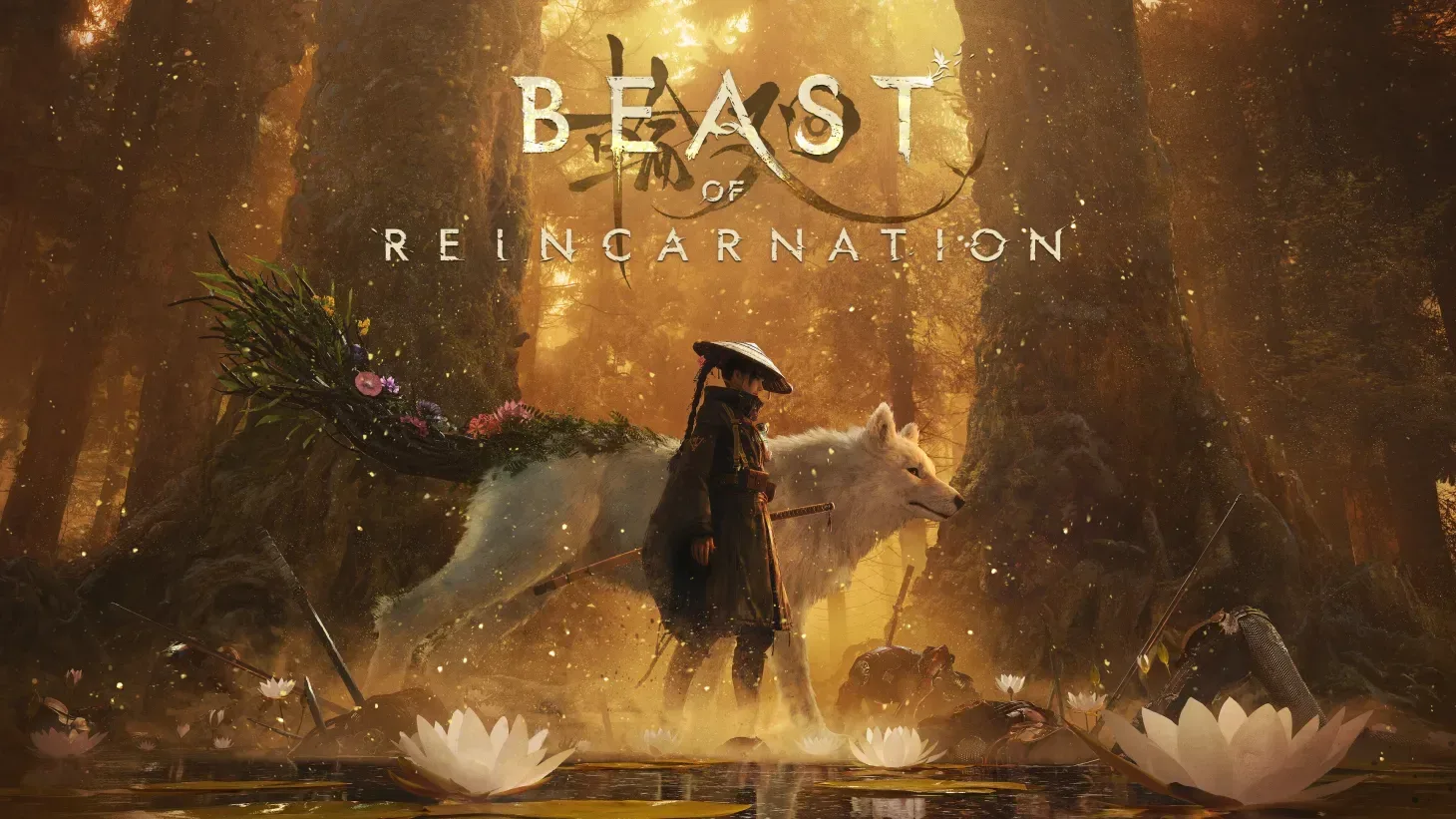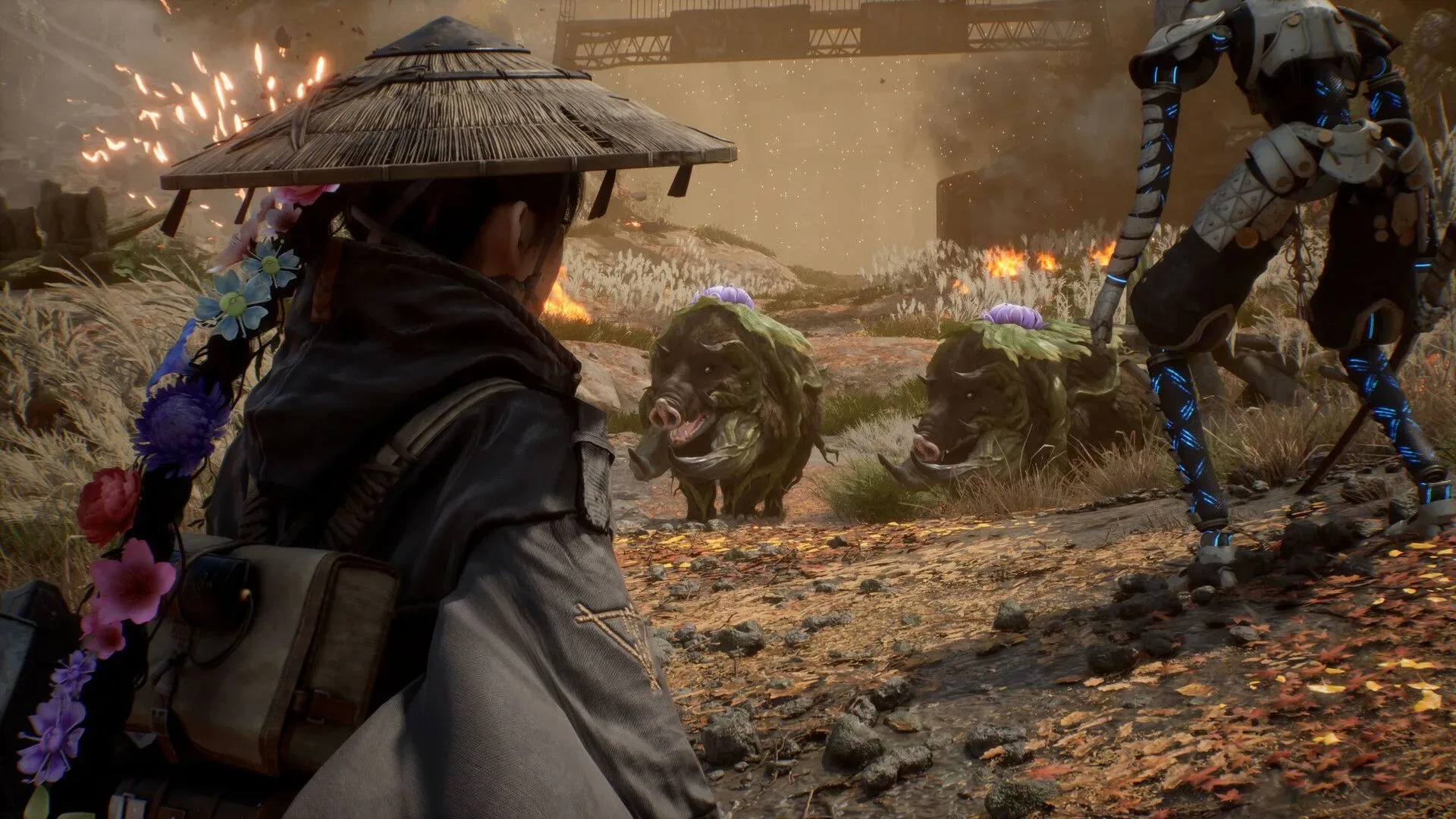
Game Freak is preparing to wind down the major post-launch update cycle for Beast of Reincarnation, its recently released action RPG. The studio has indicated that its next planned patch, scheduled for October 19, will be the point after which players should no longer expect frequent updates or major patches.
The message thanks players for spending time with the game and leaves room for players to continue sending important feedback. But its practical meaning is clear: the regular cadence of substantive post-launch fixes is nearing its end, despite Beast of Reincarnation having launched only in August.
There is an important distinction in that wording. A wind-down of “frequent” updates and “major” patches does not necessarily mean a game is being removed from sale, that servers are being shut down, or that every future fix has been ruled out. None of those outcomes were stated. It does mean, however, that players should not count on a long stream of broad balance passes, feature-scale changes, or recurring large fixes after the October 19 release.
What Game Freak has said
The studio’s post was shared in Japanese and has been read through machine translation tools, so the precise nuance should be treated carefully. The central points are nevertheless consistent: Game Freak expressed appreciation to the community, identified October 19 as the date of its next planned update, and said the game’s post-release update phase is coming to a close.
Players can still submit feedback, particularly on pressing issues. That is a meaningful qualifier, but it is not a commitment to act on every report or to continue the sort of regular patching that has followed the game’s launch. Studios often retain channels for bug reports after a major support phase ends; it lets them monitor serious problems even when a development team’s priorities have shifted.
Game Freak did not give a reason for the decision. As a result, claims that it was caused by review scores, sales, staffing, a new project, or any other specific factor would be speculation. The update announcement establishes the change in support plans, not the business or development reasoning behind it.
A difficult opening for the action RPG
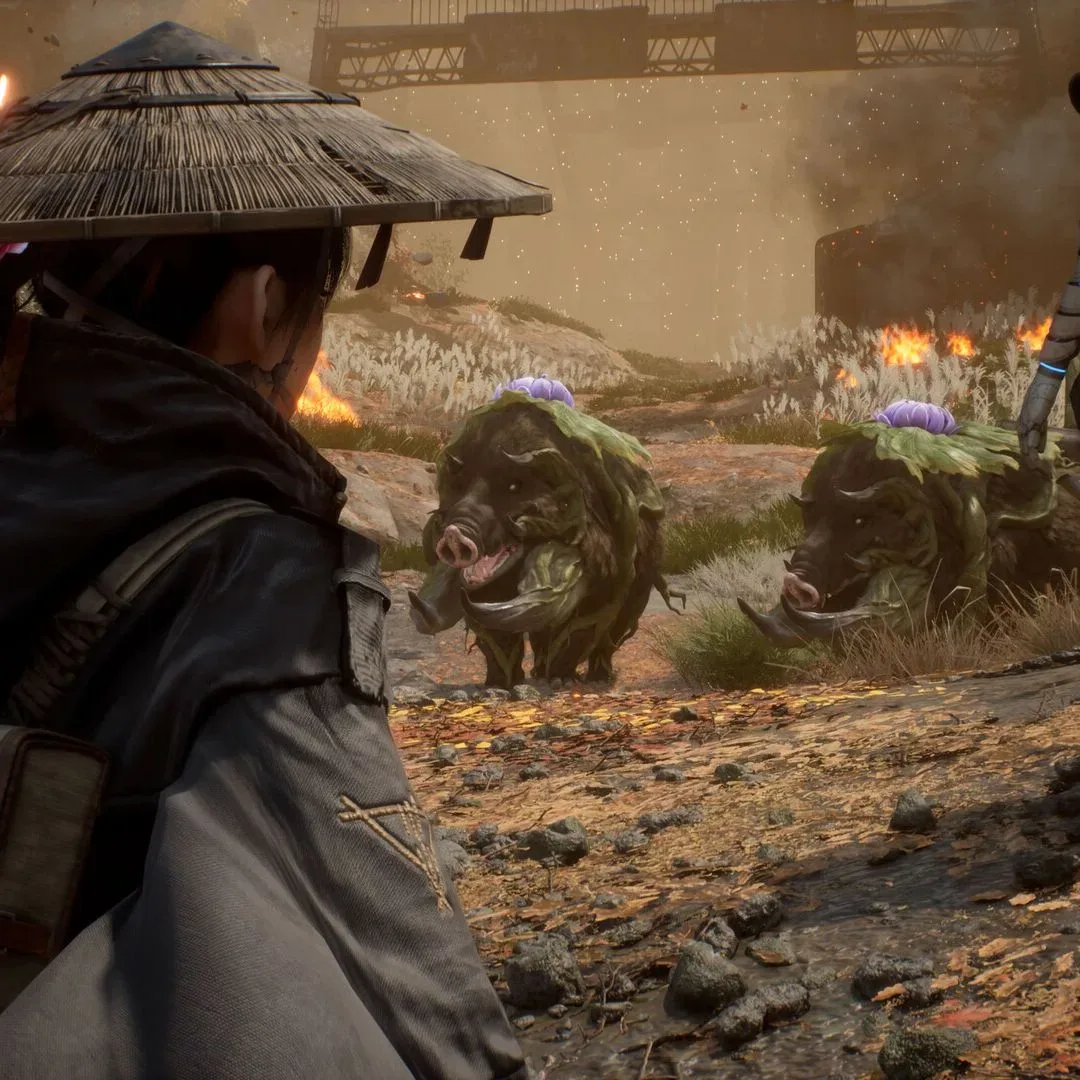
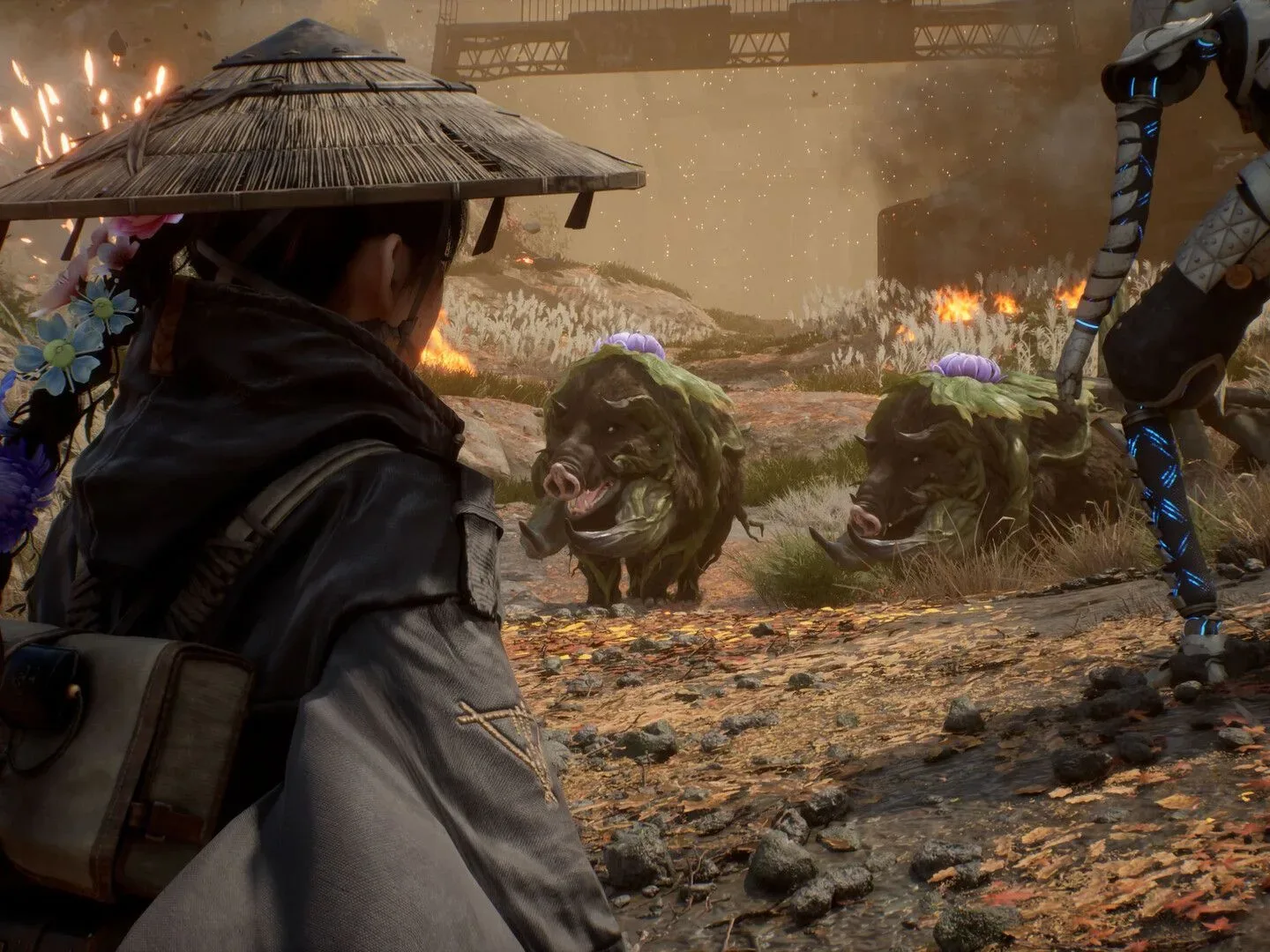
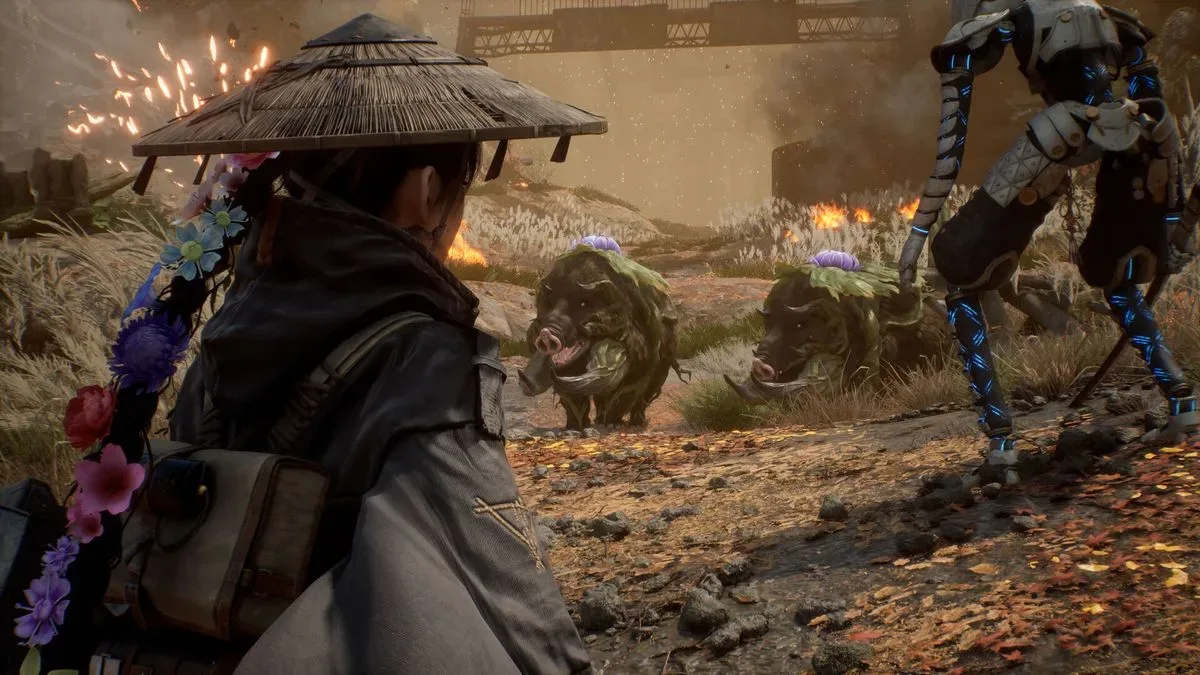
Beast of Reincarnation arrived with a shaky reception. Its director publicly apologized, saying the game had not delivered an adequately enjoyable experience for players. Criticism focused especially on combat that players found awkward and on the pacing of the story.
Those are especially consequential concerns for an action RPG. The term action RPG generally describes a role-playing game where the player’s timing, positioning, movement and direct inputs matter in real time, rather than being resolved chiefly through menu selections or turn order. If the combat’s responsiveness or flow feels wrong, the problem is felt repeatedly across the experience. Story pacing, meanwhile, shapes the rhythm between combat encounters, character development and progression, meaning it can affect how the entire campaign is perceived.
Related coverage includes Game Freak to Wind Down Major Beast of Reincarnation Updates After October 19 Patch.
Game Freak issued multiple updates following launch and had said it intended to address areas that players raised. The most recent patch work reportedly tackled several prominent complaints. That matters because post-launch patches can improve a game materially: they may correct bugs, refine controls, adjust difficulty or rebalance systems. Still, patches cannot guarantee that a game’s overall public reputation changes at the same speed as its technical condition.
What the Steam feedback suggests—and what it does not
The game currently carries a “Mixed” overall user-review designation on Steam. When reviews are filtered to more recent feedback, the designation is “Mostly Positive.” That split suggests that newer player responses have been more favorable than the overall accumulated record.
Steam’s labels are summary categories based on user reviews. An overall label reflects the full pool of relevant feedback, while a recent label isolates a more current slice. Seeing “Mostly Positive” in the recent view can indicate that patches or changing expectations have improved the tone of feedback. It does not erase the earlier reviews that continue to shape the overall result, nor does it establish why Game Freak has chosen to reduce major updates.
That difference is useful for anyone deciding whether to play now. The overall rating is a broader snapshot of the game’s reception since release. Recent feedback may be more useful for understanding the version currently available, particularly after a series of patches. Neither label, on its own, tells a player which issues matter most to them, so reading recent written reviews remains more informative than relying only on a single aggregate category.
What players should expect from the October 19 patch
For existing players, October 19 is now the most important confirmed date in the game’s support schedule. It is the final planned patch before the stated reduction in frequent and major updates. Anyone holding off in anticipation of further broad improvements should view that patch as the clearest near-term milestone, rather than assume that another large cycle of changes will follow.
- Active players: Check the patch notes once they are available and see whether the listed changes address the issues affecting your playthrough.
- Prospective players: Consider recent written Steam feedback alongside the overall “Mixed” label, since the game has received several updates since launch.
- Players with serious problems: Continue to use the available feedback channels, as Game Freak has said that pressing reports can still be shared.
- Players waiting for major redesigns: Keep expectations measured. The announcement specifically signals fewer frequent updates and no expectation of continued major patches.
The timing also puts a sharper focus on the game’s final planned update. A patch can be important without being a wholesale reinvention; its value will depend on the exact changes Game Freak details. Until those notes are published, it is not possible to say which complaints will be addressed, if any remain unresolved, or whether the patch will affect the game’s reception further.
Why the wording matters
There is a difference between ending major update work and ending all support. The former normally points to a game reaching a maintenance stage, where only exceptional issues may warrant attention. The latter would be a much stronger statement, and Game Freak has not made it here.
Likewise, the studio has not said that player feedback is no longer welcome. Keeping that line open may matter for issues that are severe enough to deserve attention even after the regular patch cycle is scaled back. But players should avoid reading that invitation as a promise of future feature additions, extensive reworks or a guaranteed fix for every report.
For Game Freak, the decision closes a short but conspicuous post-launch chapter for a new property from the Pokémon developer. For players, it establishes a more limited outlook: one confirmed October 19 patch, continued ability to flag urgent concerns, and no stated plan for frequent or major updates thereafter. The broader Nintendo game-news calendar continues to move quickly as well, including reports around new Ocarina of Time remake trailer footage, but there is no stated connection between that separate story and Game Freak’s support plans.
Until Game Freak provides more detail, the most responsible reading is the narrow one: Beast of Reincarnation is not necessarily finished in every possible sense, but its era of regular, substantial post-launch patching is set to end after the next planned update.