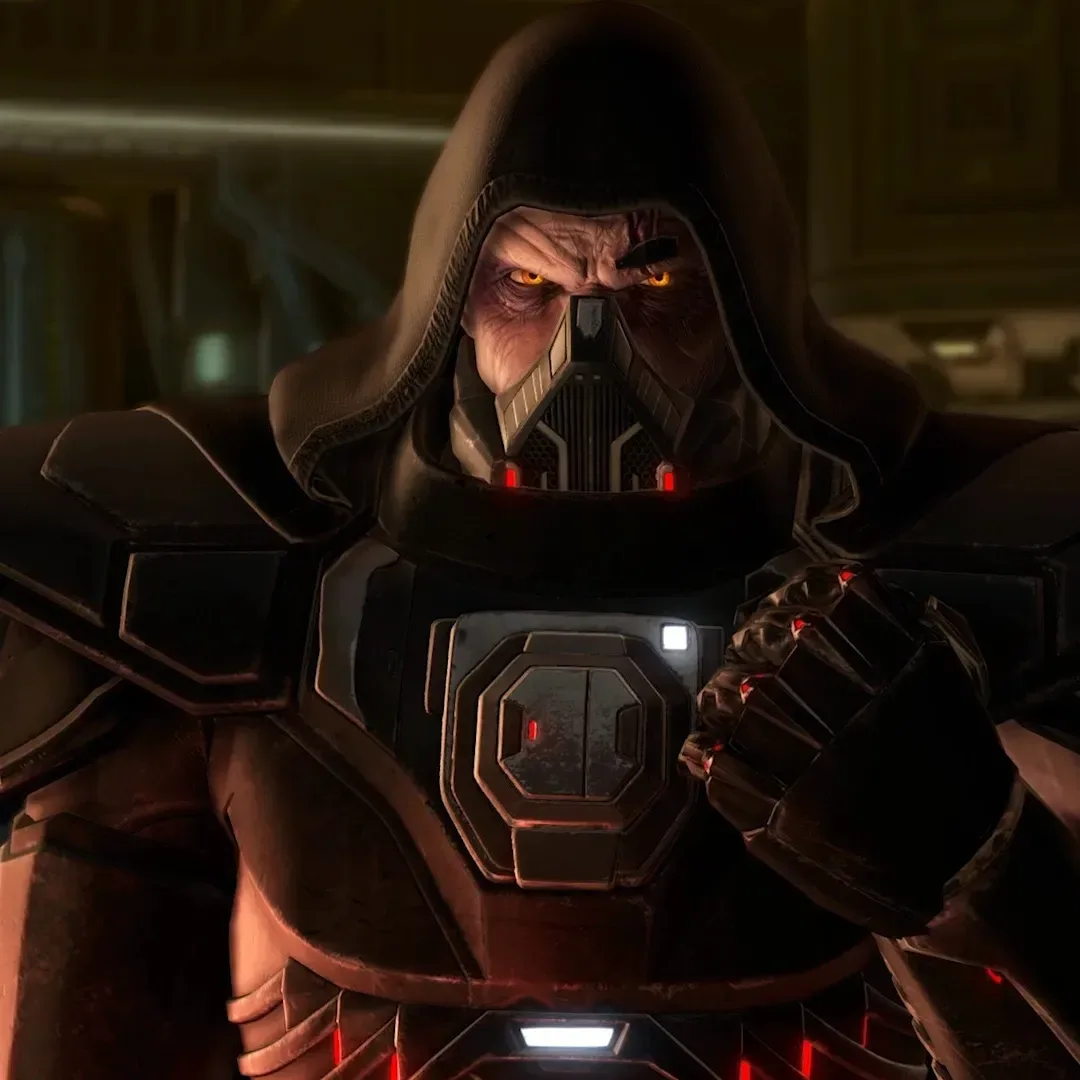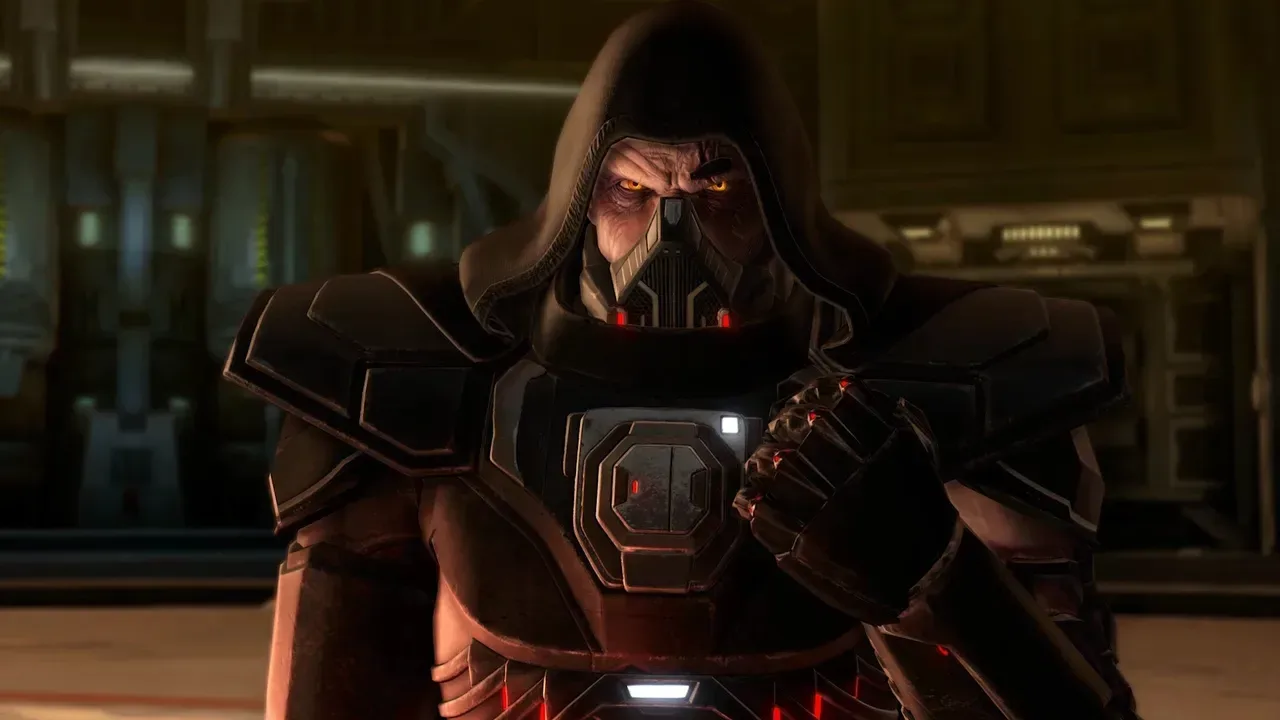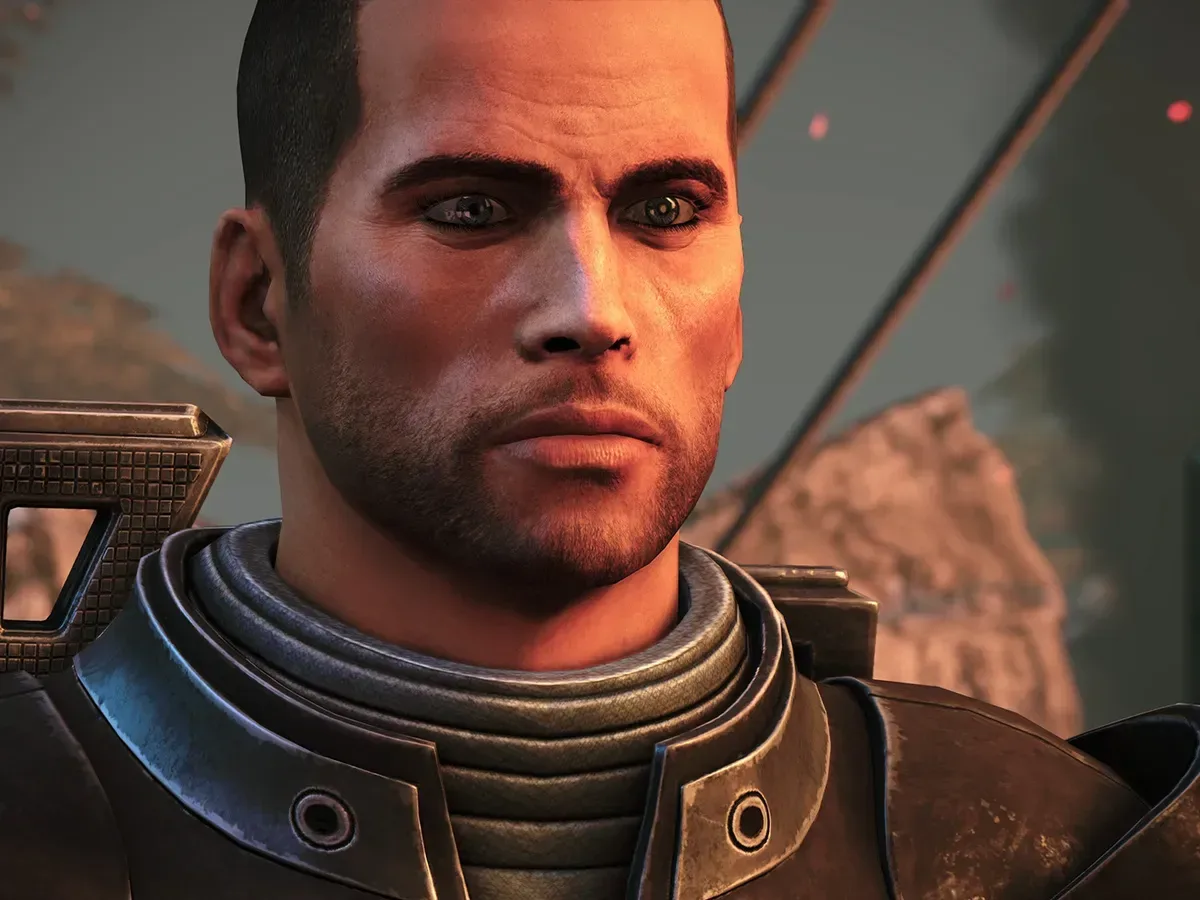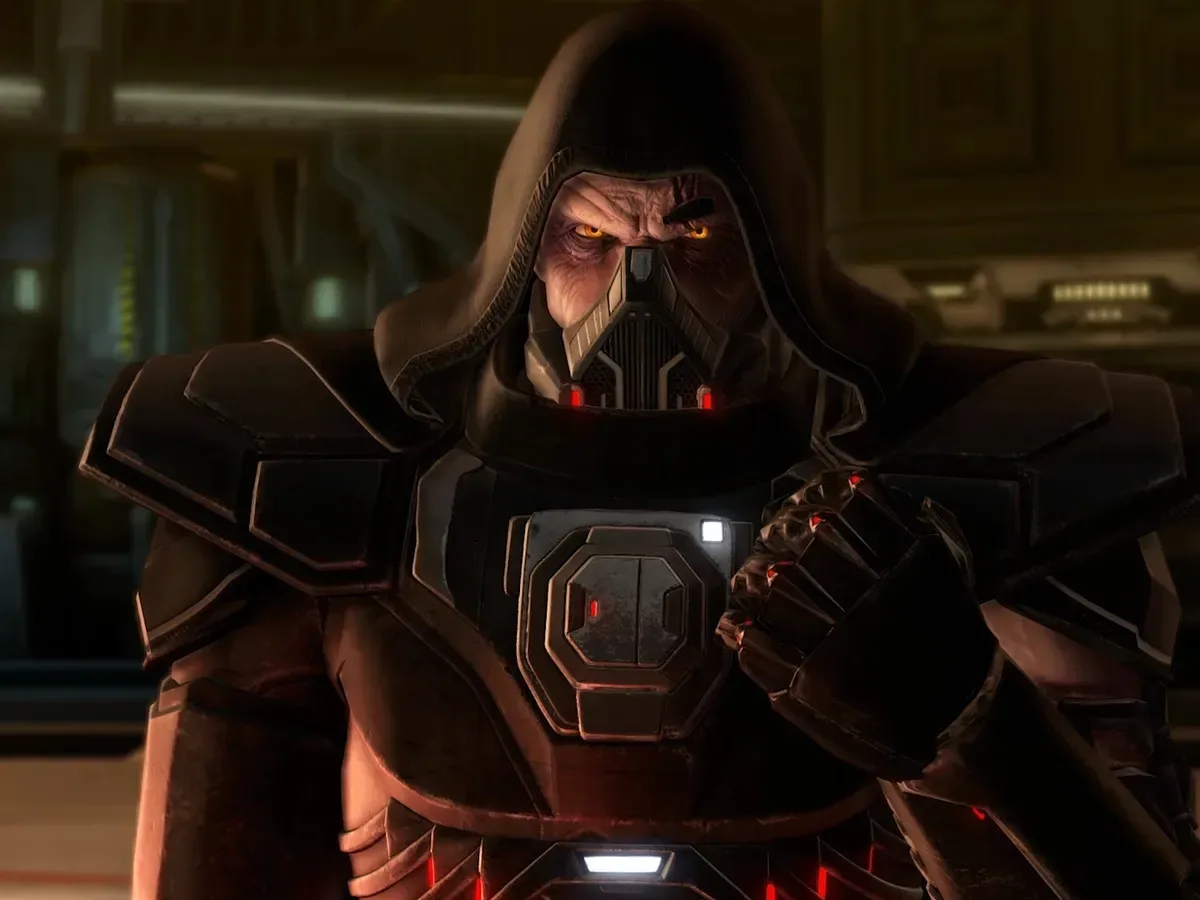
For Star Wars: The Old Republic players, the closure of BioWare lands differently than a standard piece of studio news. The MMO is still running, but much of the game’s identity—particularly its substantial narrative material—was created by the developer now being mourned by its community.
That tension has become the defining reaction among SWTOR fans: grief for a formative RPG studio, appreciation for the stories it left inside the game, and relief that the online world itself has not gone dark. BioWare originally developed The Old Republic, which launched in 2011, and supported it until 2023. EA then put Broadsword Games in charge of maintaining the MMO.
In a highly upvoted discussion thread built around BioWare’s farewell statement, players shared memories of the studio’s broader RPG catalog while also confronting a surreal fact: SWTOR has outlasted the team that made it. One of the most prominent replies summed up the feeling bluntly: “SWTOR outlives Bioware. What a strange timeline.”
An MMO can continue after its original developer leaves
It is important to separate two connected, but different, questions here: whether a game is still operational and whether its original creative steward is still making it. SWTOR’s move to Broadsword in 2023 means those things had already diverged years before BioWare’s closure.
An MMO, or massively multiplayer online game, is built around a persistent service rather than a self-contained ending. Its continued operation depends on maintenance: keeping the game available, supporting its player community, and managing the ongoing live service. In this case, Broadsword has been responsible for that role since the transition.
For players, that distinction offers a measure of reassurance. The news does not mean SWTOR has suddenly stopped existing. The game remains live, and the body of BioWare-created content remains part of it. At the same time, the studio closure inevitably changes how fans look at that library. What was once a continuing expression of an active developer’s work now reads more like a lasting archive of that developer’s contribution to Star Wars role-playing.
That is why comments in the community have mixed sadness with gratitude for Broadsword’s stewardship. One player said they had initially been upset by BioWare handing the game over, but no longer felt that way. Another thanked Broadsword for ensuring an already bad day had not become dramatically worse.
The reaction is not necessarily a statement that the transition resolves every question fans may have about the game’s future. It is a recognition of the immediate practical reality: the MMO survived the shift, and the people who have invested in its characters, storylines and community still have a place to return to.
Related coverage includes Star Wars: The Old Republic Community Honors BioWare After Studio Closure.
Why BioWare’s name matters so much to SWTOR
The Old Republic was never only a Star Wars destination built around the basic appeal of lightsabers, spacecraft and galactic factions. Its standing with many players has been closely tied to BioWare’s reputation for RPG storytelling. The supplied community response repeatedly returns to that legacy: players remember the studio not simply as a company attached to one MMO, but as a creator associated with Knights of the Old Republic, Mass Effect, Dragon Age and Jade Empire.
That context matters because an RPG, or role-playing game, is often valued for the player’s relationship with characters, worldbuilding and narrative choices as much as for moment-to-moment combat or progression systems. SWTOR brought that expectation into an online format. The result was a game that could supply the social and persistent-world dimensions of an MMO while carrying a major load of authored story content.
The community’s mourning therefore is also about authorship. Players are revisiting the idea that a great deal of SWTOR’s story was written and developed by BioWare. Hundreds of hours of that work remain playable, but BioWare itself can no longer continue it as an active studio.
One response praised BioWare as among the greatest studios in games while lamenting what the poster saw as a decline brought about by corporate mismanagement and time. Another fan offered an all-caps thank-you to BioWare, naming several of its best-known series and arguing that Jade Empire deserved more attention. These are personal opinions, not a complete accounting of the studio’s history, but they clarify the scope of the loss fans feel. They are mourning a distinctive lineage of games and a particular approach to big-budget role-playing.
The odd permanence of online game stories
There is a harsh irony in an ongoing game becoming a memorial to its original developer. A live online world is generally discussed in terms of what is next: the next update, story beat, balance change or community event. BioWare’s closure shifts part of SWTOR’s meaning toward what has already been made.
For longtime players, replaying an earlier story may now carry the weight of revisiting a finished body of work. For newcomers, the game may become a route into a large collection of BioWare storytelling that is still accessible in its original online home. Neither perspective changes the game’s mechanics, but both change the cultural context in which it is played.
That does not turn SWTOR into a frozen artifact. Broadsword’s maintenance means it remains a living service rather than a museum piece. But its relationship to BioWare’s legacy is now less abstract. The MMO is one of the places where players can directly encounter the studio’s work in an ongoing form.
It also illustrates why preservation conversations around online games can be complicated. A game’s code and servers are essential, but so is the creative history embedded in its quests, performances, writing and player memories. In SWTOR’s case, keeping the MMO available preserves access to a major portion of a studio’s work at the same time that it supports an active player base.
What the immediate news does—and does not—say for SWTOR players
The clearest point is that SWTOR remains available under Broadsword Games. BioWare supported the MMO through 2023; Broadsword has handled maintenance since then. The community response shows that this prior change is now being interpreted as a fortunate safeguard against a more immediate shutdown scenario.
Players should be careful not to stretch that fact into claims that have not been established. The available information does not detail future SWTOR content plans, changes to operations, or any new roadmap arising from BioWare’s closure. It only supports the conclusion that the game continues for now under the company already responsible for maintaining it.
That uncertainty is familiar territory for any live-service community, but it is especially charged when the developer most associated with the game’s creation is gone. The sensible takeaway is not to assume either an imminent ending or a guaranteed long-term future. Instead, it is to recognize the present arrangement: SWTOR’s operational life and BioWare’s creative legacy are now linked, but they are no longer managed by the same studio.
A community holding two ideas at once
The SWTOR response is notable because it holds mourning and relief together without pretending they cancel each other out. Fans can be devastated by BioWare’s closure, angry about the circumstances as they see them, proud of the studio’s RPG output and thankful that Broadsword is keeping their MMO online.
That combination is the real story behind the thousands of upvotes and hundreds of comments surrounding the farewell message. The Old Republic community is not merely reacting to business news. It is responding to the end of a creative institution that helped define the game’s narrative voice, while looking at an online world that remains available despite that ending.
For now, the game’s future is not BioWare’s future. Yet every return to its accumulated story content is also a return to work the studio made. SWTOR’s continued existence has become, in a very direct sense, part of how players are paying their respects.
BioWare’s closure also arrives during a period of conspicuous change across EA’s portfolio; the company recently paused Project Lotus while shifting Sims development attention to Project Evergreen. That separate restructuring decision does not explain SWTOR’s situation, but it underscores why communities are watching publisher and studio changes so closely.