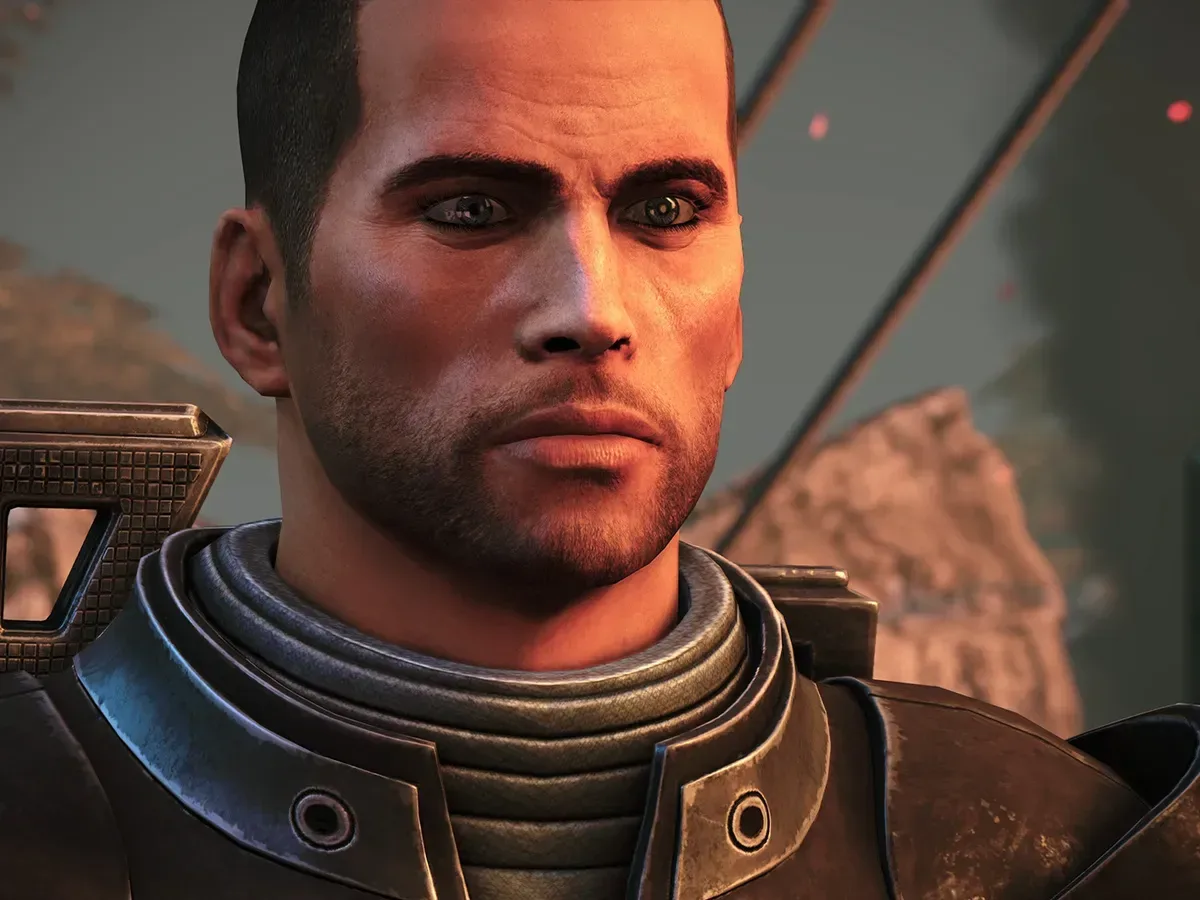
BioWare’s closure, alongside the cancellation of the next Mass Effect, has triggered an outpouring of grief from across games development. The response is not limited to fans remembering favorite characters or long-running series. Developers, former staff and peers from studios across the industry have described BioWare as a creative influence, a workplace that trained people who remain active elsewhere, and a company whose role in modern role-playing games will be difficult to separate from the people now facing upheaval.
That distinction matters. A studio name can disappear in a corporate decision, but its work, methods and former employees do not vanish at the same instant. Still, closure means the loss of a particular place where teams, technical experience and creative traditions had been gathered. For many of those responding publicly, that is what makes this news feel bigger than the end of one label.
Michael Gamble, a longtime BioWare director and 17-year veteran of the studio, thanked people for their support after sharing the news. His message set the tone for a succession of responses that focused both on the personal consequences for staff and on the studio’s influence.
RPG creators describe a formative influence
Paweł Sasko, known for work at CD Projekt Red on Cyberpunk 2077 and The Witcher, pointed specifically to Baldur’s Gate and Baldur’s Gate II. He said the two games shaped his imagination and his ambition to make games, crediting BioWare with igniting and sustaining that creative impulse.
That is a particularly revealing tribute because it speaks to influence at more than one level. A game can be successful as entertainment, but a formative game also changes what players and future developers believe games can attempt. RPGs ask audiences to invest in worlds, characters and choices over substantial stretches of time. When a developer says a game helped lead them into the medium professionally, they are describing a legacy that reaches beyond sales, sequels or even a single genre.
Michał Nowakowski, CD Projekt Red’s co-CEO, described a more direct connection between the companies. He said BioWare was a major part of CD Projekt Red’s history, beginning when CD Projekt Red localized and sold the Baldur’s Gate games in Poland, the Czech Republic and Slovakia. He also said BioWare later lent its engine for the first Witcher, shared knowledge, and gave CD Projekt Red space at its E3 booth.
In game development, an engine is the foundational technology used to build and run a game. It can handle systems such as rendering, tools, assets and other underlying functions. Access to an established engine, particularly paired with technical advice, can be a meaningful form of support for a growing developer. Nowakowski’s account therefore frames BioWare’s impact not only as artistic inspiration but as practical assistance that helped another major RPG maker develop its footing.
Gamble replied simply that BioWare had always been fans of CD Projekt Red. The exchange offers a reminder that studios are not isolated brands competing only from a distance. People meet, share tools and knowledge, collaborate around publishing or localization, and carry those relationships through an industry that can appear much larger from the outside than it feels to those working in it.
Related coverage includes BioWare Closure Sparks Industry-Wide Tributes From RPG Creators and Former Developers.
What the tributes say about BioWare’s reach
Brian Fargo, who leads inXile Entertainment, also looked back to BioWare’s earlier trajectory. Recalling its time on Shattered Steel, Fargo said people saw promise in the studio before it went on to make the original Baldur’s Gate games and become legendary. His comments connect the studio’s reputation to a long arc of development rather than treating its best-known games as isolated achievements.
Other messages have been shorter but no less clear. Ed Boon expressed sorrow and praised the games BioWare made. Brian Bucklew of Caves of Qud called it the end of an era. Xbox founder Seamus Blackley described the moment as terrible. Josh Deane, now leading Bungie, thanked the people at BioWare for building worlds that had been important parts of players’ lives, while also calling the studio a defining part of his favorite gaming memories.
The recurring word in these messages is not merely “successful.” It is “formative.” That is an important difference. The response centers on world-building, genre definition and the inspiration people took from BioWare’s work. These are qualities that do not fit neatly into a balance sheet, yet they help explain why the closure has resonated so widely among people who make games.
For more on the immediate reaction and the broader concerns raised by the closure, see our coverage of the grief, anger and questions surrounding what the industry loses.
The people and knowledge behind a studio’s name
Several former BioWare developers, now working at North Mist Studios, stressed that the studio had been a formative workplace for many people. They encouraged people to find and support former BioWare staff who are now spread throughout the industry, arguing that visible interest—following their work, commenting and engaging—can help demonstrate support for the kinds of games they make.
This is the human side of “institutional knowledge,” a term raised by games writer Emma Kidwell in her reaction. Institutional knowledge is the accumulated understanding held by people who have worked through a studio’s projects: how a team solves recurring problems, how disciplines communicate, how production decisions get made, and what hard-won lessons are not fully captured in documents. A closure can scatter that knowledge between studios, independent teams and people who leave the industry entirely.
Kidwell also spoke personally about the significance of the Mass Effect trilogy, saying it was central to her path into development, while condemning the loss of skill and experience. Original Mass Effect composer Sam Hulick likewise said he was heartbroken by the end of an era, praised his time on the trilogy and expressed hope that affected employees can continue making great games elsewhere.
Those reactions point toward the practical concern beneath the memorial language. The studio’s games are fixed parts of gaming history; the careers of people affected by closure are not. They are immediate, ongoing and uncertain. Public tributes may honor past work, but support for displaced workers is about whether their expertise remains in active use in future projects.
Concerns about risk, scale and new franchises
Remedy communications director Thomas Puha connected the closure to a wider concern about the economics facing large publishers. He argued that smaller AAA projects may not generate enough money for publishers to consider the risk worthwhile, while questioning what happens if original games and new franchises are not pursued.
AAA is an informal industry term generally used for large-budget, high-profile games made or backed by major companies. It is not a precise quality rating, and it does not guarantee a game’s reception or commercial result. In Puha’s point, the phrase describes the difficult middle ground: games that require substantial resources but may not be expected to produce returns on the scale demanded by the largest publishers.
His concern is not presented as a confirmed explanation for BioWare’s closure. It is a broader analysis of the kind of risk calculation now worrying many developers: if only the biggest possible bets seem acceptable, then the space for new worlds, unusual concepts and fresh franchises may shrink. That would have consequences beyond any one company, especially for a medium where influential studios often begin by persuading someone to back an idea that is not yet a proven giant.
Artist Del Walker similarly called BioWare a studio that helped define an entire genre, while suggesting its closure followed years of compounding issues, including commercial failures and mismanagement, amid greater scrutiny of EA after its buyout debt. Those are Walker’s assessment of a complicated situation, not a complete public accounting. But the reaction illustrates why people are discussing BioWare in terms larger than nostalgia: closures invite scrutiny of the decisions and business pressures that preceded them.
Jarrett Poole, a narrative designer working as an EA contractor on the Skate team, addressed the wider cuts at EA. Poole said his contract would continue but described the departure of colleagues and friends as devastating, adding that every developer deserves better. It is a blunt reminder that industry-wide consequences are experienced by individuals whose employment situations can differ sharply even within the same company.
A legacy that continues through its people
EA has said the company should be proud to be the number-one publisher in Western HD gaming. Against that corporate framing, the messages from peers and former employees have concentrated on a different measurement: the creative and personal significance of the work that BioWare’s teams made possible.
There is no contradiction in recognizing that a publisher measures its business in commercial terms while developers measure a studio’s meaning through games, colleagues and careers. But the distance between those perspectives is evident in the response. People are mourning cancelled work, lost jobs and the disappearance of a place that influenced both the RPG audience and the people who would go on to build later games.
BioWare’s closure does not erase Baldur’s Gate, Mass Effect, or the relationships and careers that emerged around them. Sasko’s tribute, Nowakowski’s recollections of practical support, and Hulick’s memories of making the Mass Effect trilogy all make that clear. Yet a legacy is not a replacement for stable work. The strongest common thread in the tributes is therefore both celebratory and urgent: honor what BioWare’s people created, and help ensure that the people behind it have room to create again.