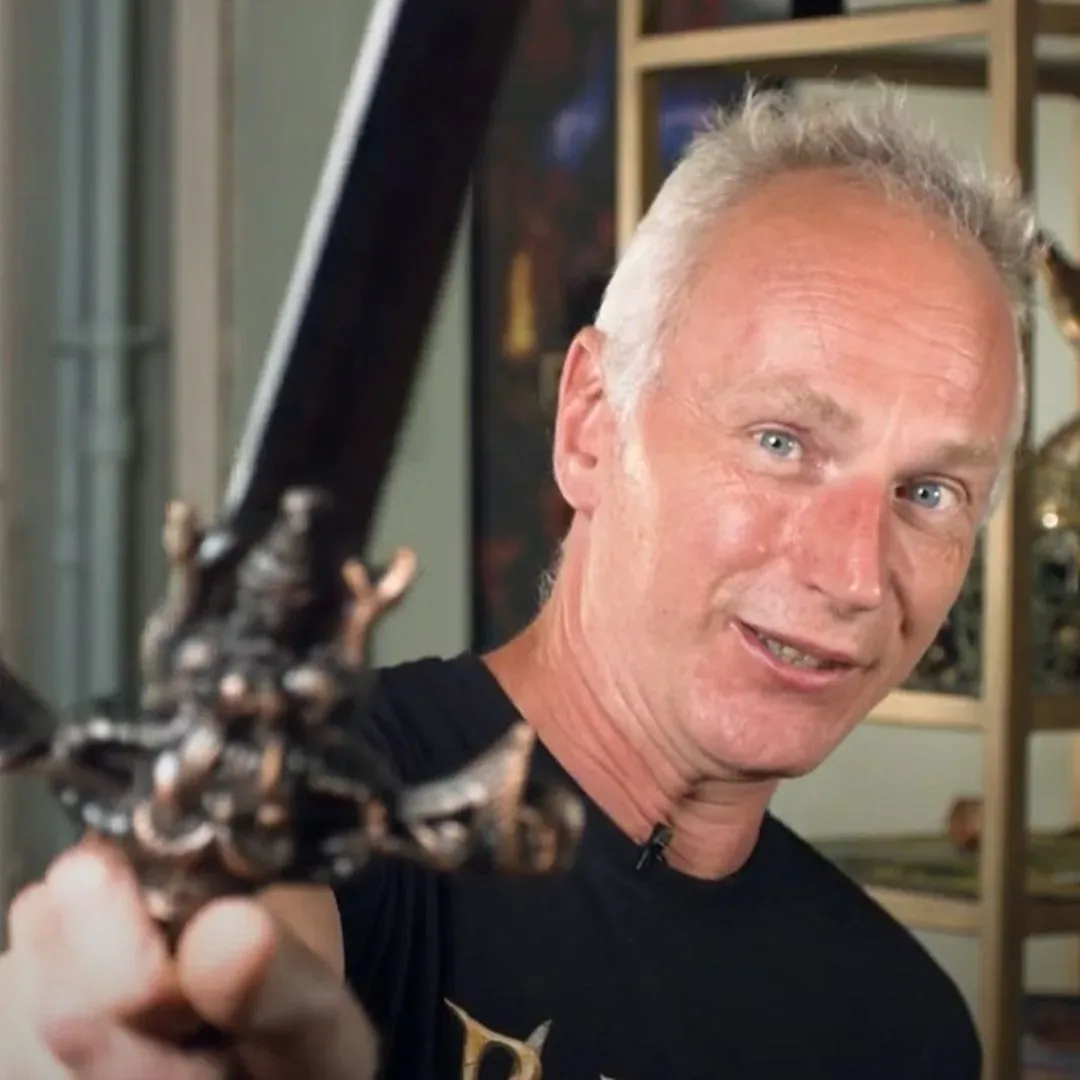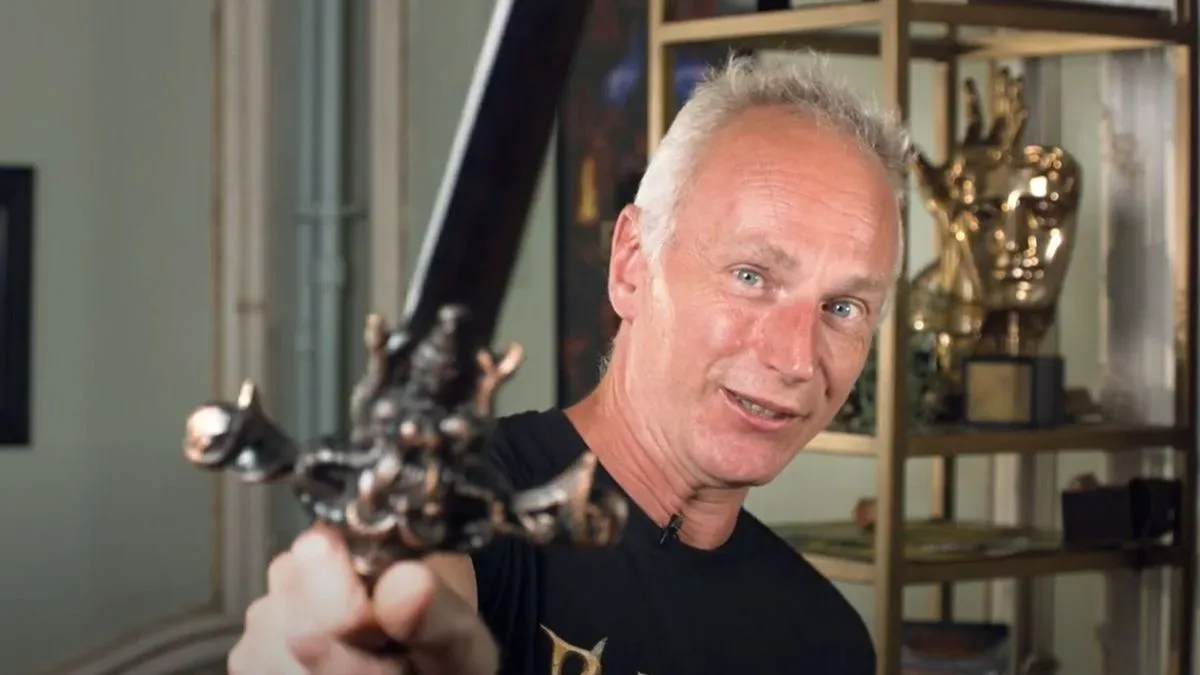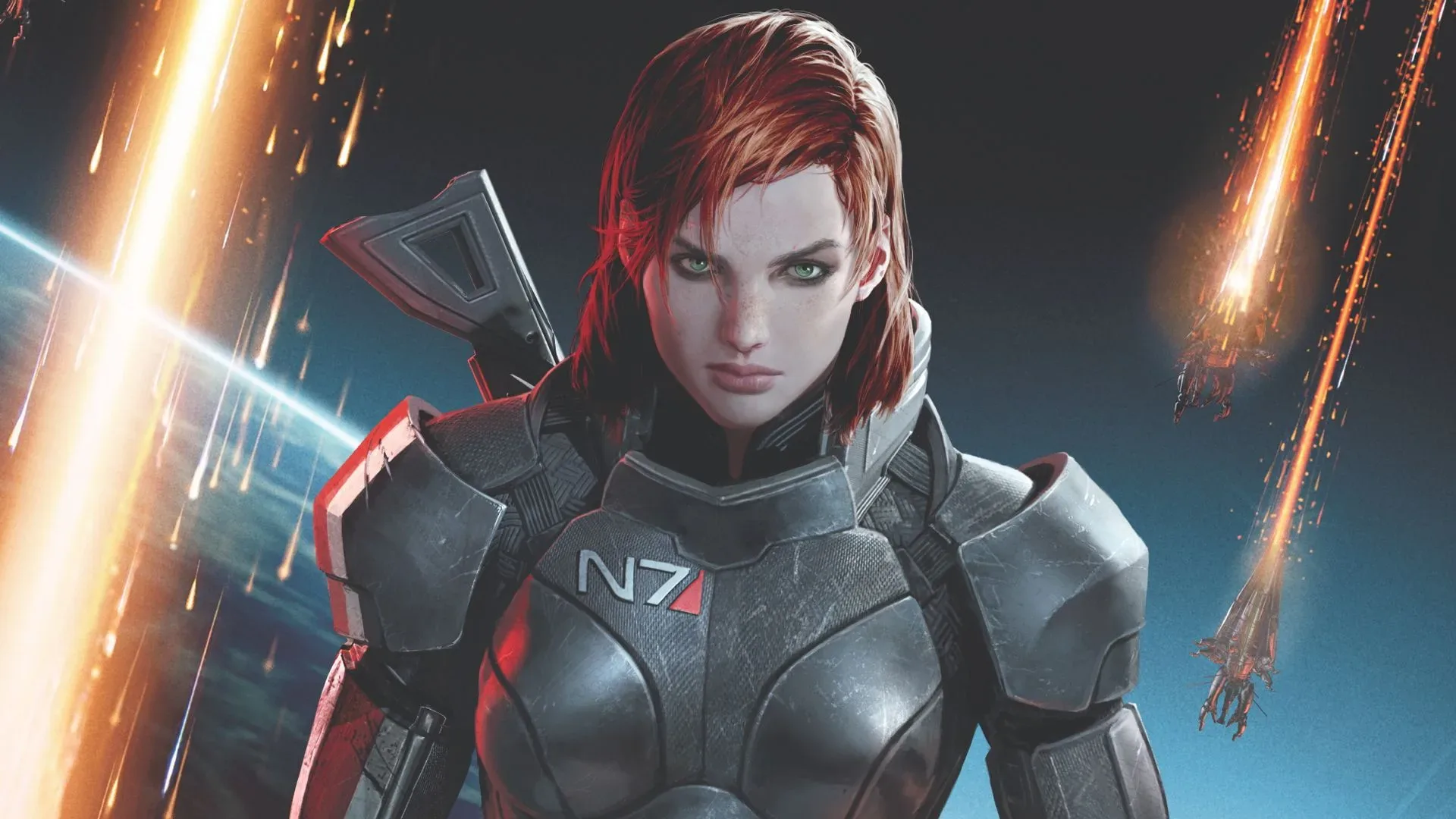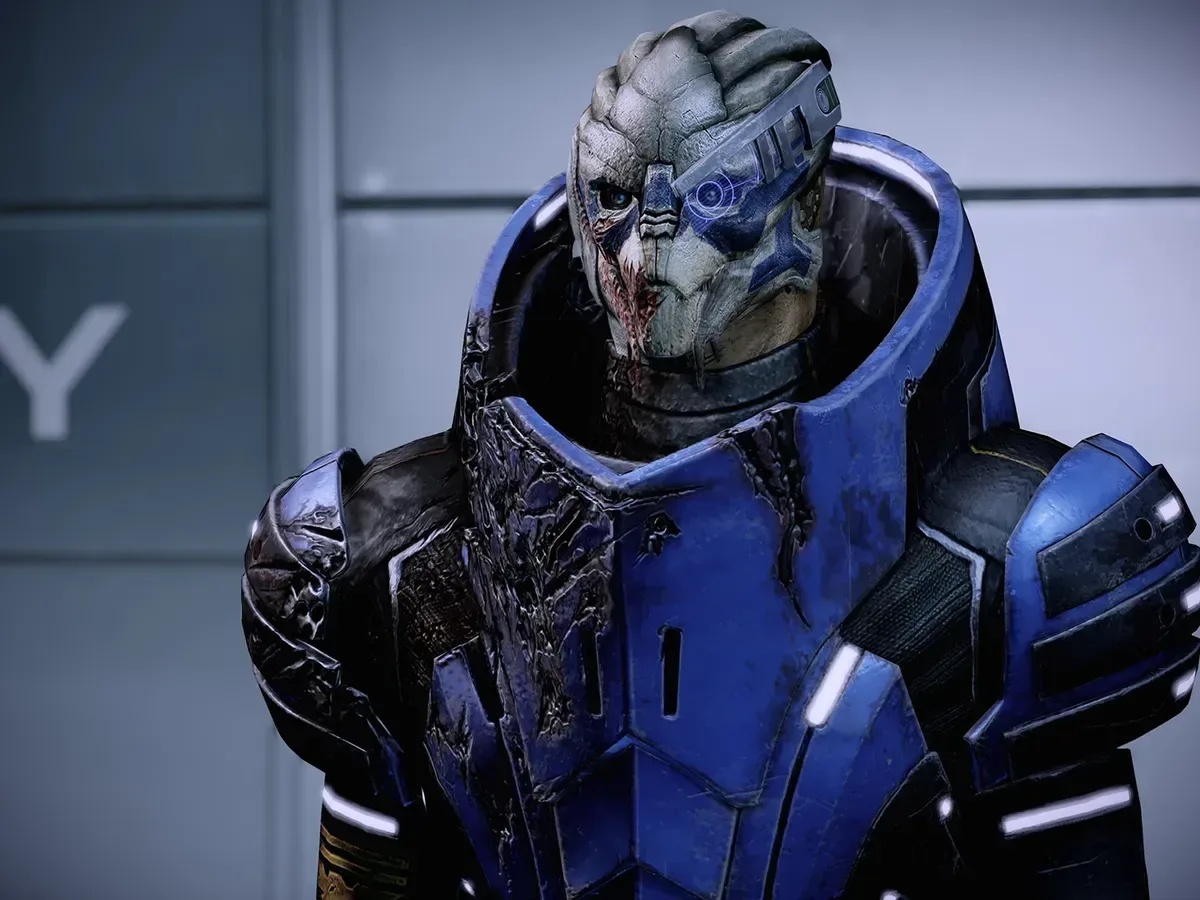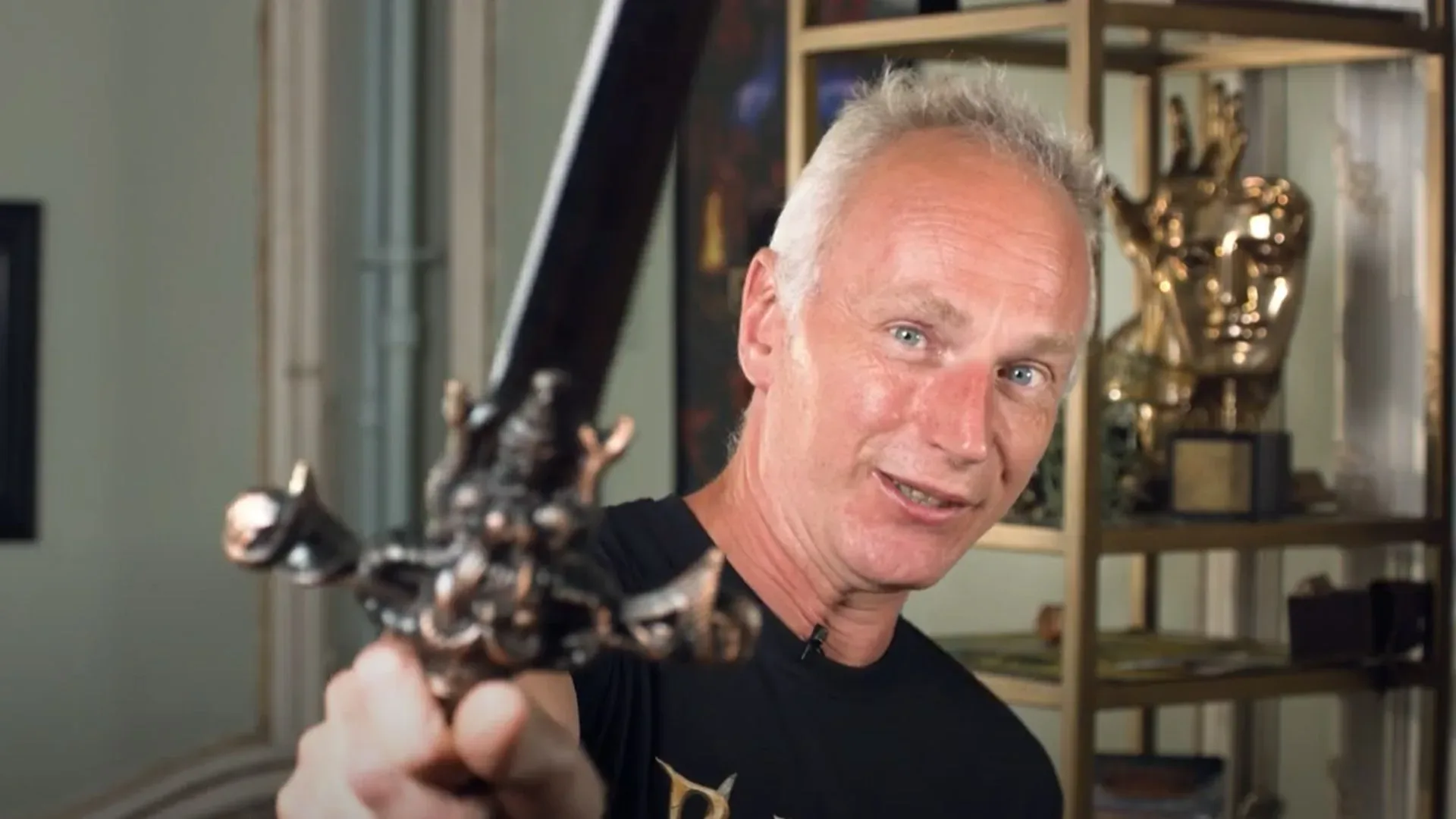
Swen Vincke, the head of Larian Studios, has responded to the reported closure of BioWare with a tribute that places the moment in the larger history of role-playing games. BioWare, the studio behind Baldur’s Gate, Mass Effect, Dragon Age, and Star Wars: Knights of the Old Republic, is set to close amid layoffs by EA that affect 400 employees. Development on the next Mass Effect is also being canceled.
Vincke described the news as something he never expected to see. The response carries particular weight because BioWare made the first two Baldur’s Gate games, while Larian later inherited the daunting task of making Baldur’s Gate 3, released in 2023. These are not merely two studios that happened to work on the same brand. They represent two different eras of a series that has helped define what many players expect from a computer role-playing game.
“Larian and Bioware started their trajectories in the games industry at the same time and Bioware led the way in making RPGs big,” Vincke wrote.
A landmark studio’s reported end
The reported closure follows EA’s August acquisition and a subsequent round of 400 layoffs. The immediate consequences outlined so far are stark: BioWare is being shut down, and its next Mass Effect project will not continue.
For an industry in which studio names can become shorthand for a particular style of game, BioWare’s disappearance is unusually consequential. Its catalog spans fantasy, space opera, and licensed science fiction, but those games are joined by a consistent broad appeal: they made choices, companions, dialogue, and player-shaped stories feel central rather than ornamental. In a role-playing game, those systems are the mechanisms through which players inhabit a character and influence a narrative. They are not simply cutscenes between battles.
That is the context behind Vincke’s point that BioWare helped make RPGs “big.” It is an assessment of cultural reach as much as genre craft. BioWare’s work helped establish the idea that a major RPG could be built around authored stories while still leaving space for a player’s decisions, relationships, and interpretation of a character.
It is also why the cancellation of another Mass Effect is larger than the loss of one unreleased project. It ends the current development path for one of BioWare’s defining series. Separately, the franchise remains part of the wider cultural conversation: a planned post-trilogy Amazon series has been discussed, although its cast and release remain unconfirmed. That does not change the significance of a game cancellation or a studio closure, but it underlines how far the setting’s influence has traveled.
Why the Baldur’s Gate connection matters
BioWare developed the original Baldur’s Gate and its sequel, Baldur’s Gate II: Shadows of Amn. Larian subsequently took on the series with Baldur’s Gate 3. Vincke’s reaction is therefore not an outsider’s generic farewell to a respected peer. It comes from the leader of the team that continued one of BioWare’s most important legacies.
Related coverage includes Swen Vincke Calls BioWare Closure 'A Loss for All of Us' as EA Cancels Next Mass Effect.
That succession also offers a useful way to understand the meaning of influence in game development. A studio’s legacy does not require every later game to match its exact tools, structure, or production methods. Instead, it can be seen in the ambitions that remain viable for others to pursue. The continued appetite for an expansive, story-led Baldur’s Gate game demonstrates that the foundation associated with the earlier titles still mattered when Larian’s entry arrived decades later.
In this sense, “legacy” should not be confused with ownership. BioWare’s contribution to the series is its original work on the first two games; Larian’s contribution is Baldur’s Gate 3. The connection is meaningful because the franchise bridges them, not because their identities or accomplishments are interchangeable.
Vincke’s message centers people as well as games
Vincke said it was “almost unimaginable” to consider a future in which BioWare’s name no longer appears in conversations about upcoming RPGs. He called the closure “a loss for all of us,” thanked the team for its games, stories, and the many hours people spent playing them, and told the developers they could be proud of what they achieved.
Most importantly, his message included a hope that the affected people “land well.” That is more than a customary sign-off in a difficult industry announcement. A studio closure is often discussed through recognizable brands and canceled games, but it also breaks up teams that have accumulated shared working knowledge over years. The people who make games hold practical experience that rarely appears in a product description: how a team collaborates, how it solves narrative and design problems, and how it carries a complex project across a long development cycle.
The concern is particularly acute in a shrinking development job market. Losing a studio does not mean that every developer’s expertise vanishes, since people can and do move between companies or form new teams. But it does mean a working organization is no longer there to retain that experience collectively. Its routines, relationships, and ongoing projects are disrupted at once.
What “institutional knowledge” means here
Institutional knowledge is the accumulated know-how of a group rather than a single person’s skill set. In game development, it can include familiarity with a studio’s design principles, production processes, narrative workflows, technical constraints, and the ways different disciplines communicate. Designers, writers, artists, programmers, producers, quality-assurance staff, and others contribute different pieces of that knowledge.
It is not a claim that a closed studio’s ideas can never reappear. Developers take their abilities with them, and games can continue to inspire new work. But the loss of a long-running organization makes continuity harder. That is why closures resonate beyond the fate of one company: they affect the people employed there, the projects in progress, and the creative ecosystem around a genre.
A difficult recent chapter does not erase the earlier work
BioWare’s recent output had not received the same response as some of its earlier games. Dragon Age: The Veilguard experienced a troubled development process, including a pivot from a multiplayer project EA had asked the studio to make. That path ultimately led to a rushed effort, and the game did not land as well as BioWare’s strongest work.
That history is relevant because it shows why a studio’s final years can be more complicated than a straightforward success-or-failure story. Development decisions change. Projects pivot. Teams work under pressures that are not always visible to players. None of that requires a revision of BioWare’s long-term importance to RPGs, nor does past influence guarantee security for a studio in the present.
Vincke’s statement avoids pretending otherwise. His focus is not on declaring BioWare flawless or treating its end as an abstract debate about corporate decisions. It recognizes the scale of the work the studio produced and directs respect toward the people now affected by the closure.
What players can take from the news
For players, the immediate practical point is simple: there will be no next Mass Effect from this development path. Beyond that, BioWare’s existing games remain the clearest record of why its name became so important in RPG discussions. The original Baldur’s Gate titles, the Mass Effect series, Dragon Age, and Knights of the Old Republic represent a body of work that reached across multiple settings and audiences.
The broader implication is less tidy. Games are often remembered as finished objects, but studios are living teams. When a studio closes, players lose a future source of new work, while developers lose colleagues, continuity, and often the immediate opportunity to apply their experience together. The impact is felt simultaneously at the level of art, employment, and the genre’s future.
That is the loss Vincke is describing. BioWare’s place in RPG history has already been established by the games it made. Yet its closure still matters because history is not the same thing as an ongoing creative presence. For the developers affected, Vincke’s wish is that the next destination is a good one; for RPG fans, the enduring hope is that the experience and imagination behind those games find a way forward.