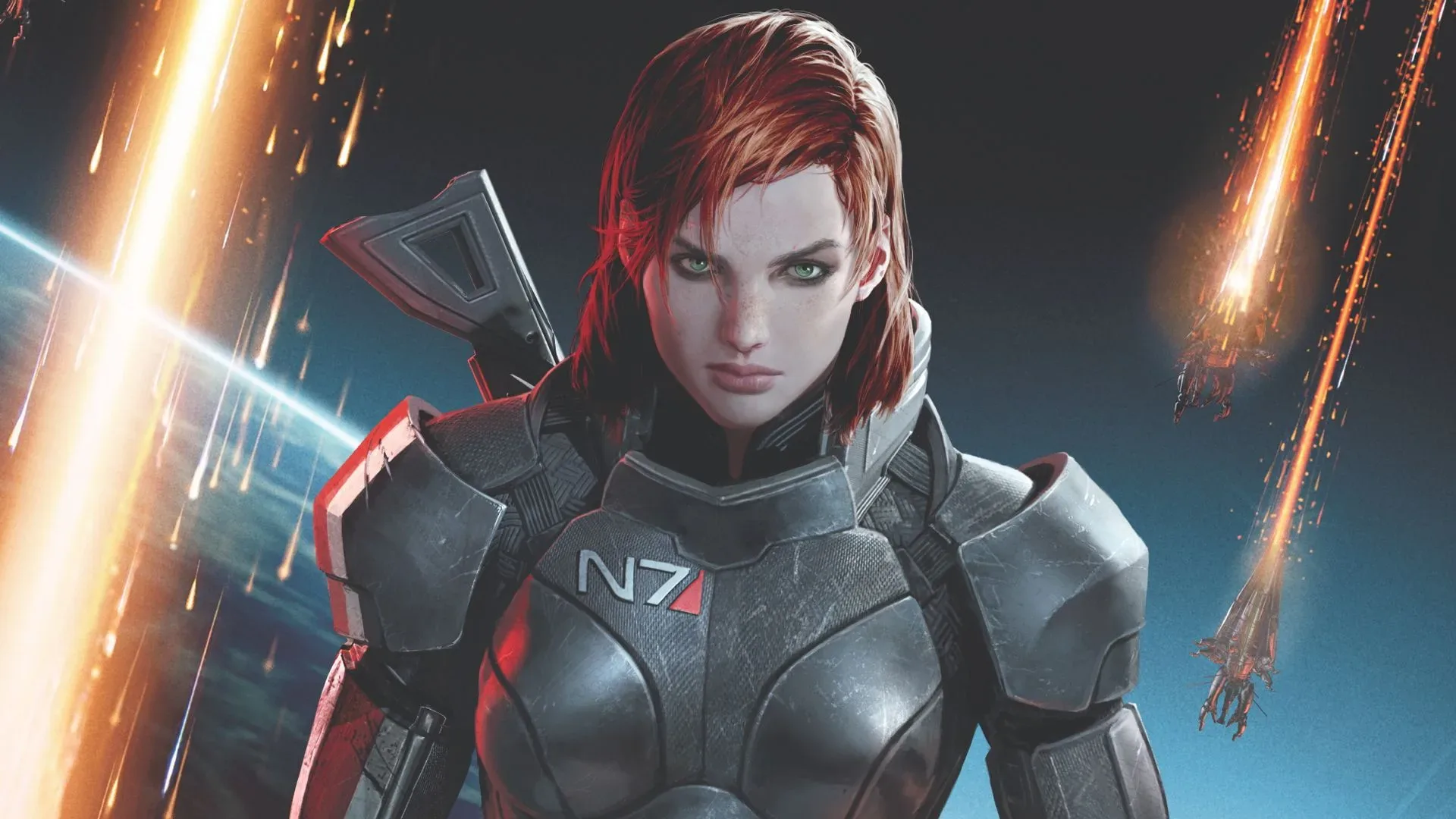
The Mass Effect television series is still moving through pre-production at Amazon, with its biggest confirmed creative choice also its most consequential: the show is intended to tell a new story in the franchise’s timeline after the original trilogy, rather than directly translate Commander Shepard’s campaign to television.
That distinction matters enormously for an RPG built around player agency. The original games put players in control of Shepard’s decisions, relationships and, ultimately, elements of how the trilogy concludes. A conventional adaptation would need to select one version of choices that were deliberately left to players. The television project’s stated plan avoids declaring one person’s Shepard run to be the only version that counts.
There is no release date, no public cast list and no indication that filming has begun. For now, this is a project with a defined direction and a known creative team, but not a production schedule audiences should treat as locked in.
A new tale after Shepard’s trilogy
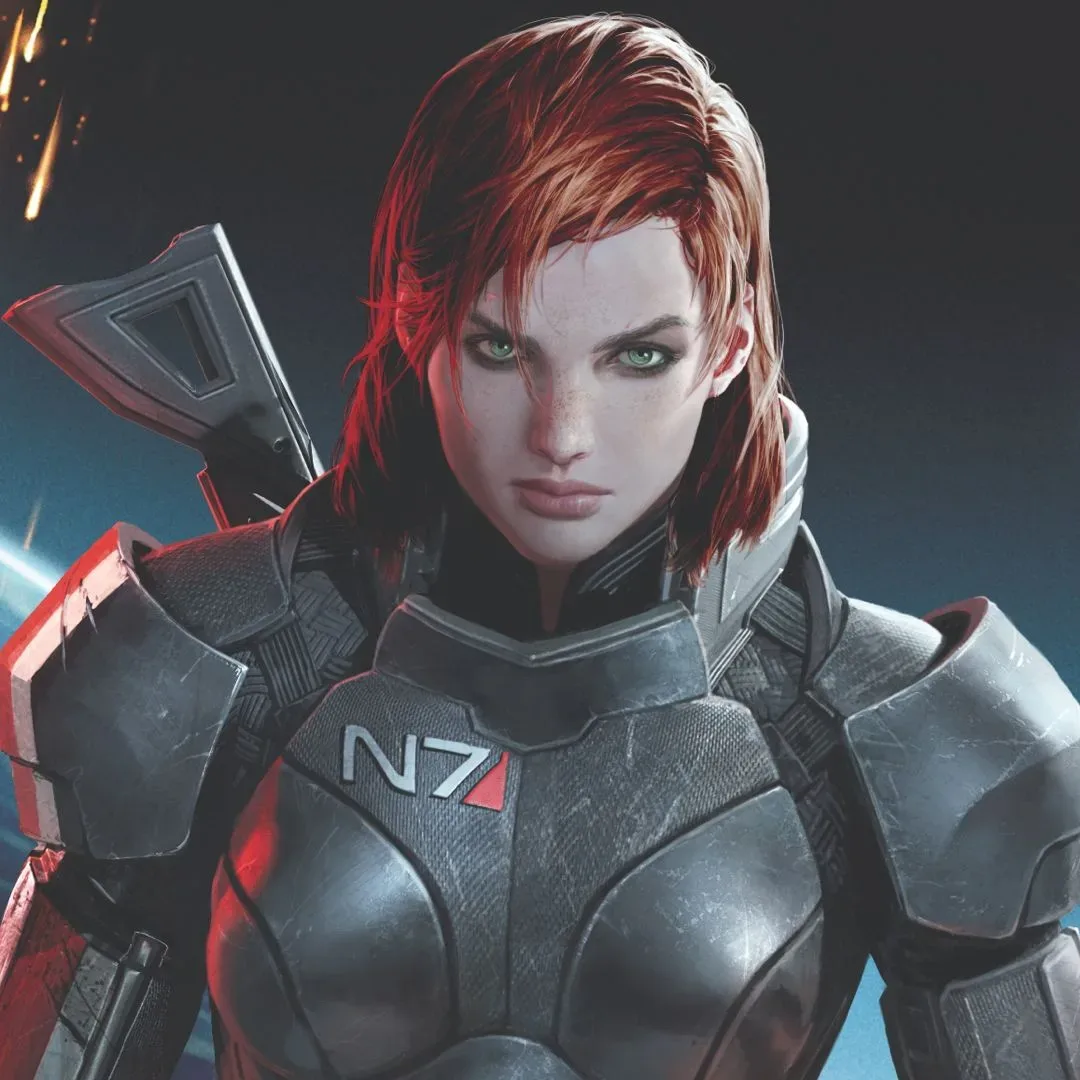
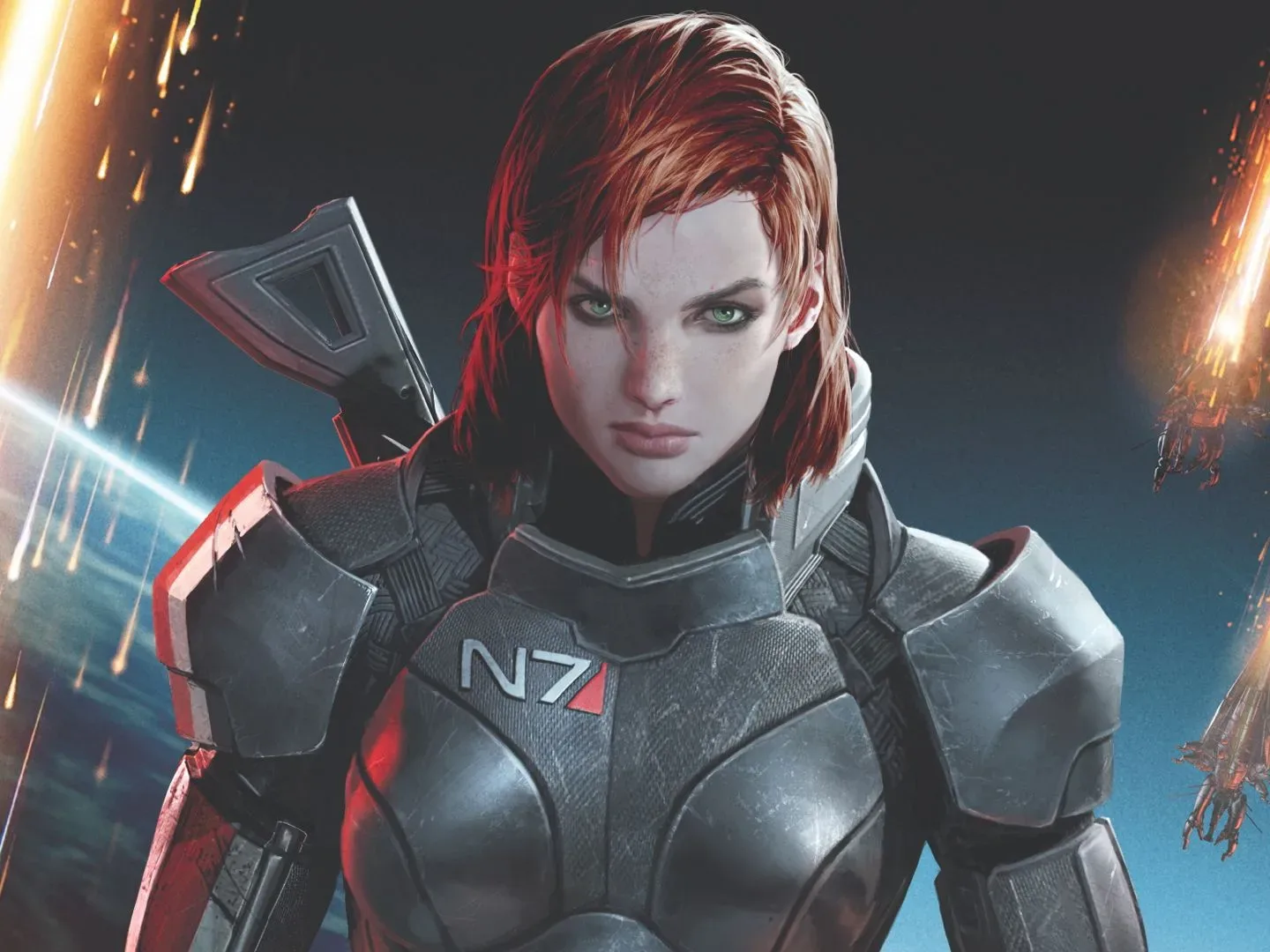
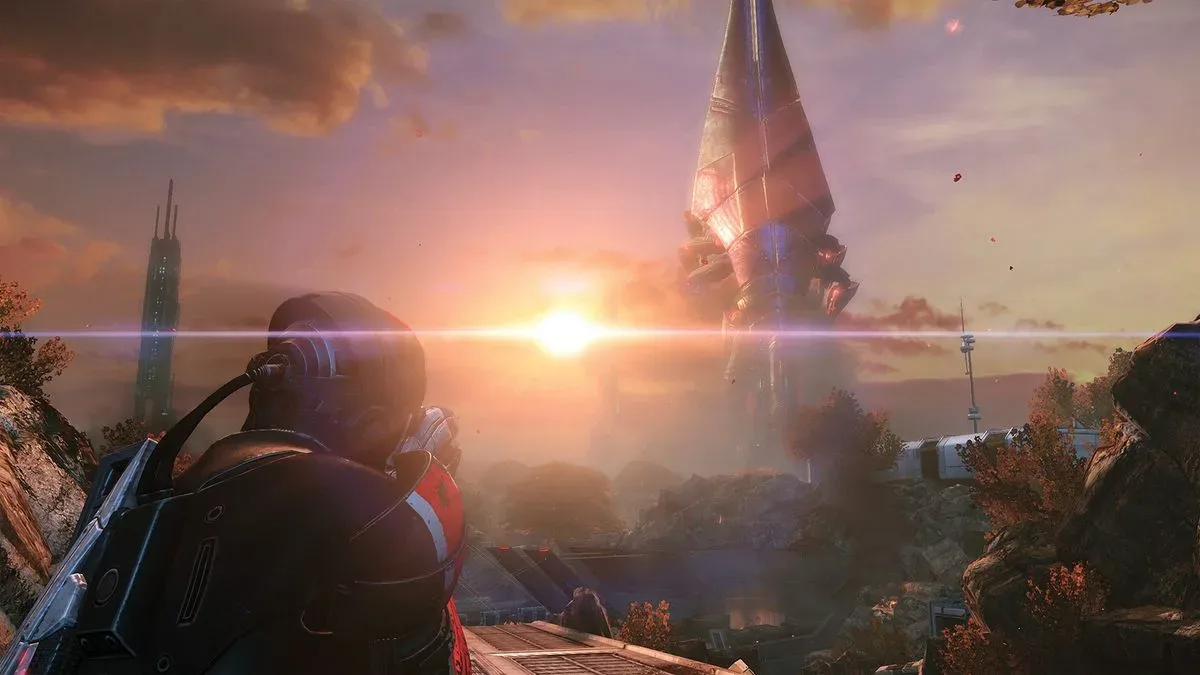
Mass Effect’s original trilogy follows Commander Shepard, a human Spectre, in a struggle to stop the Reapers: a synthetic force bent on wiping out organic life on a galactic scale. A Spectre is an elite special agent within the games’ setting, while the Reapers are the existential threat at the center of the trilogy’s escalating conflict.
Those broad stakes are straightforward enough for television. The obstacle is that the games are role-playing games, or RPGs, in which the player’s choices can alter specific events and outcomes. Shepard is not simply a character with one universally shared chain of decisions. The series is therefore not positioned as a scene-for-scene retelling of that campaign.
Mike Gamble, a Mass Effect leader and an executive producer on the show, outlined the approach in 2025: the writers’ room was working out how the series fits within the franchise’s canon and timeline, with a brand-new story set after the original trilogy. He also made the key point behind that decision: Shepard’s journey belongs to the player.
The show’s intended setting is after the original trilogy, with an original story rather than a retread of Commander Shepard’s player-defined mission.
Canon, in this context, means the official continuity of a fictional universe: the events, characters and rules a new project treats as belonging to its established history. A post-trilogy setting lets the show use Mass Effect’s recognizable galaxy and its consequences without forcing every viewer to accept a single version of their personal choices as definitive.
Related coverage includes Amazon's Mass Effect Series: Story Setting, Creative Team and What Comes Next.
That is a practical adaptation strategy, not a guarantee of success. An original story gives the writers room to build television-specific protagonists, conflicts and season arcs. It also sets a high bar. Mass Effect is remembered not only for locations and science-fiction terminology, but for a sweeping central threat, a crew dynamic and decisions that felt personal to its audience. The show will need to establish why its own characters and problem deserve attention beyond the pull of a familiar universe.
What is known about the creative team
Doug Jung is attached as showrunner, with Daniel Casey among the writers. Jung’s screenwriting credits include Star Trek Beyond and Mindhunter; Casey wrote Fast & Furious 9. Gamble is executive producing alongside Ari Arad and Karim Zreik.
The term showrunner generally describes the lead creative and managerial figure on a television series. It does not mean one person makes every production decision, but it does make the role especially important in a franchise adaptation. The showrunner helps steer the long-form story, the writers’ room and the show’s creative consistency from episode to episode.
Casey has also indicated that personnel who worked on Amazon’s Fallout series are involved with Mass Effect. That connection is noteworthy because Fallout also used a new narrative inside an established game world instead of recreating one pre-existing game story. It is not proof that Mass Effect will have the same tone, structure or quality; the two settings and their source material are very different. But it does suggest the production is drawing on people with experience translating game-world rules and visual identity into a serialized live-action format.
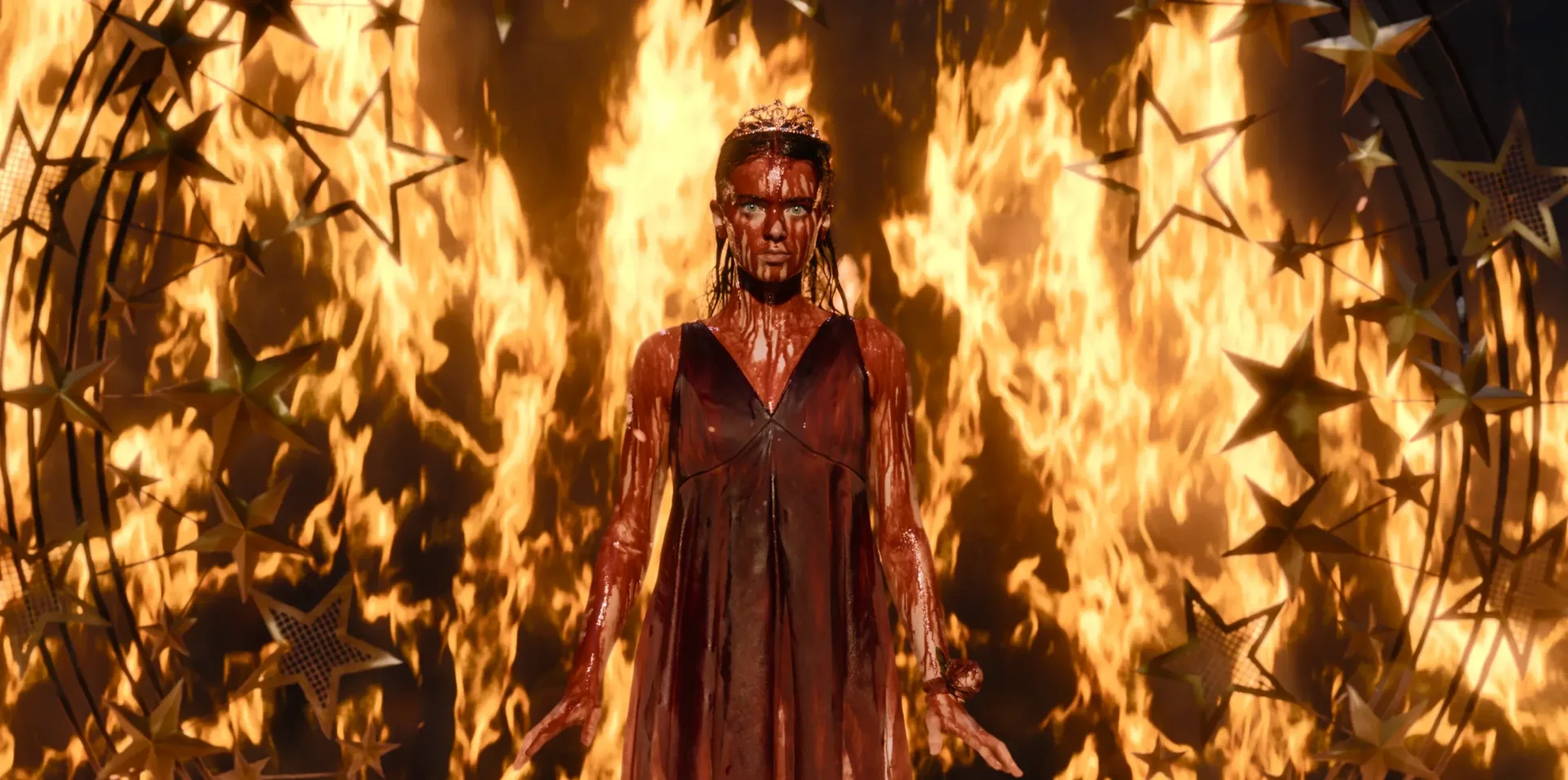
Amazon continues to expand its television slate, including its renewal of Mike Flanagan’s Carrie for a second season. Mass Effect’s current status, however, should not be confused with a finished series or an imminent premiere. The known personnel show that development is active; they do not supply a filming start or episode count.
Why a release date is still distant
The series remains in pre-production. A listing previously pointed to a possible fourth-quarter 2026 production start, but there has been no later confirmation that filming has commenced or that the project has moved beyond the writers’ room. As a result, any specific debut prediction remains speculation.
Pre-production is the planning stage before cameras roll. Depending on the project, it can include script work, casting, design, scheduling, location planning and preparation of sets, costumes and visual effects. Mass Effect is a science-fiction property whose setting includes space travel, alien civilizations and enormous synthetic antagonists. Bringing that scope to live action would reasonably involve a substantial effects workload, but no details about the show’s particular production methods have been announced.
Post-production is the work that follows filming: editing, sound, music, visual effects and the many processes needed to finish episodes for release. The available information offers no timetable for any of those phases. The cautious read is simple: a premiere is not close enough to date with confidence.
A 2028 release has been floated as a possible earliest window, partly because Fallout season 3 is expected in 2027 and some team members overlap. That is an inference, not an announced plan. Shared talent can affect scheduling, but it cannot establish a premiere date by itself. Until Amazon provides a production start, trailer, cast announcement or release window, viewers should treat 2028 and every other year as an estimate rather than news.
No cast has been announced
There is currently no confirmed cast for the Mass Effect series. That is consistent with a project still described as being in pre-production, and it means discussions of specific actors should be kept separate from actual casting news.
Henry Cavill previously expressed enthusiasm for Mass Effect and an openness to participating when the adaptation was first announced in 2021. He is also involved with Amazon’s Warhammer project. Interest in a franchise, though, is not the same as signing on to it. Cavill has not been announced as a member of the Mass Effect cast.
The same standard applies to any future rumor cycle. Until a performer is named by the production, reports of interest, fan suggestions and apparent scheduling logic are not cast confirmation. The absence of a cast list also makes it impossible to know whether the show’s new story will feature entirely original leads, familiar figures from the games, or a mixture of both.
The changing game-side context
The television project is proceeding against a difficult backdrop for the game franchise. EA has shut down BioWare and cancelled the new Mass Effect game that had previously been in development. Gamble’s 2025 discussion of the show referenced how the series would sit in relation to that new game, so the cancellation changes the context around those earlier plans.
What it does not automatically establish is a revised television canon, a changed premise or a release plan. The available material still points to the same central TV concept: an original post-trilogy story. Whether the game cancellation creates any further changes for the show has not been detailed publicly.
For fans, the immediate practical takeaway is to separate confirmed facts from attractive possibilities. The confirmed side includes Amazon’s adaptation rights, a post-trilogy original-story direction, an active writers’ room, Jung and Casey’s involvement, Gamble’s executive-producer role, and a reported connection to personnel from Fallout. The unconfirmed side includes filming dates, a premiere date, casting, the protagonists, the precise placement in the timeline and the plot itself.
What the original-story approach needs to solve
A post-trilogy premise removes one major problem—choosing Shepard’s decisions—but opens several storytelling questions. The first is accessibility. The series should be understandable to someone who has never played Mass Effect while still respecting the continuity that returning fans will look for. That balance is particularly important when a universe contains its own political institutions, species, technologies and historical baggage.
The second is scale. Mass Effect’s premise carries galaxy-level stakes, but television drama also depends on a smaller human—or alien—point of view. An effective new story would need characters with immediate goals and relationships, not merely an encyclopedia of franchise references. Familiar names or places can add texture; they cannot replace a compelling plot.
The third is consequence. The games made consequence central through player choice. Television cannot replicate that interactivity in the same way, because the audience follows a fixed episode-to-episode narrative. It can, however, create pressure through difficult decisions, persistent fallout and conflicts that reveal character. The goal should not be to imitate a dialogue wheel on screen. It should be to understand why choices carried weight in the games and find a medium-appropriate version of that tension.
Mass Effect’s TV future is therefore less about whether it can reproduce one beloved playthrough and more about whether it can earn a place beside them. A new story offers the freedom to do that without overwriting Shepard. It also leaves the production with a demanding job: make the galaxy feel recognizably Mass Effect while giving viewers a reason to invest in the people who now inhabit it.