Amazon has renewed Carrie for a second season, confirming that Mike Flanagan’s television reimagining of Stephen King’s 1974 novel will continue beyond the events of the original book. The decision gives the series an unusually clear mandate: it is not simply retelling the familiar tragedy of Carrie White, but building a new chapter after the point audiences most closely associate with the story.
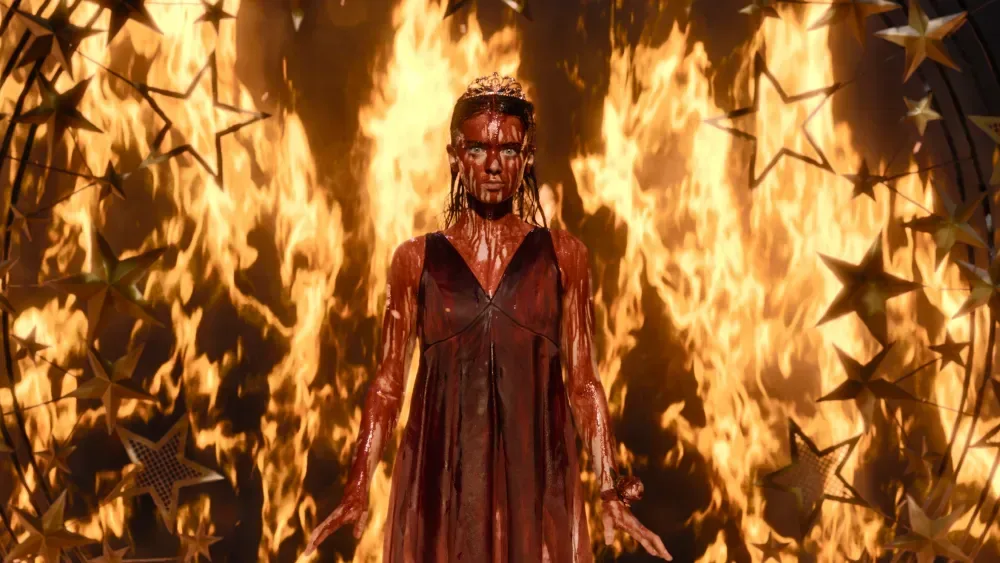
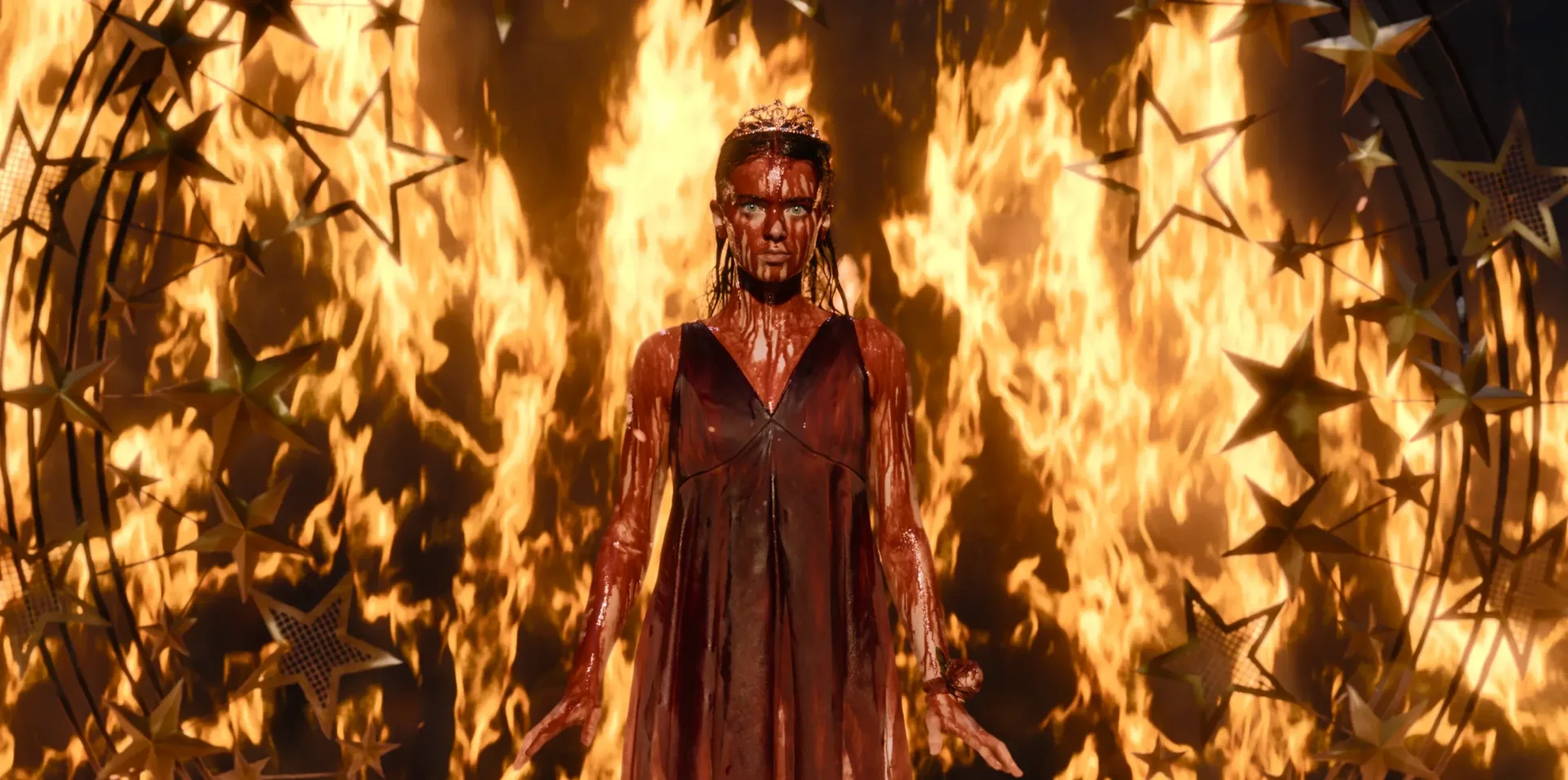
That is a meaningful direction for a property with a long cultural shadow. Carrie’s prom has become a defining image of modern horror, yet the renewal suggests the show’s creative interest lies in treating that moment as part of a larger character story rather than a fixed endpoint. Flanagan, who serves as showrunner and executive producer, has said the team imagined a story that went further than the prom from the outset. King is also an executive producer and has expressed enthusiasm for what follows.
What Season 2 means for this version of Carrie
The first major takeaway is straightforward: Season 2 is not constrained to the ending of King’s novel. That does not reveal plot details, new characters, a release date, or the precise circumstances in which the series will continue. None of those have been provided. It does, however, establish that Flanagan and King are pursuing an expansion of the adaptation rather than a closed, one-season version of the material.
For viewers, “beyond the book” is best understood as a creative boundary being removed, not as a promise of a specific story. Television adaptations often use a source novel as a foundation for characters, themes, and central events, then develop material suited to the episodic form. In this case, the public confirmation is especially notable because King’s novel has a highly recognizable narrative destination. Season 2 gives the production room to ask what remains after that destination rather than treating it as the final word.
That approach also distinguishes adaptation from repetition. A retelling can preserve a plot’s major beats while changing setting, dialogue, or perspective. An expansion goes further, using the established premise as a starting point for events not contained in the source text. The latter carries more uncertainty for longtime readers, but it can also create a reason to follow the series alongside the novel instead of merely comparing one familiar scene after another.
The series’ modern framing
Summer H. Howell plays Carrie White, described as a high-school misfit who has spent her life secluded at home with her fiercely protective mother, Margaret White. Samantha Sloyan plays Margaret. After Carrie’s father dies suddenly, she is pushed into the harsh social environment of public high school.
The show’s setup places Carrie’s isolation and adolescence in a contemporary environment shaped by a viral bullying scandal and the constant social pressure of the social-media age. In this context, “viral” refers to material spreading rapidly online and through a community, potentially extending humiliation well beyond a single hallway, classroom, or encounter. It is a useful update to the story’s longstanding concern with public cruelty: the harm is not framed solely as a private conflict between students, but as something that can travel, gather attention, and affect an entire community.
At the same time, Carrie’s telekinetic abilities emerge alongside her adolescence. Telekinesis is the purported ability to move or affect objects with the mind. Within horror fiction, it is often more than a special effect. It can externalize a character’s fear, anger, lack of control, or capacity for retaliation. Carrie’s powers arrive amid bullying, grief, isolation, and a destabilizing move into public school, making the supernatural premise inseparable from the social stakes described for the series.
Related coverage includes Amazon Renews Mike Flanagan’s Carrie for Season 2.
That combination helps explain why a continuation beyond the novel could be fertile ground. The series has positioned Carrie within a community already being fractured by public attention and casual cruelty. If the first season establishes that pressure cooker, a second season can explore the consequences of it without needing to reduce the story to a single famous set piece.
Cast and creative team
Howell and Sloyan lead a cast that also includes Siena Agudong, Alison Thornton, Joel Oulette, Josie Totah, Arthur Conti, Thalia Dudek, Amber Midthunder, and Matthew Lillard. The renewal announcement does not specify Season 2 roles, returning-cast details, or additions, so audiences should be cautious about treating the season order as confirmation of any individual character’s future beyond what has been stated.
Flanagan is showrunner and executive producer, with King serving as an executive producer as well. A showrunner is the principal creative leader of a television series, typically guiding its storytelling direction while overseeing the writers’ room and the production’s broader creative process. An executive producer credit can cover different responsibilities from project to project; here, the confirmed fact is that both Flanagan and King hold the role.
Their involvement matters because Season 2’s central challenge is not simply extending a recognizable title. It is finding a continuation that feels connected to Carrie White’s story while acknowledging that it has crossed into material beyond the novel. King’s support signals that the expansion has the author’s trust, while Flanagan’s role places responsibility for shaping that new material with the show’s established creative lead.
Why the renewal is notable
Amazon MGM Studios said the series has connected with longtime King fans as well as newer viewers, including young adults and international audiences, with particular strength among female viewers. The statement frames the renewal as a response to broad audience interest in this reimagining, rather than interest that is limited to readers already familiar with the 1974 novel.
That mix is important for a story rooted in a classic horror premise. A new adaptation must give devoted fans recognizable thematic territory while making its own case to audiences who may know only the broad outline—or perhaps only the image of the prom. The modern high-school setting, a community-wide online bullying scandal, and an emphasis on social-media-era pressure are all part of the show’s stated way of making the material legible to a new generation.
There is a larger genre implication, too. Horror has often returned to Carrie White because the character’s predicament is intensely personal but socially legible: isolation, control within the home, hostility among peers, and the terrifying possibility that humiliation can become catastrophic. The television format can spend more time with those systems than a single film can. A second season potentially extends that interest from the buildup to the aftermath, though the production has not yet outlined how it will do so.
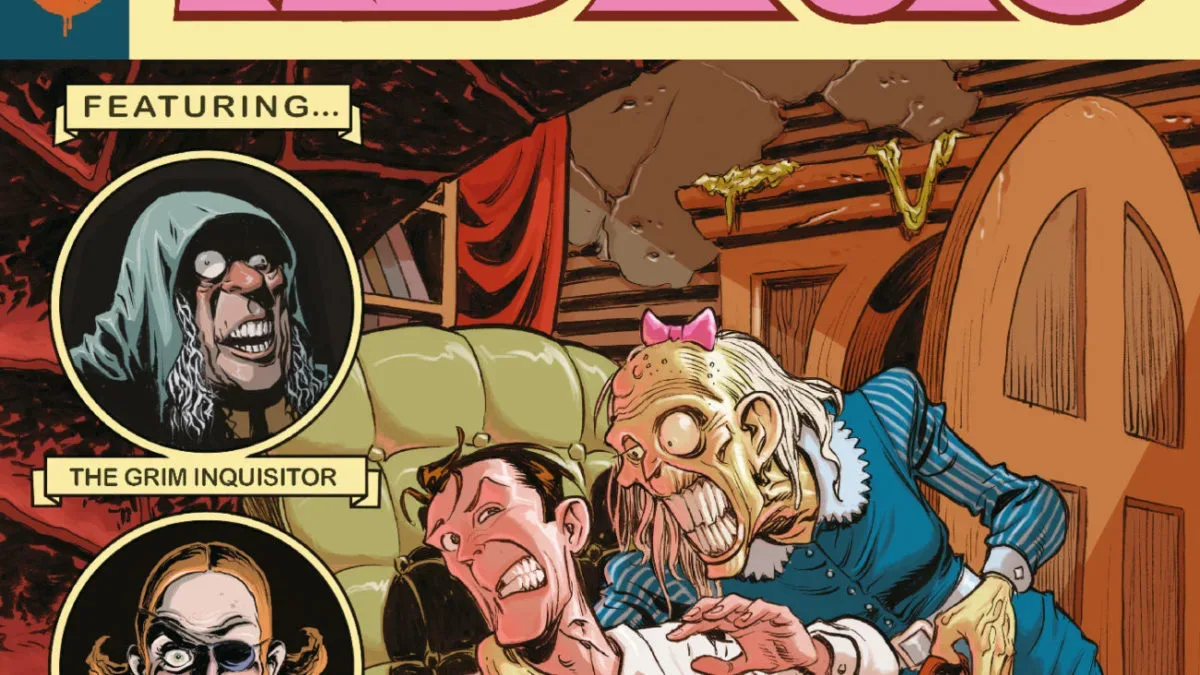
For horror fans looking for adjacent reading while waiting for further details, Joking Joystick has also covered a forthcoming Valentine’s horror one-shot from EC Comics. It is a separate project, but another example of horror publishers returning to emotional vulnerability and relationships as material for unsettling stories.
What has not been announced
The Season 2 renewal is substantial news, but it is also early news. No premiere window, episode count, production schedule, plot synopsis, or new casting has been disclosed. There are likewise no announced specifics about where Carrie’s story will go once the adaptation leaves the novel behind.
That absence is worth emphasizing because the phrase “beyond the book” can invite assumptions. It confirms an expanded narrative direction, not the nature of the expansion. Until further information is released, the most reliable expectations are that Howell’s Carrie remains at the center of the premise, Flanagan remains showrunner, King remains an executive producer, and the next season will explore territory outside the events of the 1974 novel.
For now, the renewal makes one thing clear: this Carrie is positioning its best-known event as a threshold rather than a finish line. Whether that continuation deepens the community fallout, reorients the story around Carrie herself, or takes another route entirely remains undisclosed. The prospect, as both Flanagan and King have indicated, is intended to be thrilling.