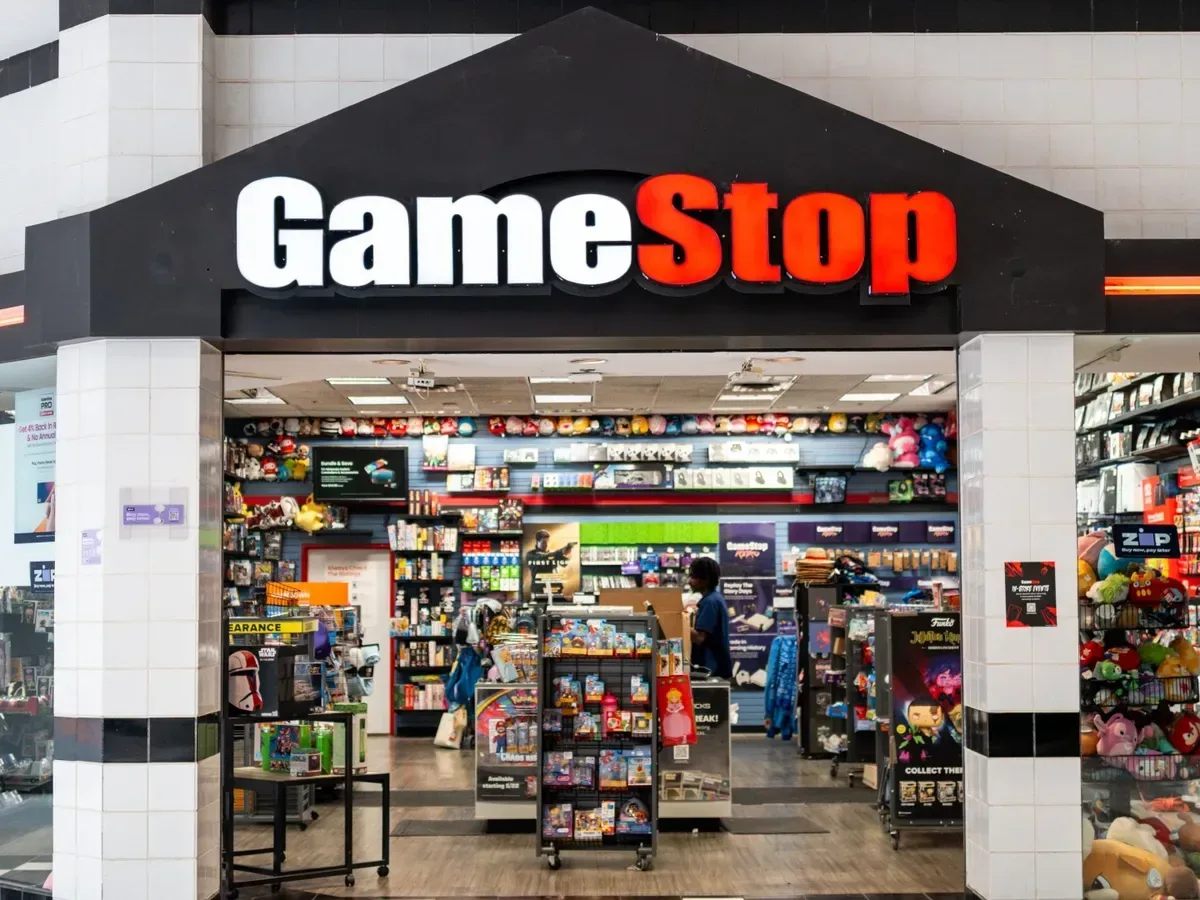
Physical games occupy a smaller slice of the overall games market than digital purchases, subscriptions and free-to-play titles—but a new survey suggests discs and cartridges remain considerably more important among games players buy outright.
The study, conducted by Newzoo with support from G2A, collected responses from more than 6,000 “premium gamers” in the United States, United Kingdom, Germany, Poland, Brazil and Saudi Arabia. Across the whole group, physical media represented 11% of games played. Narrow the view to games that respondents owned individually, however, and the physical share rises to just over 25.5%. For console-only respondents, physical copies represented 30.4% of paid-for games played during the survey period.
That distinction is the heart of the finding. An 11% share of all games played and a roughly 30% share of paid console games are not competing claims. They answer different questions, using different denominators.
Why the physical share changes depending on the measure
The survey sorted games played into three broad methods of access: 43% were owned, 19% came through a paid subscription, and 38% were free-to-play. Physical games are therefore being measured against a very large pool that includes titles no one bought individually, along with digitally owned games.
When a physical disc, cartridge or boxed code is counted among every game played, its share is 11%. But when subscriptions and free-to-play games are removed and the comparison becomes physical versus digital games owned by the player, physical rises above one quarter. Among console-only players, the study reports 14% physical and 32% digital when using the broad ownership/access view; within the paid ownership subset, the physical proportion reaches 30.4%.
In plain terms, physical formats are not the dominant way these respondents access games. Yet they remain a substantial part of the paid console library, rather than a marginal relic.
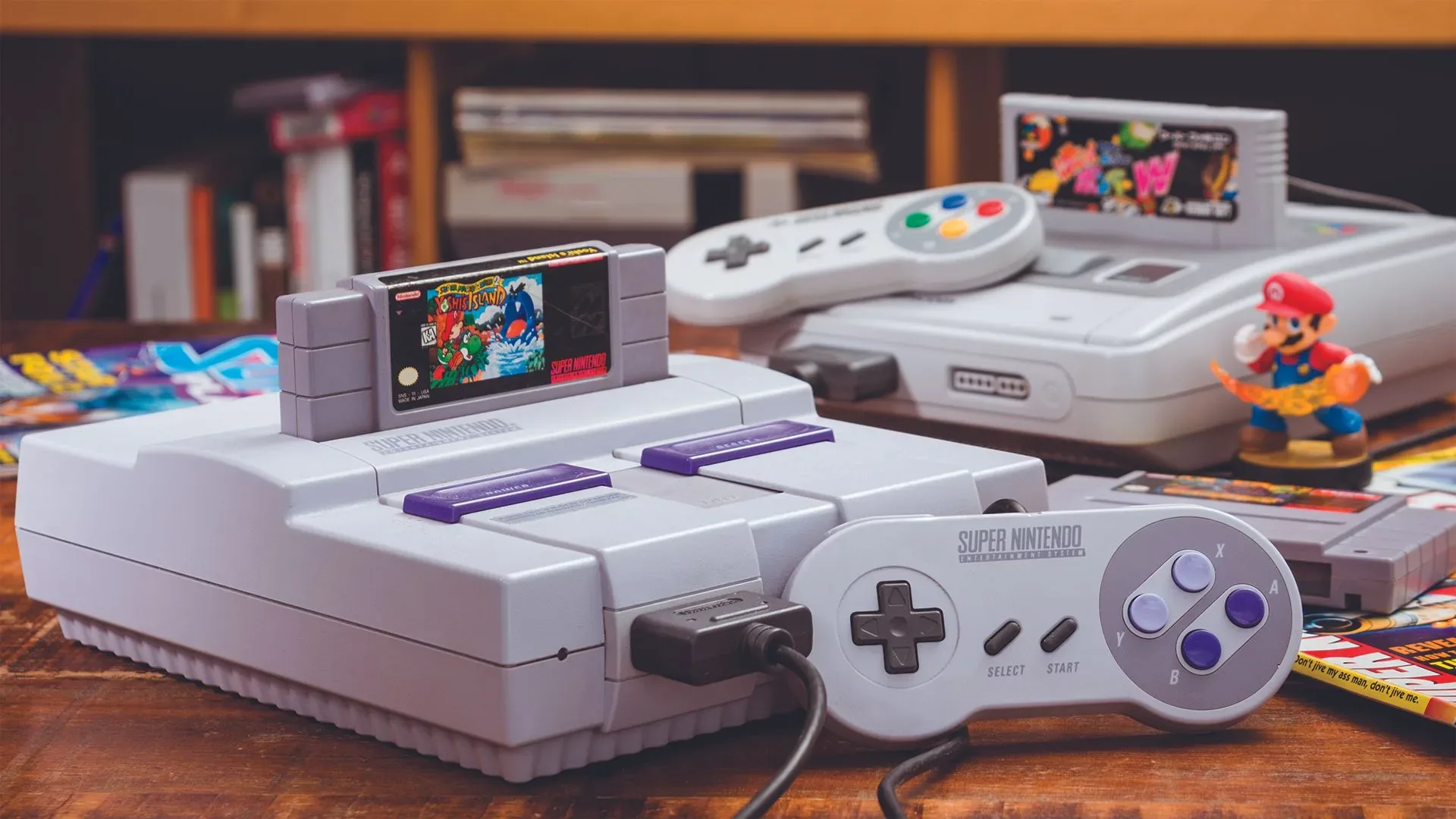
The numbers should not be read as a measurement of new-release sales alone. The survey focuses on games played and owned during its period, which means older releases can contribute to the result. It also notes that some boxed purchases may contain a code rather than a disc, while cartridges remain common on Nintendo Switch. Those details matter: “physical” can describe several different retail experiences, and a game’s retail box does not automatically tell a player how much content is contained on removable media.
Who was surveyed—and what the study cannot establish
Newzoo defined its premium-gamer sample as people aged 18 to 55 who play on PC or a ninth-generation console at least monthly and who played purchased or subscription-accessed AA or AAA games within the previous year. The respondents averaged about 13.3 games played per year.
Related coverage includes Survey Finds Physical Copies Still Make Up Nearly a Third of Paid Console Game Ownership.
That is a defined audience, not a universal census of every person who plays games. The results describe this sample across six markets, and should be treated as a view into the habits of players meeting those criteria. They do not, on their own, prove that the same physical-versus-digital proportions apply to every age group, territory, platform owner, or type of game.
The platform breakdowns also show why broad statements about “gamers” can miss the point. PC-only respondents reported 6% physical ownership, a figure the report links to the enthusiast retro market. Console ownership has a more direct current relationship with discs and cartridges, while Nintendo Switch’s cartridge ecosystem is specifically relevant to interpreting the results.
There are market-level variations as well. The US and UK each reached 12% physical when counting the total games-access mix. Looking only at physical and digital games owned, the physical shares were 27.9% in the US and 26.6% in the UK. Those figures are close to the wider owned-games result, reinforcing the broader takeaway without suggesting that each surveyed market behaves identically.
Physical buying is about access as much as possession
One of the survey’s more useful findings is that physical-game buyers are not motivated by one single nostalgia-driven argument. Digital ownership is associated most strongly with convenience: immediate access, a portable library, digital discounts and games that are only available digitally. Physical buyers, by contrast, selected several practical and personal reasons with more even weight.
The highest-ranked reason among respondents with less than 75% of their libraries in digital form was the ability to play without a stable internet connection. That is an access issue, not merely a preference for packaging. Players may value a format that does not depend on a reliable connection at the moment they want to use it.
Close behind was the desire to feel that they own something tangible. That wording is important because it describes a consumer feeling rather than making a legal claim about what any particular disc, cartridge, licence, account or digital storefront guarantees. A physical copy can feel more permanent and personal: it can be held, stored on a shelf, handed to someone else and revisited as an object. But the practical experience still varies by game, platform and how much a release relies on patches, downloads or account services.
Other frequently selected reasons point to the flexibility traditionally associated with boxed games:
- saving storage space on the device;
- reselling, trading or lending a copy;
- special editions, box art and other included extras;
- displaying a game collection;
- concern that games could be removed, changed or restricted;
- buying lower-priced pre-owned copies;
- avoiding large downloads or installation waits;
- playing without relying on digital account or platform access;
- finding retailer-specific deals, store credit or loyalty rewards; and
- being able to buy games during regular shopping trips.
These reasons are best understood as a bundle. For one buyer, the priority may be lending a completed game to a friend. For another, it may be the possibility of buying used. Someone with inconsistent connectivity may care most about offline access. A collector may care about cover art and special-edition items. The survey indicates that physical media’s continued relevance comes from this combination of uses, not from a single feature that digital stores could easily replicate.
Subscriptions and free-to-play change the ownership conversation
The study’s 38% free-to-play share was the largest of its three access categories. Paid subscriptions accounted for another 19%. Together, those forms of access help explain why the all-games physical percentage is much lower than the paid-console ownership percentage.
A subscription service provides access to a catalogue rather than a separately purchased copy of each game. Free-to-play similarly allows players to enter games without an upfront purchase price. Neither model maps neatly onto the physical-versus-digital retail choice. Comparing a disc to a subscription library is not simply a contest between two delivery methods; it is also a contrast between buying an individual title and accessing a changing catalogue under a continuing plan.
That context makes the survey’s wording especially useful. Rather than treating all game activity as a conventional sale, it separates games that were owned from those accessed through subscriptions and those played free-to-play. The resulting 30.4% console result is therefore a measure of physical media’s role once a player has chosen the individual-purchase route.
The report also says older respondents were slightly more likely to buy games than use a subscription, and slightly more likely to play through physical media. That is a modest tendency in this sample, not a verdict that physical gaming belongs only to one generation. Still, it suggests that convenience is not the only value shaping purchasing decisions.
A timely data point for PlayStation’s physical-media debate
The fieldwork was conducted in August 2026, after Sony announced plans to end support for new physical games in January 2028. That pending shift has sharpened disagreement across the industry about the costs and benefits of moving entirely away from discs.
Some prominent creators have expressed disappointment about discs being phased out, while NIS head Kenzo Saruhashi has said Sony is hearing customer feedback amid the backlash. Original PlayStation creator Ken Kutaragi has taken the opposite view, characterizing the resistance as a mentality issue and arguing that discs are not economically reasonable.
The survey cannot settle an argument about manufacturing costs, retail economics or future platform strategy. It does establish a relevant consumer fact: within this premium-gamer sample, a notable portion of individually bought console games were physical, and buyers cited functional reasons that go beyond a preference for a boxed keepsake.
That matters for retailers, publishers and platform holders considering what disappears with physical support. A digital-only strategy may emphasize immediate delivery, library portability, discounts and reduced distribution complexity. Players who prefer physical copies may see a different set of trade-offs: fewer options to buy used, lend, trade, resell, shop among retailers or keep a visible library. The precise impact will depend on the platform and game, but the choices identified in the survey are clearly not interchangeable for every customer.
The stakes are also wider than shelf appeal. Concerns around stable internet, installation size, account access and changing availability all describe how people expect to reach games after purchase. Physical media does not erase every dependency in modern gaming, especially for releases that require updates or online services. It does, however, provide a retail and access route that respondents continue to identify as useful.
For now, the clearest reading of the data is neither that physical games have won nor that they have vanished. Free-to-play, subscriptions and digital purchases command the larger overall picture. Yet among premium console players buying games one by one, nearly a third of the paid titles played were physical. As the business pushes toward more digital distribution, that is a sizeable constituency with concrete reasons for wanting discs and cartridges to remain an option.
For more on the business pressures shaping major game makers, see our coverage of a reported hiring freeze affecting Arkane and Marvel’s Blade.