Workers at Arkane Studios, represented by the French video-game union Syndicat des Travailleureuses du Jeu Vidéo (STJV), have issued a forceful public account of the studio’s uncertain future. Their central allegation is not simply that Arkane faces a possible closure, but that decisions by owner Microsoft created the financial conditions now being used to justify it.
The claims are serious, specific and remain allegations from the union. They concern a reported 19-month hiring freeze, the staffing and funding of Marvel’s Blade, the way Arkane’s finances are handled within the wider group, and the terms offered to employees should the studio shut. Microsoft’s position on these allegations is not included in the material available here.
The immediate human stakes are stark. STJV says Arkane could close if a buyer cannot be found, putting 217 employees at risk. The union’s preferred outcome is equally clear: a sale that preserves the studio, allows the team to complete Blade, and provides a future beyond a single project. It also stresses that finishing a game should not become a rationale for asking workers to accept inadequate protections.
The union’s core claim: delay was manufactured, then counted against Arkane
STJV alleges that Microsoft froze hiring at Arkane for 19 months. In the union’s telling, that move left the studio understaffed and caused delays and added costs. It argues that those effects were artificial rather than evidence that the team or game had failed.
This distinction matters. A hiring freeze is a restriction on adding staff, including replacing people who leave or expanding a team to meet production needs. On a game in development, fewer people can mean work takes longer, dependencies pile up and schedules must be reshaped. The union’s argument is that Microsoft is now treating the resulting expense and delay as an economic reason to close the studio—despite being responsible for the constraint that produced them.
STJV’s position is that Arkane is facing closure not because it failed, but because corporate decisions made its situation worse.
That is the heart of the dispute. It is not a routine disagreement over whether a game met a sales target or whether a release was delayed. The union is alleging a circular justification: a parent company allegedly imposes a staffing constraint, the constraint increases cost and timing pressure, and those increased costs are then cited as grounds for ending the operation.
The letter describes Arkane as understaffed, underfunded and judged unfairly. It says the proposed resources in the redundancy plan are “outrageously low.” A redundancy plan generally concerns measures for employees whose roles are eliminated for economic reasons, including compensation and support in finding new work. STJV wants a much more substantial safety net if a sale cannot be achieved.
Why Marvel’s Blade sits at the center of the fight
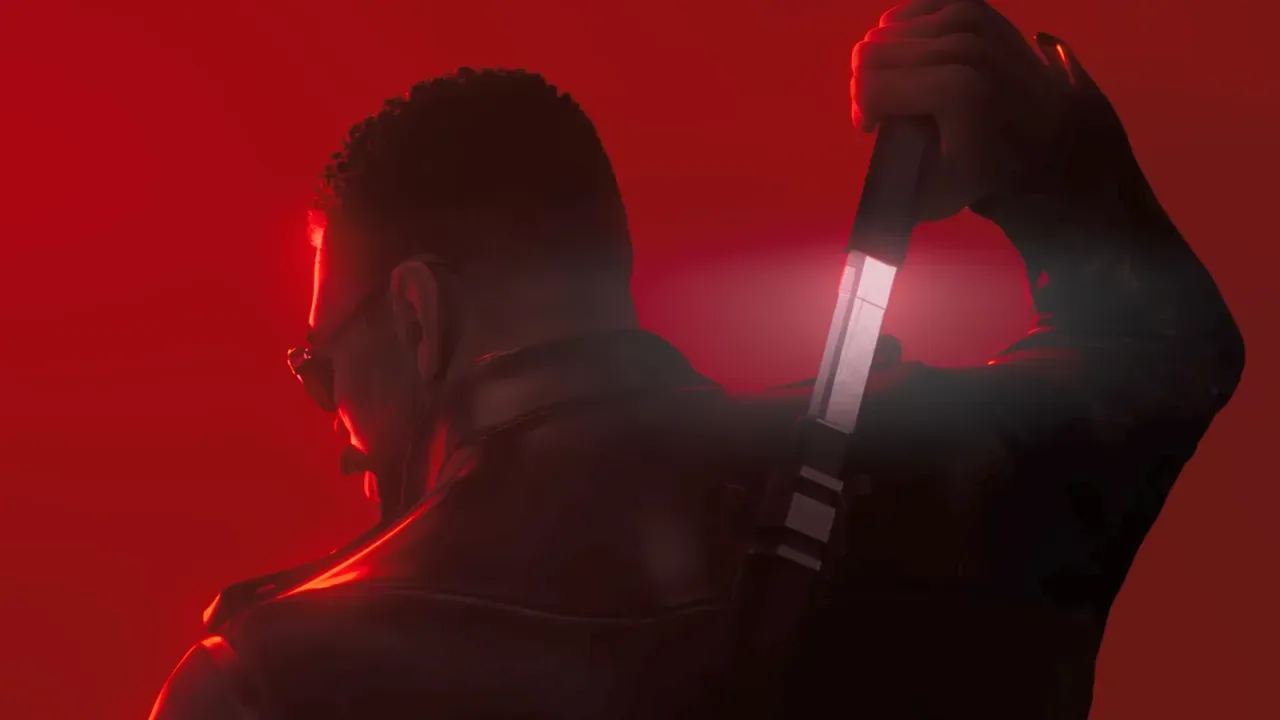
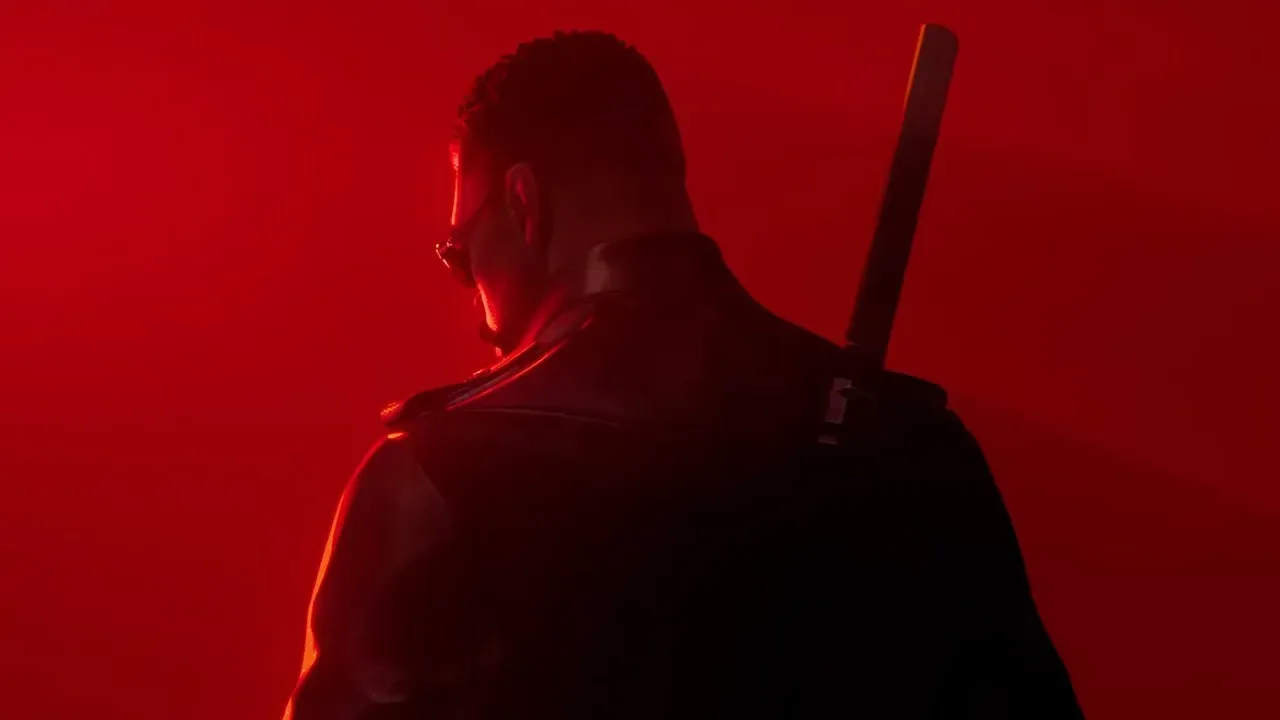
Marvel’s Blade is more than a work-in-progress in this dispute. For the employees represented by STJV, it is evidence that Arkane still has a viable project and a future worth protecting. The union says development is going well, that the anticipated quality is consistent with what players expect from Arkane, and that the game is close to completion. Those are the union’s assessments, not independently verified production milestones.
STJV also contends that closing the studio now would probably cost more than allowing the game to be completed. That is an economic claim rather than a disclosed budget calculation: no detailed figures for the cost of finishing Blade, closing Arkane or selling it have been provided in the supplied material. Still, it explains why the union is pressing to save both the team and the project rather than treating closure as inevitable.
For players, the practical implication is uncertainty. The union wants to finish and release Marvel’s Blade, but it does not establish a release date, platform list, or guarantee that the game will ship. The team’s stated wish is to complete it; the studio’s future remains tied to a potential buyer and broader negotiations.
There is also a boundary the union deliberately draws. It says a future for Arkane must go beyond Blade and should not come at any price for employees. That framing rejects the idea that releasing one game alone resolves the problem. A studio can finish a project yet still lose its staff, identity and ability to make what comes next. STJV is arguing for continuity: employment protections now, meaningful worker involvement in a sale process, and conditions that allow Arkane to remain a functioning creative team afterward.
Sale talks and the one-month extension
French law, as characterized by STJV, gives Arkane an opportunity to seek a buyer. The union says Microsoft extended the deadline to find one by one month after workers raised the situation publicly. It further says Ubisoft is among at least three companies that have made bids for the studio. Neither the terms, identities of the other bidders, nor a final agreement are established in the supplied information.
A bid is not the same thing as a completed acquisition. Any buyer would need to agree terms with the seller, decide what business and personnel it is taking on, and navigate the applicable process. Until an agreement is finalized, employees and players are dealing with a possibility rather than a rescue.
That uncertainty is why STJV wants representation in discussions over a potential buyer. The demand is notable because a sale can affect far more than who owns a studio’s name. It can determine which employees transfer, what happens to work already underway, whether the studio retains operational resources and whether the buyer is committed to supporting it after the transaction.
The Arkane situation also arrives alongside another reported Xbox studio uncertainty: two separate agreements intended to save Hellblade developer Ninja Theory have reportedly fallen through. The available information does not connect the negotiations beyond showing that studio ownership and survival can be unsettled even where teams and projects retain public visibility.
What workers are asking Microsoft to provide
STJV’s demands go beyond a request to keep Arkane open. The union is calling for worker representation and participation in choosing a potential buyer, plus a protection fund aligned with PSE compensation if people are dismissed for economic reasons. In this context, PSE refers to the French employment-protection process associated with collective economic redundancies.
If closure proceeds, the union says compensation should reflect Microsoft’s scale. Its proposal includes:
- a €200,000 redundancy payment;
- two years of redeployment support funded by Microsoft;
- shared resources for training and establishing studios; and
- a remaining bonus intended to help employees plan for the future.
These are demands, not confirmed terms. They provide a concrete picture of what STJV considers an adequate response if Arkane’s staff are displaced: not only a severance payment, but time, support and tools to secure new work or build something new.
“Redeployment” is important here. It means helping affected workers transition into another role or employer rather than ending the relationship with a payment alone. The union’s request for two years of assistance indicates that it sees the potential impact as long-term, particularly for a specialized team whose careers have been built around collective game development.
The profitability argument and cash pooling explained
STJV disputes the premise that Arkane should be seen as an unprofitable or failed studio. It says the studio’s previous games have collectively sold tens of millions, while arguing that those results are not reflected in company reporting in a way that gives Arkane credit. Its blunt formulation is that Arkane is profitable, but not profitable enough for Microsoft.
The union also points to a “cash pooling” arrangement. Cash pooling is a corporate treasury practice in which money held by subsidiaries or individual business units is centralized at group level. It can be used to manage liquidity across a company, but STJV argues that Arkane’s cash pool remains low because remaining cash is systematically transferred to the wider group. The union presents this as another reason standalone-looking financial measures may not capture the studio’s actual contribution or ability to operate.
There is no financial documentation in the supplied material that independently settles Arkane’s profitability, the treatment of its historic sales, or the effect of cash pooling. What is clear is the union’s broader challenge to how the studio is being measured: it rejects a narrow reading of local costs and argues that a large parent company’s internal financial structure should not erase the value created by Arkane’s work.
STJV places that argument against Microsoft’s reported financial scale. It cites more than $133 billion in net profit over past years and notes that Microsoft’s latest quarterly report listed $36.6 billion in net income, up 32% on a GAAP basis. GAAP, or Generally Accepted Accounting Principles, is an accounting framework used to standardize financial reporting. The union’s point is moral as well as financial: it believes a company reporting those results can and should fund stronger protections for workers facing a closure.
What is known, and what remains unresolved
The union’s letter establishes its position with unusual clarity: Arkane employees want to complete Marvel’s Blade, preserve the studio if a buyer can be found, and receive robust protections if that effort fails. It alleges that a 19-month hiring freeze harmed production and that Microsoft should be accountable for the impact.
But several decisive questions remain open. Will a buyer be selected before the extended deadline? Would a sale include the staff and the ongoing work on Blade? Will Microsoft respond to the union’s allegations or negotiate over the proposed protections? And, ultimately, will Arkane have a future that extends past its current project?
For readers tracking the wider employment picture in games, recent reports on development continuing after team layoffs underline why a game’s status and a studio’s stability are not always the same question. In Arkane’s case, the workers’ message is that a completed game would matter—but so would the people who made it, and the conditions under which they are asked to move forward.