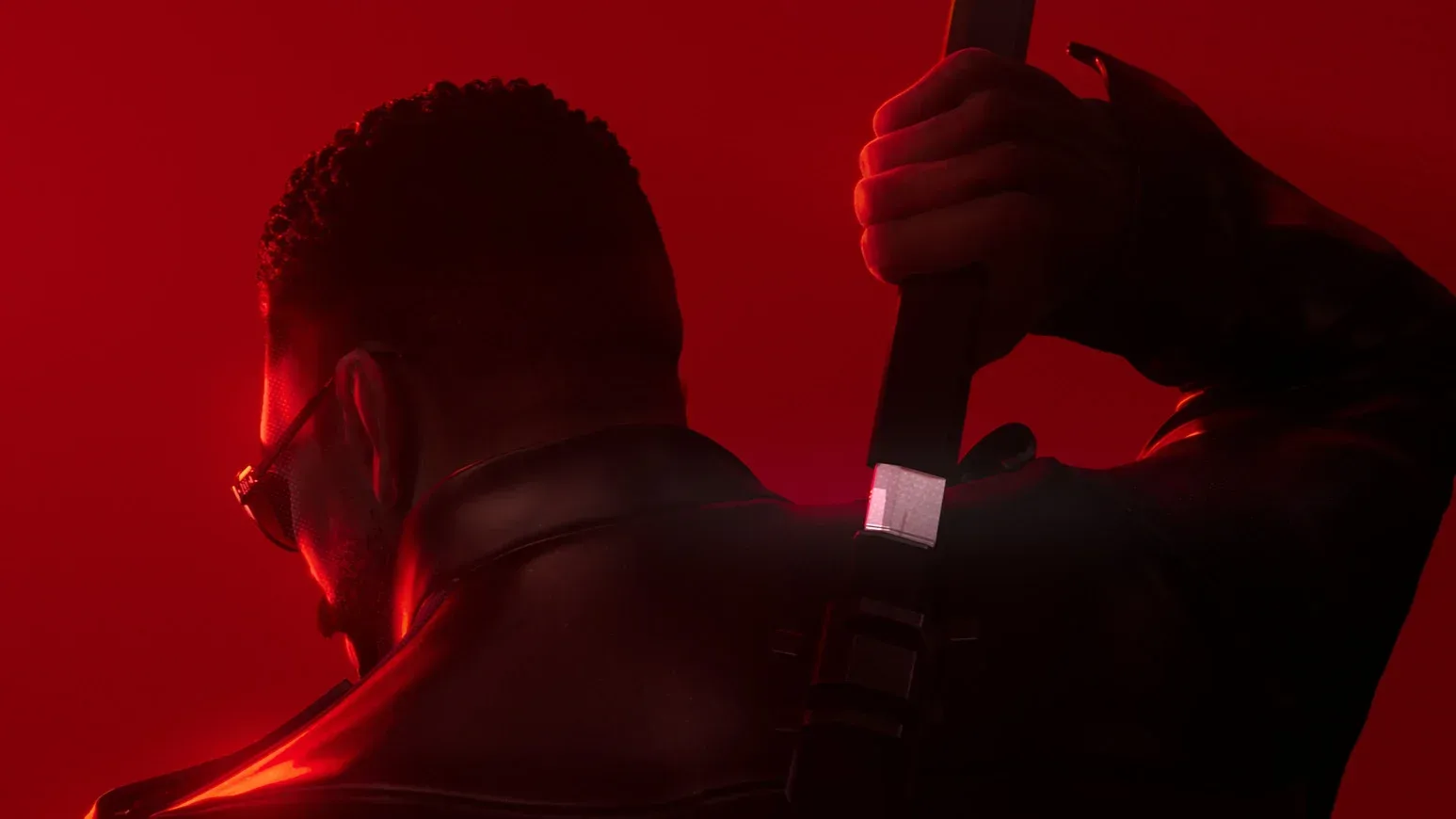
Ubisoft is reportedly among the companies pursuing Arkane Lyon, the French developer behind Dishonored 2, Deathloop and the in-development Marvel’s Blade, as Microsoft considers potential bids for the studio.
At least three companies have reportedly submitted offers, though the other interested parties have not been identified and Microsoft has not accepted a bid. That leaves the situation firmly in the reported-and-unresolved column: a possible sale is being explored, not a completed deal, and no buyer or transaction terms have been confirmed.
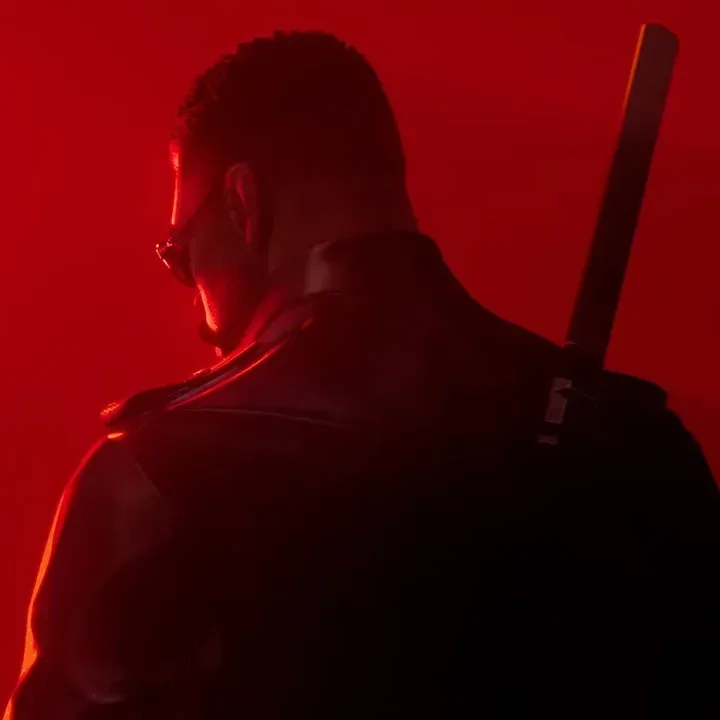
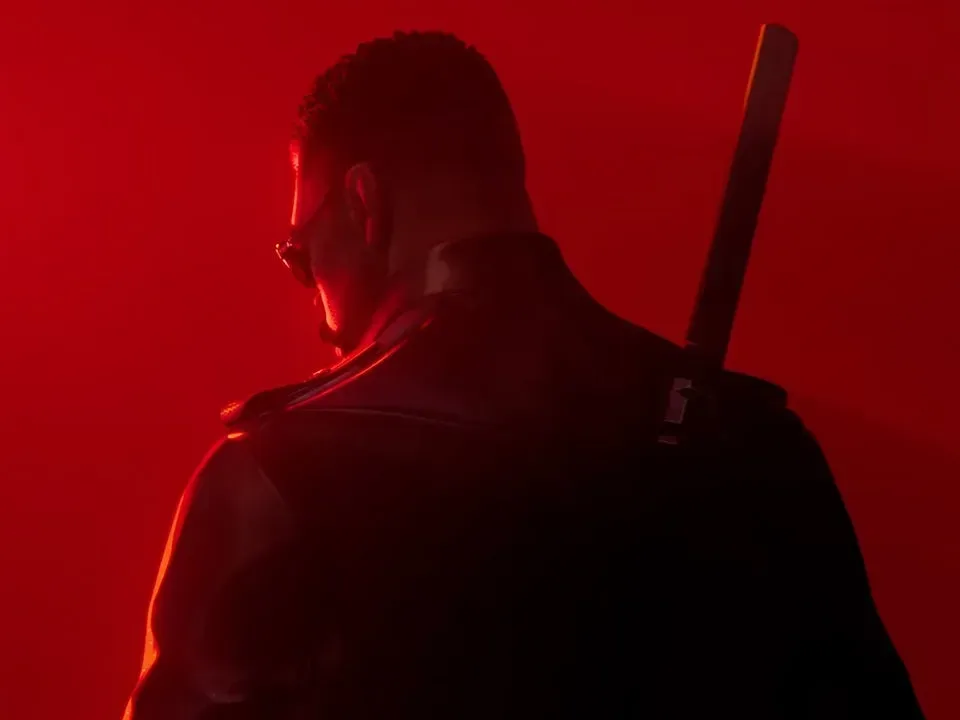
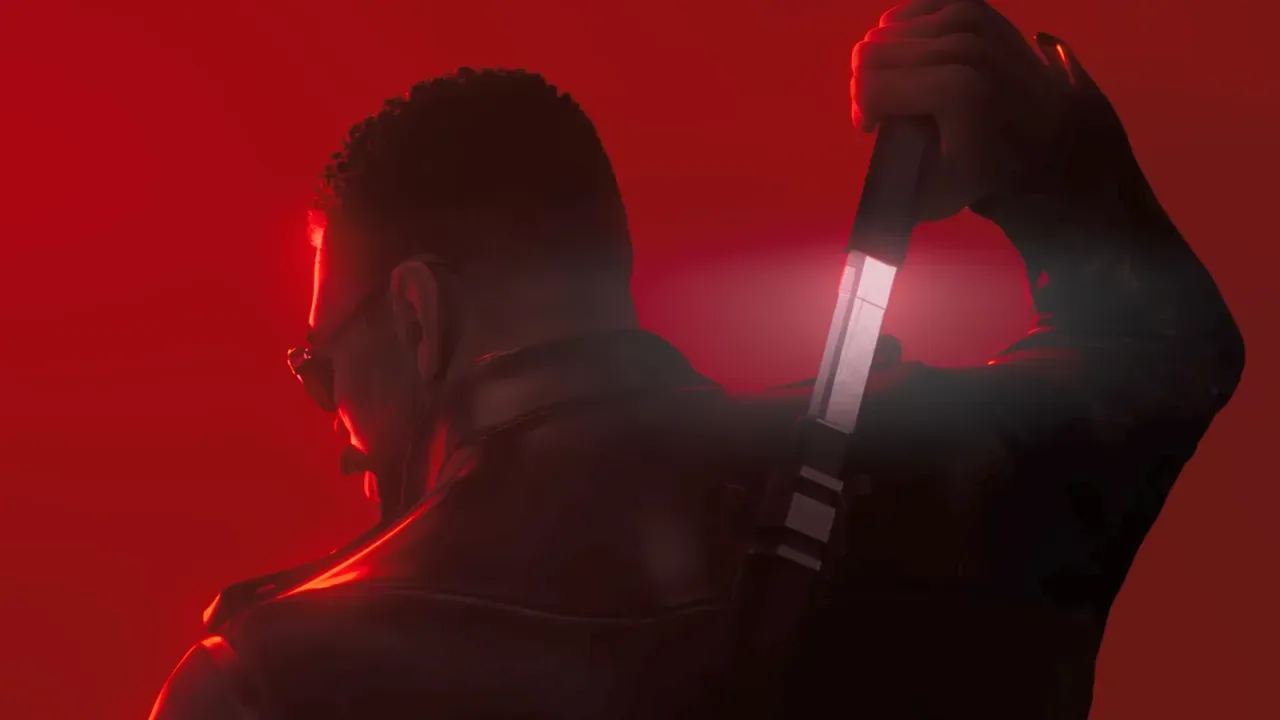
The immediate importance is clear. Arkane Lyon is currently making Marvel’s Blade, and a sale could give the studio a route to finish that project. The game is reportedly expected within the next year or two, but that is an expectation rather than a release commitment. No platforms, launch date, deal structure or ownership details for the Marvel project have been established by the information available.
What is being reported — and what is not
The reported interest from Ubisoft is notable because it would potentially bring a well-known French publisher together with a French studio whose catalogue is built around highly authored action games. But the report does not establish that Ubisoft is the frontrunner, that a transaction is imminent, or that Arkane Lyon will definitely leave Microsoft.
It also does not say whether the prospective purchasers are bidding for the studio alone, its staff and active development work, particular game rights, or some larger arrangement. Those distinctions matter enormously in a studio sale. A development team can change corporate ownership while individual intellectual-property rights, publishing rights and licensing obligations remain with other companies.
In this case, that uncertainty is especially important because Arkane Lyon’s next announced game uses Marvel’s Blade character. A buyer for the studio would need a workable path for the project to continue, but the reported information does not spell out how any Marvel-related arrangements would be handled. It is best not to assume that a bid for Arkane Lyon automatically answers every question around its games, brands or future releases.
For now, the solid takeaways are narrower: Ubisoft is reportedly interested; there are at least two other bidders; Microsoft has reportedly made no decision; and Arkane Lyon’s ongoing work on Marvel’s Blade is central to why the studio’s future is drawing attention.
Why Arkane Lyon is a consequential studio
Arkane Lyon’s reputation rests on games that reward observation, experimentation and player-driven problem solving. It developed Dishonored 2, as well as Deathloop, a first-person immersive sim that received a 10-out-of-10 score in one major review.
Related coverage includes Ubisoft Reportedly Joins Bidders Seeking to Acquire Arkane Lyon From Microsoft.
An immersive sim is a loose genre label rather than a rigid checklist. It generally describes games that give players systems to manipulate and multiple ways to solve a challenge. Instead of demanding one prescribed route through an encounter, such games may support stealth, direct combat, environmental improvisation, use of special abilities, alternate paths or combinations of those approaches. The appeal is not merely a big map or a pile of side content; it is the feeling that a space and its rules can be understood, then bent to the player’s plan.
That design tradition makes the fate of Arkane Lyon more than a standard corporate transaction story. Teams with a distinct creative discipline are not interchangeable simply because another studio could hire talented people or make an action game in a similar camera perspective. The value of a studio can include long-standing working relationships, design processes and the accumulated experience needed to make complex systems feel deliberate rather than chaotic.
That does not mean a potential buyer would be purchasing a guarantee of future quality. Development is collaborative, projects change and ownership transitions bring uncertainty. Still, Arkane Lyon’s credits explain why interest in the studio extends beyond the status of one unreleased title.
Marvel’s Blade puts a major project at the center of the decision
Marvel’s Blade changes the stakes around Arkane Lyon’s reported sale process. It is the studio’s current project, and it links Arkane’s design identity with one of Marvel’s established characters. The available report says a transaction would allow the team to complete the game, with the expected release window falling within the next one or two years.
That wording matters. It frames continuity as a key issue: whoever ultimately owns or supports Arkane Lyon would need to preserve the team’s ability to finish its work. Yet “would allow” is not the same as “will guarantee.” Game development has too many moving parts for a potential acquisition to settle every schedule, staffing and production question before an agreement is actually announced.
For players following the game, the practical implication is patience rather than prediction. There is no confirmed revised schedule to react to, no confirmed cancellation and no confirmed platform change. The reported bidding process is meaningful because it may shape the conditions under which the game is finished, but it does not provide enough evidence to declare what the finished product or release plan will be.
It also places a little extra focus on the tension between a studio’s established strengths and a licensed superhero project. Arkane Lyon’s past work suggests expertise in first-person systemic design, while the details of how that sensibility will appear in Marvel’s Blade have not been set out here. The temptation is to fill in those blanks. The better approach is to separate the studio’s documented history from unconfirmed assumptions about the new game.
The wider Xbox reset context
The reported Arkane Lyon bids come amid a broader Xbox “reset” that has already involved closures, project cuts, layoffs and studio spinouts. Arkane Austin, Arkane’s Texas-based sister studio, was closed by Microsoft in 2024 during a larger round of cuts.
Arkane Austin had previously made the original Dishonored and Prey, the latter described as an immersive sim that had launch bugs but was quickly fixed. Its final game was 2023’s cooperative vampire-hunting shooter Redfall, which was poorly received and earned a 4-out-of-10 review score from one outlet.
The Austin closure is relevant to the current situation because it demonstrates that the fate of an Xbox-owned studio can change sharply during a restructuring period. It does not, however, prove that Arkane Lyon faces the same outcome. The current report instead describes interest from multiple prospective buyers and the possibility of a sale that would enable completion of Marvel’s Blade.
Four other studios have reportedly been spun out rather than immediately shut down. Double Fine and Compulsion Games have become independent. Undead Labs has also become independent and has signed a publishing deal with an unnamed company for State of Decay 3. Ninja Theory’s position appears less settled: two potential acquisition agreements reportedly fell through, and the studio may still close.
Together, those examples show that “spun out” is not a single, simple outcome. Independence may mean a clean break, a new publishing partnership, a pending buyer search or an uncertain future. In business terms, a spinout moves a studio outside the former parent company’s first-party structure. In practical terms, the consequences depend on financing, publishing, leadership, project rights and the stability of the team after the transition.
That makes Arkane Lyon’s prospective sale worth watching for more than its headline value. If a buyer is selected, the eventual announcement may clarify whether the studio is operating independently under a publisher, being integrated into a larger organization, or working through a bespoke arrangement designed around completing Marvel’s Blade.
What Ubisoft’s reported interest could mean
Ubisoft’s reported participation is significant, but it should be interpreted cautiously. Interest in buying a studio does not necessarily mean a company has settled on a final creative strategy, nor does it reveal what level of autonomy a developer might retain after a deal. A bid is an opening position in a process, not a public roadmap.
There is a straightforward reason Arkane Lyon may be attractive: it has a recognizable creative track record and an active high-profile project. A prospective owner may value those assets differently. One bidder may primarily want the team and its development expertise. Another may place greater emphasis on Marvel’s Blade and the chance to see the project through. Without bid details, assigning motives would be speculation.
For the wider games business, this is another reminder that an individual studio’s future can turn on factors far beyond a game’s creative ambition. Corporate strategy, project funding, licensing arrangements and buyer confidence all shape whether a team can continue operating. The most useful signal for fans will not be rumor alone, but a confirmed agreement that explains who is responsible for Arkane Lyon and what it means for the game currently in production.
Until then, Arkane Lyon remains defined by two facts pulling in opposite directions: it is an accomplished studio with a major project ahead of it, and it is reportedly the subject of an unresolved sale process. The details of that process may determine where its next chapter is written. For more on the wider industry pressures shaping major releases, see our look at how GTA 6’s release window may affect other games.