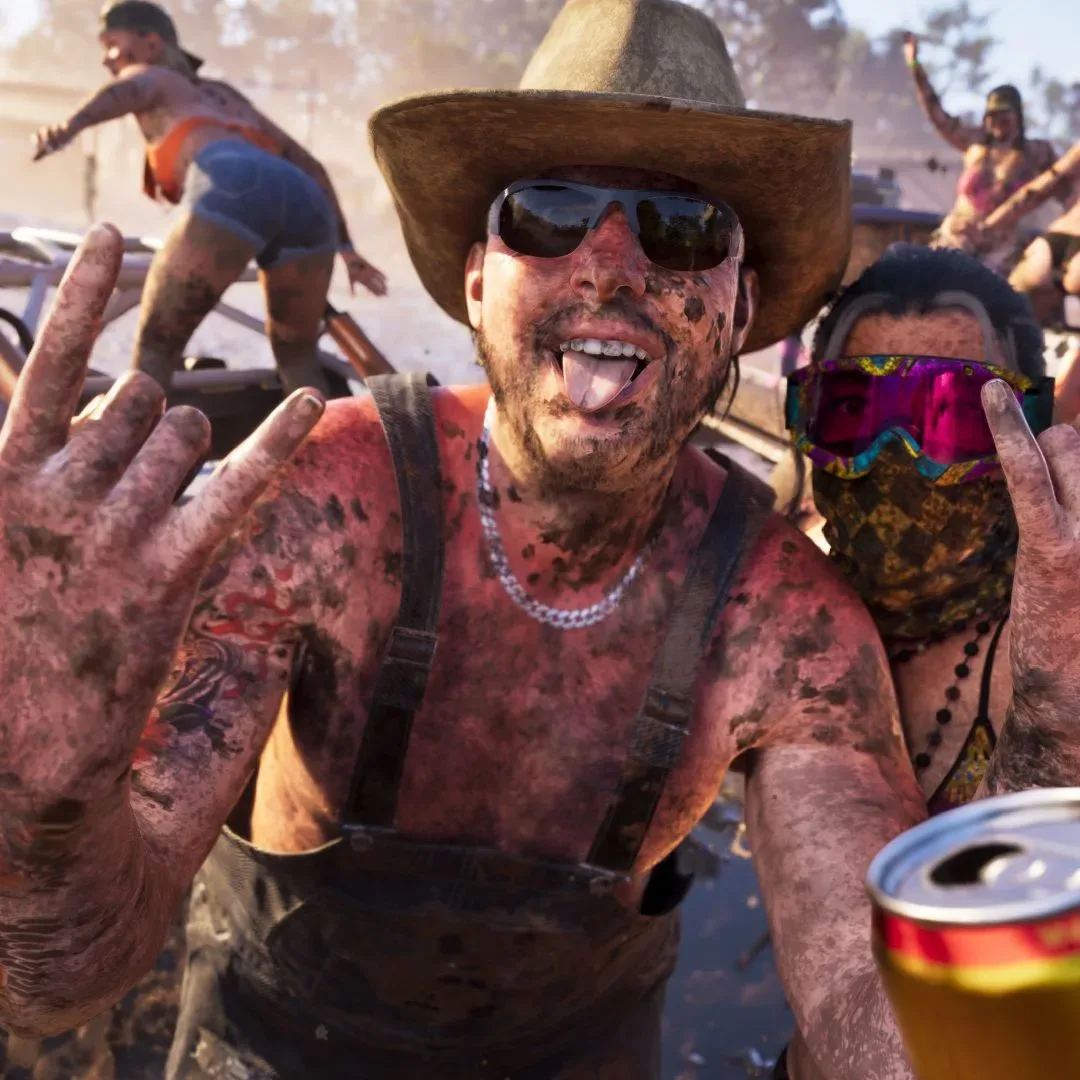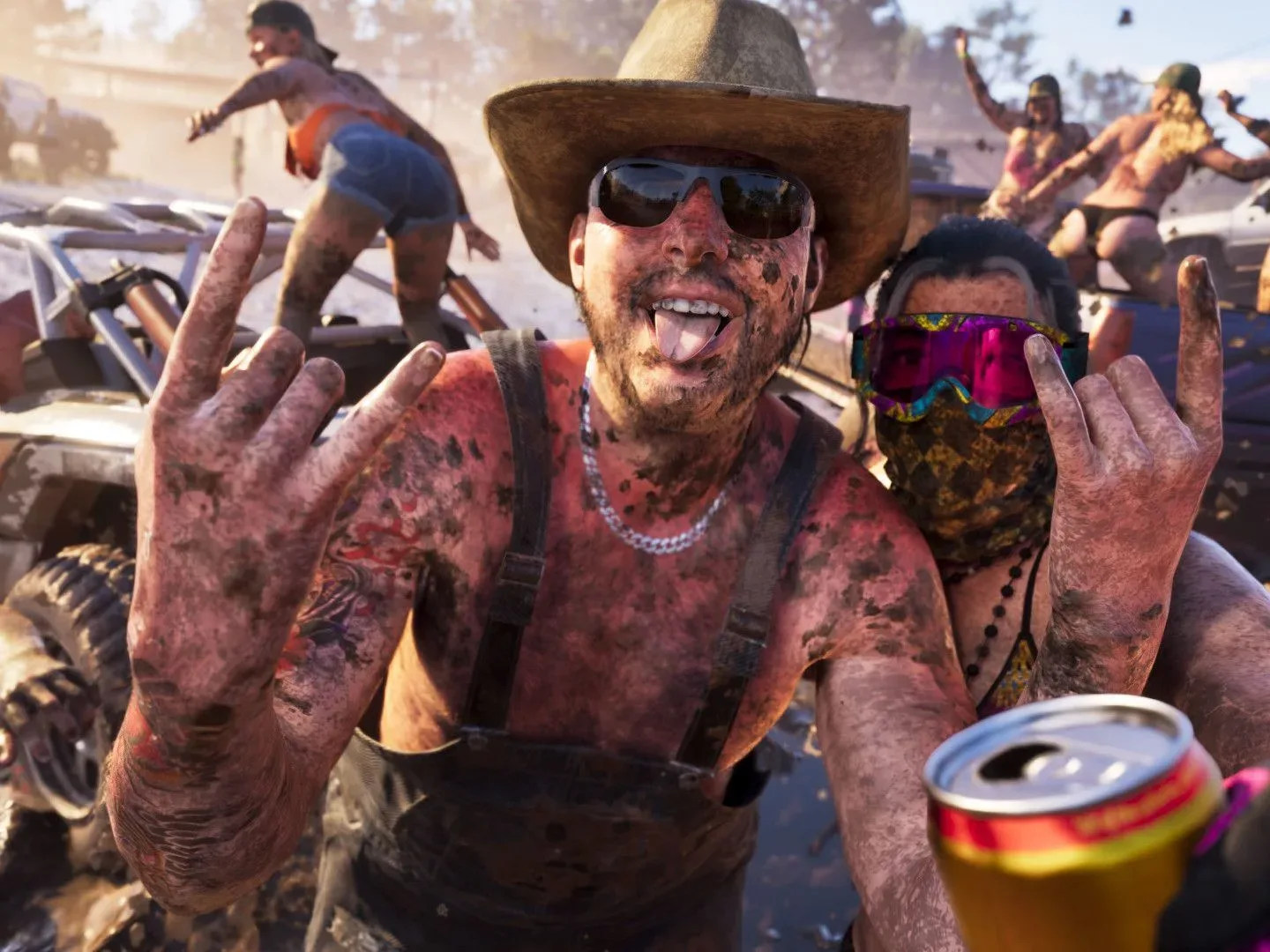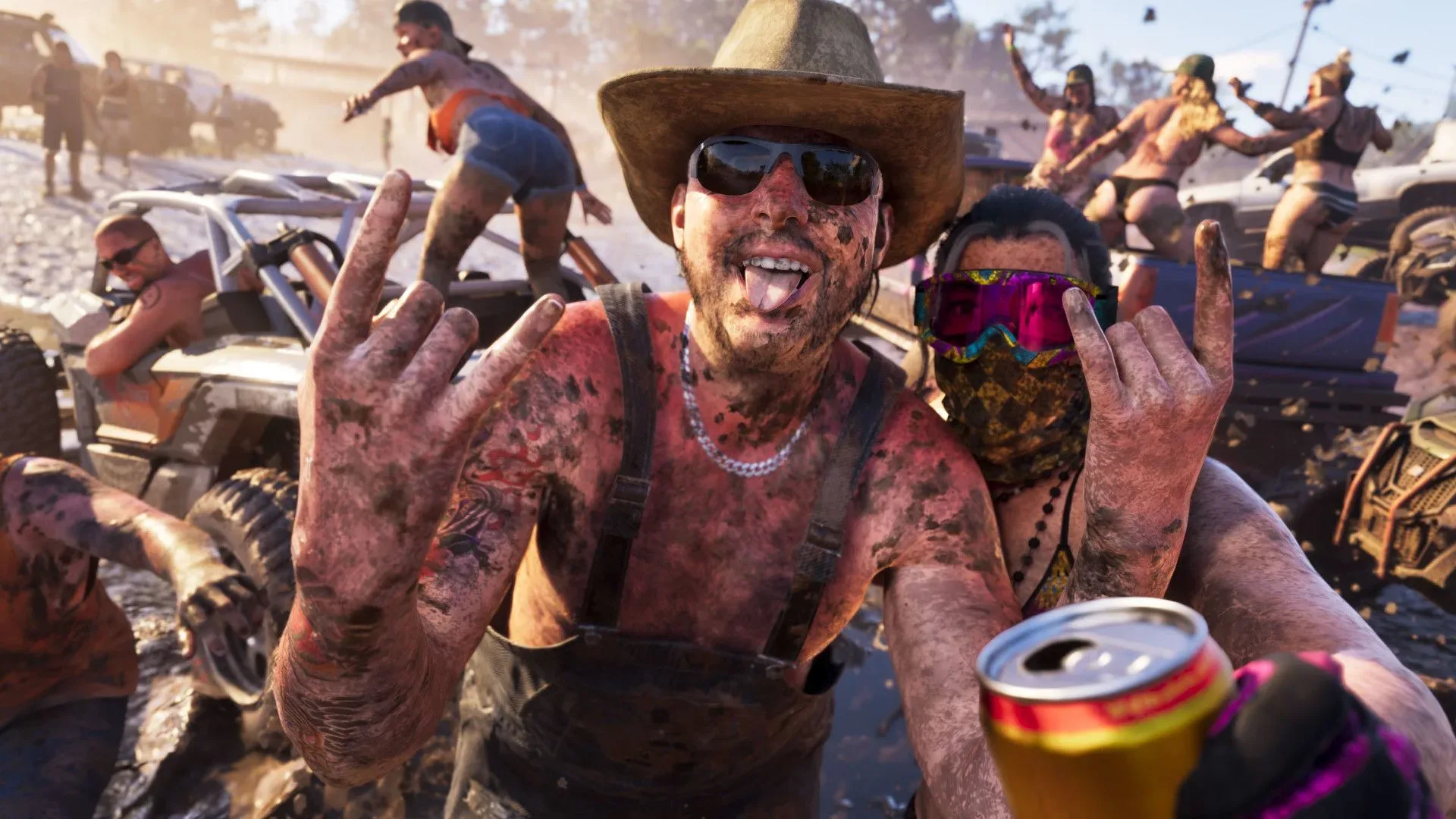
November looks set to become a fascinating test of how much one enormous release can reshape the rest of the games business without necessarily swallowing every game in sight. Grand Theft Auto 6 is scheduled for November 19, and its presence appears to have helped make publishers and developers reconsider whether they want their own launches anywhere near that date.
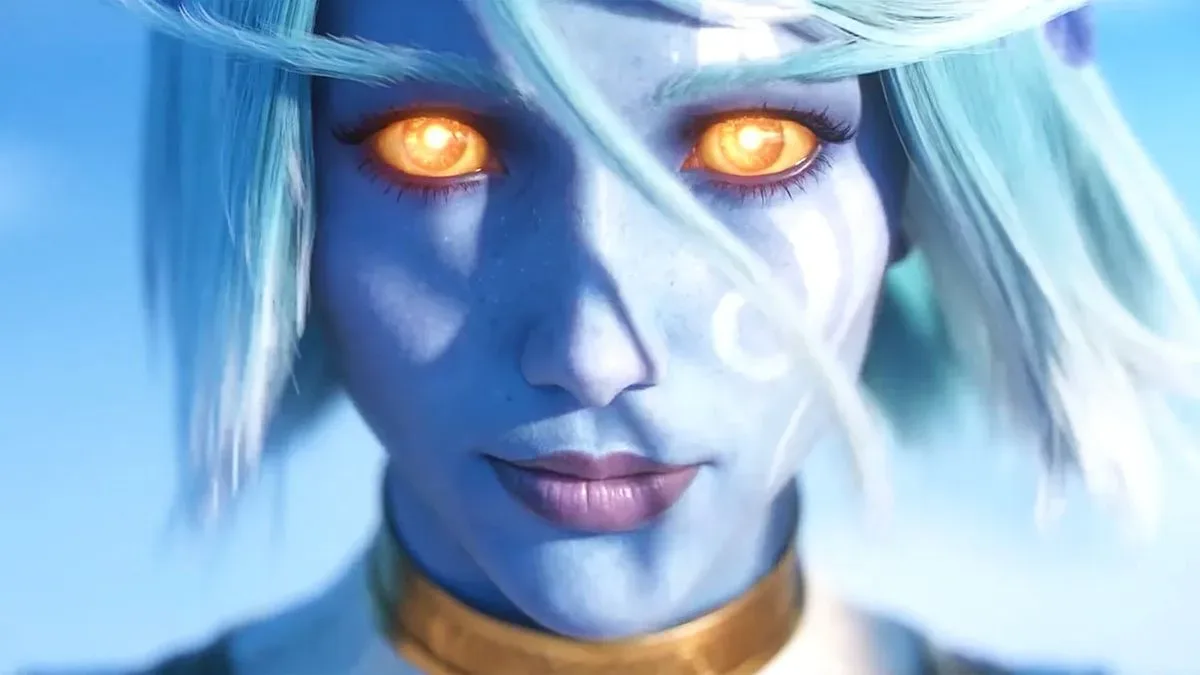
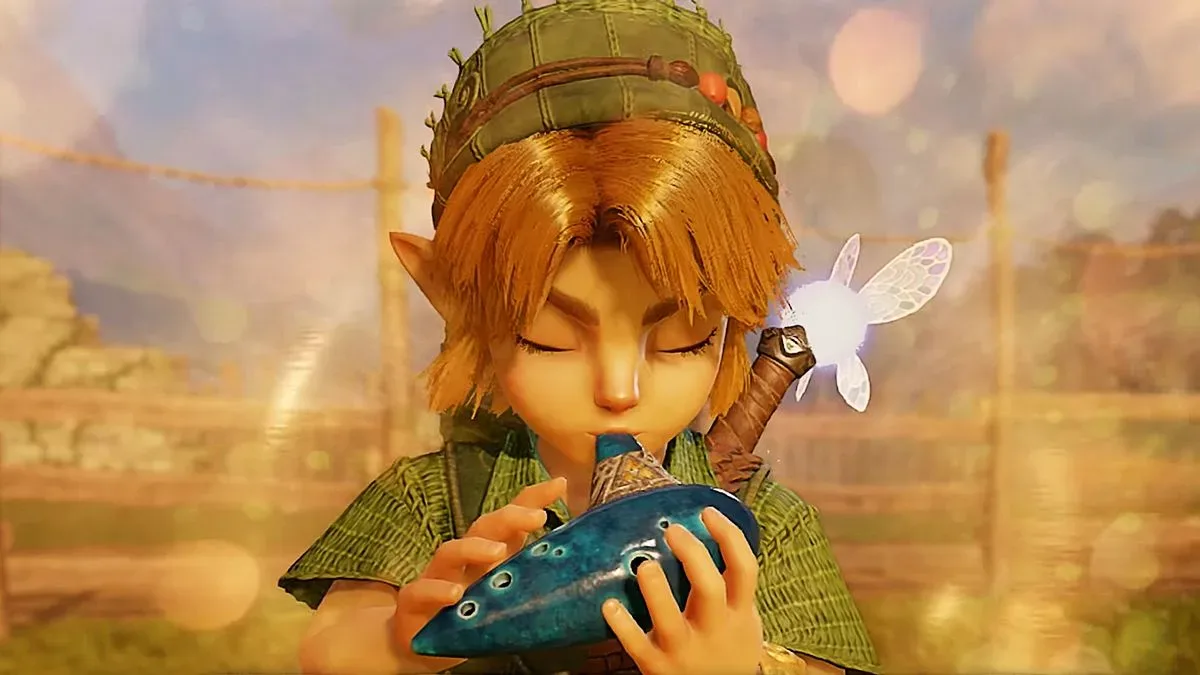
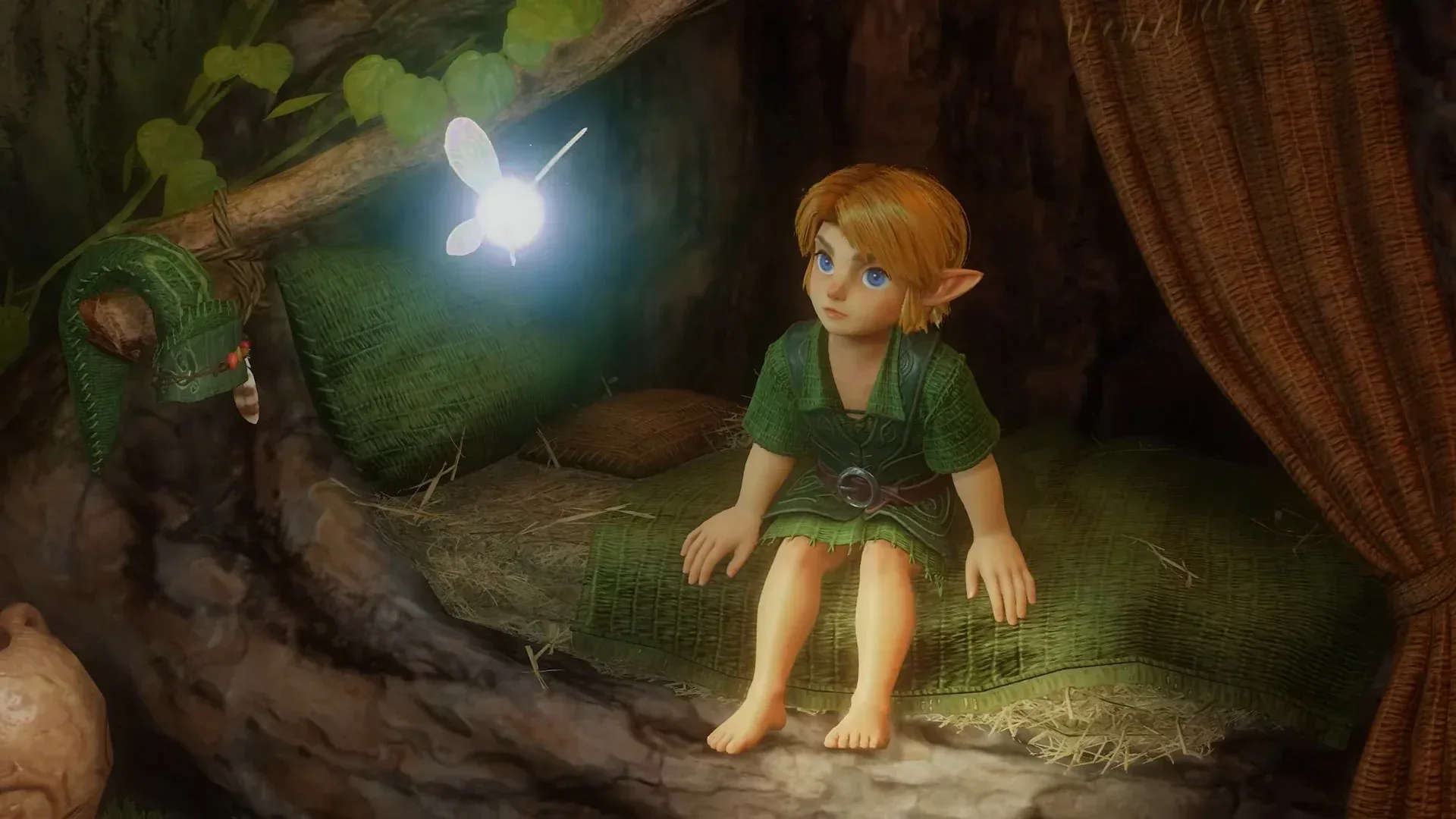
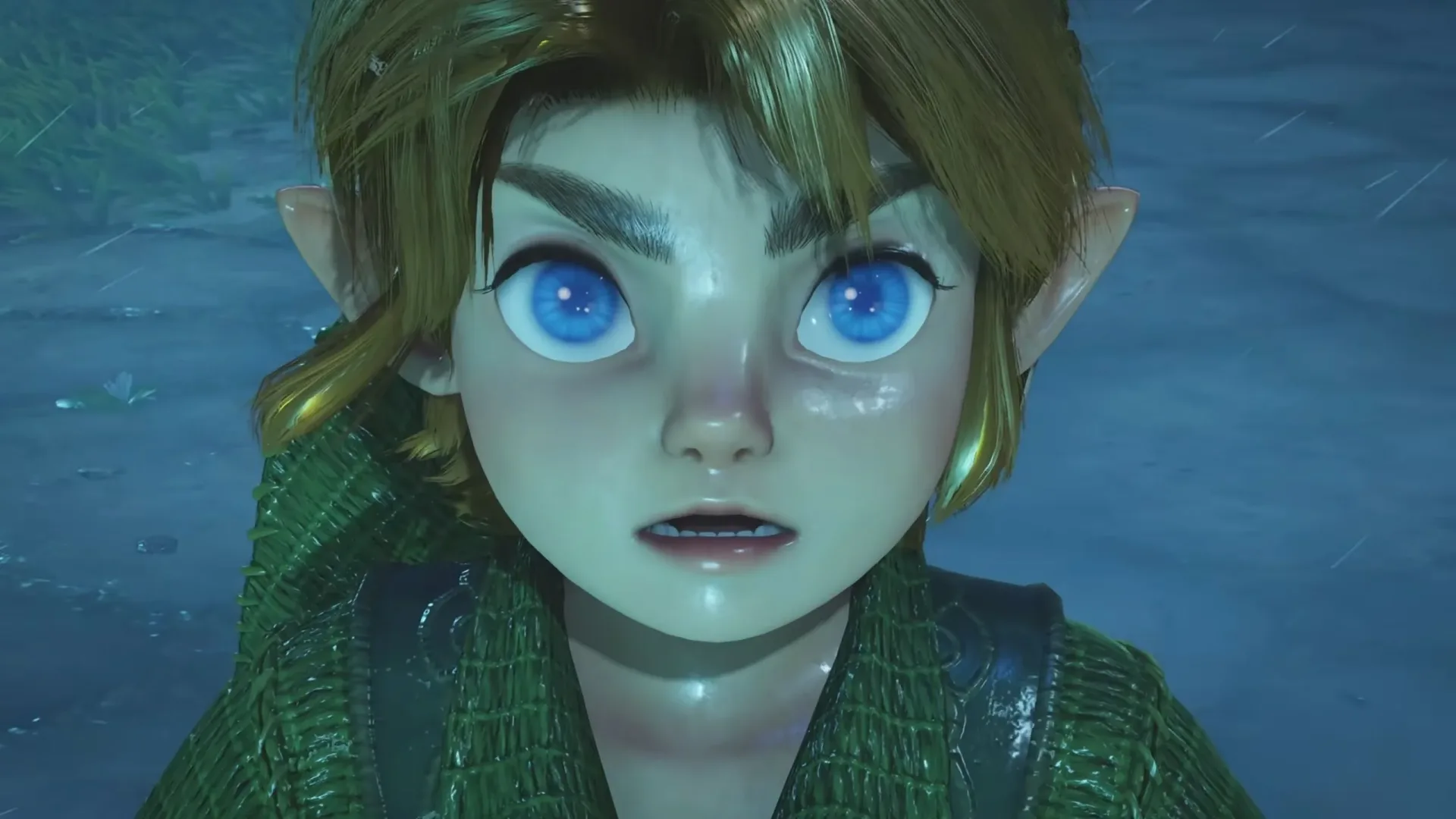
That understandable caution may have created an odd upside for two other major November games: The Legend of Zelda: Ocarina of Time remake, due November 8, and World of Warcraft: Forever, due November 4. They are substantial releases in their own right, aimed at audiences with different hardware, habits and expectations. Yet the broader fear of GTA 6 could mean fewer premium releases fighting for attention around them than there otherwise might have been.
There is an important qualifier: no release window is ever truly empty. Games compete not only with other boxed or premium launches, but with free-to-play games, long-running live-service games, backlogs, subscriptions, social media and the basic reality that players have finite time and money. Still, a month with fewer closely positioned blockbuster launches can be materially different from a month packed wall-to-wall with them.
A huge launch can influence decisions far beyond its own genre
GTA 6 is expected on PlayStation 5 and Xbox Series X, while World of Warcraft: Forever is positioned on PC and Ocarina of Time remake is November’s major Switch 2 release. That platform separation matters. Someone committed to PC gaming cannot simply buy the new Grand Theft Auto release on that platform at launch, while a Switch 2 owner who does not participate in the PlayStation or Xbox ecosystem has an especially direct reason to focus on Zelda.
Mat Piscatella, games industry analyst at Circana, suggests that decisions to move games away from November are likely to have varied from company to company. Some publishers may see direct competition; others may simply fear that GTA 6 will consume so much public attention that it becomes hard for any other campaign to be heard.
“I’m sure it’s a little different for everyone who decided to move their game out, whether it was a feeling of direct competition or just not wanting to try to grab any air and have it all be suffocated away by Grand Theft Auto,” Piscatella said.
That distinction is useful. Direct competition means games are plausibly seeking the same customer’s immediate purchase: perhaps similar platforms, price points, genres or audiences. Attention competition is broader. A cozy simulation, puzzle-platformer or first-person shooter may not resemble GTA 6 at all, but it still needs trailer views, headlines, streams, storefront visibility and player conversation. A release as large as Grand Theft Auto can dominate each of those scarce channels at once.
Piscatella’s view is not that every game necessarily had to flee. He specifically questioned why a title from a clearly different niche would automatically need to move for Grand Theft Auto. The point is less that GTA 6 makes all other games commercially impossible and more that publishers may be making conservative calls in the face of an unusually intimidating release.
Related coverage includes GTA 6's November Launch Could Leave Room for Zelda and WoW: Forever.
Why Zelda’s window is not simply a gift from Rockstar
It would be too neat to say GTA 6 has handed Nintendo an easy month. Nintendo’s first-party releases occupy a distinctive place on Nintendo hardware, and Piscatella noted that this can make the platform’s window feel open by default: the audience uses the platform primarily for those games. A remake of Ocarina of Time, one of the most recognizable games in the medium, brings its own momentum regardless of what happens elsewhere.
That does not mean there is no overlap. Circana tracking indicates that about 15% of people intending to buy GTA 6 also intend to buy the Ocarina of Time remake. The figure is a reminder that audiences are rarely as neatly separated as platform-war shorthand suggests. Some players can be interested in a vast crime game and a fantasy adventure; some households can own multiple consoles; and some buyers may simply plan their purchases across the month rather than choosing only one title.
The connection between these releases also extends beyond gameplay. Piscatella characterized both as leaning toward older portions of the market by age range and drawing, in different ways, on nostalgia. That does not make them interchangeable. It does suggest that both may appeal to players who have long relationships with their franchises and who can afford current console hardware in an environment affected by pricing, supply constraints and what Piscatella described as a RAM crisis.
“Nostalgia” here should not be reduced to a sentimental marketing checkbox. In practical terms, it can mean familiarity: players know what an older Grand Theft Auto represented to them, or they remember Ocarina of Time’s place in their own gaming history. A remake also gives Nintendo an opportunity to introduce an established work to people who did not play its original version. The commercial appeal can therefore stretch across returning fans and newer players, though the scale of either group has not been established.
There is already a related detail around the remake that speaks to its relationship with the original: the project’s casting process included a recast of an original N64 voice. It is a small but illustrative example of why a remake can attract attention beyond a routine rerelease. Familiarity is part of the proposition, but so is the question of how a beloved work is being revisited.
World of Warcraft: Forever has a different kind of opening
World of Warcraft: Forever faces a very different market dynamic. It is on PC, where GTA 6 is not launching, which sharply limits direct platform conflict. But PC is also difficult to call quiet. The platform contains a constantly changing mix of new premium games, free-to-play titles and established services that compete for daily engagement. In other words, it may have less GTA 6 pressure at launch, but it is never free of competition.
Piscatella described Forever as another nostalgia-driven release and called it something of a dark horse in terms of its possible overall impact. His assessment was informed by strong reaction and participation during the beta. That is encouraging evidence of interest, but it is not a guarantee of commercial outcomes; beta enthusiasm and a game’s longer-term performance are different questions.
The word dark horse is appropriate in this context because it signals potential without pretending the result is already known. World of Warcraft has name recognition and the beta has generated a positive response, but the size and durability of the release’s impact will only become clearer after launch. Its early-November timing gives it a period before GTA 6 arrives, yet it will still be competing with the enormous quantity of entertainment already available to PC players.
There may also be crossover among all three audiences. That possibility does not require players to treat the games as substitutes. People can play a continuing online game, pick up Zelda on a Nintendo device and later buy GTA 6 on console. The more consequential question may be one of time allocation: a player’s enthusiasm for multiple releases does not automatically create enough hours to engage deeply with each one during the same few weeks.
The real question is the blast radius
The most revealing part of this release calendar may not be whether GTA 6 sells extraordinarily well. Its cultural and commercial importance has already made it a focal point for the holiday season, and Piscatella expects it to contribute to higher industry spending and potentially bring more players into the market. The harder question is how the game affects releases that left the period, releases that launched shortly before it, and releases now heading into January or February.
That broader knock-on effect is often described as a blast radius: the indirect consequences that travel beyond the immediate launch date. A game delayed into early next year does not disappear from the market; it enters a different competitive landscape, faces different promotional conditions and potentially changes the prospects of other games already there. Likewise, games released in September or October may face a renewed struggle for attention once November’s biggest titles arrive.
“These three games? Great. Everything else in the market, we’ll see,” Piscatella said, pointing to the uncertainty around September and October releases as well as titles moved into January and February.
That uncertainty should temper both the panic and the celebration surrounding the schedule. It is plausible that the absence of certain releases makes November friendlier for Zelda and World of Warcraft: Forever. It is also plausible that the sheer volume of gaming options means any advantage is limited. Nintendo’s platform ecosystem, PC’s relentless stream of alternatives, and GTA 6’s console footprint all create separate but overlapping competitive realities.
What players should take from the crowded calendar
For players, the immediate implication is not that they must pick sides between the three games. Instead, November may expose the practical limits of the holiday release model. Major games landing days apart can create budget pressure, time pressure and backlog pressure even when they serve different platforms. The 15% GTA-and-Zelda overlap is a concrete sign that at least part of the market is looking at more than one big purchase.
- Console players may face a choice between buying immediately and scheduling purchases across the holiday period.
- Switch 2-focused players have a major first-party release that is not directly crowded out by GTA 6 on the same hardware.
- PC players can approach World of Warcraft: Forever without a same-platform GTA 6 launch, while still navigating an always-active PC market.
- Players interested in multiple franchises may be the clearest example of why genre labels alone do not explain buying behavior.
For publishers, November is a reminder that calendar strategy is not merely about avoiding similar games. A release can be displaced by a blockbuster’s attention gravity even if the two products have almost nothing in common. But moving too quickly can create its own risks, including a crowded early-year window and a longer wait between marketing beats and release.
GTA 6 may indeed have opened a little breathing room for Ocarina of Time remake and World of Warcraft: Forever—not because it made November empty, and not because those games need rescuing, but because other companies appear reluctant to stand close to such a large launch. The size of that benefit, and the cost paid elsewhere on the calendar, remains the part worth watching.