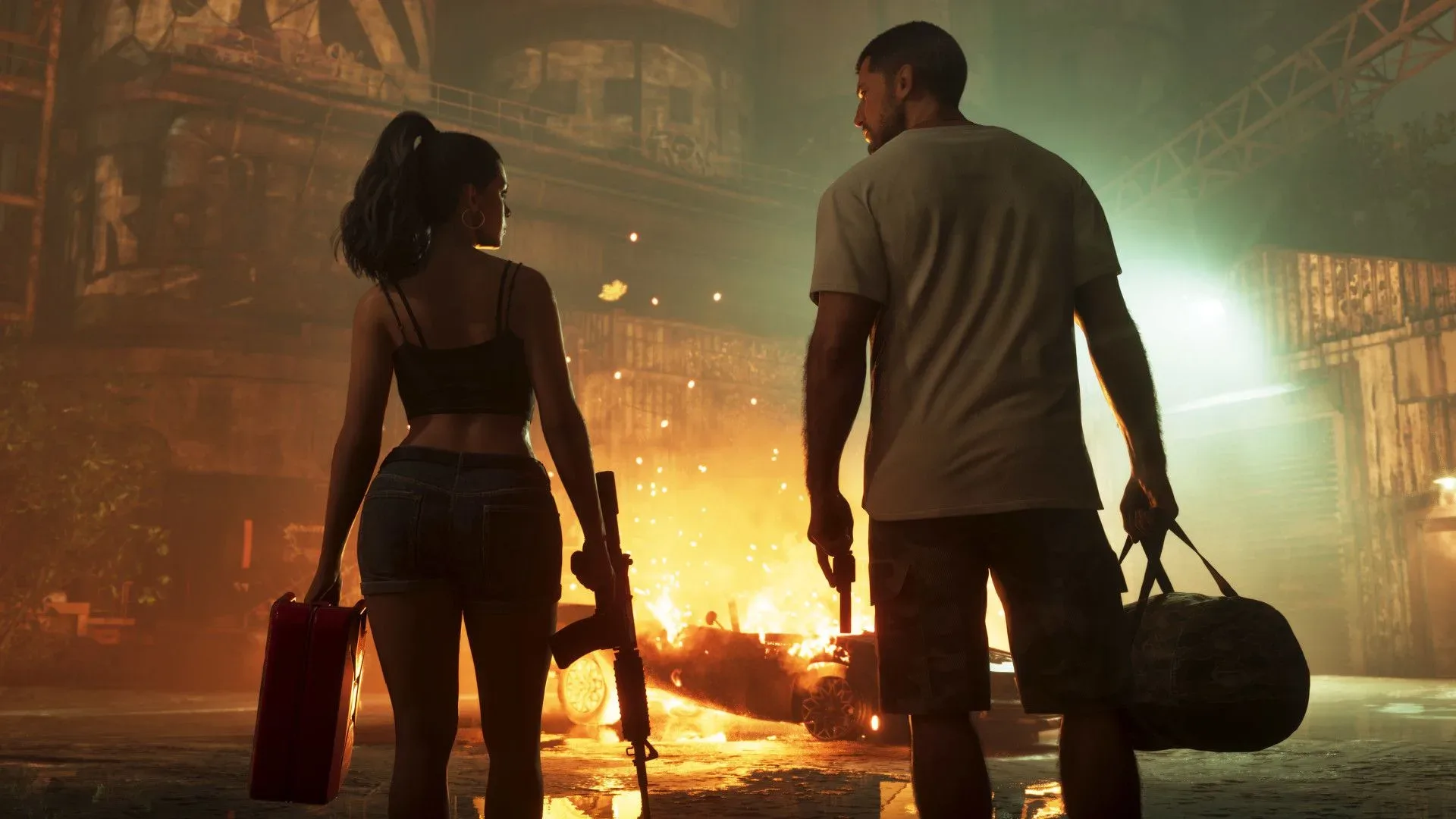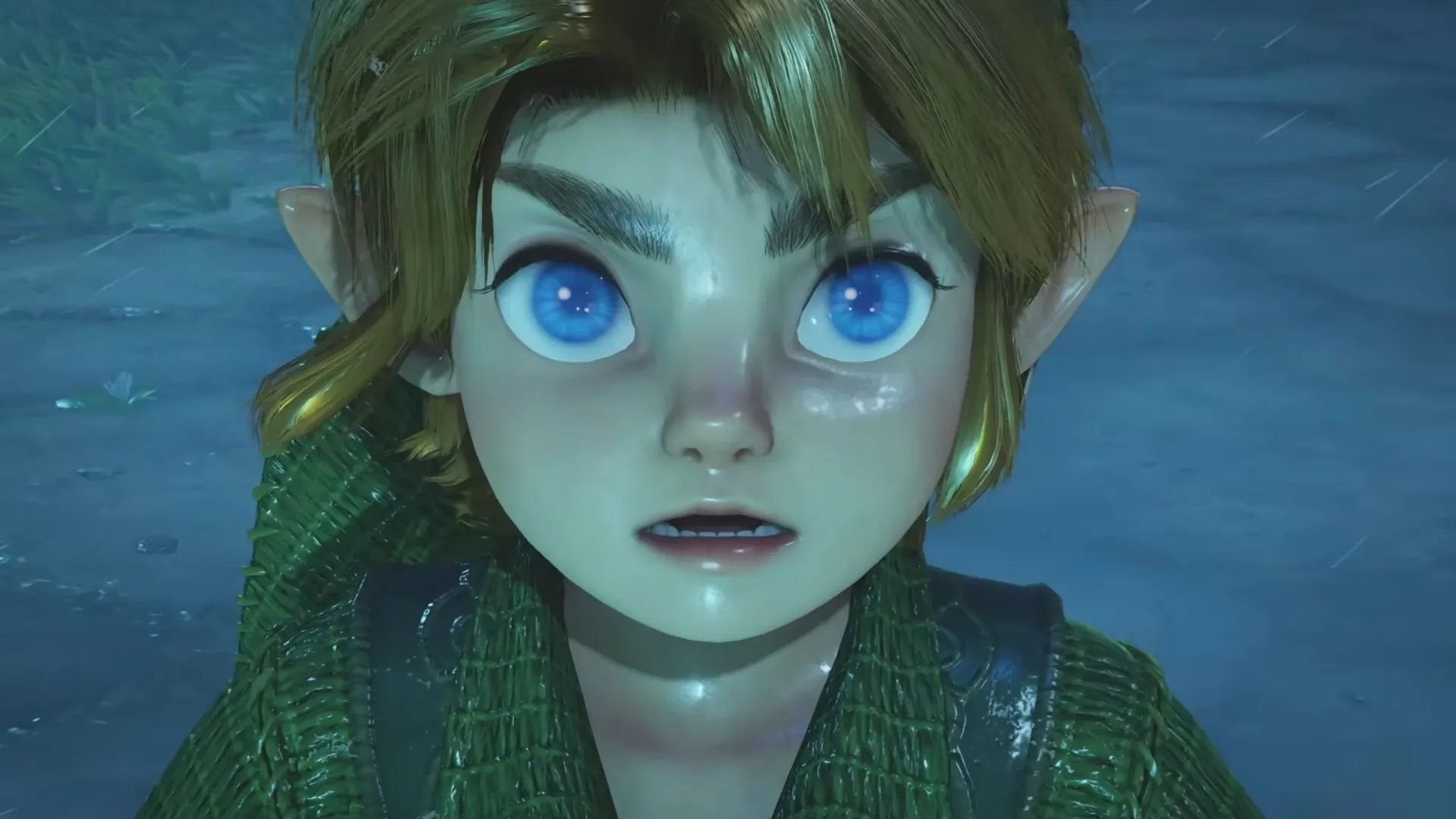
November’s release calendar has acquired an unusually clear focal point: Grand Theft Auto 6. The Rockstar sequel is widely treated as the game around which other publishers plan, and an industry analysis has described the resulting scheduling behavior as a game of chicken. Once the largest vehicle picks a lane, the theory goes, everybody else looks for the shoulder.
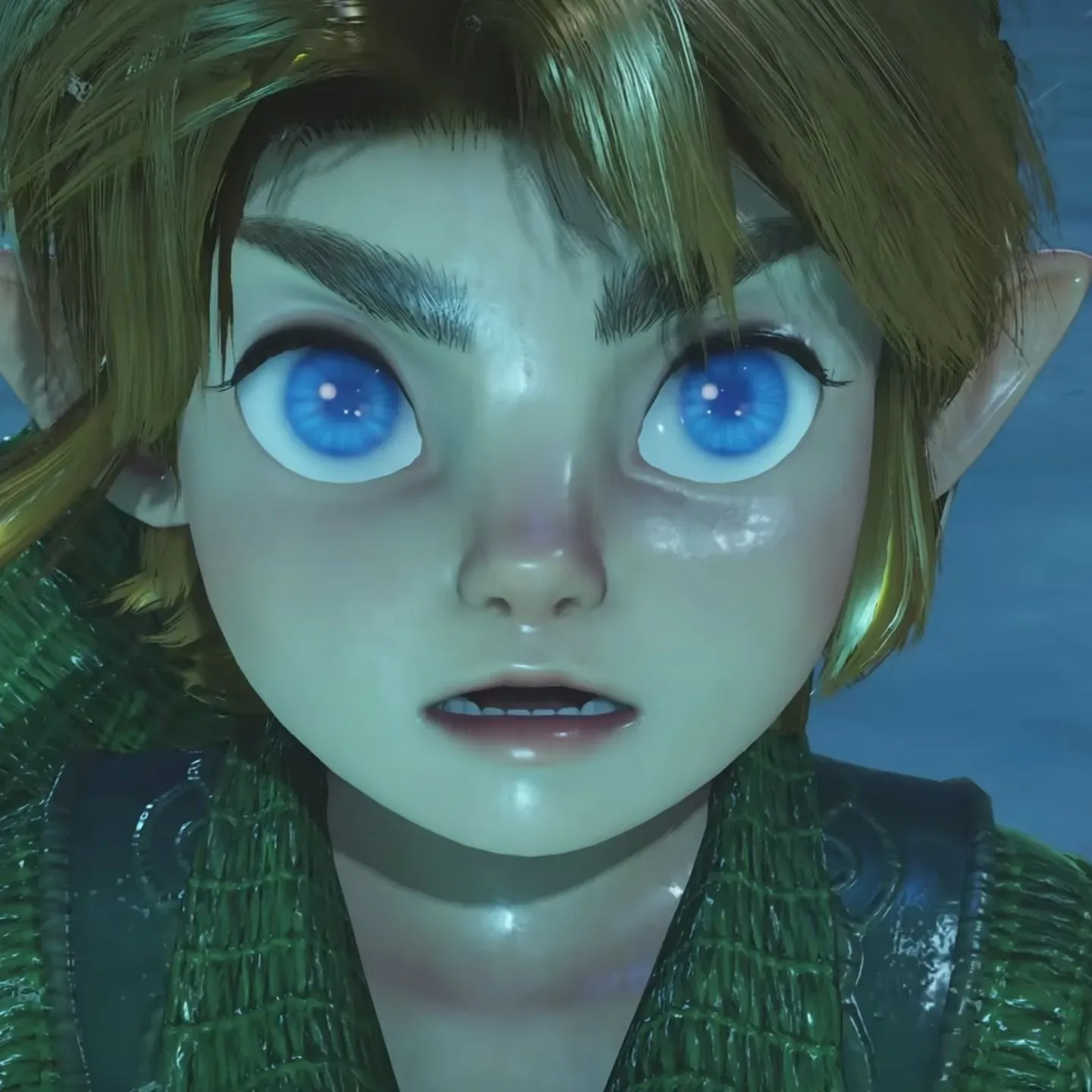
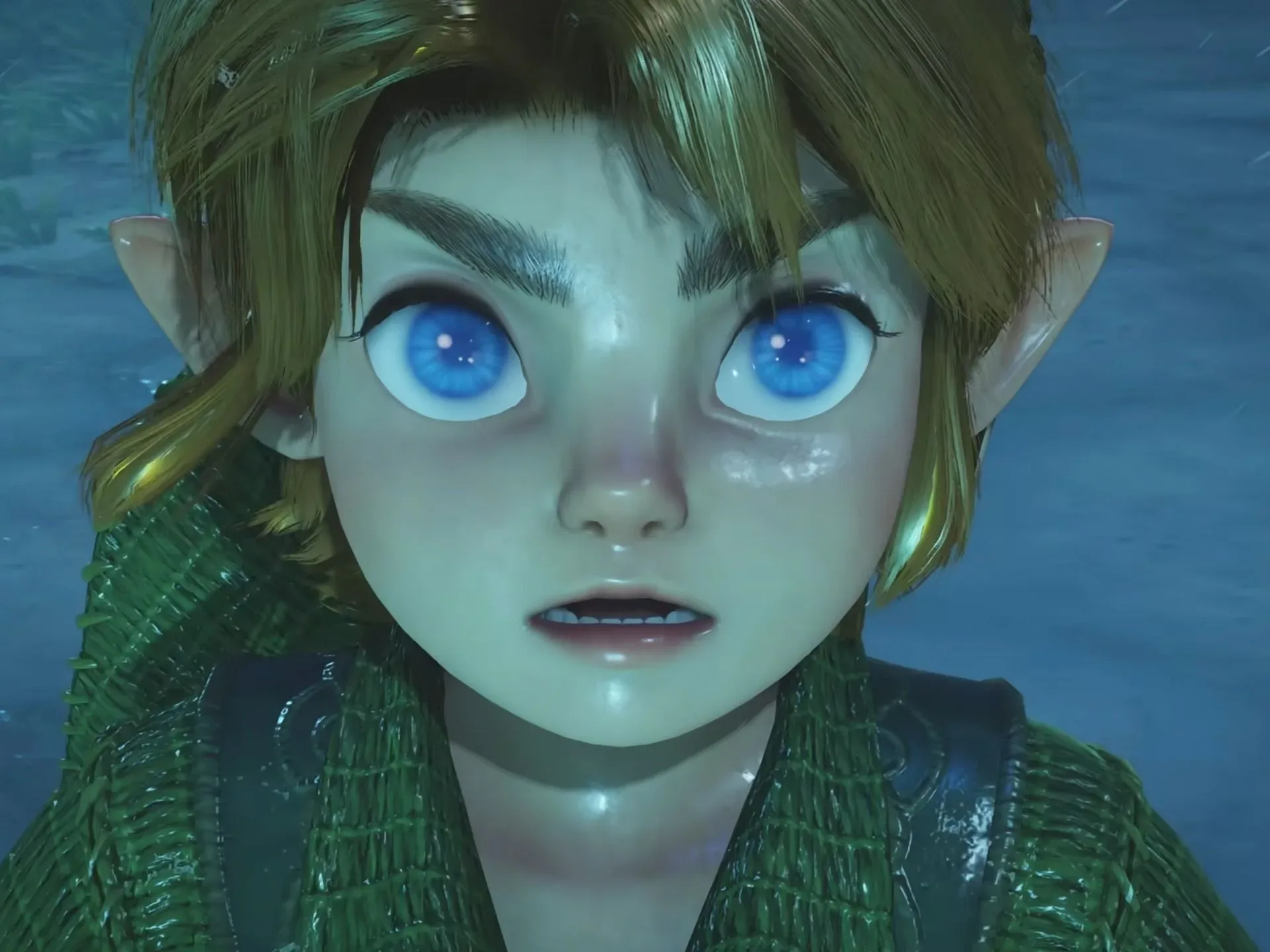
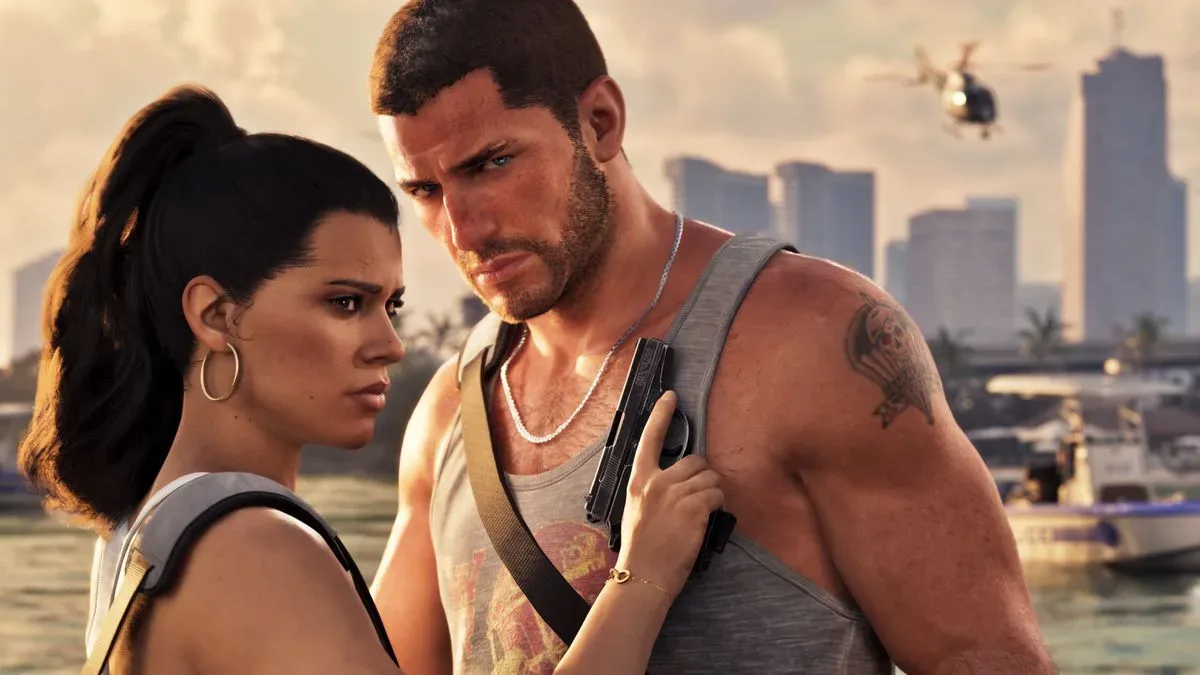
Yet Nintendo has not entirely cleared the road. The Legend of Zelda: Ocarina of Time remake is set to arrive two weeks before GTA 6, giving the month a rare matchup between two games that could scarcely be more different in tone, audience expectations and hardware strategy. It is not a same-day collision, and it is not necessarily a direct commercial contest. Still, it is an extraordinary bit of calendar drama: a modern open-world crime blockbuster facing a remake of a landmark adventure.
Aakash Gupta, a former Fortnite producer who has worked in product growth, argues that Nintendo is uniquely equipped to take the chance. His central claim is not that Zelda will somehow absorb GTA 6’s audience, but that Nintendo has the hardware separation, a highly committed audience and a valuable two-week head start. In that reading, Nintendo is not swerving because it does not need to.
Why the GTA 6 release date changes the calendar
Release timing is more than a date on a store page. Publishers choose windows in hopes of gaining press coverage, storefront visibility, social-media attention and, most importantly, a share of players’ finite time and spending. A massive launch can drain all four at once. Even a game that appeals to a different player may struggle to hold the conversation when one release becomes the dominant cultural event of the month.
GTA 6 has every reason to be viewed as that kind of event. GTA 5 generated $1 billion in its first three days in 2013, a figure Gupta cited to explain why rivals would be wary of the sequel’s release window. DFC Intelligence has projected $3.2 billion in first-year revenue for GTA 6. That is a forecast rather than a result, and projections can change, but it conveys the enormous expectations surrounding the launch.
Gupta framed the scale against 2024’s biggest Hollywood release, Inside Out 2, which grossed $1.7 billion over its worldwide run. The comparison is useful less as a declaration that games and movies operate identically than as an illustration of the commercial attention GTA 6 is expected to command. A large entertainment release can become a topic beyond its usual audience; GTA 6 is anticipated to do precisely that.
That expectation helps explain a November calendar that appears sparse outside Rockstar and Nintendo. September and October have instead become especially busy. Recent releases include Marvel’s Wolverine, Fire Emblem: Fortune’s Weave, Control Resonant, Silent Hill: Townfall and The Witcher 3 Remastered, while Final Fantasy Resonance and Switch Sports Resort are also among the releases still to come.
Not every move should be reduced to fear of GTA 6, however. Call of Duty: Modern Warfare 4 is slated for late October, but October is not unprecedented for the annual series: Black Ops 6 and 2022’s Modern Warfare 2 also launched that month. Likewise, Phantom Blade Zero moved from early September to late October. It will avoid GTA 6’s November arrival, but its new position is actually closer to the Rockstar launch than its old one.
Related coverage includes Nintendo's Ocarina of Time Remake Is Taking on GTA 6 in a Rare November Showdown.
The broad pattern still matters. A crowded early-autumn market and a comparatively empty November point to the same practical calculation: publishers are wary of asking their games to compete for attention during what may be the year’s defining launch.
Nintendo’s bet is not a simple head-to-head fight
Calling this a showdown is entertaining, but it can obscure the most important distinction. GTA 6 does not run on Nintendo hardware. That means the Ocarina of Time remake is not attempting to sell directly against the exact version of GTA 6 available to players on other platforms. The platform divide does not eliminate competition for money, time or general pop-culture oxygen, but it reduces the most immediate kind of competition: choosing one boxed or digital game instead of another on the same system.
Gupta’s argument is that the overlap between the two audiences is limited enough for Nintendo to remain confident. There will certainly be players interested in both games, but the pitches are starkly different. One is a new Rockstar blockbuster with the weight of more than a decade of anticipation behind it. The other revisits Hyrule through a remake of a game associated with exceptional critical standing, including a 99 Metacritic score.
There is also the benefit of timing. Two weeks is meaningful in a release schedule. It provides Nintendo room for launch coverage, player discussion and early sales before GTA 6 becomes the industry’s central topic. It does not guarantee that Zelda’s momentum will remain untouched after Rockstar’s game lands. But it gives Ocarina of Time a period in which it can be evaluated on its own terms rather than debuting into GTA 6’s immediate blast radius.
The timing is especially notable because it suggests confidence in the remake’s identity. A remake is a newly made version of an earlier game, generally intended to update presentation and systems while preserving the original work’s core character. That balancing act can matter immensely to fans: a remake that is too detached risks losing what made the original meaningful, while one that is too cautious can struggle to justify revisiting familiar territory.
Krysta Yang, formerly a PR manager at Nintendo of America, called the date “great,” while also making a candid point about the limits of any Zelda-versus-GTA narrative. If the releases had landed on the same day and the Zelda project proved faithful, she said she would choose GTA. That is less a dismissal of Zelda than a reminder that two weeks of separation is doing real strategic work here.
What “fanbase loyalty” actually means in this case
Gupta described Nintendo as the only company with a fanbase loyal enough to make this bet. Taken literally, that is a broad and difficult claim to prove. “Loyalty” is not a single measurable number, and it can refer to several different things: willingness to buy a game at launch, attachment to an established series, comfort with a platform ecosystem, or trust that a publisher will deliver a certain kind of experience.
In this context, the term is better understood as a strategic explanation. Nintendo can market a Zelda remake to people who already have a deep relationship with the franchise and its history. The Ocarina of Time name carries its own attention, and the remake’s audience does not need GTA 6 to be irrelevant in order to show up. They need an appealing Zelda release on the hardware they use, released early enough to claim a distinct moment.
That does not mean fans must choose sides. The industry likes rivalry because it creates a neat story, but players can buy both games, play one later, or simply care about neither. The more useful question is whether Nintendo can launch its game without its message being swallowed immediately. A two-week lead, separate hardware and a recognisable legacy give it a reasonable case.
The public conversation has already reflected the odd appeal of the pairing. A recent Saturday Night Live sketch built comedy around the contrast between GTA 6 and Zelda, only for the crowd to respond enthusiastically to Link’s Hyrule adventure. Audience reactions to one sketch are not sales data, and they cannot forecast the commercial result. They do show, though, that the Zelda announcement has cultural pull of its own rather than functioning solely as an undercard to GTA 6.
The practical lesson for the rest of the industry
The apparent retreat from November should not be mistaken for cowardice. Avoiding a giant launch can be sound planning. Games do not merely compete at checkout; they compete for streaming, coverage, recommendations, social discussion and the ability of players to focus on a new world for dozens of hours. A publisher with a smaller or differently positioned game may achieve better results by owning an uncluttered October conversation than by becoming a footnote in GTA 6 week.
Nintendo’s approach works only because its circumstances are unusually specific. It has a major first-party name, an audience connected to its own ecosystem and a launch positioned before—not alongside—GTA 6. Another publisher cannot reproduce the strategy merely by putting an unrelated game on the calendar. The lesson is not “challenge the biggest release.” It is “understand where your game has a distinct audience and enough room to speak.”
For prospective Zelda players, the immediate practical point is simple: the remake’s November 5 release is positioned to offer two full weeks before GTA 6 arrives. Players considering the Nintendo launch may also want to check the Switch 2 gear discounts tied to Ocarina of Time’s release before deciding on accessories or hardware needs.
For everyone else, the month is a reminder that release calendars are not passive lists. They are strategic maps drawn around attention. GTA 6 is expected to be the largest landmark on that map, but Nintendo has chosen to plant a flag nearby—not in the same spot, not on the same hardware, and not without a carefully measured stretch of daylight first.