Players preparing for the reported November 5 release of The Legend of Zelda: Ocarina of Time on Nintendo Switch 2 have a brief window to consider the less glamorous half of an adventure: the equipment around the game. Discounts running October 6 through October 7 cover controllers, headsets, earbuds, carry cases, grips, storage expansion and screen protection, with Zelda merchandise also included in the broader promotion.
The game itself is said to be available for pre-order with $10 off, while the wider Switch 2 offers include bundles from $529, cases from $14.99, controllers from $21 and headsets from $14.99. Those headline prices are useful as signposts, but they should not turn a modest purchase into a shopping-side quest. The sensible accessory is the one that addresses how someone actually uses their system: docked at a television, carried every day, short on download space, or simply looking for a more comfortable controller.
That distinction matters because the list combines necessities, convenience upgrades and pure fan-service purchases. A protective case can prevent travel wear. Extra storage can make room for downloads. A premium headset, on the other hand, is an optional luxury—even when its sale price is reportedly its lowest so far. Hyrule may have monsters, temples and an occasionally confusing fishing situation; it does not require a complete hardware renovation before anybody is allowed to play.
Controllers make the biggest practical difference for docked play
For people intending to play mostly on a television, a separate Switch 2 controller is the most consequential item in this group. The supplied Joy-Con 2 controllers offer flexibility, but a conventional gamepad can provide a more comfortable shape and additional controls for longer sessions. That is a practical ergonomic argument, not a claim that everyone needs to replace what came in the box.
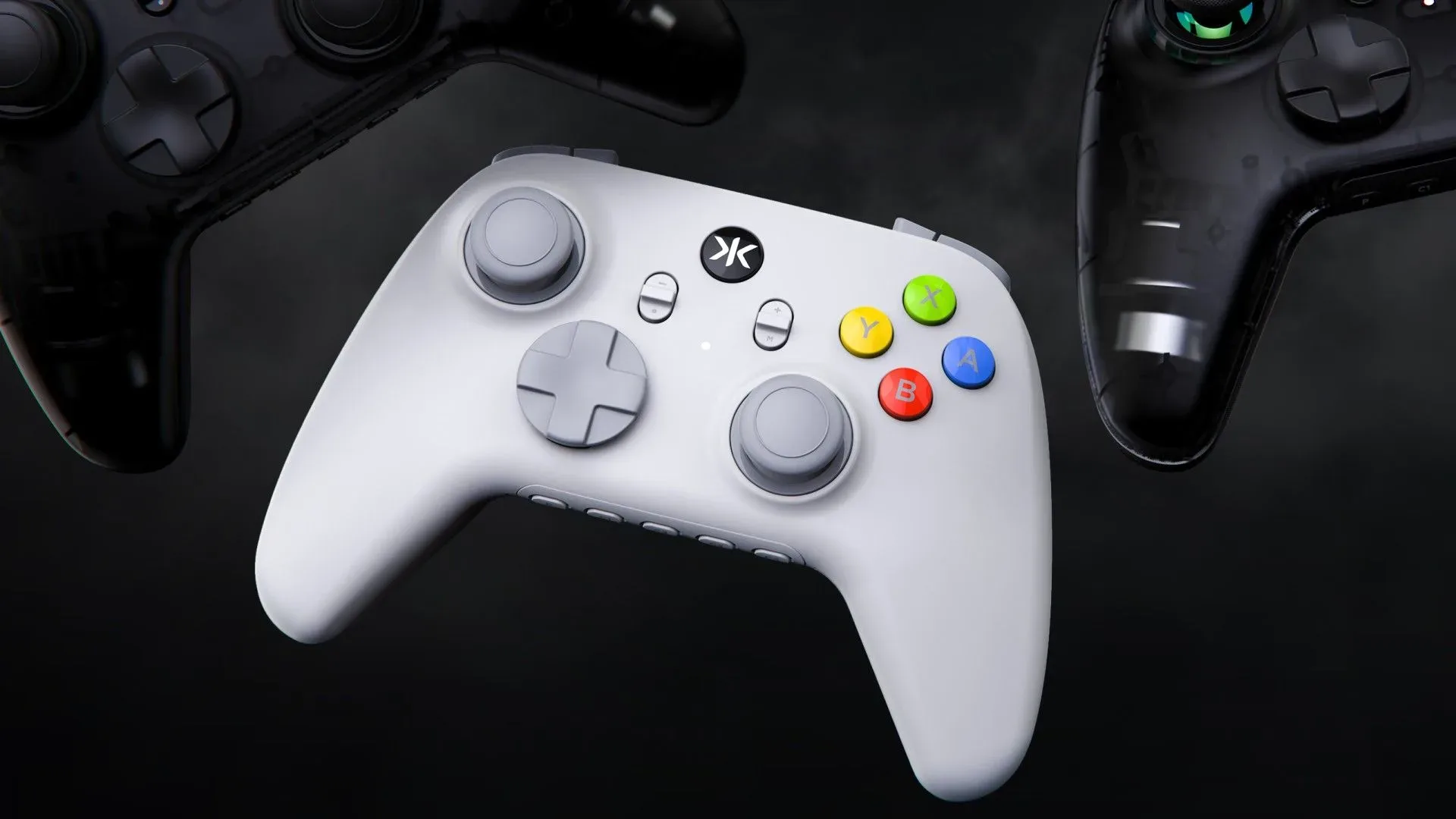
Three discounted wireless controller options stand out: the 8BitDo Ultimate 2, GameSir Super Nova and GameSir Cyclone 2. The 8BitDo Ultimate 2 is positioned as a value choice designed for Switch 2. Its white version is reportedly within $0.40 of its prior lowest price, while the black version has a similarly close reduction. That very narrow price difference is a reminder that an “all-time low” label should not override preference on color, fit or the controller a buyer already owns.
The GameSir Super Nova is listed at $30 during the event, a $20 reduction, and includes wireless use, a charging dock and additional customization and control options. A charging dock is more than desk decoration: it creates a consistent place to recharge the pad, which can be convenient for a system that sees frequent docked play. Customization generally means the player can alter how a controller behaves or assign functions to extra inputs, although prospective buyers should confirm the exact settings that matter to them before purchasing.
The GameSir Cyclone 2 is a pricier sibling-like alternative that is also discounted. Its differentiator in this selection is TMR sticks. TMR, short for tunneling magnetoresistance, describes a stick-sensing technology. The practical reason it attracts attention is durability-focused: the sticks are presented as a sturdier option. That does not mean it is automatically the right choice for every Zelda player. The Super Nova’s lower sale price and charging dock may be more useful to someone who simply wants an inexpensive living-room pad.
Controller buying should start with a quick reality check:
Related coverage includes Prime Day Switch 2 Gear Deals Could Help Prepare for Zelda: Ocarina of Time's Return.
- Mostly docked: A wireless gamepad is likely to deliver the clearest day-to-day benefit.
- Mostly handheld: A grip case, carry case or screen protector may matter more than a separate controller.
- Already happy with existing controls: There is no need to buy a controller merely because one is discounted.
- Concerned about stick longevity: The Cyclone 2’s TMR sticks are the relevant feature to investigate.
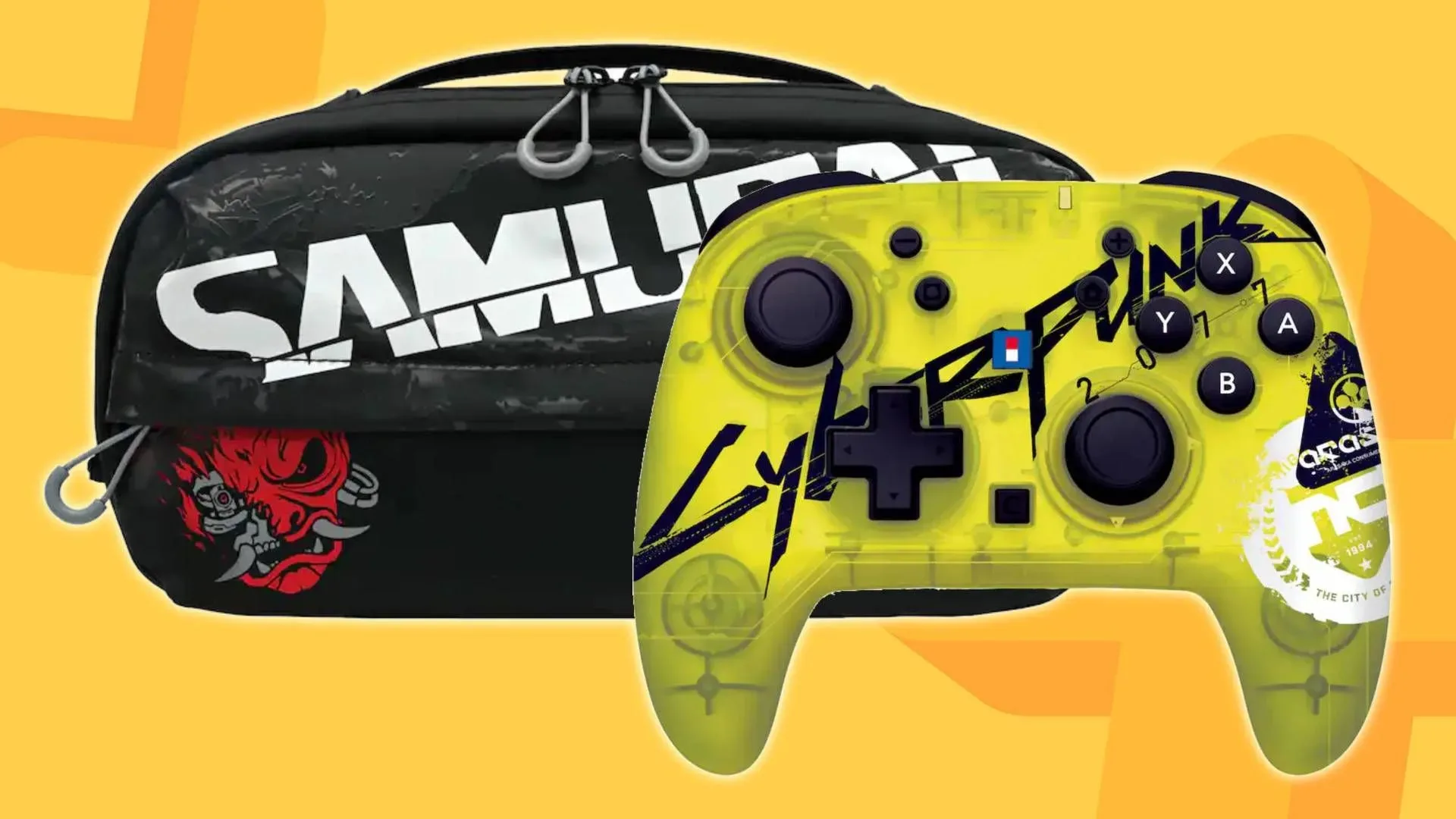
There is also a timely example of how accessories increasingly overlap with game identity: Hori’s Cyberpunk 2077 Switch 2 controller and carrying case show the same practical categories being used as themed fan gear. Zelda-branded merchandise starts at $6.49 in this promotion, but themed gear should be treated as a taste-driven add-on rather than a performance upgrade.
Audio choices depend on where the adventure happens
Audio is the other major branch in the deal list, with headset and earbud options intended to work across docked and portable sessions. A headset can keep game audio private at home or in transit; earbuds can be a smaller, less bulky alternative. Neither changes the game, but both can change how workable a long session is in a shared space.
The Turtle Beach Airlite Fit is the budget option in the group. Standard color versions are discounted to their lowest reported price, at close to half off, while Mario- and Minecraft-themed models are not included. The key lesson is refreshingly unromantic: compare the exact color or edition in the cart, not the price attached to a family of products. A themed version can be materially more expensive even when the underlying headset is similar.
At the high end sits the SteelSeries Arctis Nova Pro Omni, a luxury headset with a $55 reduction and a reported lowest-ever sale price. The saving is substantial in dollar terms, yet the item remains expensive. Buyers should view the discount as a chance to spend less on a premium product they already wanted—not as evidence that premium audio has suddenly become a requirement for revisiting Hyrule.
The SteelSeries Arctis GameBuds offer the earbud route. They are labeled for PlayStation, PC or Xbox in some storefront listings, but are stated to be compatible with Switch 2 as well. Platform branding is not always a complete compatibility guide; in this case, the relevant point is that the GameBuds can work with Switch 2 despite those labels. They are not at their historical lowest price, but are described as the best gaming-earbud discount currently available.
For a buyer toggling between television and handheld use, the question is less “which option is best?” than “what is the annoyance I am trying to remove?” A bulky headset can be welcome at home but inconvenient in a bag. Earbuds travel more lightly. A budget headset may be all that is needed to avoid disturbing other people. Paying more for luxury sound makes sense only if its broader qualities are worth the remaining cost to that individual buyer.
Protection is a three-part choice: travel, grip and screen safety
The portable nature of Switch 2 makes cases and protection less decorative than they first appear. The discounts identify three distinct product types: a fuller-featured charging case, a grip case and a slim travel case. They overlap in purpose, but they do not do the same job.
The Belkin Nintendo Switch 2 Charging Case is the feature-heavy pick and is reportedly $4 below its previous lowest price. It costs more than simpler alternatives, but its added functions are the reason to consider it. A charging case is for someone who wants a case that does more than hold the console; a buyer who only needs basic impact protection may find it excessive.
For those who want a straightforward grip solution, the Fastsnail Switch 2 Protective Case is presented as a cheap, adaptable choice. A grip case changes how the console is held, which can be valuable for handheld players who find a bare device less comfortable. Available color options do not all receive the same discount, another small but important reason to verify the final listing rather than assuming every variant shares a sale price.
The PowerA Slim Case is a budget travel-oriented alternative with room for cartridges. Its discount applies only to the standard gray version. This is the clearest pick for a player whose requirement is simply safe transport and room for physical games. It is not trying to be a grip, a charging accessory and a storage solution simultaneously—and that restraint can be an advantage.
Screen protection fills a separate role. The Spigen screen protectors highlighted here are thin films intended to reduce the risk of screen damage while carrying or dropping the system. They are not the least expensive option, but the emphasis is on Spigen’s established reputation for protectors. A case protects the system while it is stored or in transit; a screen protector addresses the display itself. Players who routinely put the system in a bag may reasonably see value in both, while mostly docked users may prioritize neither.
Storage deserves a compatibility check before checkout
Storage is potentially the most utilitarian discount in the entire collection. A SanDisk 512GB expansion is at its reported lowest price and is positioned as useful for anyone needing more room to download Ocarina of Time and other software. Unlike a controller colorway or themed pouch, capacity solves a direct technical limitation: insufficient free space.
Still, “512GB” should be read as capacity, not a universal guarantee that any card or expansion will work in every device. The provided deal information identifies it as a Switch 2 storage expansion, but buyers should check the product listing and their console’s supported storage requirements before placing an order. That is especially important in an era when product names can look broadly familiar while platform storage standards may differ.
The practical inventory question is simple: is the current system actually close to full? If yes, storage is likely a better purchase than another controller or a decorative pouch. If no, a lowest-price label alone does not create an immediate need. Digital libraries grow gradually, and buying capacity too early can be less useful than waiting until it solves a known space problem.
How to approach a two-day accessory sale without overbuying
With discounts limited to October 6 and October 7, the short schedule can encourage rash decisions. A more disciplined approach is to rank purchases by the friction they remove. Start with broken, missing or clearly inadequate gear. Then decide whether a discounted upgrade has a job that current equipment cannot perform.
- Identify the play style. Docked players should examine controllers and headsets first. Portable players should begin with cases, grips, protectors and earbuds.
- Check exact variants. The white 8BitDo model, standard Airlite Fit colors, gray PowerA case and selected Fastsnail colors each illustrate that discounts can vary by version.
- Separate a good price from a needed item. A reported all-time low is useful context, but it does not turn a luxury into a necessity.
- Verify technical fit. Confirm Switch 2 compatibility and storage requirements directly on the relevant listing, particularly for expansion products and audio gear with other-platform branding.
- Consider protection as a system. A travel case, grip case and screen film solve different problems. Choose the combination that reflects how the console is carried and used.
The strongest buys will therefore differ by player. The Super Nova looks compelling for someone seeking an inexpensive wireless controller and charging dock. The 512GB SanDisk expansion has the clearest case for players running low on download space. The PowerA Slim Case fits simple cartridge-carrying travel needs. Meanwhile, the Arctis Nova Pro Omni is an explicitly premium choice whose sale status does not erase its premium positioning.
For Zelda fans, the appeal of preparing a new setup before a return to Ocarina of Time is obvious. But the best preparation is not assembling every discounted artifact in the kingdom. It is picking the one or two pieces of gear that make the next adventure easier to start, more comfortable to continue, or safer to take beyond the dock.
Shop the products
Check current price, model and availability at the retailer.