Mob Entertainment has laid off “almost the entire” team behind Escape From Playtime, a former lead game designer said in a November 4 LinkedIn post. The claim arrives only about two weeks after the cooperative Poppy Playtime spin-off launched on October 21, 2026.
For players, the immediate concern is simple: whether a newly released online game can continue receiving meaningful support after losing so much of the group that made it. Mob Entertainment’s community manager, Tyler Scott Sanchez, has since said development is continuing, though the studio has not provided a full accounting of the positions affected or a detailed revised roadmap.
The two statements establish an important distinction. The former developer describes layoffs affecting nearly all of the project’s team, while the studio says the game itself remains in active development. Both can be true at once: a project can remain operational after a significant staffing reduction, but the scale, pace and scope of its future work can change. At this stage, Mob has confirmed planned areas of improvement rather than firm delivery dates or a complete list of future updates.
What has been said about the layoffs
The former lead designer described the day as difficult and said they were among the employees let go. Their post also praised colleagues’ work on the game and asked professional contacts to reach out with potential employment opportunities for affected staff.
“Mob has laid off almost the entire Escape From Playtime team, including myself,” the former designer wrote.
That wording is a firsthand account from an affected former employee, not a numerical statement from the company. “Almost the entire” should therefore not be read as a confirmed headcount or percentage. Mob’s public message acknowledges that it has “part[ed] ways with some talented members” who helped create the game, but does not specify how many people were impacted, which disciplines were affected, or what roles remain assigned to the project.
The company’s message emphasizes the people behind the release, recognizing that staff members contributed their creativity and work to bringing Escape From Playtime to life. It also recognizes the uncertainty this creates among a community invested in both the game and its developers.
That uncertainty is particularly understandable for an online multiplayer title. Unlike a self-contained game that is complete at launch, a co-op game often depends on ongoing adjustment: tuning how players are grouped together, responding to feedback about environments and encounters, and communicating clearly when priorities change. None of that automatically means a game is in danger when its team changes, but it does make concrete follow-through especially significant.
Related coverage includes Mob Entertainment Cuts "Almost Entire" Escape From Playtime Team Weeks After Launch.
Escape From Playtime’s early status
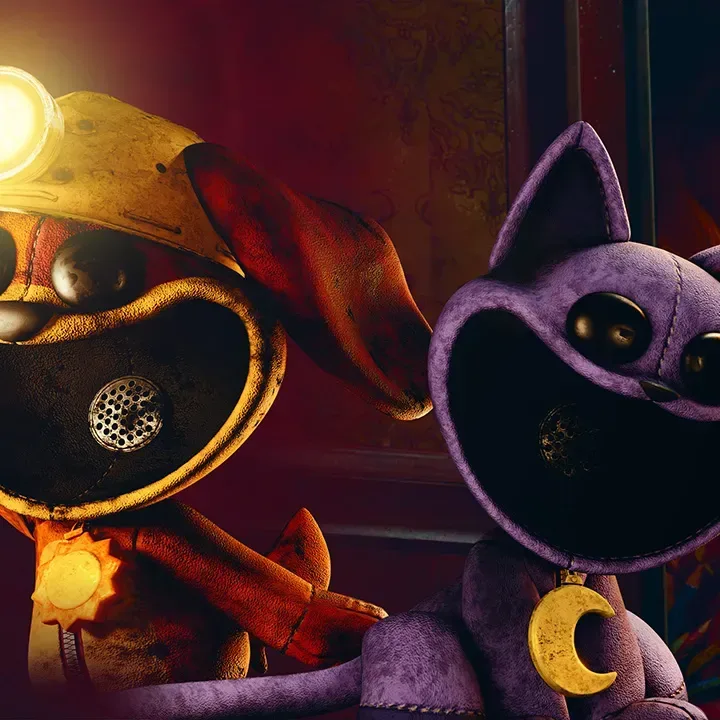
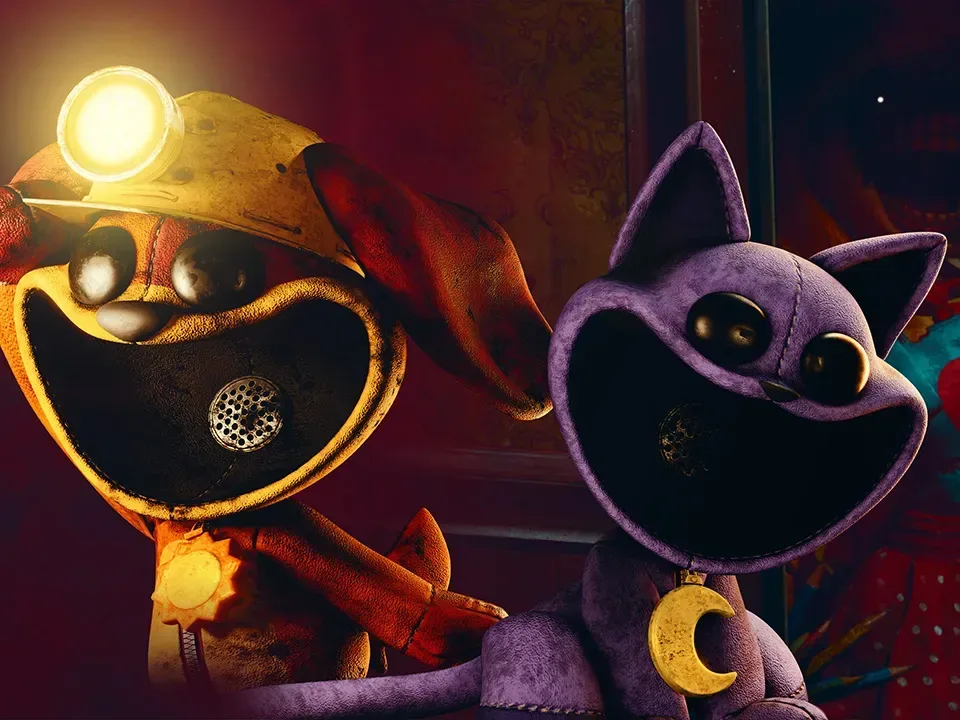
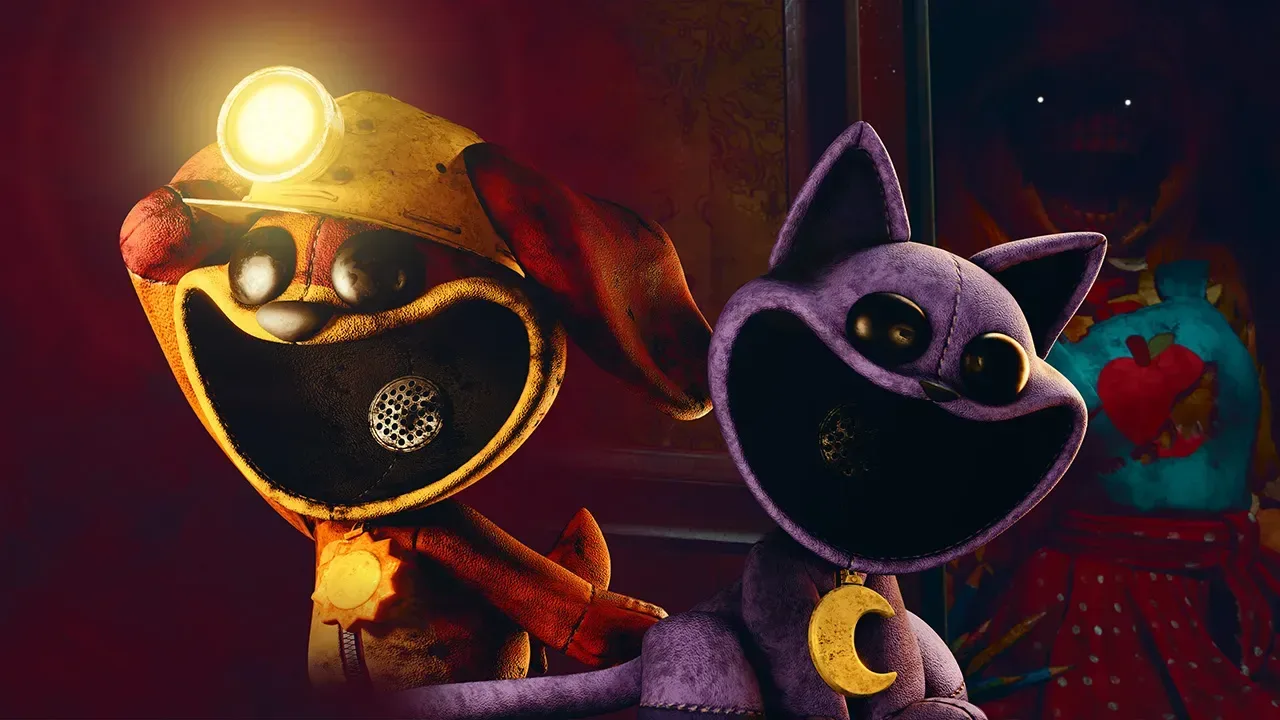
Escape From Playtime is an online survival co-op game for two to eight players, built around the Poppy Playtime horror-mascot franchise. Players take the role of Smiling Critters plush characters, gathering resources while avoiding larger monstrous mascot threats.
The game’s October 21 release date matters to the reaction. It places the reported layoffs in the opening weeks of the game’s public life, when players are still forming impressions and when a developer is often collecting feedback on systems that only become fully visible at a live player scale. A very early staffing shake-up naturally raises questions about patching, new content, matchmaking health and the longer-term direction of the experience.
Mob has offered a direct answer to the broadest question: it says development will continue. That is more definite than a general expression of hope, but it is not the same as a detailed promise of every previously anticipated feature. Players should separate those two ideas. Continued development confirms ongoing work; it does not, on its own, establish a schedule, team size, or guarantee that all earlier plans will ship unchanged.
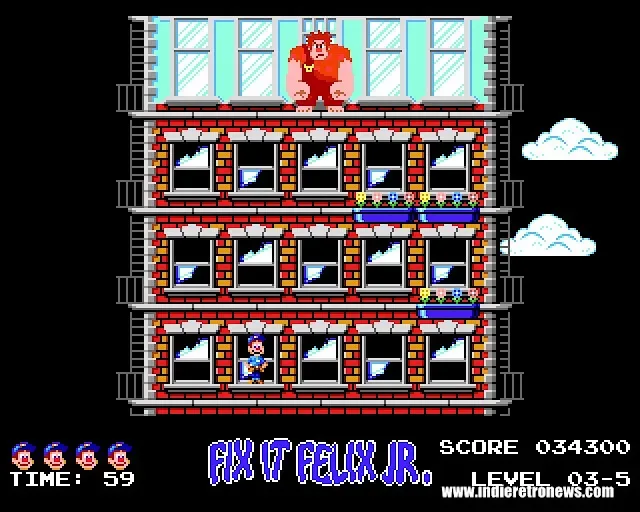
For another example of how broad the gaming beat can be, from current live-service concerns to platform-specific retro projects, see our coverage of Fix-It Felix Jr.’s Commodore Amiga release.
Mob’s stated plans: matchmaking, enemies and the map
Sanchez said that player feedback has already led to changes in the game’s roadmap. The specific areas named were improvements to matchmaking, a changed order for rolling out larger body enemies, and work to make the existing map more diverse and interesting. He also indicated there is more planned beyond those examples.
Matchmaking is the system that assembles players into compatible multiplayer sessions. In a two-to-eight-player co-op game, it is central to the basic act of playing with others. Improvements could involve several possible elements, but Mob has not specified what its changes will entail. It would be premature to assume fixes to a particular technical issue, new queue types, region changes, or any other exact solution.
The order of bigger body enemies refers to the rollout sequence for larger enemy characters. The studio has said that sequence is being revised in response to feedback. This confirms a prioritization change, not which enemy will arrive next or when. For players, it is a sign that the roadmap is being adjusted rather than treated as fixed, but it is not a release calendar.
Map diversity concerns the variety and interest of the game’s existing environment. Again, the company has not defined the exact work. It could mean changes to the spaces players traverse or how those spaces are experienced, but the statement does not support more detailed conclusions. The practical takeaway is that the existing map is among the areas still slated for attention.
This level of specificity is useful because it gives the community identifiable categories to watch. At the same time, it leaves major details unresolved: when updates will arrive, whether the roadmap has been reduced or expanded in other ways, and how the studio’s changed staffing will shape future development.
Why wording and transparency matter now
When layoffs are reported around a newly launched multiplayer game, public language can easily become more sweeping than the facts available. In this case, the former designer’s statement is a serious account from someone directly affected, while Mob’s response provides the company’s confirmation that some team members were let go and its assurance that the game is still being developed.
What is not publicly established is just as important. There is no supplied employee count, no list of impacted departments, no stated reason for the cuts, and no detailed schedule for the post-launch work. There is also no guarantee yet attached to individual updates beyond the company’s intention to keep developing the title and its named plans to address feedback.
Sanchez said the studio intends to continue communicating about the development process, while acknowledging that it does not have every answer to share yet. That commitment will be consequential in the weeks ahead. Clear updates can distinguish between work actively in progress, changed priorities and features that remain under consideration. In the absence of those details, the most accurate position is neither that the game has been abandoned nor that its future is fully mapped out.
What players can reasonably expect—and what remains unknown
Based on Mob’s statement, players can reasonably expect ongoing development and should watch for information related to matchmaking, the revised rollout of larger body enemies, and improvements intended to make the current map more varied and engaging. The company has explicitly framed these as feedback-driven roadmap changes.
- Confirmed: Mob says development on Escape From Playtime continues.
- Confirmed: Some members of the team that brought the game to life have been laid off.
- Confirmed: The roadmap has been altered in response to player feedback.
- Named areas of work: matchmaking, the order of larger body enemy releases, and map diversity.
- Not specified: the number of layoffs, remaining team size, exact update contents, or release timing.
For the former staff, the immediate issue is employment after a release they helped create. For the community, the test is whether Mob’s promised communication and post-launch work materialize with enough clarity to sustain confidence. The studio has made its position plain: Escape From Playtime is still being developed. The remaining questions concern what that support looks like after the reported loss of nearly all of the original project team.