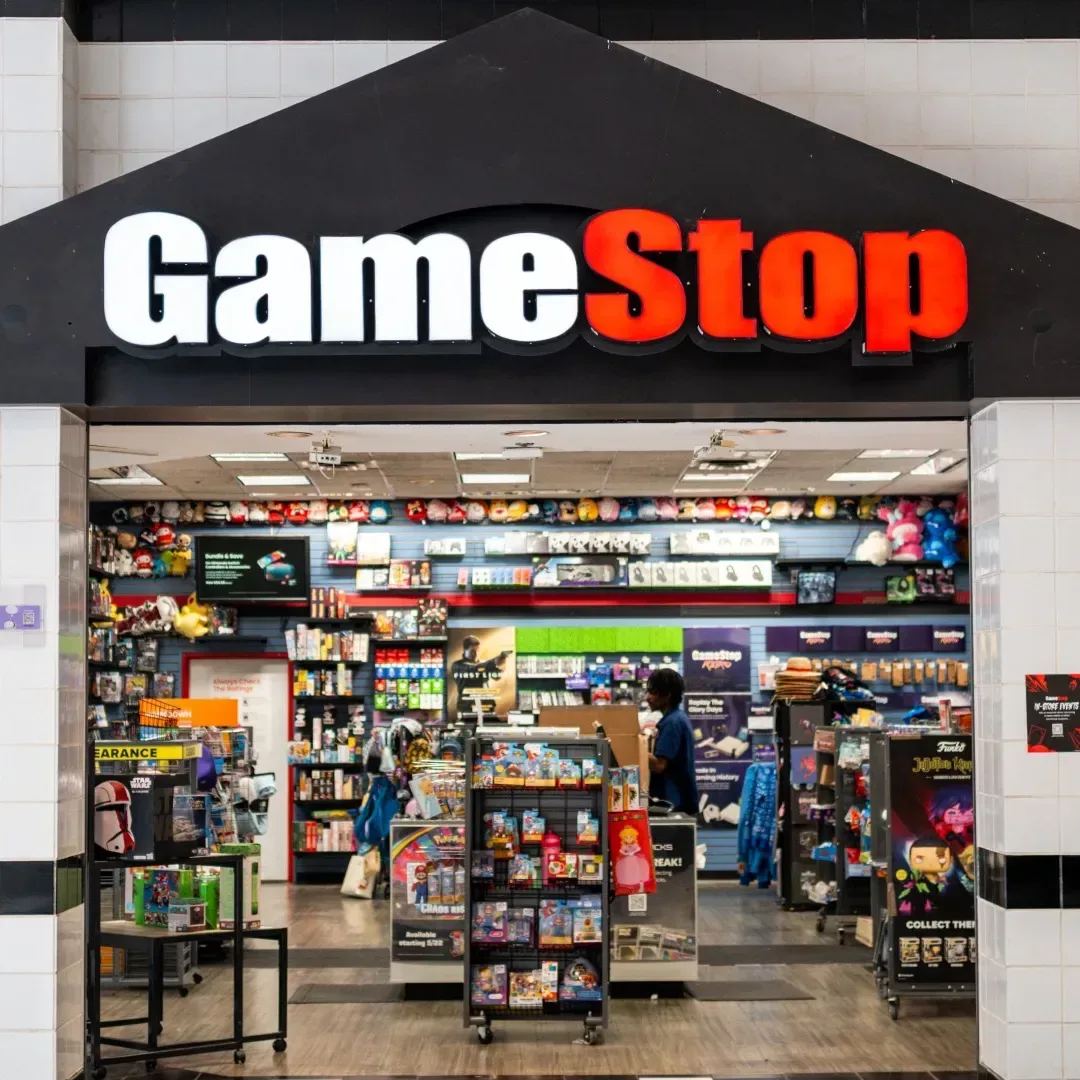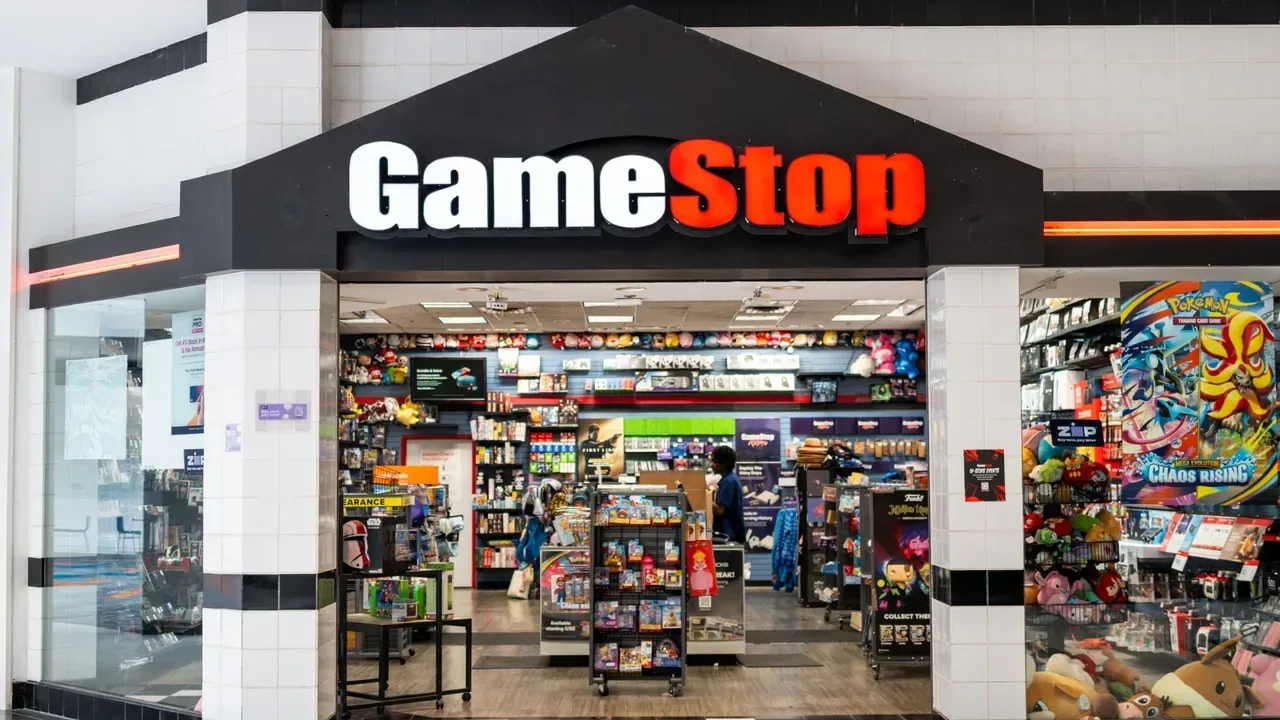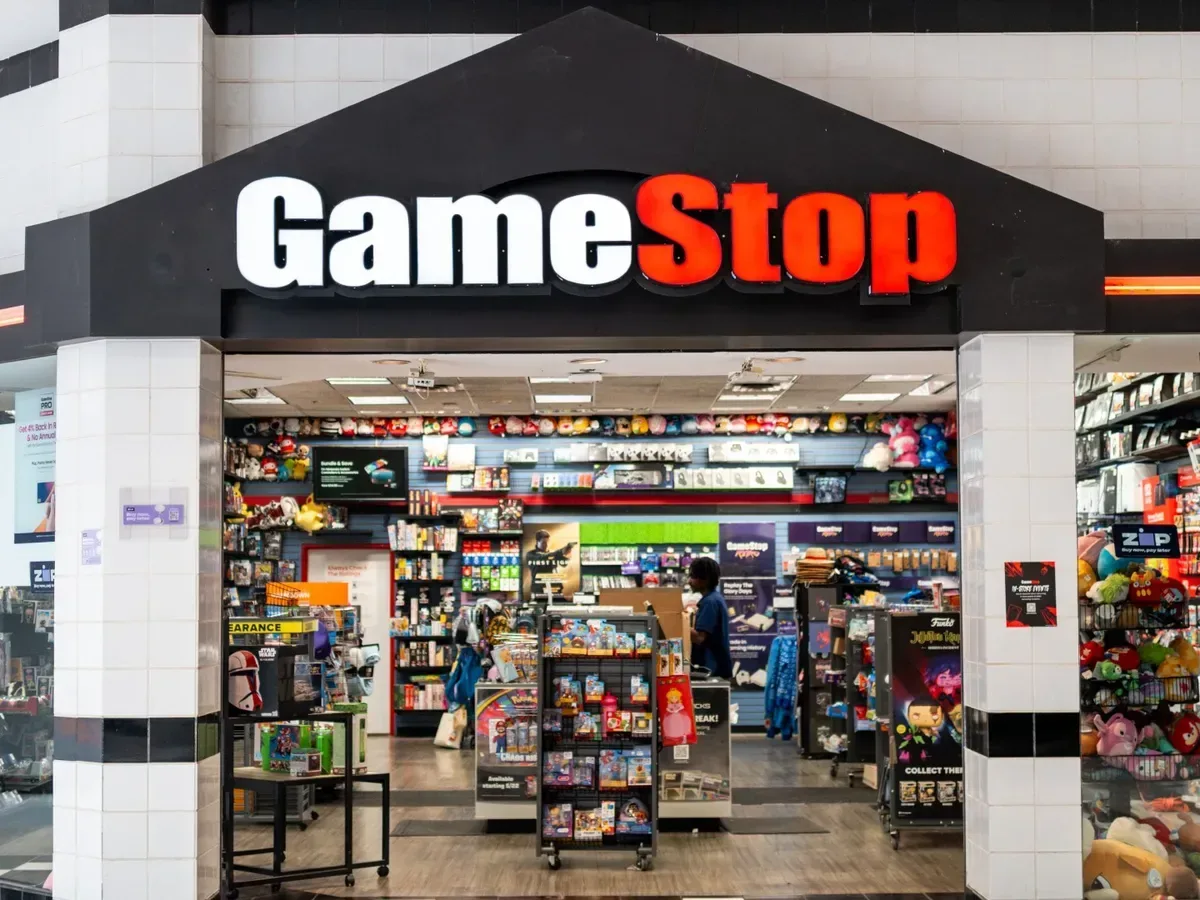
GameStop is beginning a return trip to at least one address it had previously left behind. The retailer has said that a reopening effort starts September 11, with the first identified store located in Brooklyn, Ohio. It is a small first step on paper, but it lands at a notable moment for a business that has spent years shrinking its physical footprint while games themselves increasingly move away from physical media.
The confirmed location is 4756 Ridge Rd., Suite P22, Brooklyn, OH 44144. For local shoppers, that means a familiar storefront is set to become a place to browse games, hardware, collectibles, and the rest of GameStop’s current assortment once more. For everyone outside northeast Ohio, it is a sign that the company is at least willing to test the idea of returning to a market it had previously exited.
One reopening, with the larger plan still unclear
GameStop has not put a number on the broader reopening program. When asked how many closed stores were due to return, a company representative indicated that the total was at least one as of September 11 and suggested additional information could follow later. That carefully limited answer matters: there is no confirmed chain-wide rollout, no published slate of cities, and no timetable for further former locations.
So the sensible reading is not that every boarded-up GameStop is about to rise from the dead like a preorder bonus with suspiciously good stats. Instead, Brooklyn appears to be the opening move in an effort whose size and purpose remain unspecified. It could ultimately be a narrowly targeted return to certain communities, a one-store experiment, or the start of something materially larger. Until GameStop identifies more locations, all three possibilities remain open.
The distinction is important because store reopenings and store expansions are not necessarily the same thing. A return to a previously closed site can suggest that local demand, lease conditions, nearby retail traffic, or the company’s inventory strategy has changed enough to make a second attempt worthwhile. But one address alone cannot reveal which of those factors is driving the decision.
A reversal after years of closures
The move stands out against GameStop’s recent history. The company has closed more than 1,000 stores since 2020 while adjusting to a market in which full games can be downloaded directly to consoles and PCs. That transition has put sustained pressure on the traditional specialty-game-store model, which was built around selling new boxed releases, taking trade-ins, and giving shoppers a reason to stop in around major launch days.
Physical retail still has strengths that a download button does not duplicate. Customers can inspect used games and hardware, trade items in, find gifts at short notice, and encounter collectibles they did not know they were seeking until they were standing next to them. A store can also function as a local point of contact for players who want the material side of the hobby: cases, cartridges, discs, controllers, display items, and limited-run merchandise.
Those advantages do not erase the economic reality behind the past closures. Digital storefronts are immediate, sales can arrive without a trip to the mall or shopping plaza, and subscription services have further changed how some players access games. Reopening even a single store therefore reads less like a return to the old retail playbook than a decision to see where a physical presence can still work in today’s more complicated market.
Related coverage includes GameStop Begins Reopening Previously Closed Stores With Ohio Location.
Physical games remain central to the question
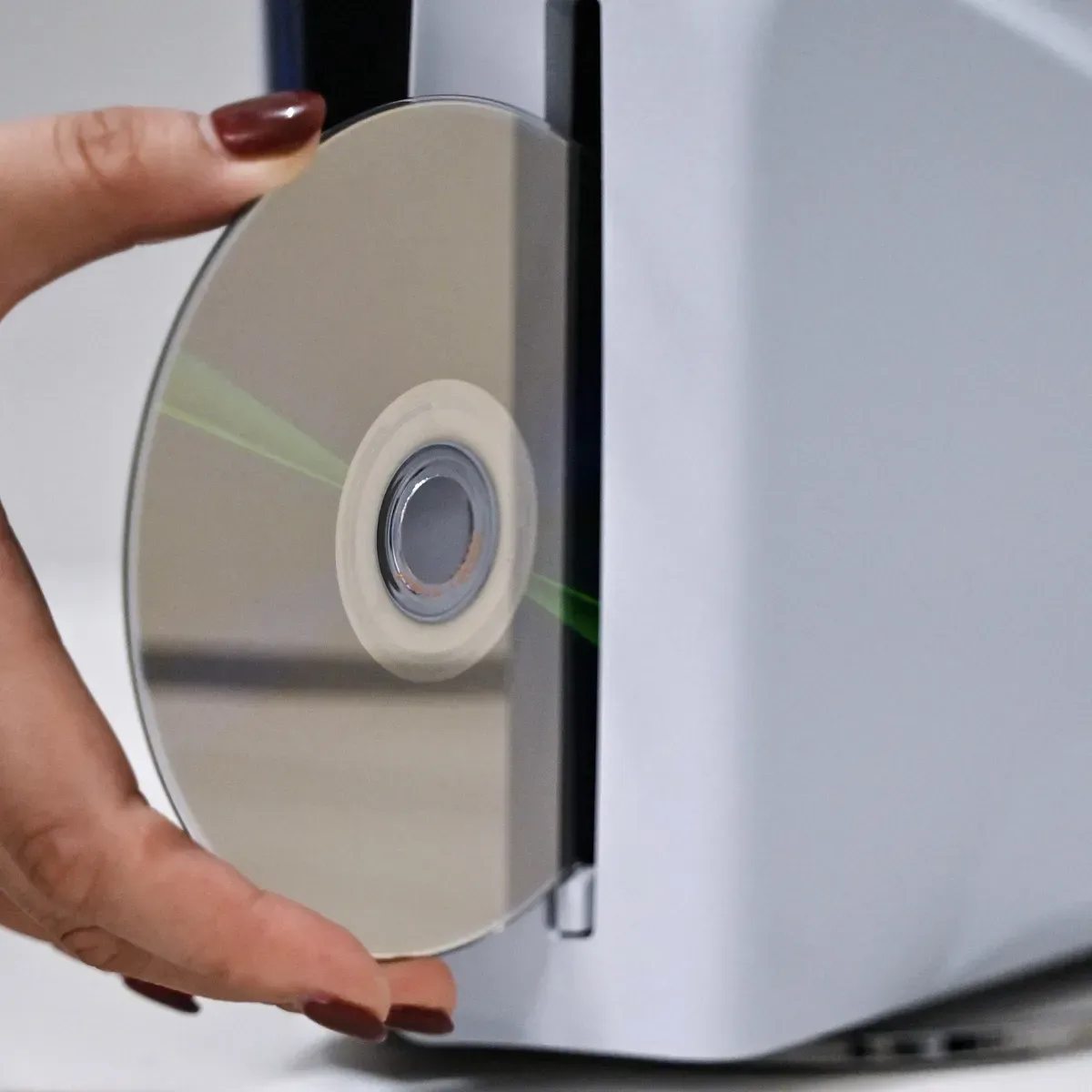
The Brooklyn reopening also arrives amid continued uncertainty over the future of discs and other physical formats. PlayStation has announced that it will end support for physical games in 2028, a development that has fueled speculation that the next PlayStation generation may not support game discs. The exact hardware implications beyond that announced support change have not been settled publicly, but the concern is obvious for collectors and retailers alike.
Xbox’s plans for its next console are likewise not definitive. That leaves the broader physical-game business trying to plan around a future where the platform holders’ long-term approaches may differ, change, or become clearer only much later. For GameStop, whose identity remains closely tied to boxed games and trade-in culture, that uncertainty is not an abstract industry talking point. It affects the inventory and services that can bring customers through the door.
There is still a clear audience for ownership, resale, collecting, and older platforms. A physical copy can be loaned, displayed, traded, or purchased secondhand; it can also preserve access in ways that differ from a license attached to a digital account. The ongoing debate is part of why reporting on disc revenue, such as the discussion around Spider-Man 2’s estimated disc revenue and PlayStation’s physical future, continues to matter beyond a single release.
Yet a physical store does not need to rely exclusively on new game discs to make sense. The modern GameStop has already devoted significant shelf space to collectibles and pop-culture merchandise, including Funko products. That mix may be especially relevant if boxed game releases become less consistent or if the major platforms continue their move toward digital distribution.
Collectibles may be part of the resilience plan
For collectors, a reopened store can mean more than another place to locate a newly released game. It can be a local stop for character merchandise, trading-related accessories, figures, themed apparel, and impulse finds that are difficult to recreate in a purely digital storefront. This category expansion has been one of GameStop’s visible responses to the changing games market, broadening the reasons for a visit beyond launch-day software.
That does not mean every location will stock the same selection or that a reopened shop will necessarily have a particular focus. GameStop has not detailed the Brooklyn store’s inventory plan. Still, its existing emphasis on collectibles gives the company more flexibility than a business centered only on selling new discs. A shopper may arrive looking for a controller, a used game, or a gift and leave with a collectible instead; retail businesses value those overlapping reasons to browse.
The company is also reportedly pursuing an acquisition of eBay, which, if completed, could represent another route toward a more diversified business. There is no indication that the Ohio reopening is directly linked to that reported pursuit, and the two developments should not be treated as one strategy without further detail. They do, however, point to the same larger challenge: finding ways to operate in a marketplace where digital distribution and online commerce are impossible to ignore.
What shoppers should watch next
For now, the most concrete detail is straightforward: the Brooklyn, Ohio location at 4756 Ridge Rd., Suite P22 is the first named reopening, with operations beginning September 11. Anyone hoping their own former neighborhood GameStop will return should temper expectations. The company has not listed other stores, cities, or opening dates.
The next useful signals will be practical ones. Additional announced addresses would show whether this is a regional effort or a wider national initiative. Information about product selection could reveal how heavily GameStop intends to lean into physical software, pre-owned inventory, hardware, collectibles, or a blend of all of them. And any explanation of why specific closed locations were selected would offer a clearer picture of what the retailer believes a viable game store looks like now.
Until then, GameStop’s message is modest but intriguing: at least one former store is coming back. In an era when so much of gaming has migrated to digital libraries, that makes the Brooklyn reopening a meaningful little marker for people who still enjoy the tangible, browseable side of the hobby.