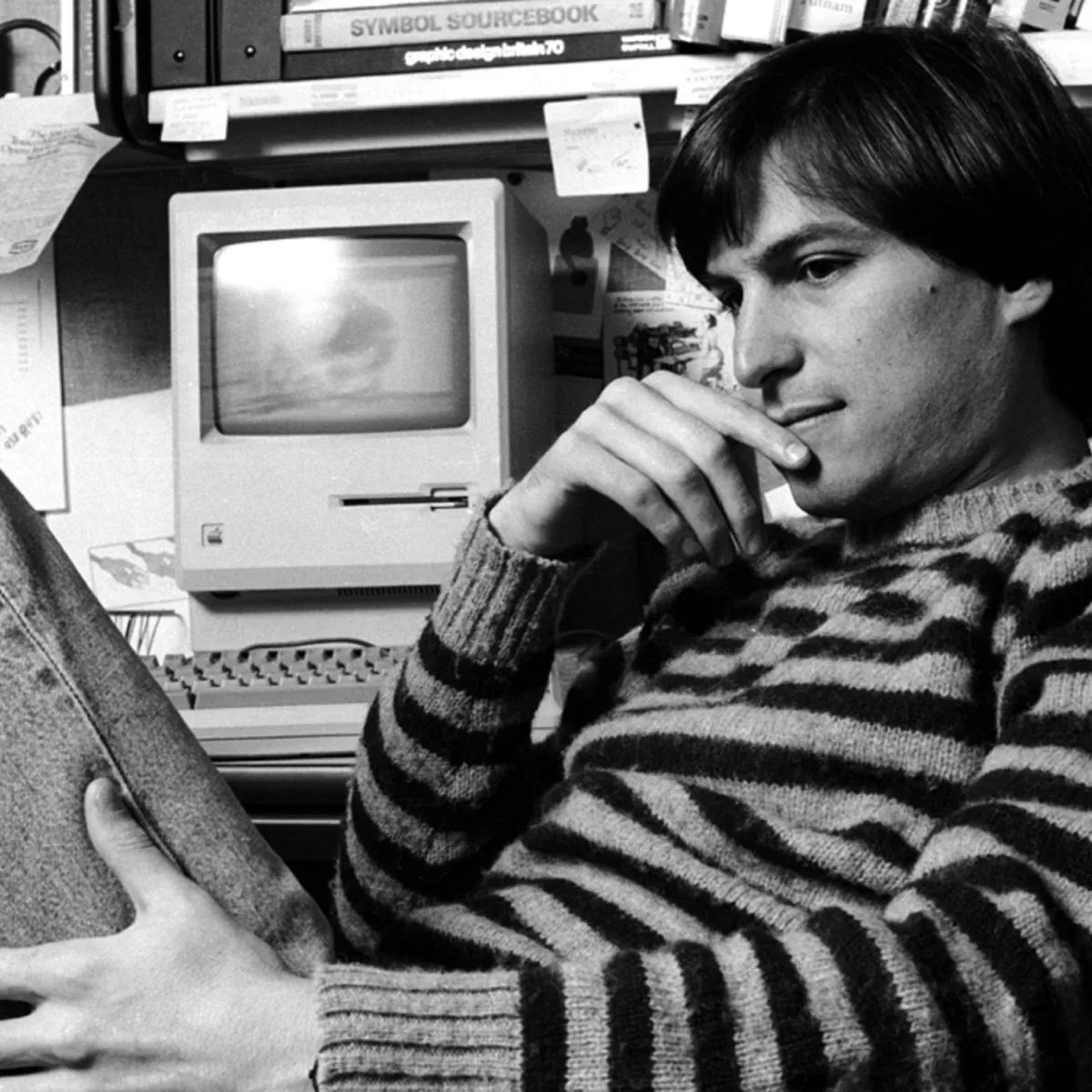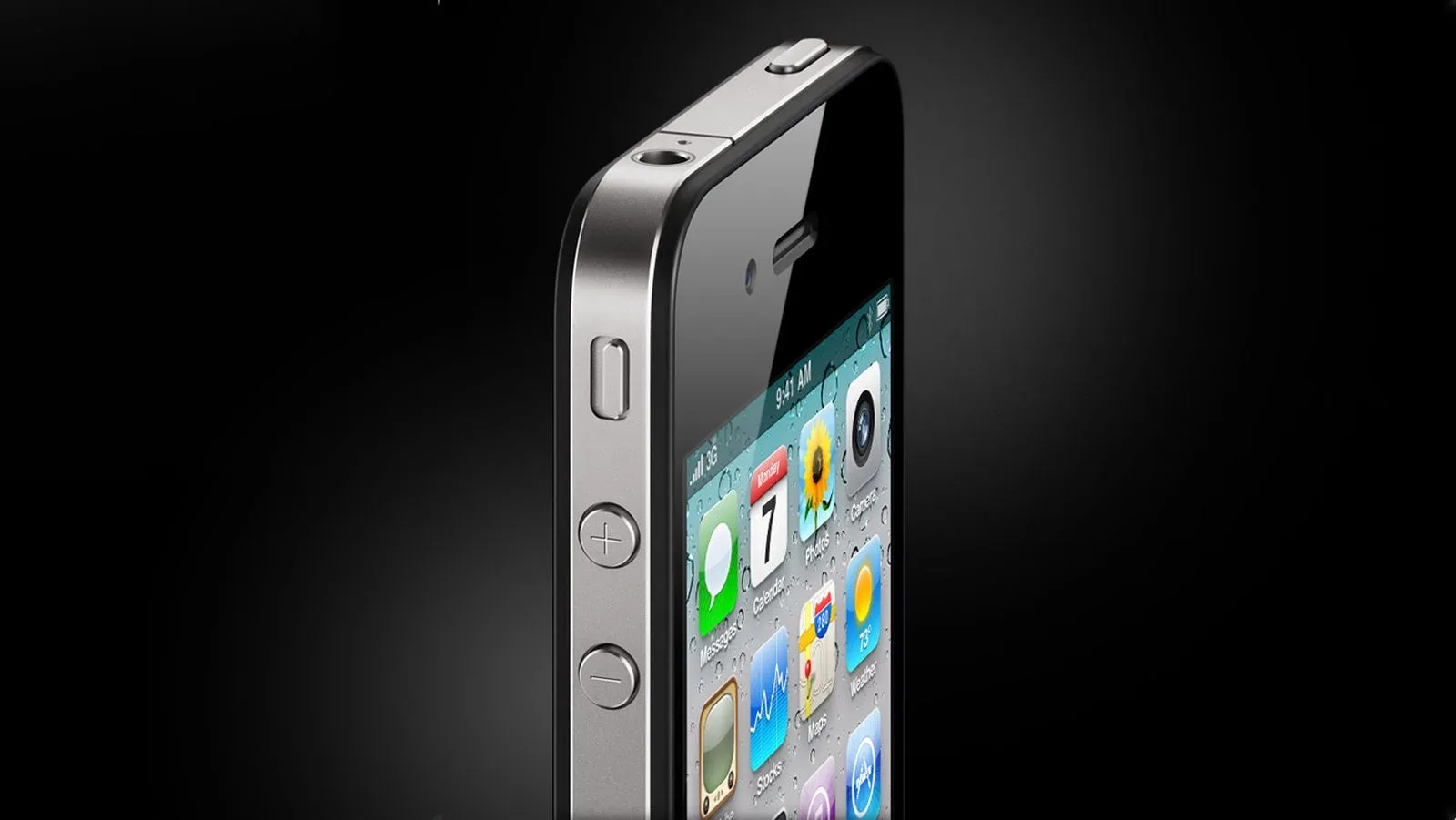
Fifteen years after the death of Steve Jobs, the most enduring part of Apple’s public remembrance is not a product launch page, a keynote clip, or a museum display. It is an archive of personal messages.
Jobs died of pancreatic cancer at age 56, one day after Apple executives introduced the iPhone 4s at a media event held at the company’s Infinite Loop headquarters campus. In the immediate aftermath, Apple opened its Remembering Steve webpage to comments from the public. The company still maintains that page, which highlights a selection from more than one million submissions by people who shared memories, thoughts, and feelings about him.
That scale matters. A million messages is not simply a large number attached to a corporate memorial; it describes an unusually broad, participatory record of how people chose to mark a public figure’s death. The archive is curated rather than a complete visible index of every submission, but its continued existence makes the act of remembrance an ongoing part of Apple’s public-facing history.
A milestone tied to an unusual moment in Apple history
The timing of Jobs’ death remains striking. It came directly after the iPhone 4s unveiling, placing a major product introduction and the loss of Apple’s co-founder within the same news cycle. The proximity of those events has helped make the anniversary an occasion with two overlapping meanings: remembrance of Jobs as an individual, and reflection on an Apple era in which product launches were closely associated with his public presence.
There is an important distinction here. The anniversary does not establish a new product announcement, feature, or company initiative. It is a memorial date. Treating it as one keeps the focus where Apple’s continuing public record places it: on the people who wrote to the company and on the institutional rituals that have persisted since Jobs’ death.
Apple marked the first anniversary with a photo-and-audio presentation on its website. Whether there will be a comparable presentation for the 15th anniversary has not been confirmed. It is reasonable to note the earlier precedent, but not to treat it as a guarantee that a new tribute will appear.
What the Remembering Steve page represents
A memorial page can sound like a static digital plaque. Apple’s page is more substantial in one key respect: it was built from audience participation. The messages were submitted by people around the world, and Apple says they shared memories, thoughts, and feelings. That format gave the public a route to respond in its own words rather than receiving only a top-down corporate statement.
For a site to remain live for 15 years is also meaningful in practical terms. Online commemoration is often fragile: pages change, campaigns end, and old material can become difficult to find. Keeping a dedicated memorial available turns it into a durable reference point, even though Apple selects which entries are highlighted.
In this case, “archive” should be understood carefully. The page is a maintained collection of selected public remembrances, not a promise that every one of the more than one million submissions is available to browse. Curation affects what visitors can see. Yet the number of contributions still captures the reach of the response and the extent to which people used Apple’s invitation to participate.
That model has a relevance beyond Apple. Digital records can preserve communal reactions in a way that a physical monument cannot easily do: many voices can be collected from many places, and a visitor years later can encounter them in the same central location. The tradeoff is that access depends on the company continuing to host and maintain the page. Apple has done so through this anniversary.
Tim Cook’s continuing remembrance
Tim Cook has traditionally marked this date during his time as Apple CEO, sharing words of remembrance publicly and with Apple staff. He is continuing that practice in his current position as executive chairman.
The continuity is notable because it connects the public archive with Apple’s internal culture. A public message acknowledges the date beyond the company’s walls; communication with employees recognizes that Jobs’ death remains part of Apple’s own institutional memory. Neither type of message needs a product rollout attached to it in order to have a purpose.
Cook’s role change also makes the continuation of the tradition worth noting. Corporate ceremonies can be tied tightly to a particular job title or officeholder. Here, the practice has continued as Cook serves as executive chairman. That indicates the annual remembrance is being treated as a continuing observance rather than a routine confined to the CEO role.
The anniversary arrives in an Apple landscape that continues to be shaped by the company’s current products and services. For a separate look at the company’s present-day software questions, see our coverage of the reported wait for upgraded Siri AI on iPhone and iPad in the EU. The contrast is useful: day-to-day coverage concerns what Apple may do next, while this date is concerned with how the company preserves a pivotal part of its past.
Why a 15-year anniversary still carries weight
Anniversaries are not automatically newsworthy simply because a round number appears on the calendar. This one has lasting significance because there is still a living public memorial to revisit, a stated tradition of remembrance from Apple’s leadership, and an identifiable historical context: Jobs’ death followed immediately after the iPhone 4s introduction.
It is also an occasion to resist the urge to flatten remembrance into a list of products or a single polished narrative. The million-plus messages are evidence that people approached Jobs’ legacy from different places and with different experiences. Apple’s wording acknowledges that variety by describing submissions as memories, thoughts, and feelings—not one uniform response.
For readers interested in technology history, that is perhaps the most useful takeaway. The surviving record is not only about a corporate leader. It is about how a company gave the public a formal space to react, then chose to retain that space for a decade and a half.
Apple’s first-anniversary photo-and-audio tribute remains the clearest precedent for a special web presentation. But until the company says otherwise, any comparable 15th-anniversary material should be treated as a possibility, not a confirmed plan. What is confirmed is the continued availability of the Remembering Steve page and the scale of participation it represents.
A memorial measured in voices, not releases
There is no need to turn this anniversary into speculation about Apple’s immediate roadmap. The strongest facts are already substantial: Jobs died at 56 from pancreatic cancer; his death came one day after the iPhone 4s event at Infinite Loop; Apple opened a public remembrance page; and more than one million people submitted messages that the company continues to highlight.
Fifteen years later, those details explain why the day is still marked. The public memorial has outlived the moment in which it was created, while Cook’s annual observance gives the date continuity inside and outside Apple. It is a quiet kind of technology-industry history: not a new device, but a maintained digital place where a very large number of people left a record of what Jobs meant to them.