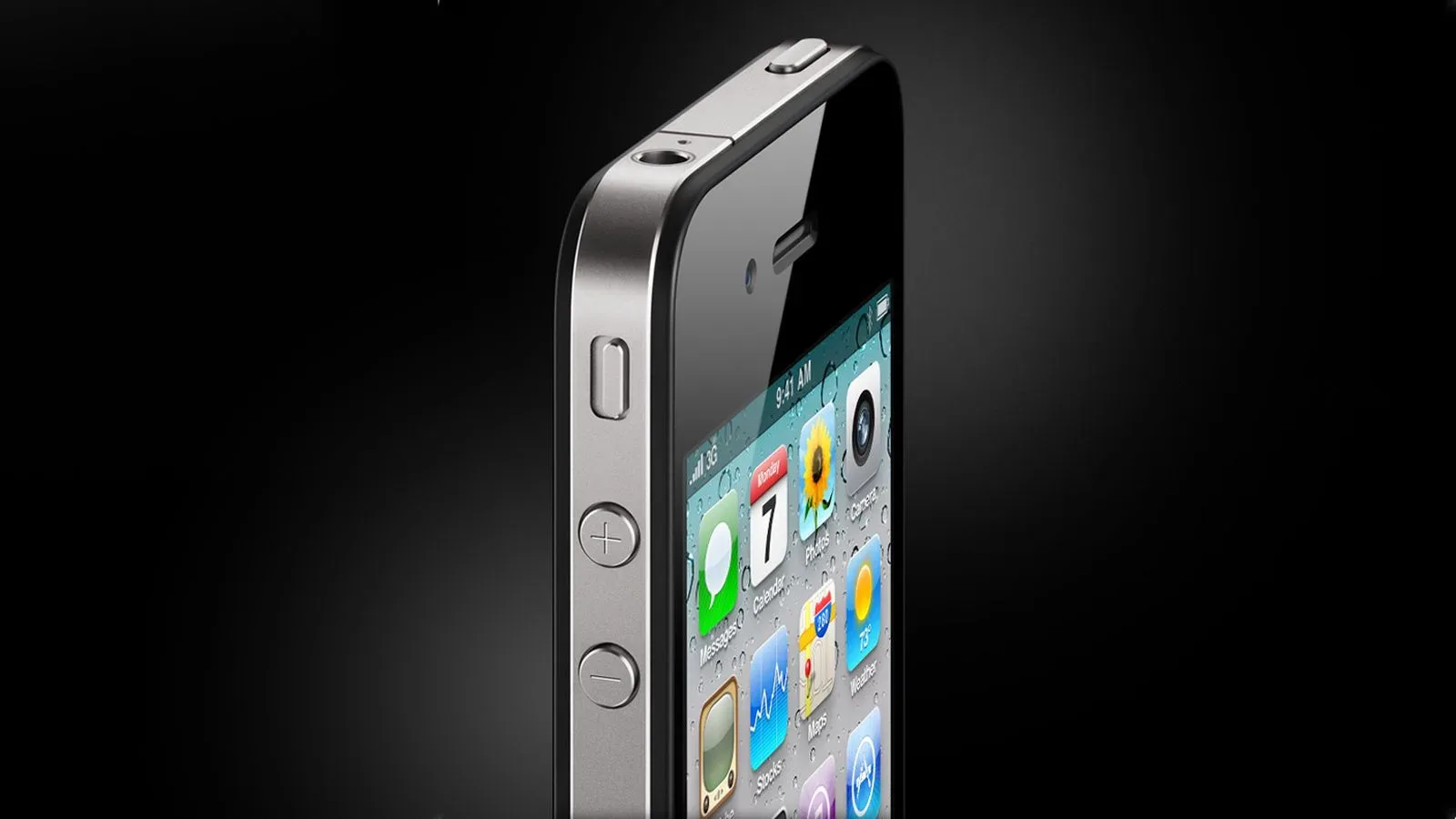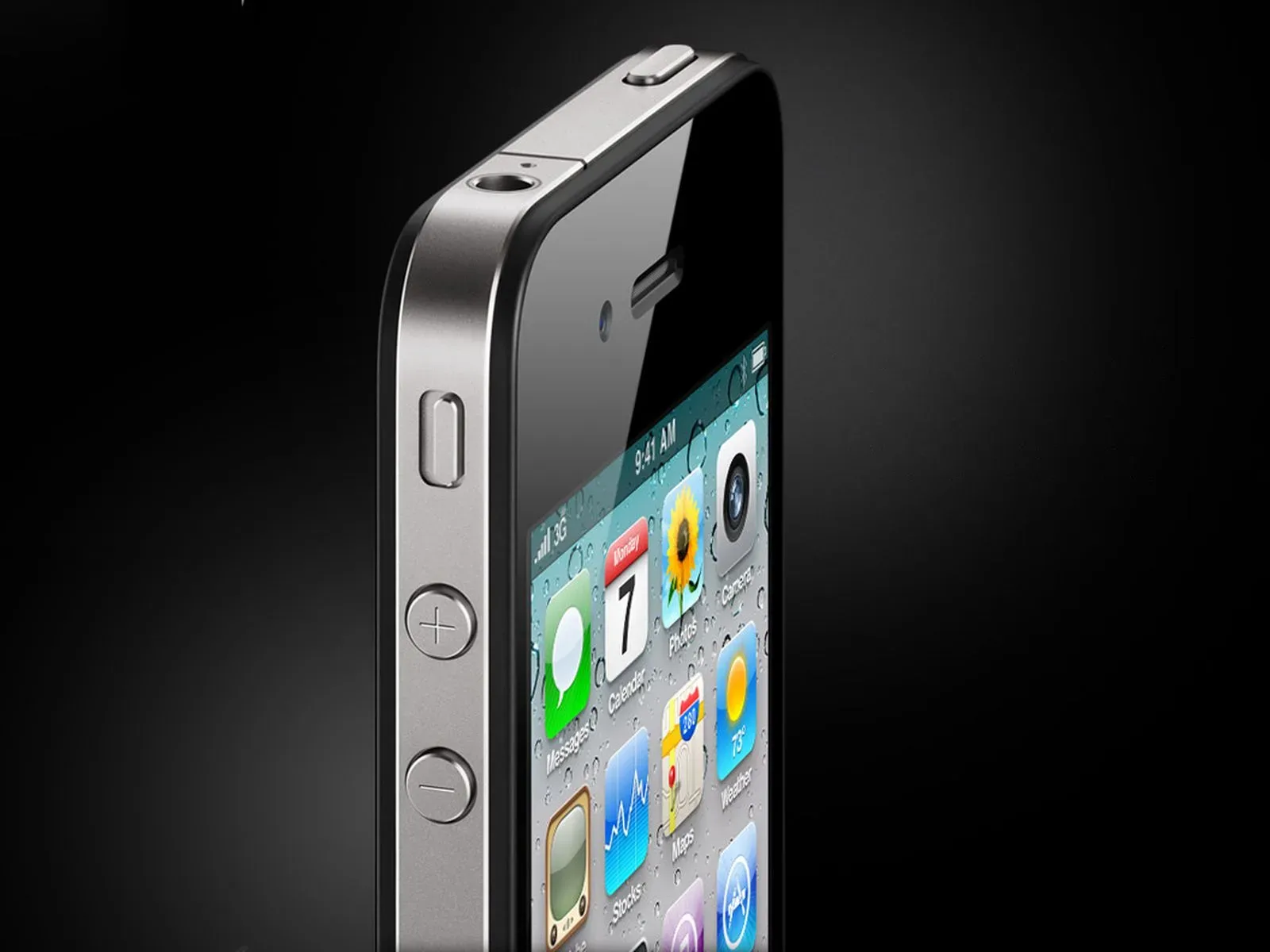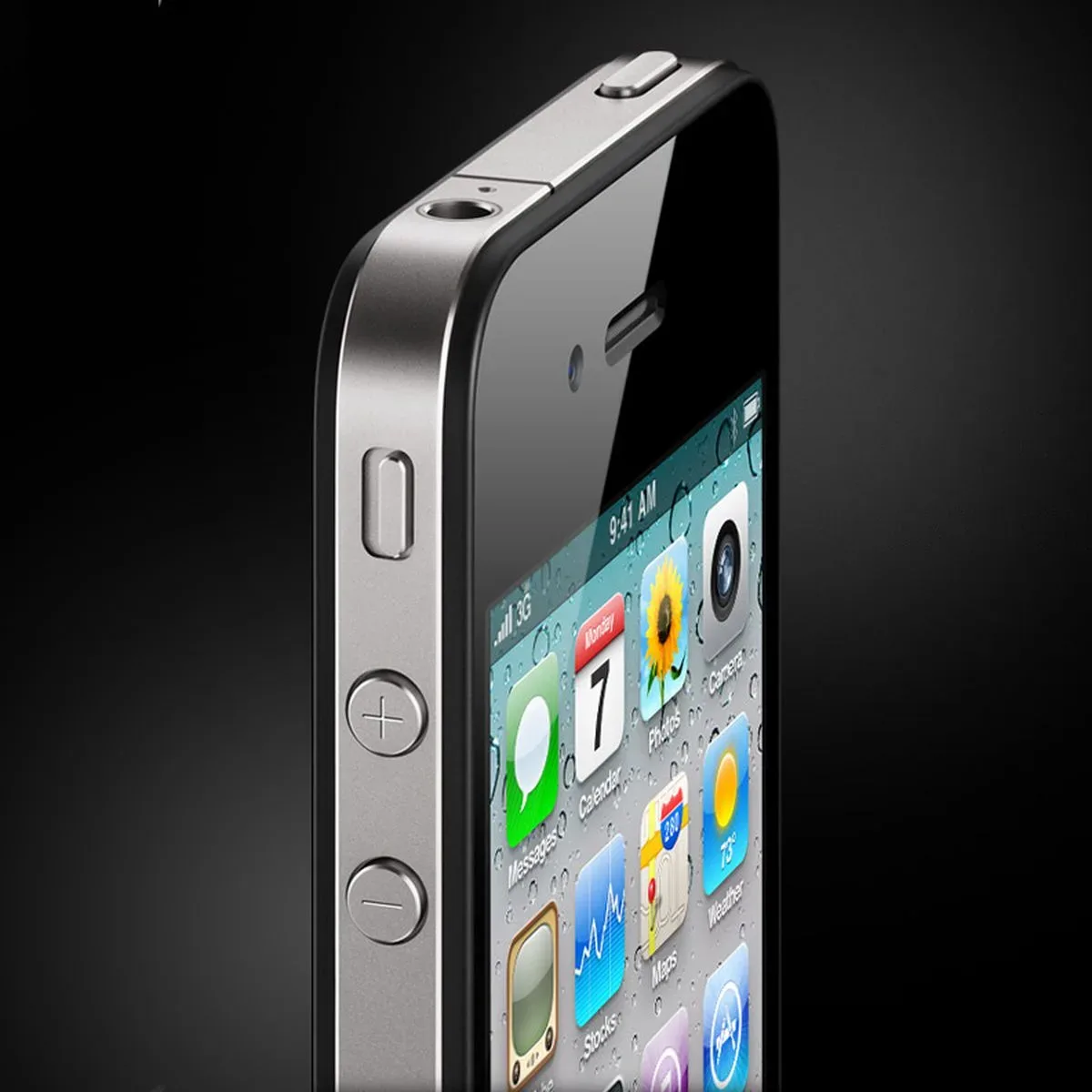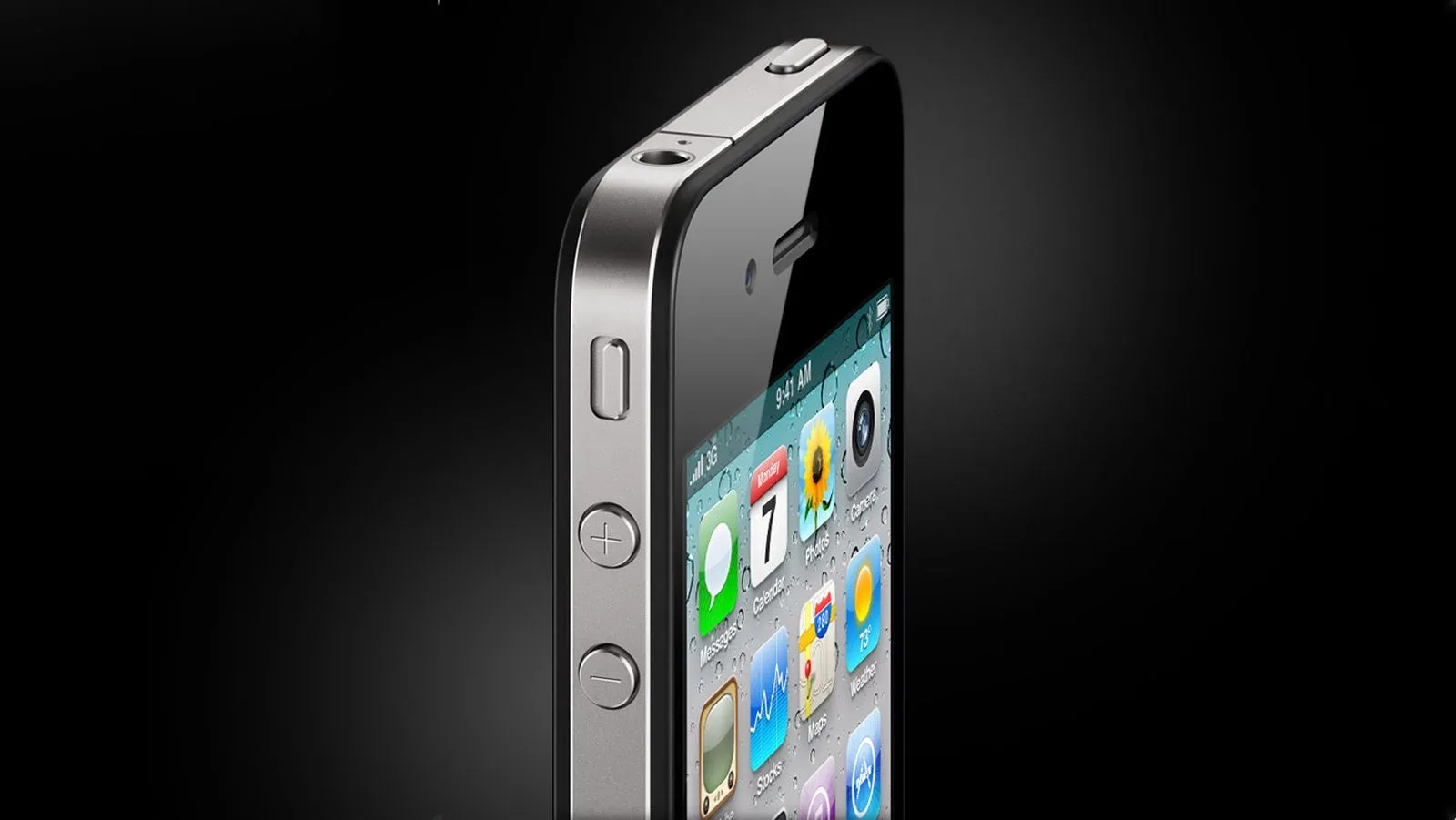
A 47-minute recording of the question-and-answer session following Apple’s 2010 iPhone 4 “antennagate” press conference has surfaced on YouTube. The video places Steve Jobs, Tim Cook and Bob Mansfield in front of reporters after the company’s prepared response to complaints about the phone’s signal behavior.
Its significance is not that it revises the public remedy Apple announced at the event. That part was already known: eligible iPhone 4 customers were offered free cases, while buyers were also given a 30-day return option. What had been absent from Apple’s released conference video was the live Q&A—the less controlled portion of the occasion, where executives had to address questions directly rather than follow a presentation.
The newly available footage gives that exchange a visual record. Written accounts and photographs had preserved elements of it at the time, but the full 47-minute video now shows the discussion as it unfolded, including an on-the-spot question about whether Apple’s top executives used cases themselves.
What “antennagate” refers to
“Antennagate” was the informal label attached to controversy surrounding the iPhone 4’s antenna and reported signal issues. The term follows a familiar media shorthand: attach “-gate” to a disputed event and the nickname becomes a compact way to describe the entire episode. In this case, it became associated with a hardware concern and the company’s highly visible effort to respond.
The 2010 press conference was Apple’s formal answer. Jobs’ prepared remarks established the consumer-facing actions: cases would be provided free to eligible customers, and people who did not want to keep the phone could return it within 30 days. A case matters to this story because it was presented as a practical measure available to affected users—not merely an accessory pitch.
That distinction helps explain why the missing Q&A is interesting years later. Prepared presentations communicate a decision. Questions from reporters can reveal how leaders frame the reasoning behind it, what objections they expect, and which explanations they consider important enough to expand upon.
The uncased-phone question is now on video
At roughly the 18:45 mark, a reporter asks whether Jobs, Cook and Mansfield personally use cases on their own iPhone 4 devices. The three executives each hold up an uncased phone.
It is a brief visual moment, but one loaded with the central tension of the press conference. Apple was offering cases to eligible customers while its leaders demonstrated that they were not using cases on the handsets they held. The exchange does not erase the remedy or settle every question surrounding the controversy. It does, however, document the company answering a particularly direct question in real time.
For people revisiting the event, the sequence is more useful than a detached description because it preserves the staging, the timing and the response itself. Video can add important context to historical technology coverage: pauses, gestures and the order of questions are part of what written summaries often cannot fully capture.
Why Apple waited to address it publicly
Jobs also gives an extended answer about what Apple learned from the controversy and why the company did not immediately hold the press conference. His explanation centers on waiting to gather more data before speaking publicly.
That is an important part of the record because it speaks to crisis-response timing rather than simply the iPhone 4’s design. A company confronting complaints has competing pressures: respond quickly enough that customers do not feel ignored, but avoid making sweeping claims before it has collected and assessed relevant information. Jobs’ comments show Apple defending the latter part of that balance.
It is worth separating what the recording documents from broader judgments about whether that timetable was correct. The video establishes that Jobs discussed the delay and characterized it as time needed to assemble data. Whether viewers find that persuasive is analysis, not an additional factual finding supplied by the footage.
For modern consumer-tech audiences, the exchange remains recognizable. Hardware problems are not communicated only through specifications and fixes; they are communicated through return policies, support options, demonstrations, executive language and the decision to answer questions publicly. The iPhone 4 event contains all of those elements in a compressed form.
A revealing discussion of technology control
Near the end of the Q&A, Jobs turns to a wider topic: Apple’s strategy of owning or controlling core technology behind its products. He connects that approach to software becoming increasingly important in consumer electronics.
In plain terms, core technology means the essential technical pieces that make a product function and differentiate it. In the context of the remarks, control is about Apple’s ability to shape key parts of the product experience rather than treating every important component as an externally directed piece of a larger device.
The point is especially notable because the event began with a narrowly focused product controversy yet ended with a statement of product philosophy. Jobs frames the company’s approach as a strategic response to the growing importance of software. That does not make the recording a roadmap to every later Apple decision, but it does preserve a clear articulation of a principle Apple considered valuable at the time.
The theme still provides useful context for current conversations around the company’s technical direction, including its long-running interest in greater control over foundational communications technology. Apple’s continuing modem strategy is a separate, present-day development, but it illustrates why old remarks about control over underlying technology continue to attract attention.
What the recovered footage changes—and what it does not
The appearance of the Q&A does not alter the known headline actions from the 2010 event: free cases for eligible iPhone 4 customers and a 30-day return option. Nor does it establish the origin of the uploaded recording. The person who highlighted the video has said they do not know where it came from or why it emerged now.
That uncertainty matters. The video’s late arrival makes it a newly accessible historical artifact, but its appearance alone does not answer questions about who preserved it, where it had been stored, or why it was not publicly available earlier. Those details remain unknown.
What it does change is the completeness of the public record. The official video preserved the prepared presentation but excluded the Q&A. Now viewers can watch the latter section rather than relying solely on contemporary reporting, photographs or recollection. The difference is meaningful: a press conference is not just an executive statement but also the dialogue that follows when attendees test that statement.
Why the full exchange matters to technology history
Old product events are often remembered as a few lines: the problem, the apology or remedy, and the eventual outcome. That shorthand is useful, but it can flatten the way companies actually handle difficult moments. The recovered iPhone 4 footage restores some of that texture.
- It captures accountability in a live setting. Jobs, Cook and Mansfield take questions together rather than appearing only in edited remarks.
- It preserves a concrete consumer-policy response. Free cases for eligible customers and a 30-day return option were placed on the record.
- It shows the case question being confronted directly. All three executives display uncased iPhone 4 units after being asked about their own use.
- It records Apple’s explanation for its timing. Jobs says the company waited to gather more data before holding the event.
- It retains a broader strategic argument. Jobs discusses control of core technology and software’s expanding role in consumer electronics.
None of that requires treating the video as more definitive than it is. It is a record of one press conference and one company’s public explanation. Yet that is precisely why it has value. It lets viewers evaluate the delivery, claims and responses in their original setting.
Sixteen years after the event, the footage is also a reminder that significant parts of technology history can remain incomplete even when an announcement was widely covered. Official archives may include the polished message while omitting the spontaneous exchanges around it. When those exchanges resurface, they can add clarity without necessarily changing the underlying facts.
For the iPhone 4 controversy, the missing portion is now available: 47 minutes of questions, answers, product-defense strategy and a candid visual response to the question at the heart of the case debate.