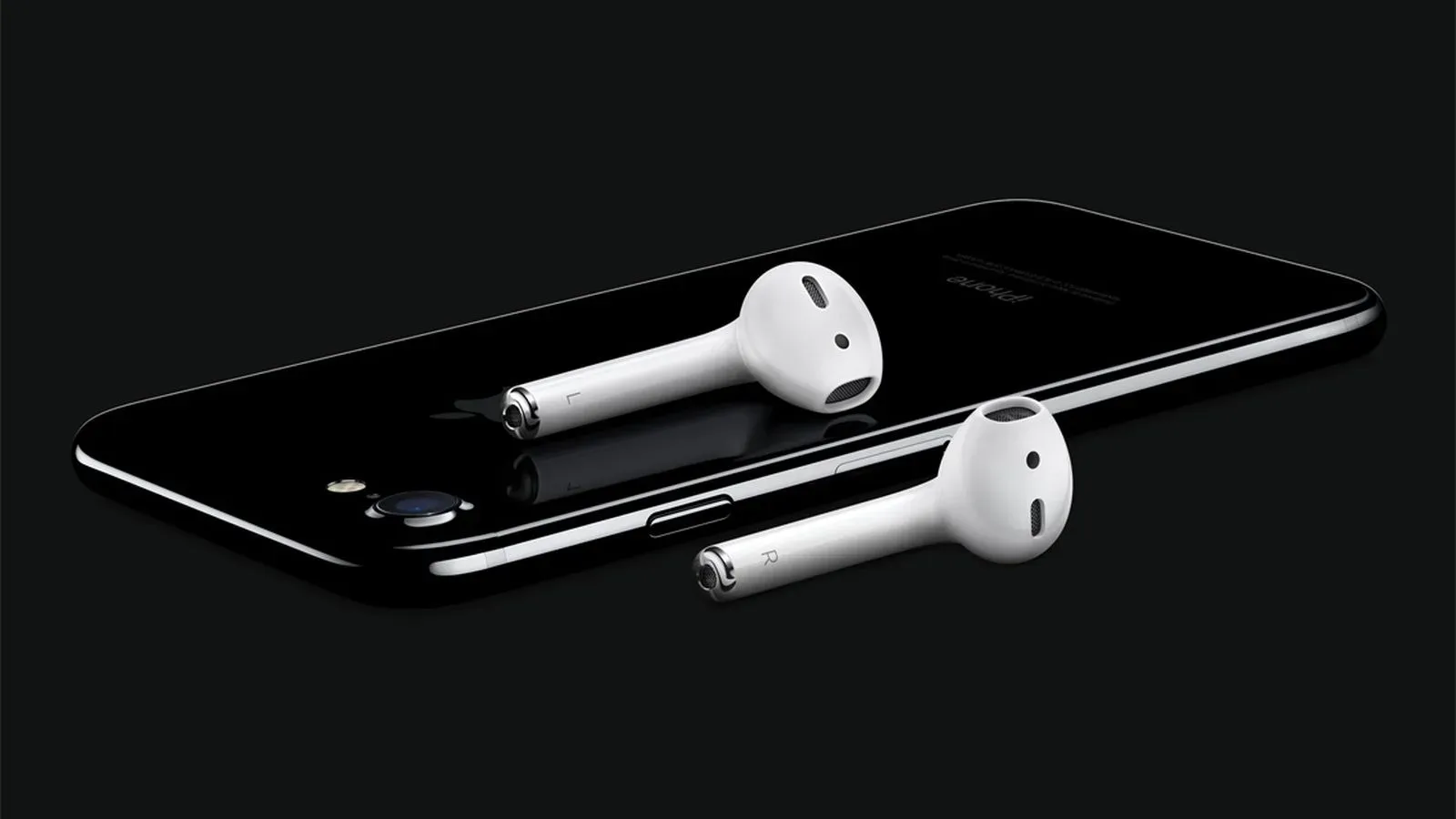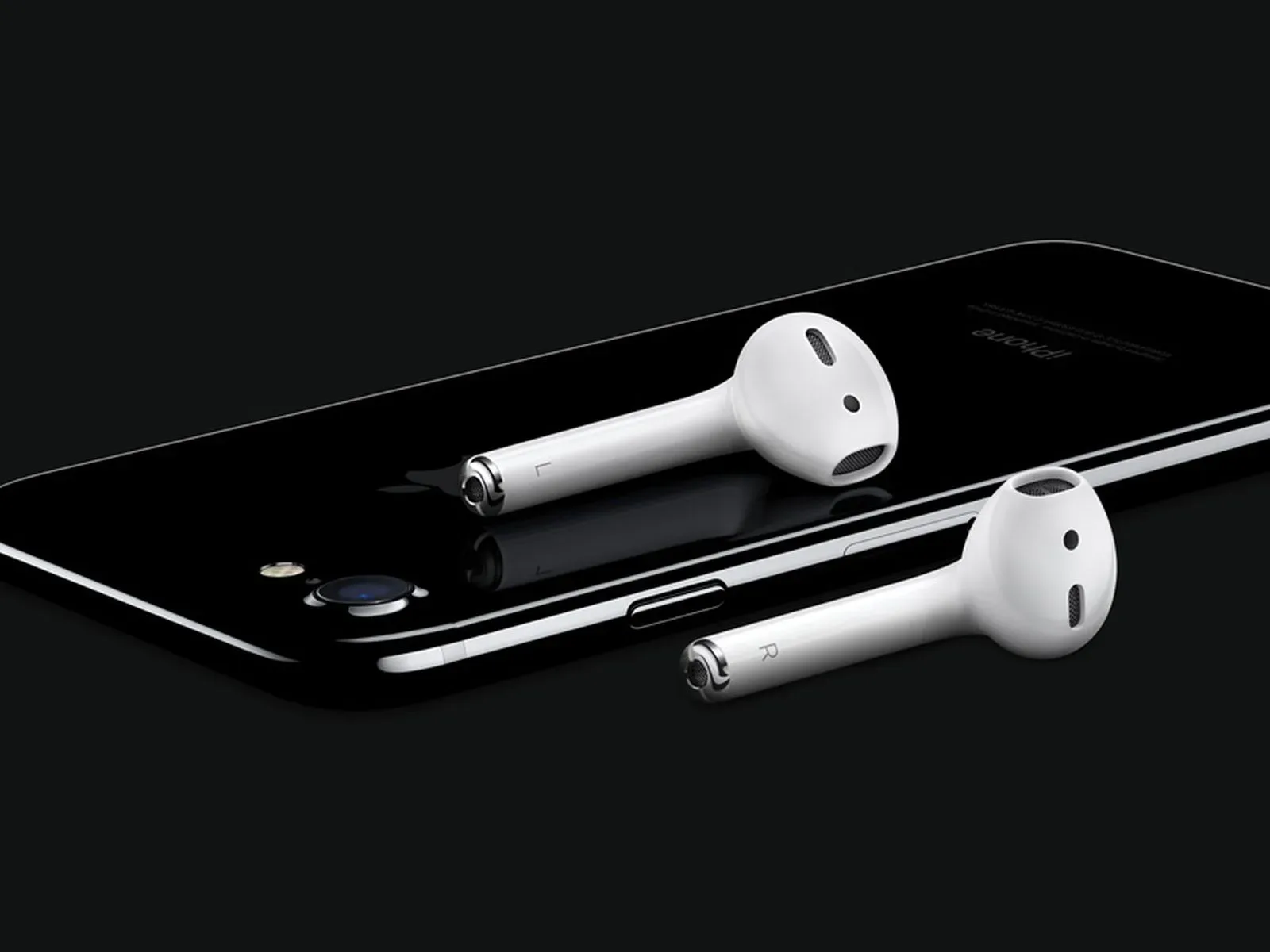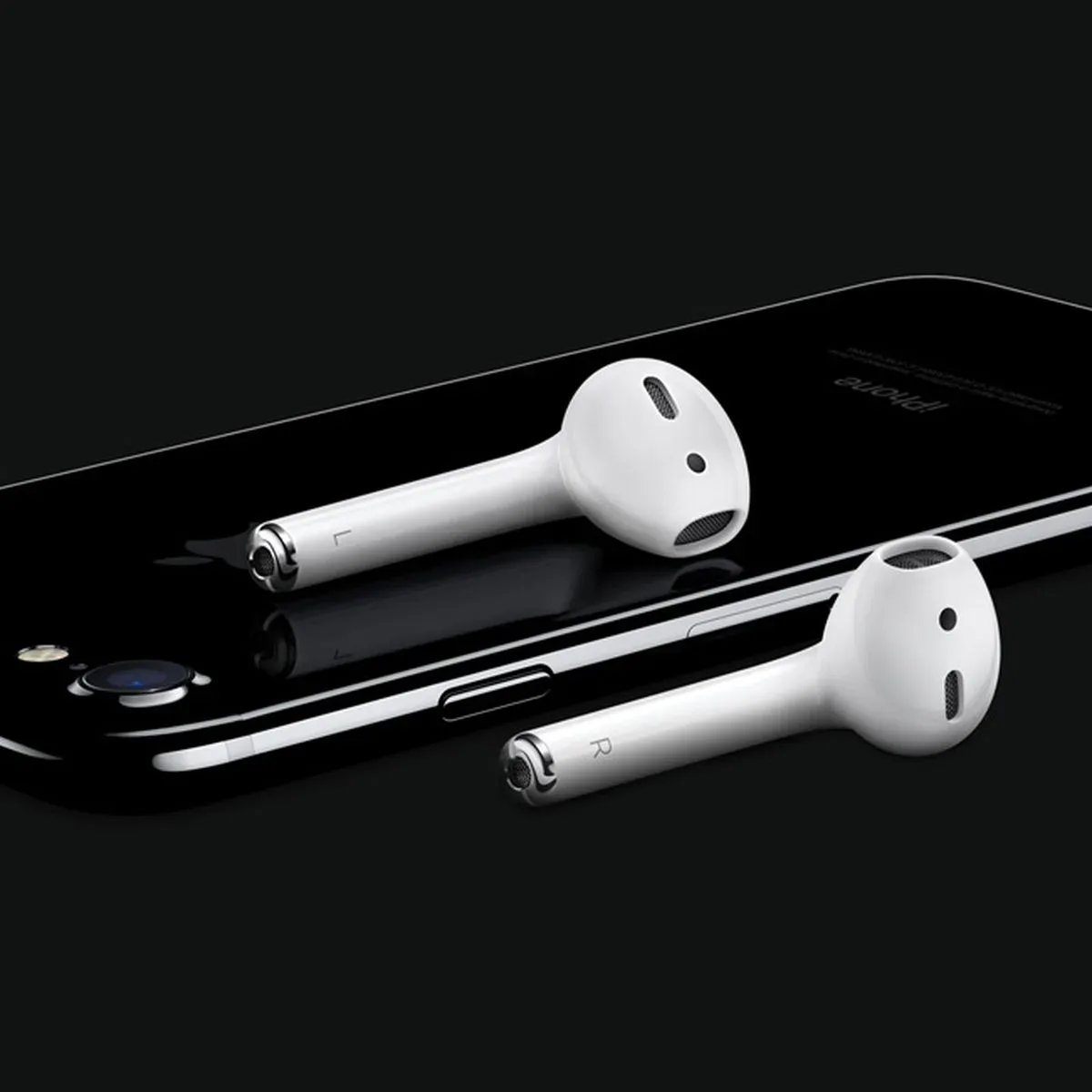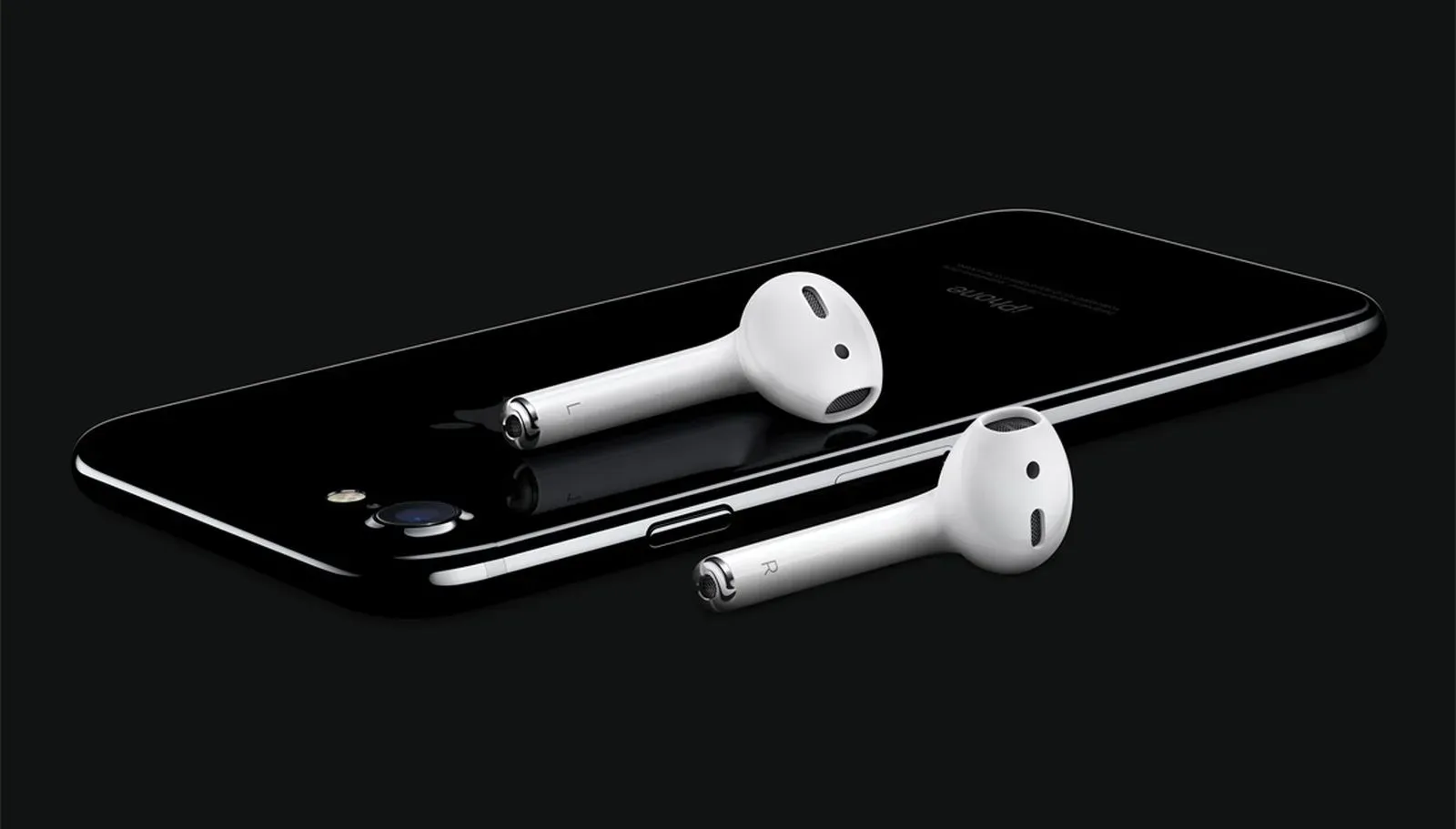
Ten years ago, Apple put two tiny white earbuds in front of the world and, in the same breath, removed the familiar 3.5mm headphone port from its newest iPhones. The original AirPods were unveiled on September 7, 2016, making September 2026 the 10-year anniversary of their reveal. They did not actually reach customers until December 2016, a distinction worth keeping intact even if anniversaries prefer a cleaner calendar square.
The timing made the AirPods feel less like a stand-alone accessory and more like Apple’s immediate answer to a question it had just made unavoidable: if the new iPhone 7 and iPhone 7 Plus did not have a headphone jack, how were people meant to listen? The company’s answer was not merely a cable with a different plug. It was a pair of separate wireless earbuds, a charging case, and a request that everyone get comfortable with a future in which headphones might be easier to lose than untangle.
That decision sparked controversy. The 3.5mm jack was simple, familiar and broadly compatible. For years, plugging in a pair of wired headphones had required little thought beyond locating the right pocket, bag compartment or knot of cable. Removing that option from the iPhone 7 family turned an everyday port into a talking point, and it put the original AirPods under an unusually bright spotlight before they had even launched.
A milestone with two dates
There are really two milestones attached to the first AirPods. September 7, 2016 is the announcement anniversary: the day Apple showed the product and connected it to the iPhone 7-era change. December 2016 is the launch anniversary: the point at which the earbuds became a product people could actually buy and use.
That difference is more than trivia for gadget historians, collectors, or anyone whose personal technology timeline is measured in product launches. An unveiling establishes intent. A launch begins the real-world life of the hardware. Between those moments sits anticipation, debate and, sometimes, the peculiar period when a product has already become a cultural argument despite not yet being in anyone’s ears.
AirPods had precisely that kind of pre-launch identity. Their reveal was inseparable from the headphone-jack discussion because both events happened on the same day. The earbuds could be viewed as a new convenience, a new compromise, or a very small declaration that cables had received an eviction notice. Depending on who was talking, they were futuristic, impractical, inevitable, easy to misplace, or all four at once.
Ten years later, the reveal remains a useful marker for how quickly a device category can move from novelty to normality in the public imagination. Not every piece of consumer tech earns the burden of representing an entire design philosophy. AirPods did, largely because their arrival was paired with the conspicuous disappearance of something people had long taken for granted.
The headphone jack debate was the main event
When Apple introduced the iPhone 7 and iPhone 7 Plus without a headphone jack, the reaction was not quiet. The port had been a universal kind of comfort food: it worked with a huge range of headphones, it needed no battery of its own, and nobody had to explain pairing to it. A wired pair either reached the socket or it did not. There was a certain beauty in that brutally uncomplicated arrangement.
By removing the jack, Apple made a transition visible in hardware. The original AirPods arrived as an emblem of that transition, not just an accessory sitting beside it. Their small, cable-free form made the contrast with conventional wired listening especially obvious. The old approach had a line running from device to listener. The new one put the connection out of sight, leaving only the buds—and, perhaps, a brief panic when one went missing beneath a couch.
It is easy to compress the story into a simplistic “wireless won, wires lost” headline, but the continued existence of EarPods complicates that picture in a useful way. Apple still sells wired EarPods, so the cable was not erased from the company’s lineup. Instead, wired listening remains an available choice alongside the wireless approach that AirPods came to symbolize.
That is an important detail because product anniversaries can turn into mythology machines. A decade later, it is tempting to remember only the dramatic break and forget the practical alternatives that remained. Apple’s continued EarPods offerings show that the wired option still has a place for people who prefer its directness, have compatible devices, or simply regard charging headphones as one chore too many.
Wired EarPods are still part of the picture
For customers who want wired headphones, Apple sells EarPods in versions with a 3.5mm headphone jack, Lightning and USB-C connectors. Those three options matter because they cover a wide variety of devices and illustrate how the listening landscape has changed around the original AirPods era.
- 3.5mm EarPods retain the classic headphone-jack connection associated with many devices.
- Lightning EarPods offer a wired option for devices using Apple’s Lightning connector.
- USB-C EarPods provide another wired route for devices using USB-C.
The result is a less melodramatic reality than the old port-removal argument sometimes suggests. Wireless earbuds became a prominent part of Apple’s product identity, but the company still offers customers a way to listen through a physical cable. The connector is the decision point now, rather than a single one-size-fits-all port.
For players, commuters, desktop listeners and people who treat a pair of headphones as a vital backpack permanent rather than a fashion accessory, that choice can be practical. A wired set has an immediate appeal: connect it and listen. Wireless models offer a different sort of convenience: no cord traveling from a pocket to a head, no snag on a chair arm, and no accidental cable tug when standing up too fast. Neither description cancels the other out; they describe different priorities.
And yes, the debate still has a little comic-book energy. The headphone jack was cast as a humble hero whose greatest power was being there. AirPods were cast as sleek newcomers with the suspicious confidence of characters who arrive in issue one already wearing a cape. A decade on, both sides have survived the crossover event.
Why the 2016 reveal still reads as a tech-industry moment
Anniversaries of accessories do not always invite much reflection. A cable turning 10 is usually just a cable turning 10, unless it has somehow developed opinions. AirPods are different because the original reveal landed at the intersection of phone design, personal audio and consumer expectations. Their story cannot be separated from the iPhone 7 and iPhone 7 Plus, or from the immediate controversy over the missing headphone port.
That makes the September 7, 2016 date a clean reference point for a broader technology-industry shift, even while December remains the correct month for the product’s actual launch. In one presentation-day pairing, Apple showed a future-facing wireless product and removed a long-established wired connection from its flagship phones. Whether someone saw that as progress or needless disruption, it was difficult to mistake the message: the company expected listening habits to change.
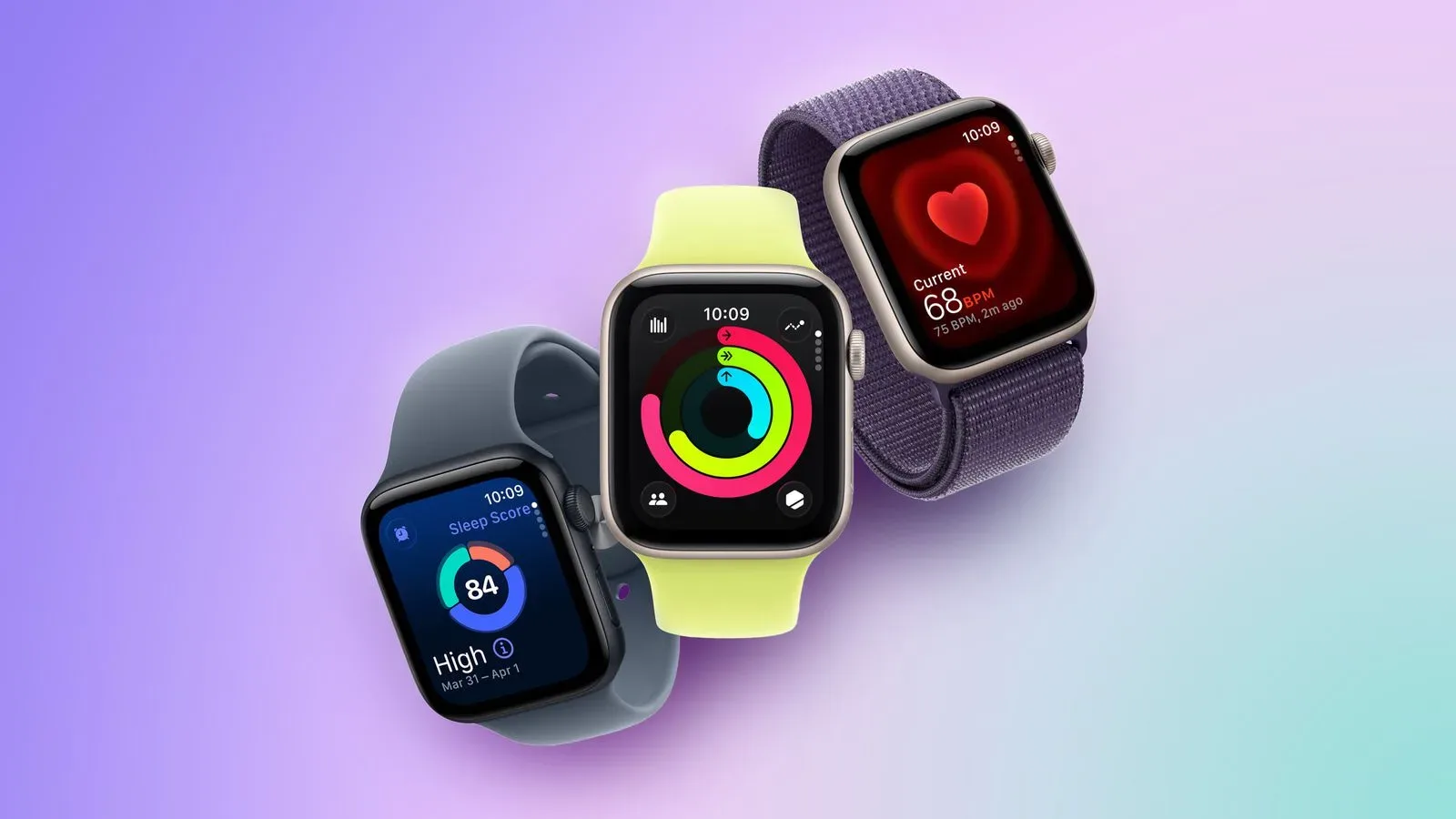
The AirPods’ 10th reveal anniversary also arrives amid continued attention on Apple’s wider hardware calendar. For more current Apple-event context, readers can see coverage of Apple Watch SE 3 listings becoming unavailable ahead of an Apple event.
Still, the enduring headline here is refreshingly straightforward. Apple revealed the first AirPods on September 7, 2016. The earbuds launched in December of that year. The reveal happened alongside the iPhone 7 and iPhone 7 Plus, neither of which included a headphone jack. Ten years on, Apple also continues to sell wired EarPods in 3.5mm, Lightning and USB-C forms.
That is a tidy record of a famously untidy argument. The cord did not disappear everywhere. The jack’s removal did not pass without resistance. And the little white earbuds that entered the conversation as a bold answer to a controversial phone design have now reached the decade mark since their first appearance. Somewhere, a drawer full of tangled old cables is preparing its rebuttal.