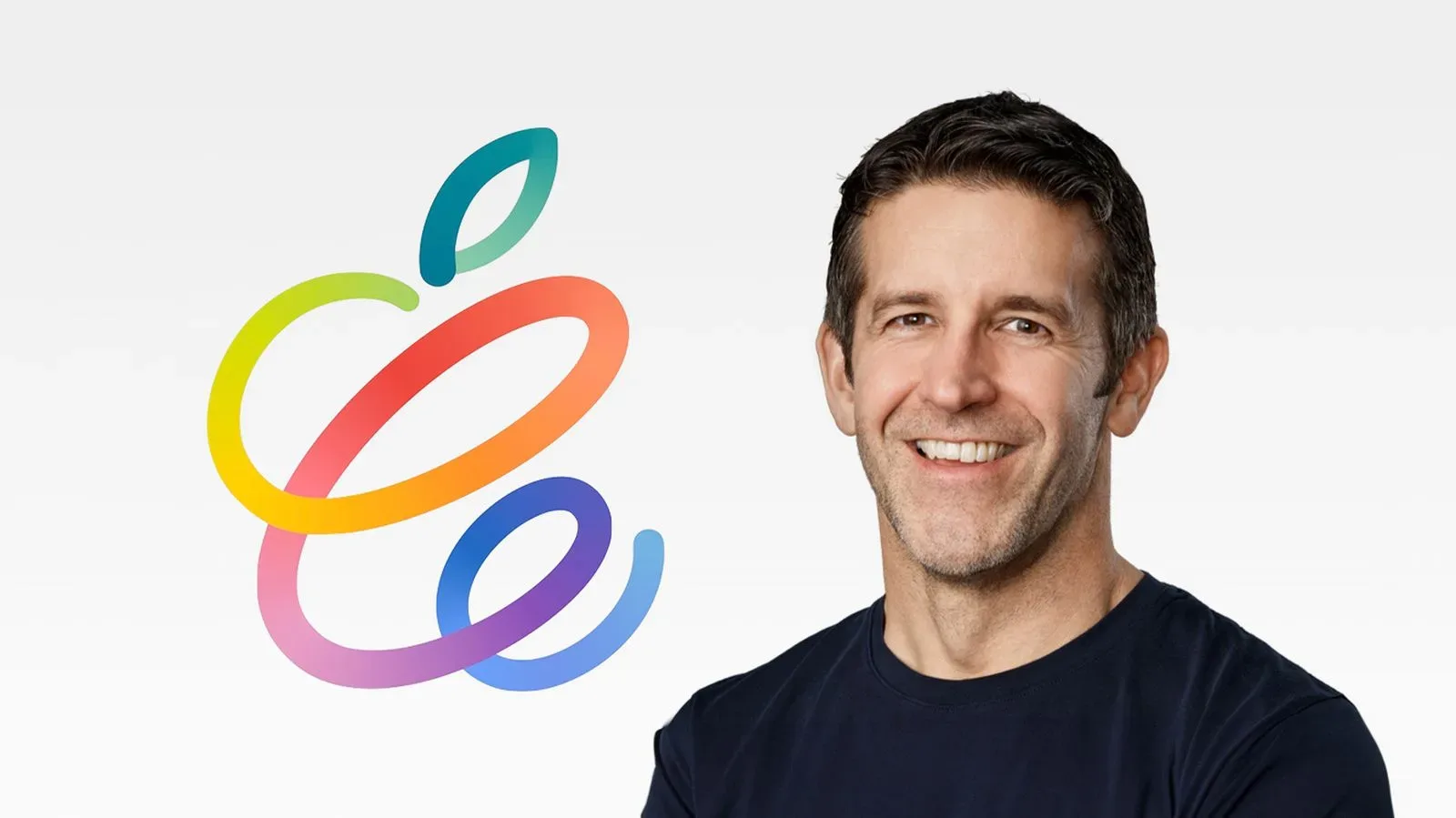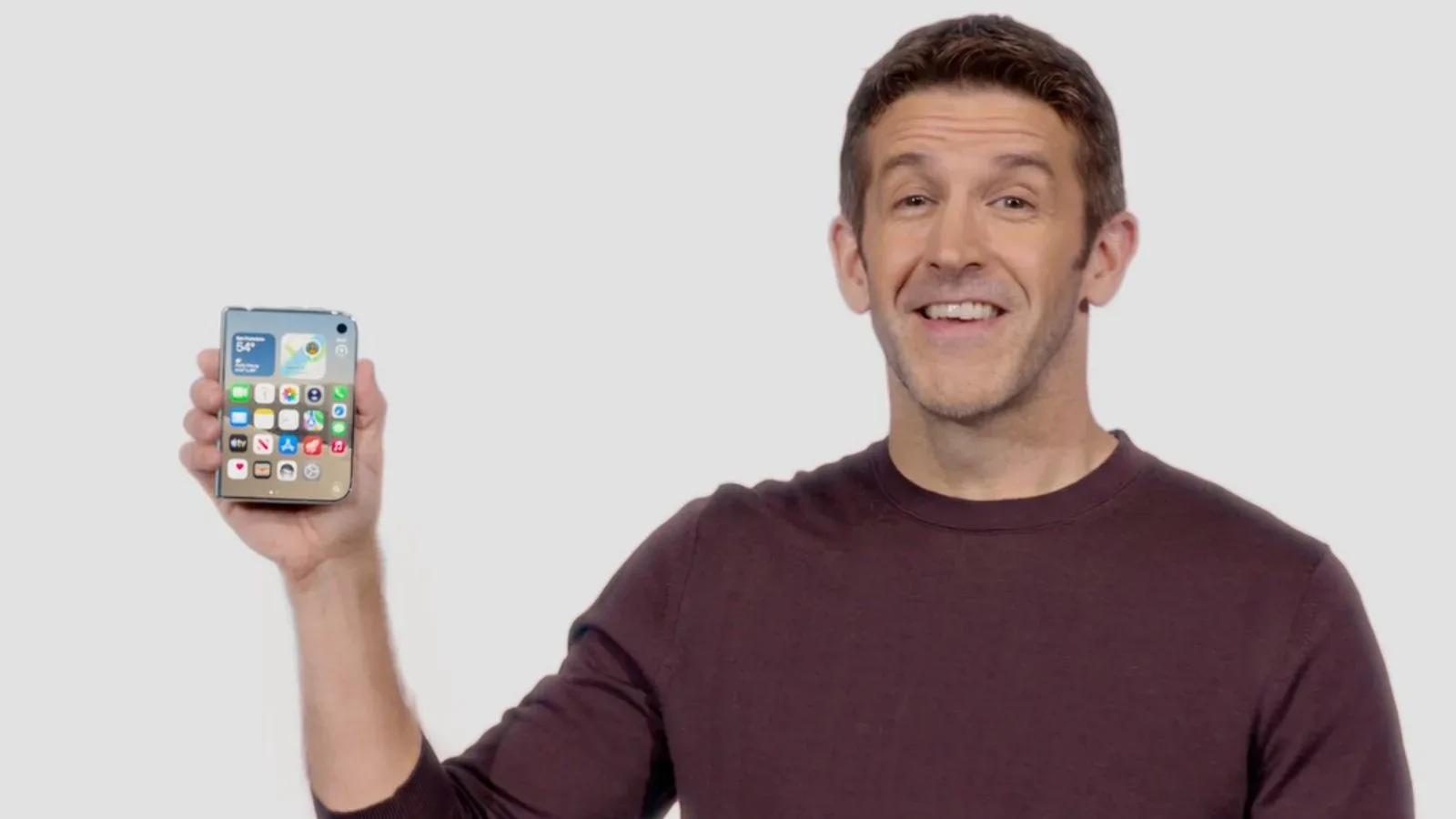
Apple’s newly installed CEO, John Ternus, has reportedly made product design a major priority in his first month in the role. The reported change is not simply a matter of executive interest: Ternus is said to be spending time in Apple’s design studio several times each week, occasionally making more than one visit in a day.
That level of involvement stands in sharp contrast to the approach attributed to former CEO Tim Cook, who reportedly visited the studio for roughly an hour once a month at most. The comparison does not establish that one leadership model is inherently better than the other. It does, however, point to a potentially meaningful shift in where Apple’s top executive is personally concentrating attention.
Ternus arrived at the chief executive role from hardware engineering, where close work with the design studio was already part of the job. Since taking over, he has reportedly become more deeply involved with both Apple’s industrial design organization and its human interface team. Put plainly, the company’s leader is now being described as a product-and-engineering executive who is placing himself near two groups that shape what Apple’s devices are and how people use them.
What the two design disciplines actually cover
“Design” can sound like a catch-all term, but the two teams cited in the report have distinct responsibilities.
Industrial design generally concerns the physical product: its form, materials, dimensions, controls and the way an object feels and fits into everyday use. In a company making hardware, that work has to coexist with engineering realities. A device cannot merely look finished; it must be manufacturable, reliable and compatible with the technical components that make it function.
Human interface design concerns the way people interact with a product. That includes the visible interface and the broader logic of how controls, screens and software behaviors are presented to users. An interface can be thought of as the product’s operational language: it tells the owner where to tap, what information matters, and what happens after an action.
The two are linked. A physical control affects the software experience, while a software decision can influence what hardware makes sense. Ternus’s background in hardware engineering may be especially relevant because engineering is where competing product requirements often meet. Physical ambition, component constraints and interface goals must ultimately work together in a final device.
An engineering background changes the emphasis, not necessarily the outcome
The report characterizes Ternus as a leader with an engineering background, while Cook was better known for supply-chain expertise. Those descriptions are useful for understanding executive focus, but they should not be read as a scorecard or as evidence of an immediate product change.
Supply-chain work is concerned with the complex operational task of getting products made and delivered. Engineering, meanwhile, is tightly connected to the process of turning product concepts into functioning hardware. Both are central to a technology company, and both influence what a customer eventually sees. The notable point is where the CEO’s own time appears to be going.
Under the reported arrangement, Apple finance is largely being left to financial chief Kevan Parekh, while operational and supply-chain responsibilities are being left to operations chief Sabih Khan. That delegation could give Ternus more space to stay close to engineering and design decisions. It also suggests that his hands-on studio presence is not occurring in isolation, but alongside a division of executive responsibilities that allows the chief executive to emphasize the product side of the business.
For observers trying to infer what this means, restraint is important. The available reporting does not identify a particular device, a planned redesign, a release timetable or a specific project altered by Ternus. There is no basis here to claim that Apple’s products will look different, gain certain features, or change direction on a known schedule.
What can reasonably be said is narrower: the CEO’s routine reportedly provides more direct contact with the teams responsible for physical design and user interaction than the prior CEO’s reported routine did.
Why executive time in the studio matters
A CEO does not need to personally draw hardware or lay out an interface to influence a product organization. Their attention can affect which questions receive rapid escalation, which trade-offs become priorities and how directly senior leadership hears concerns from specialized teams.
That is why the frequency described in the report is more revealing than a general statement that design matters. Visiting several times a week, and sometimes more than once in a day, creates repeated opportunities for feedback and decision-making. It may also reduce the distance between a leadership choice and the people working through its consequences.
Still, proximity should not be confused with control over every detail. Product design depends on many disciplines, including engineering and operations. The report itself underlines this interconnected structure by noting Ternus’s prior role at the intersection of hardware engineering and the design studio. A physical product is not designed in a vacuum; it is the result of coordination among teams with different responsibilities and constraints.
A leadership signal during Apple’s transition
The timing makes the emphasis notable. Ternus became CEO only last month, and a new executive’s early patterns can serve as signals inside and outside the company. In this case, the signal is that product design is receiving direct attention from the top office.
That does not diminish the importance of the finance and operations leaders named in the report. Instead, it describes a leadership structure in which Parekh and Khan are positioned to own their respective areas while Ternus focuses more heavily on engineering and design. The practical implication is less about a single imminent product and more about the kind of CEO Apple now has: one whose previous experience and current schedule appear rooted in the creation of products.
For Apple customers, developers and industry watchers, that distinction is worth following over time rather than treating it as a promise. Design priority can mean careful scrutiny of hardware form and interface behavior; it does not automatically reveal the choices that scrutiny will produce. Future product decisions, if they emerge, will provide the meaningful test of how this leadership focus translates from studio visits into consumer-facing results.
Apple is also reportedly preparing product news elsewhere in the near term, including a reported October event tied to a smart home hub, HomePod mini and Apple TV 4K. That separate report should not be treated as proof of Ternus’s influence on any specific product, but it illustrates why the company’s leadership transition will be watched closely as its product cycle continues.
What remains unknown
- Which particular product programs, if any, are receiving direct input from Ternus.
- Whether the reported studio engagement will remain at its current pace over the longer term.
- How Apple’s industrial design and human interface priorities will manifest in future hardware or software.
- Whether this executive focus leads to visible changes in product strategy or simply a different route to decisions.
For now, the clearest takeaway is organizational rather than speculative. Apple’s new CEO is reportedly immersed in the teams responsible for industrial design and human interfaces, while other senior executives handle finance and operations. That is a deliberate-looking allocation of attention—and an early indication that engineering and product design are central to Ternus’s approach to running Apple.