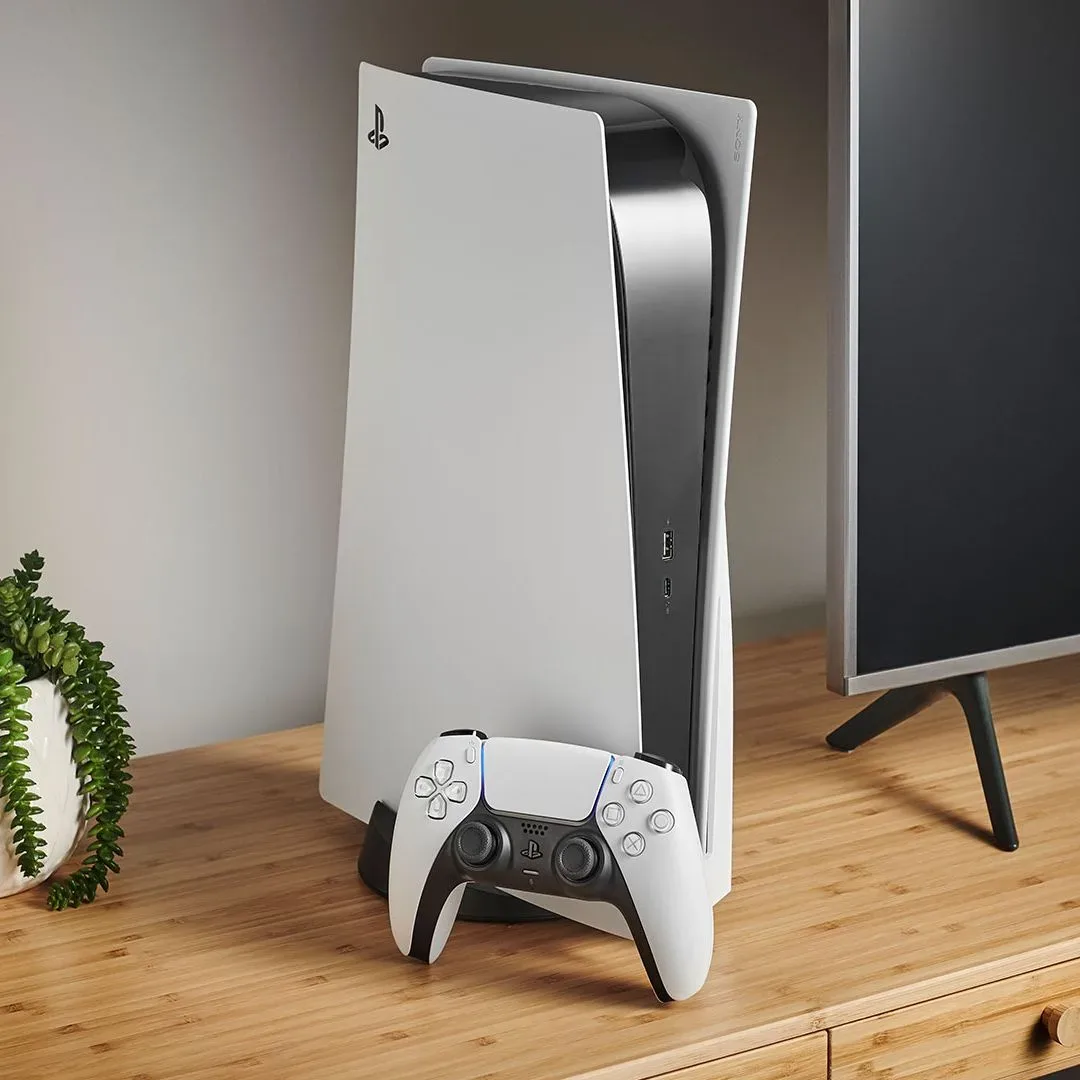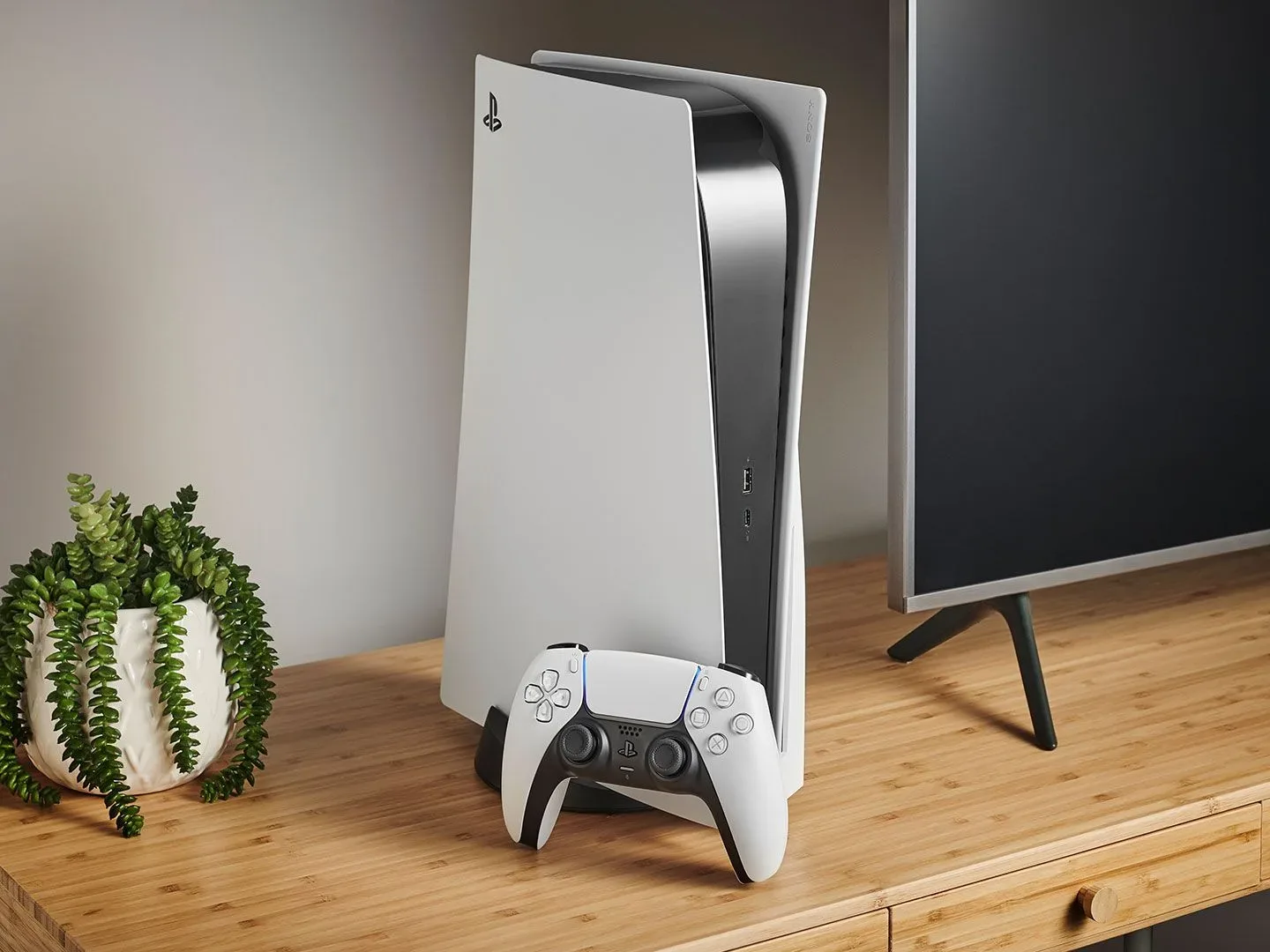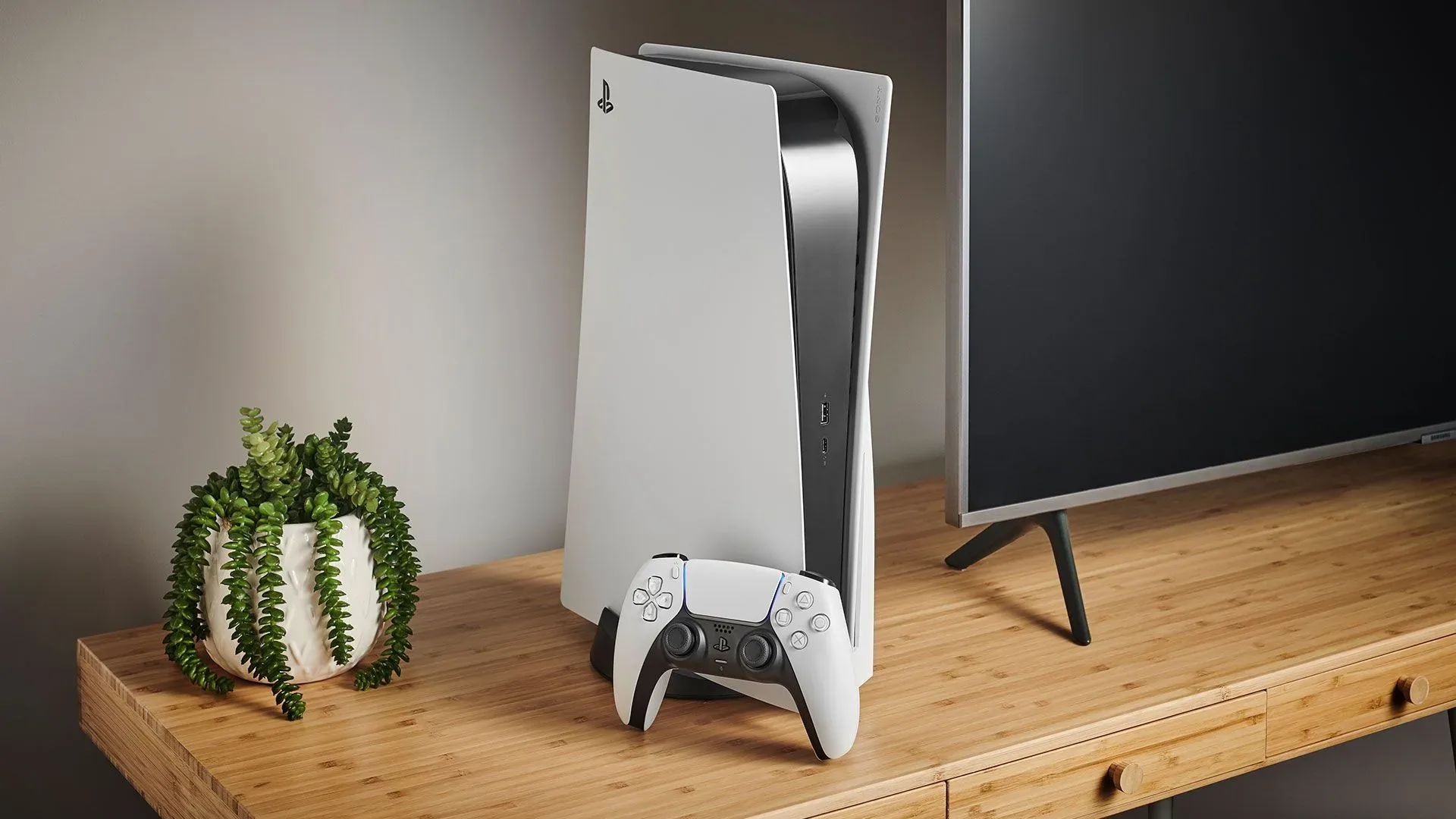
The latest fight over U.S. tariff refunds is not really about whether a PS5 or Xbox was displayed with a price tag. Nobody is alleging that shoppers received an empty box, a decoy controller, or a coupon for one sad virtual banana. The dispute is about what happened before that sticker reached the shelf—and what should happen now that tariff payments connected to that era may be refunded to the companies that made or imported the hardware.
Sony and Microsoft are each seeking dismissal of class-action lawsuits that argue customers should share in tariff-related refunds after paying higher prices for PlayStation and Xbox hardware. The legal arguments from both companies stress a basic point: buyers saw an advertised price, chose to pay it, and received the product. The plaintiffs’ position, by contrast, is that price increases attributed to tariffs create a reason for consumers to receive some relief if the tariff burden is later repaid.
This is a developing legal matter, not a settled statement that either company owes customers money. A motion to dismiss is also not a final judgment on the underlying claims. Still, the contrast has become hard to ignore because smaller game-adjacent hardware businesses, including Arctic and Panic, have described plans to return tariff-related value to customers in different ways.
How tariffs became part of the console price conversation
U.S. tariffs introduced during the previous year affected products manufactured outside the country, changing import costs across consumer technology. Gaming hardware did not get to hide behind the sofa when the bill arrived. The period coincided with price increases involving the PS5, Nintendo Switch, and Xbox Series X, while the wider electronics business was also dealing with component costs, inflation, demand shifts, supply-chain decisions, and currency considerations.
The U.S. Supreme Court subsequently found the tariffs at issue to be illegal, opening the door to refunds for affected businesses. Sony told investors in July that it expected roughly $508 million in tariff refunds. That figure is significant, but it should not automatically be read as a per-console reimbursement pool. A company’s total refund may cover a broad range of imported goods, operations, and time periods, while retail pricing is shaped by many variables besides any one charge.
That complexity is central to Sony’s defense. Its filing reportedly argues that PlayStation pricing reflects a changing mix of input costs rather than a single tariff switch that went on and then off. The company also points to later price movements as evidence that tariffs alone do not explain the cost of a console.
Microsoft’s response similarly challenges the idea that a voluntary purchase at a clearly stated price is, by itself, a legally recognizable injury. In short, the company’s position is that an Xbox buyer got the Xbox that was offered for the amount paid, regardless of a later reconstruction of Microsoft’s internal cost structure.
Those arguments may prove persuasive, or the cases may survive long enough for the factual record to receive deeper examination. For players, though, the lawsuit has reopened an old and increasingly uncomfortable question: when a corporation raises prices in response to a public cost, what obligation—legal or ethical—exists if that specific cost later disappears?
The difference between a legal defense and a customer gesture
There are two conversations happening at once. One is a technical legal question about consumer protection, standing, causation, pricing, and restitution. The other is a much simpler question of goodwill. Companies can believe they have no legal duty to issue refunds while still deciding that a targeted rebate, store credit, temporary sale, or other remedy is good business.
Arctic, a PC cooling and components brand, chose the latter route. The company announced a U.S. promotional sale intended to pass its tariff refund back to customers. Chief executive Magnus Huber described the plan as remaining active until the full amount Arctic received through the refund had been returned to customers. That does not make Arctic’s program a universal template—its product range, scale, distribution, and refund exposure differ dramatically from those of a console platform holder—but it creates a clear, easily understood standard of intent.
Panic has taken an even more direct approach for affected Playdate buyers, offering refunds to customers who paid extra during the tariff period. Playdate is a specialized handheld rather than a mass-market console ecosystem with worldwide subscription services, digital storefronts, first-party studios, and several layers of retail partners. Yet that distinction only explains why the logistics differ. It does not erase the reputational value of saying, plainly, that customers who bore a temporary surcharge deserve a piece of the reversal.
Neither Arctic nor Panic proves that every hardware company can duplicate the same remedy dollar-for-dollar. But they do demonstrate that “we are not legally required to do this” and “we will not do anything” are separate decisions. In an industry where trust is often translated into account balances, locked libraries, and recurring subscriptions, that separation matters.
Why the PC comparison is useful—and limited
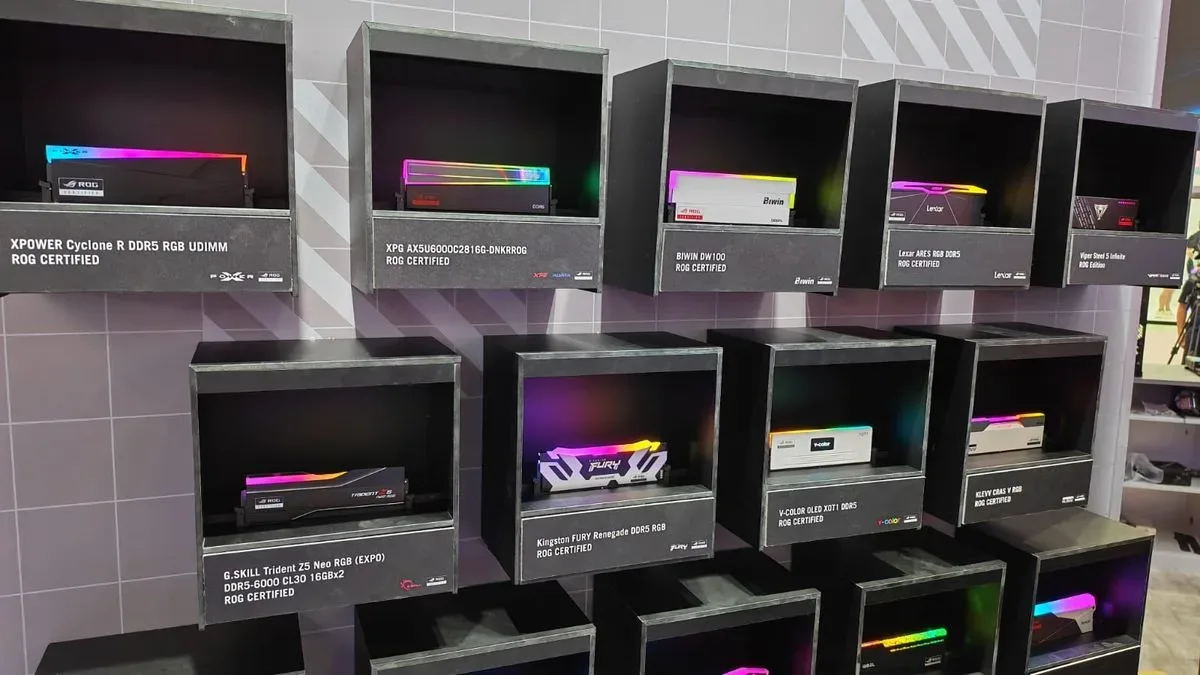
It would be nonsense to declare PC gaming cheap merely because two PC-oriented companies have made consumer-friendly tariff moves. Anyone pricing out a new system knows the category is under its own pressure. Memory and other components have faced turbulent costs, with demand from AI infrastructure contributing to broader strain in technology manufacturing. A graphics card, a RAM kit, cooling hardware, storage, a monitor, and an operating system can turn “I’ll just build something modest” into a sentence best delivered while sitting down.
PC hardware also has no single gatekeeper. Consumers can compare parts, postpone one upgrade, buy used equipment, switch vendors, or assemble a machine over time. That flexibility is valuable, but it can also mean more research, more compatibility checks, and more ways to accidentally spend a weekend determining whether a motherboard needs a BIOS update.
Console gaming remains attractive because the initial proposition is clean: buy a box, connect it, and play games designed around a consistent target. The current controversy does not undo that convenience. What it challenges is the long-standing implication that convenience necessarily comes with a more consumer-centered relationship.
For an industry-side look at how technology companies are pursuing new platforms and experiences, see our coverage of XR’s push toward shared spaces, smart glasses, and stronger storytelling. New hardware categories can be exciting, but they also make clarity around pricing and ownership more important, not less.
Ownership remains the wider pressure point
The tariff cases arrive amid an already tense period for the meaning of “buying” games and game hardware. Digital storefronts have made access frictionless, but access is not identical to permanent ownership. Licenses can be governed by terms of service, platforms can change features and policies, and a physical disc is increasingly not a complete escape hatch when patches, downloads, and online verification are part of the package.
Sony has recently drawn criticism over physical-media support and over messaging that reminds PlayStation account holders of the licensed nature of digital purchases. That backdrop gives the tariff dispute extra force. A player who feels they have less control over their game library may be especially unreceptive to the notion that a price increase is unquestionable when a related government charge is refunded later.
The issue is not confined to PlayStation. Xbox’s digital strategy, subscription emphasis, and ecosystem-first approach make the same trust question relevant: what does a customer receive beyond the immediate machine, and how much certainty accompanies the purchase? The answer includes convenience, services, multiplayer infrastructure, and exclusive software—but it also includes restrictions that buyers cannot easily negotiate.
Physical collectors know the appeal of retaining something that can be found, displayed, traded, and played without asking a storefront whether it is in a cooperative mood. For a practical refresher, our guide explains how to store retro games so a collection remains playable and easy to locate. Preservation is not a cure for current pricing problems, but it is a reminder that a game purchase can mean more than a line item inside an account.
What consumers should watch next
The immediate question is procedural: will courts dismiss the claims against Sony and Microsoft, allow them to proceed, or narrow them? The eventual answers could depend on the exact wording of the complaints, the evidence tying particular price changes to tariffs, and the legal standard applied in each case. A public tariff refund does not, on its own, establish a customer refund right. Nor does a company’s decision to fight the case establish that its prices were unrelated to tariffs.
In the meantime, consumers can distinguish between three things that are too often collapsed into one:
- Advertised-price fairness: whether the buyer knowingly paid the listed amount.
- Legal restitution: whether consumer law requires a payment after the fact.
- Voluntary goodwill: whether a company chooses to share a windfall or offset it through promotions.
Arctic and Panic have made their choices visible. Sony and Microsoft are contesting legal liability. That may be entirely within their rights, and the courts will decide the claims before them. But consumer trust is not awarded by a judge alone. It is built through the actions companies take when they could plausibly say, “The paperwork says we don’t have to.”
For buyers weighing platforms, the sensible response is not panic-buying a gaming PC or declaring consoles finished. It is to be more skeptical of blanket claims that any platform is automatically the player-friendly one. Compare total costs, understand digital terms, preserve the games and hardware you value, and remember that a refund may be a legal issue—but respect is always a business choice.